
Product Category
-
candies



-
240g Coated Peanuts (Mixed Flavor) – A Crunchy Carnival in Every Bite
-
88 g Thick-Cut Beef Cubes – The Five Spices Flavor, Pocket-Sized Wok Hei
-
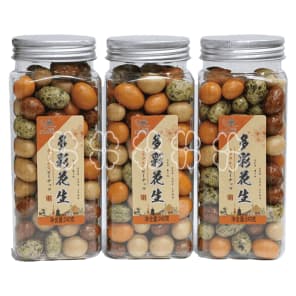
240g Coated Peanuts (Mixed Flavor) — A Colorful Crunch in Every Bite
-
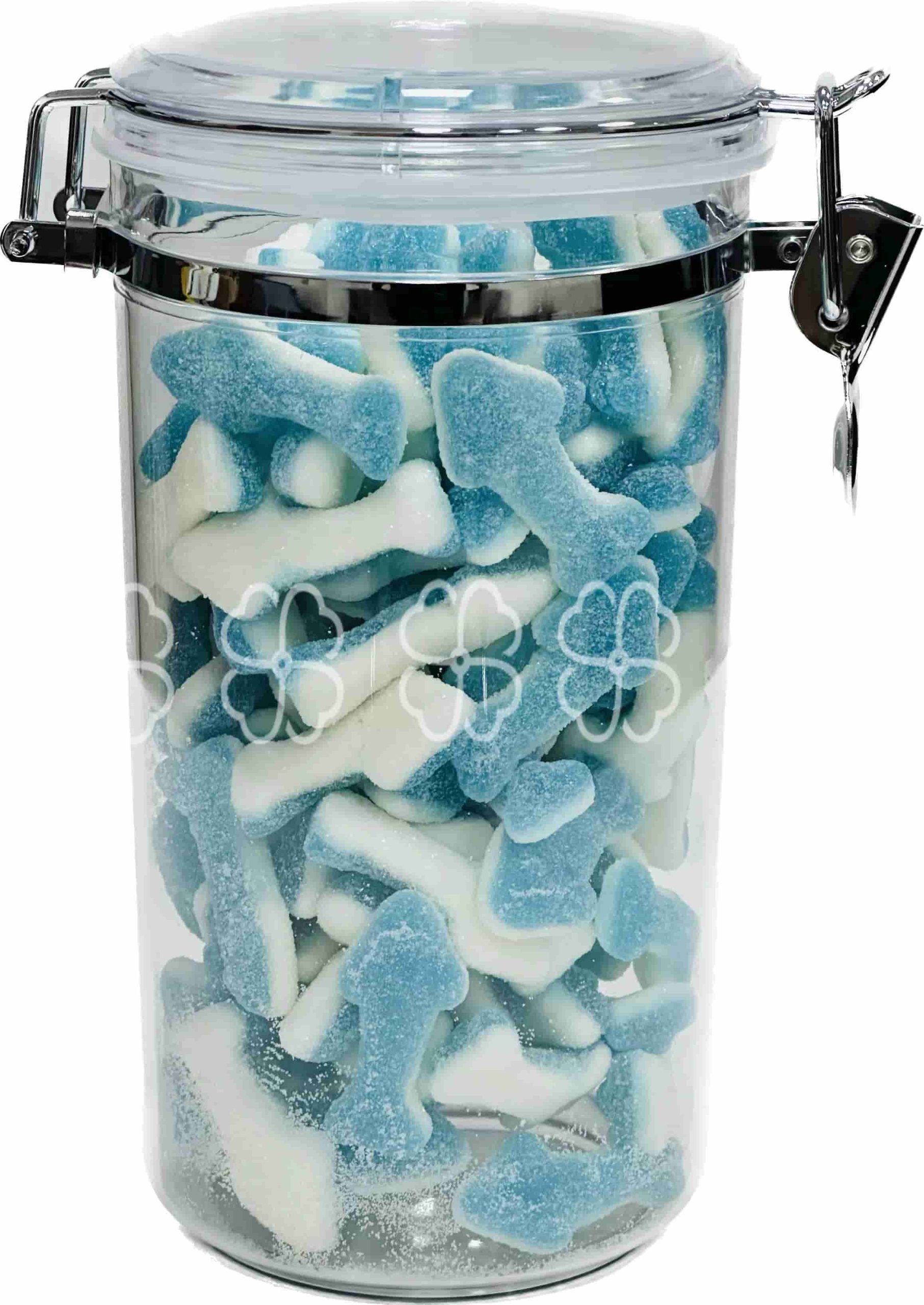
Bulk Fudge Dolphin-Shaped
-
272g Explosicum Mango Fudge
-
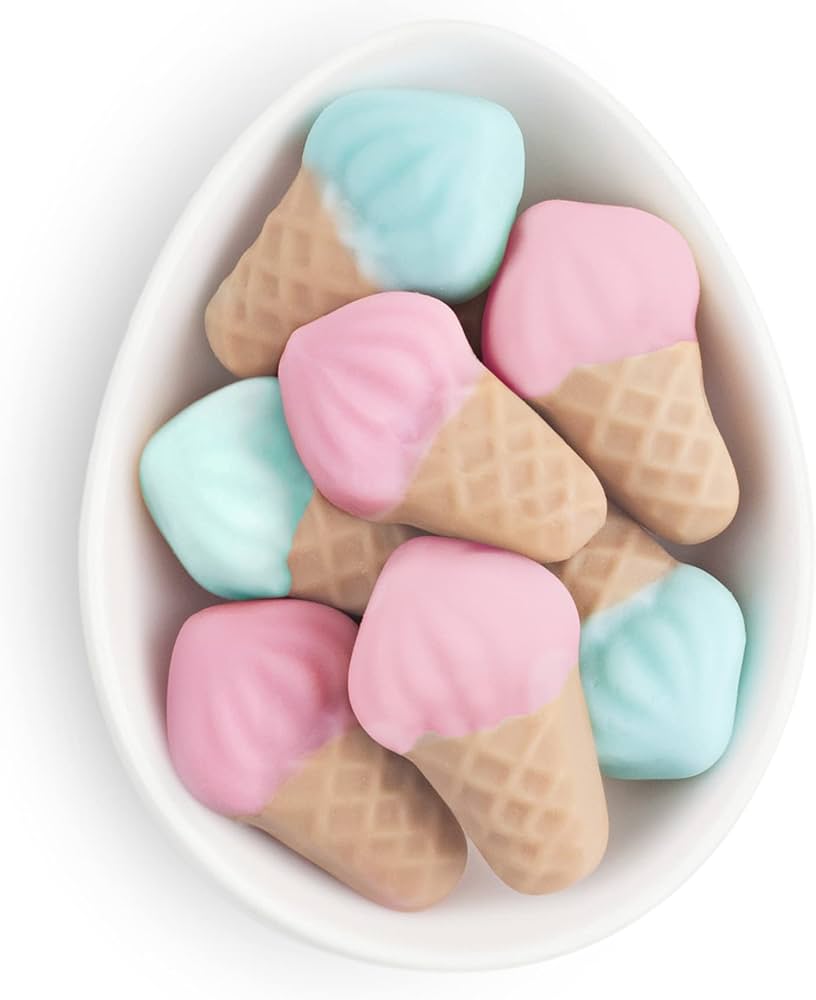
The lovely dessert: Mixed oil ice cream gummy
-
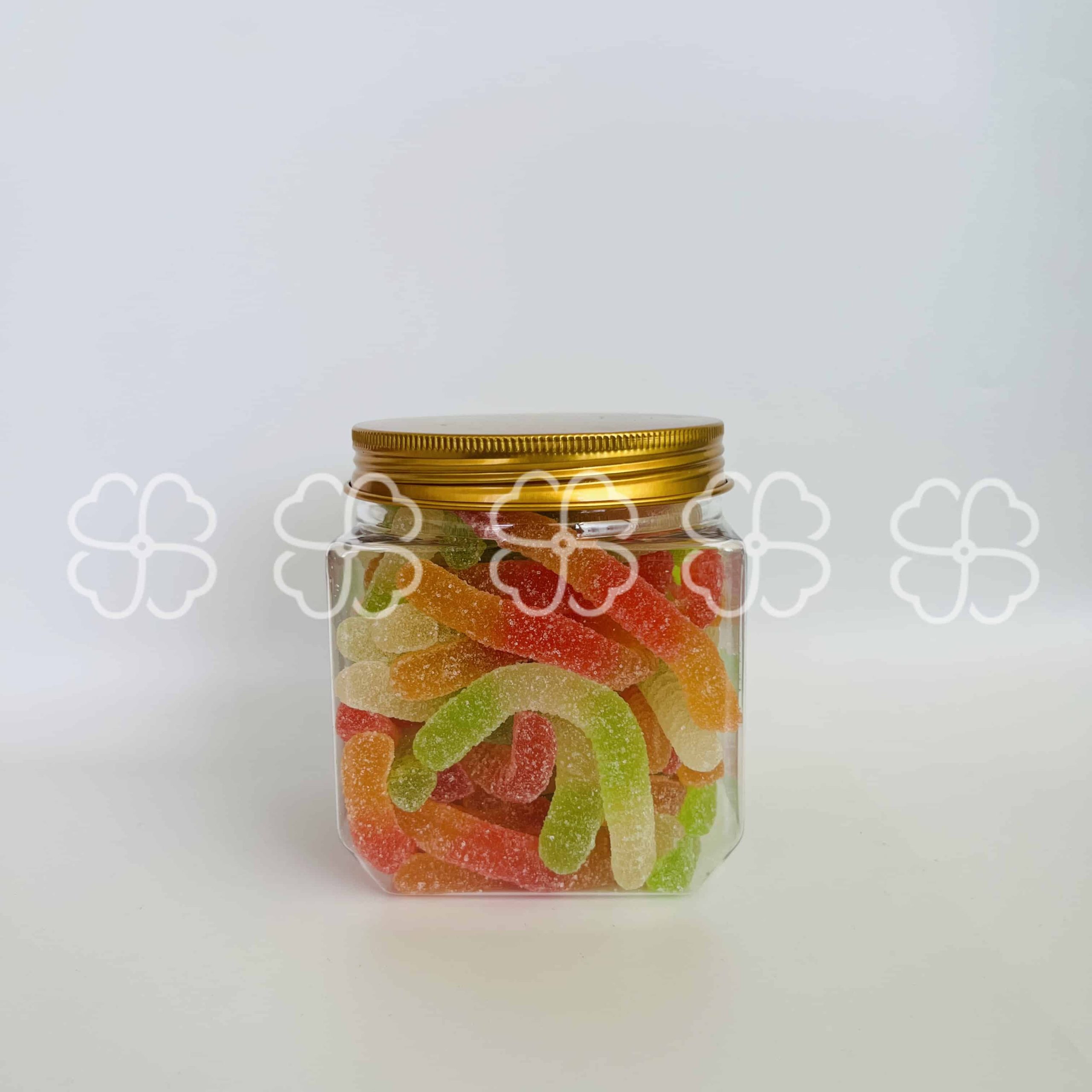
Three-Color Worm-Shaped Gummy Candies: A Burst of Flavor and Fun!
-
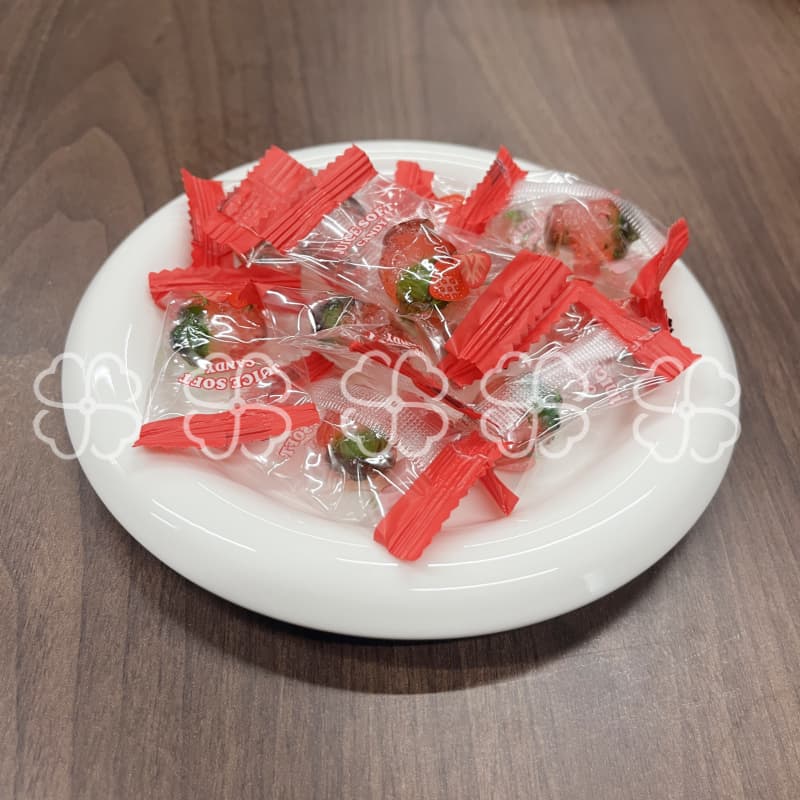
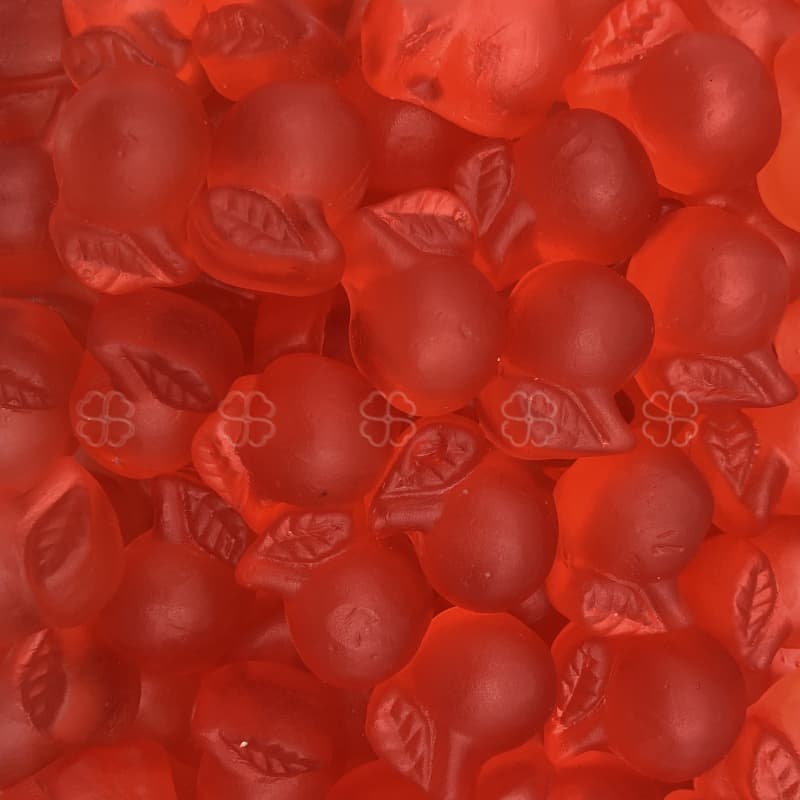
Strawberry Gummy Candy
-
200g Kelp Knot (Spicy Flavor)
-
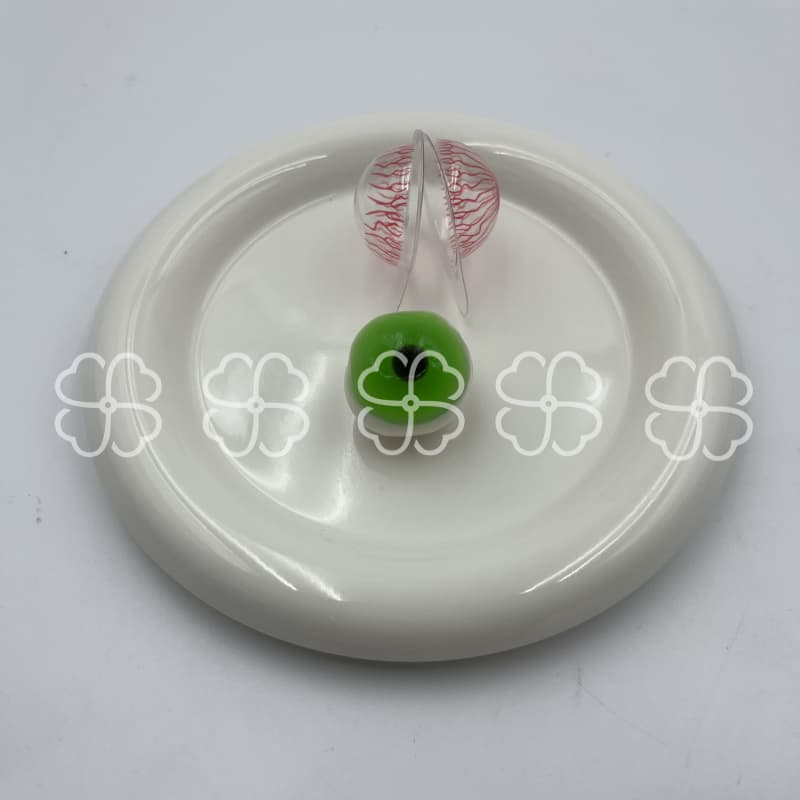
Green Big Eyeball Bursting Gummy Candy
-
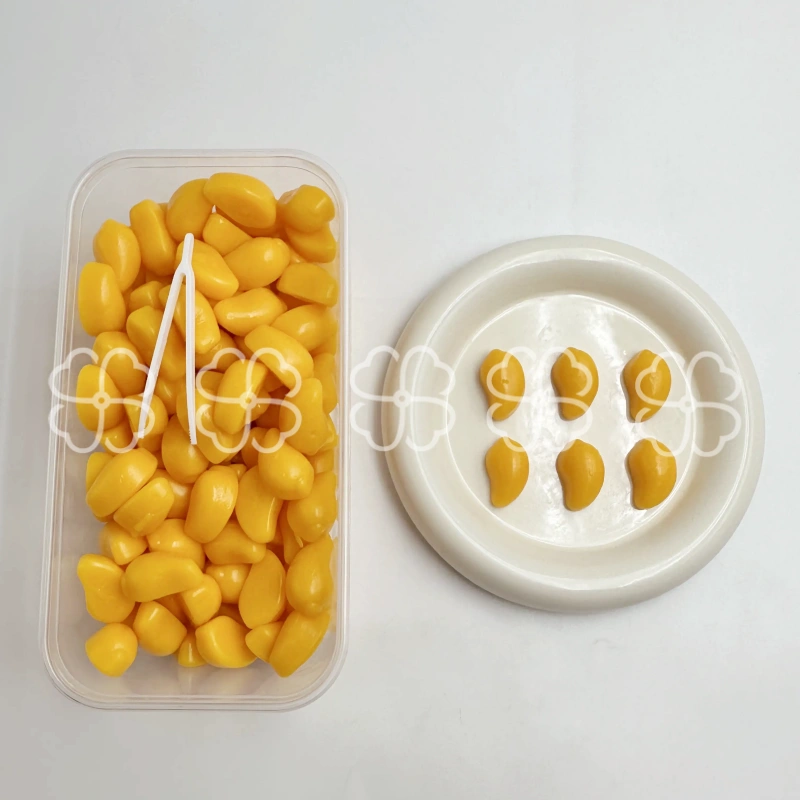
800g Boxed Mango Flavored Peelable Gummy Bulk Soft Candy for Wholesale
-
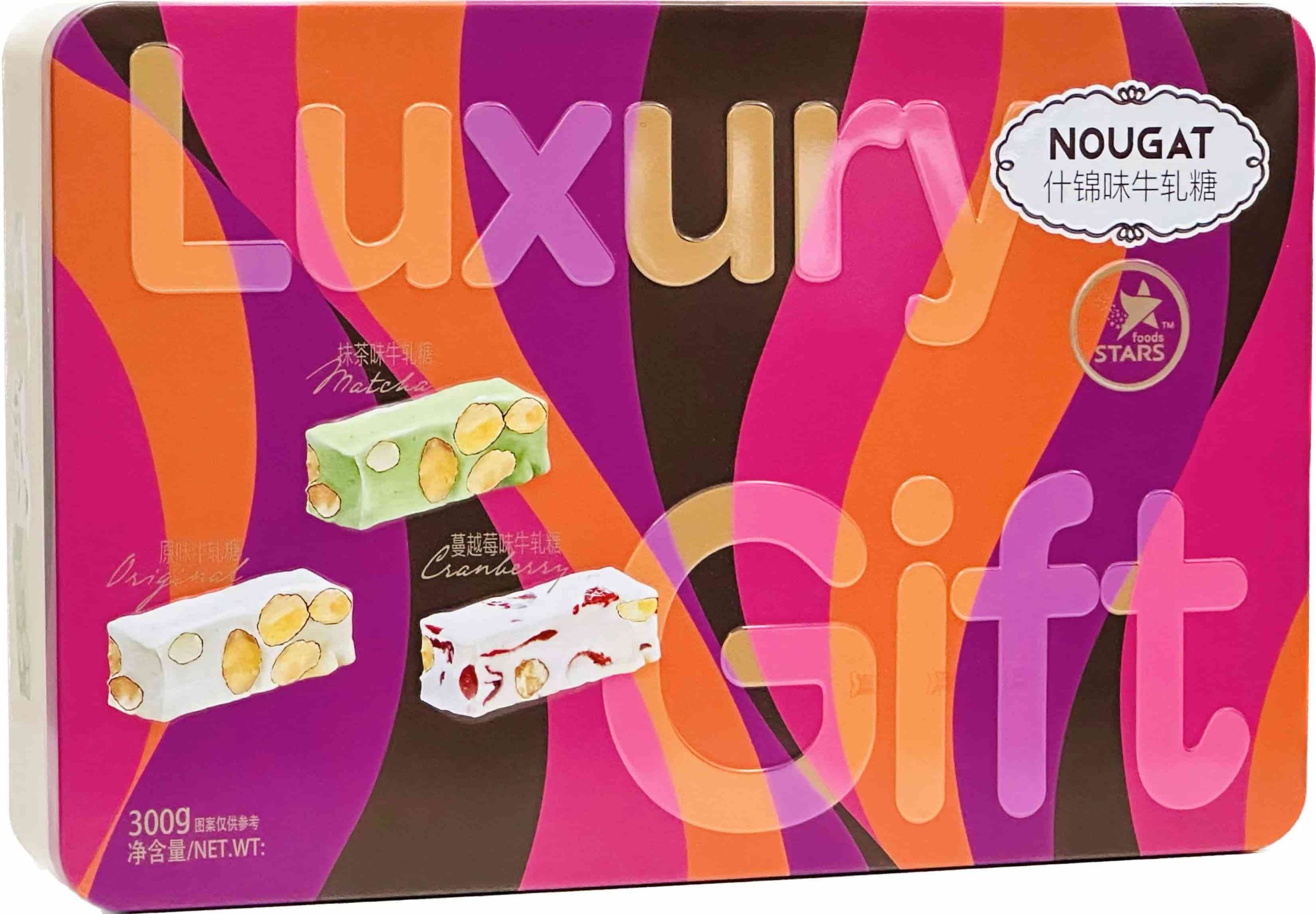
300g Nougat (Original + Matcha + Cranberry Flavor) (Can packing)
-
Bestselling Festive Candy
-
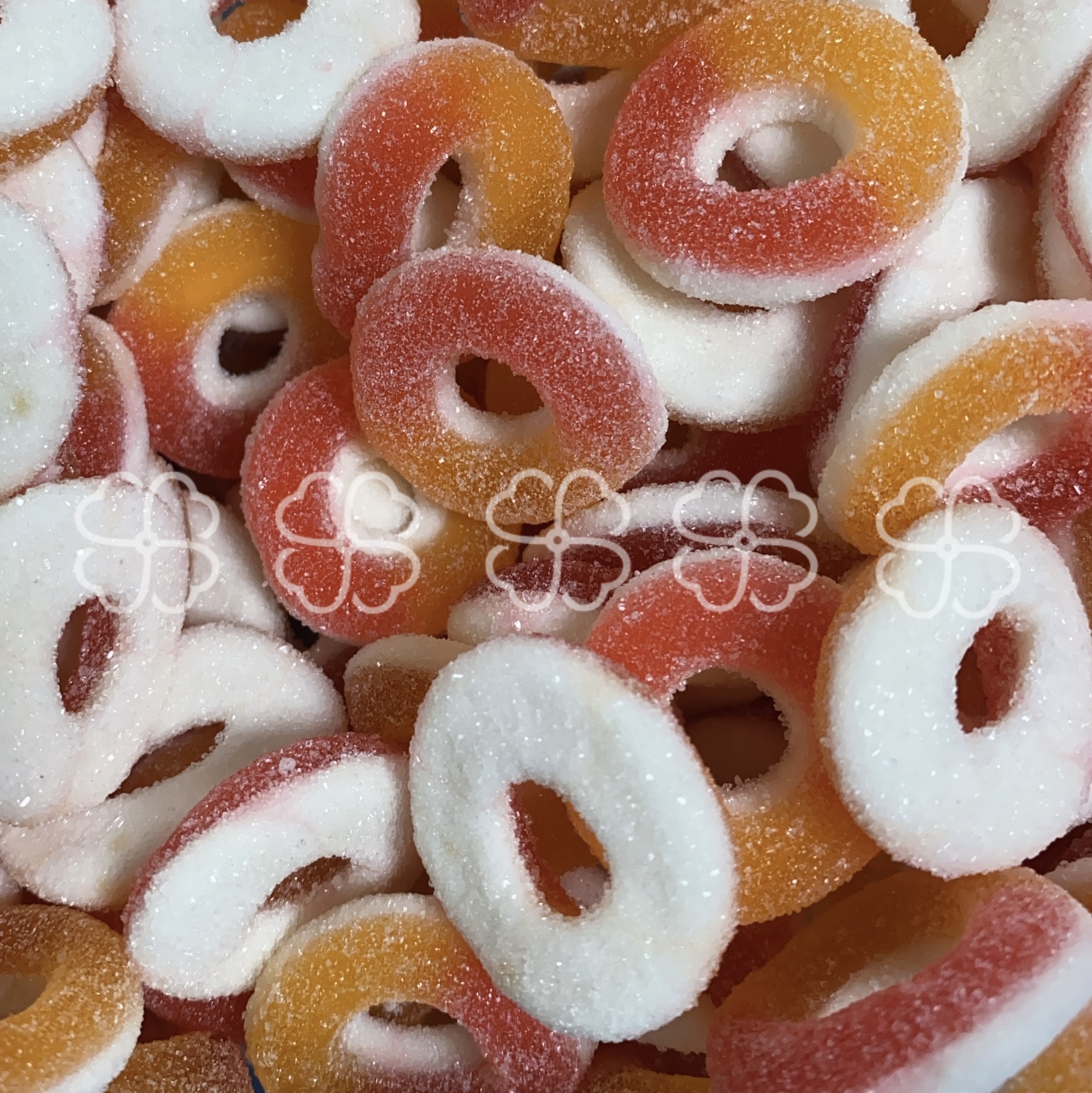
Donut Gummy
-
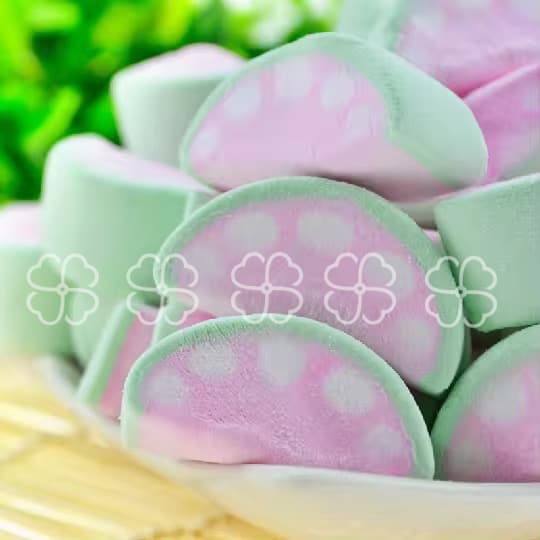
Watermelon Marshmallow: A Slice of Summer in Every Bite
-
800g Boxes Passion Fruit Flavored Peelable Gummy
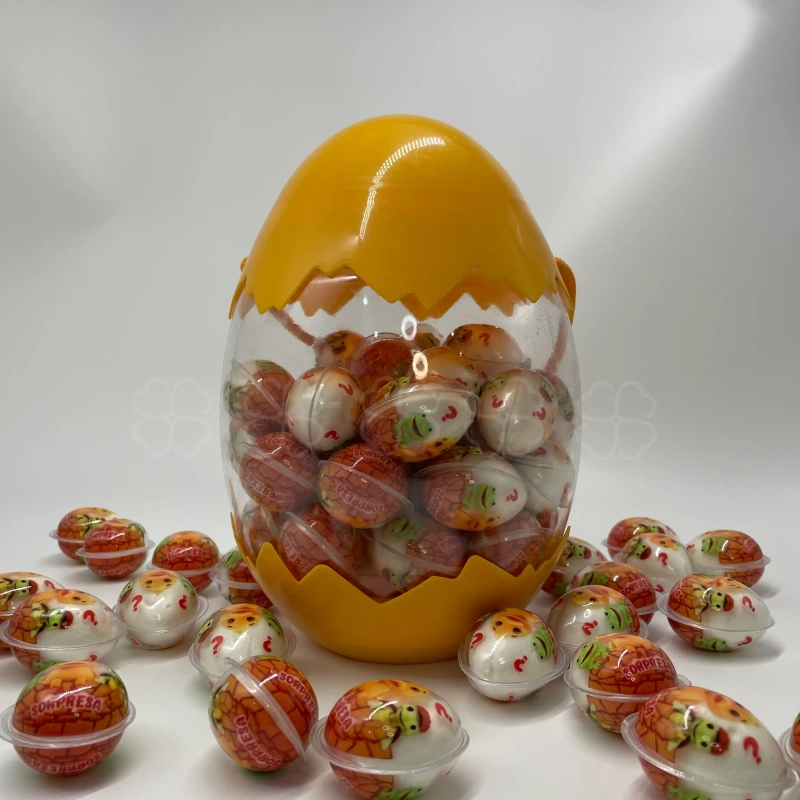
EYEBALL SURPRISE ANIMAL
Discover EYEBALL SURPRISE ANIMAL, an Easter candy concept with playful egg packaging, hidden animal gummies and a fun reveal for retail, OEM and seasonal promotions.
Description
Tags
EYEBALL SURPRISE ANIMAL: A Surprise Animal Hidden Inside
What is inside?
That simple question is the heart of EYEBALL SURPRISE ANIMAL.
Instead of presenting candy as an ordinary bag of gummies, this concept turns the package into part of the product experience. The outside can be designed as a playful mystery egg, colorful capsule, pop-style surprise container, Easter-themed paper box, or collectible gift package. Once opened, consumers discover a hidden animal-shaped gummy inside.
The animal is not revealed immediately.
That creates a small moment of suspense: Choose → Open → Discover → Reveal → Taste → Collect.
Inside, the surprise can include different animal gummy shapes such as bunnies, chicks, bears, ducks, frogs, cats, dinosaurs, lambs, or other playful characters. Different shapes can be mixed into one series, allowing consumers to wonder which animal they will receive before opening the package.
For Easter, the concept can be developed with pastel colors, decorated eggs, bunny illustrations, baby chicks, spring flowers, carrots, ribbons, grass patterns and collectible animal characters.
The result is more than a seasonal candy product. It becomes a mini discovery experience designed around curiosity, surprise and collectability.
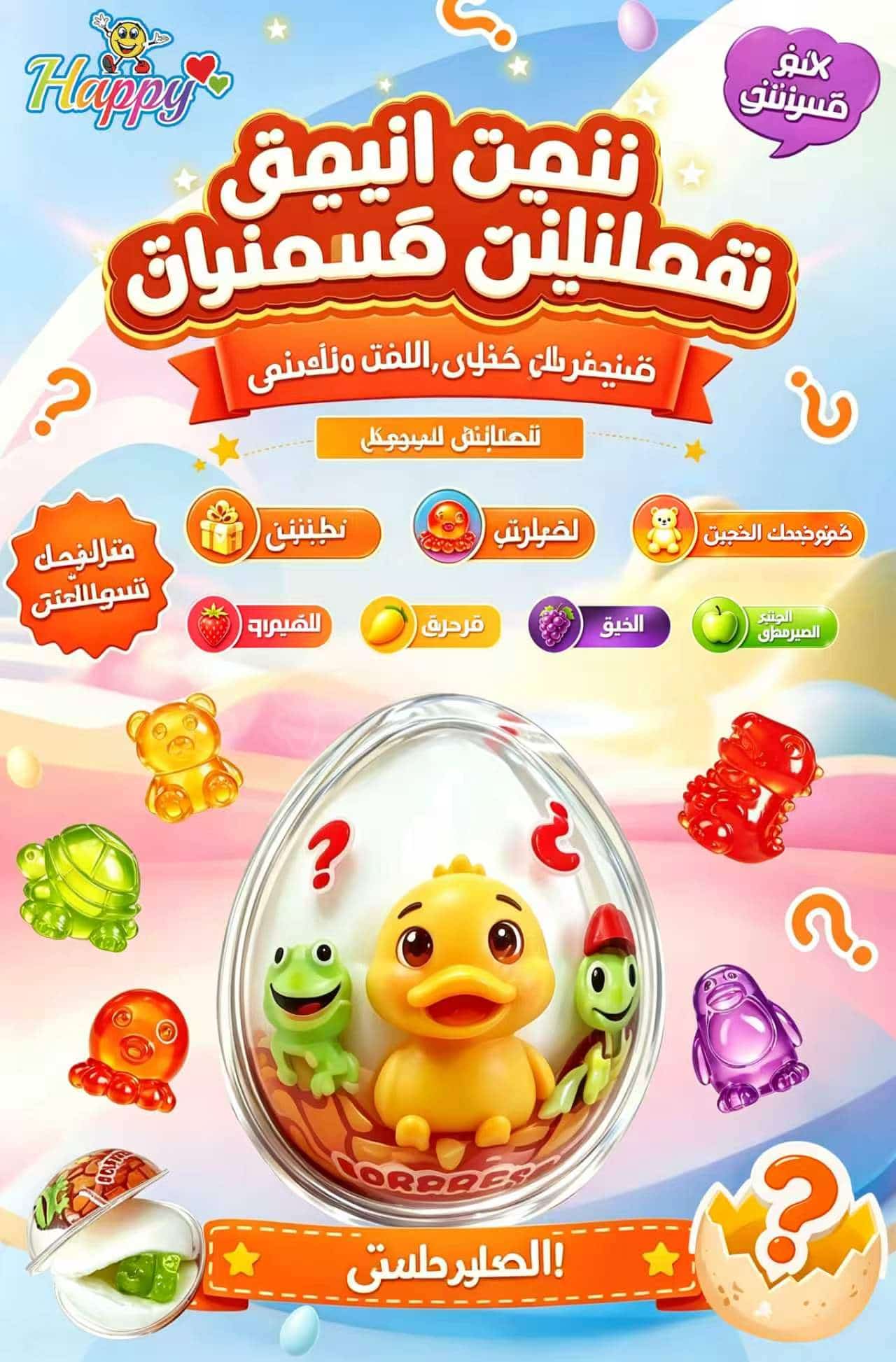
Premium Eyeball Surprise Animal
Product Concept: Candy Meets the Mystery Egg Experience
The strongest feature of this product is that the surprise is created before the candy is even eaten.
Traditional gummies normally communicate their shape and flavor directly through the package. This concept takes a different approach: the package hides the final animal shape.
A consumer may see a colorful Easter egg, mystery capsule or playful gift box, but the actual animal inside remains unknown until the package is opened.
This creates three layers of product appeal:
| Layer | Consumer Experience |
|---|---|
| Outer Package | Curiosity and Easter visual appeal |
| Opening Moment | Mystery and anticipation |
| Hidden Candy | Animal discovery and tasting experience |
For retailers, this creates an attractive product story because the product can be understood immediately from a shelf display without requiring a complicated explanation.
For candy brands, it also creates more opportunities for character development, seasonal collections, Easter gift sets and collectible animal series.
A New Easter Candy Format: The Package Is Part of the Fun
Rather than limiting the product to one package structure, the concept can be developed into several packaging formats.
Easter Surprise Egg Container
The most natural option is a plastic egg-shaped container.
The outer shell can feature:
- Pastel pink, yellow, blue, purple and green tones
- Cute bunny illustrations
- Baby chick characters
- Spring flower patterns
- Decorative Easter egg graphics
- Polka dots and playful patterns
- Carrot illustrations
- Ribbons and bows
- Question marks and mystery graphics
The container can be transparent, semi-transparent or printed depending on the desired level of mystery.
A transparent design can allow the consumer to see hints of the candy without revealing the exact animal.
A more opaque design creates a stronger mystery-box effect.
Colorful Egg Capsule
A plastic capsule can provide a familiar opening experience while giving the product a distinctive Easter appearance.
The capsule can be:
- Split into two halves
- Designed with Easter patterns
- Printed with bunny or chick faces
- Developed in multiple collectible colors
- Filled with one or multiple animal gummies
Each color can represent a different Easter collection or simply create a colorful shelf display.
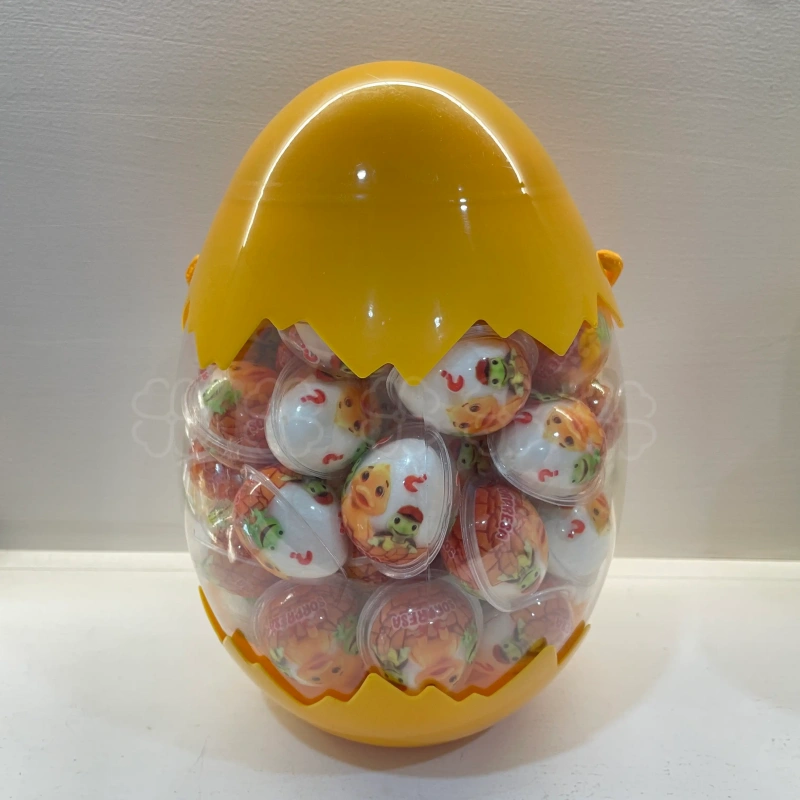
EYEBALL SURPRISE ANIMAL
Pop-and-Reveal Packaging
A more interactive concept can use a perforated paper or cardboard package.
Instead of simply opening the package, consumers can press, tear, pull or push a designated area to reveal the hidden animal.
This creates a small interactive action before tasting, making the product suitable for Easter egg hunts, party favors, gift baskets and social content.
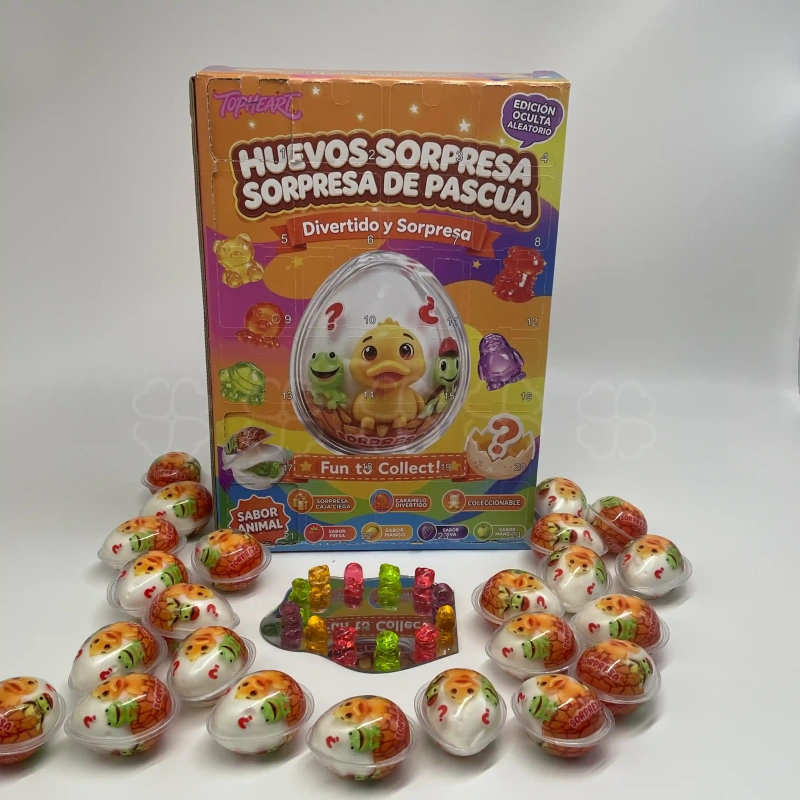
Easter Surprise Eggs Scratch-off Gummies
Easter Paper Box
For brands looking for a more economical or scalable packaging structure, a paper box can deliver the same mystery concept.
The box can feature:
- Easter illustrations
- Bunny and chick characters
- Animal silhouettes
- “Who Is Inside?” style visual storytelling
- Mystery windows
- Tear-open panels
- Collectible character artwork
- Numbered animal series
- Spring-themed graphics
The product can therefore be adapted to different retail price points without changing the basic surprise concept.
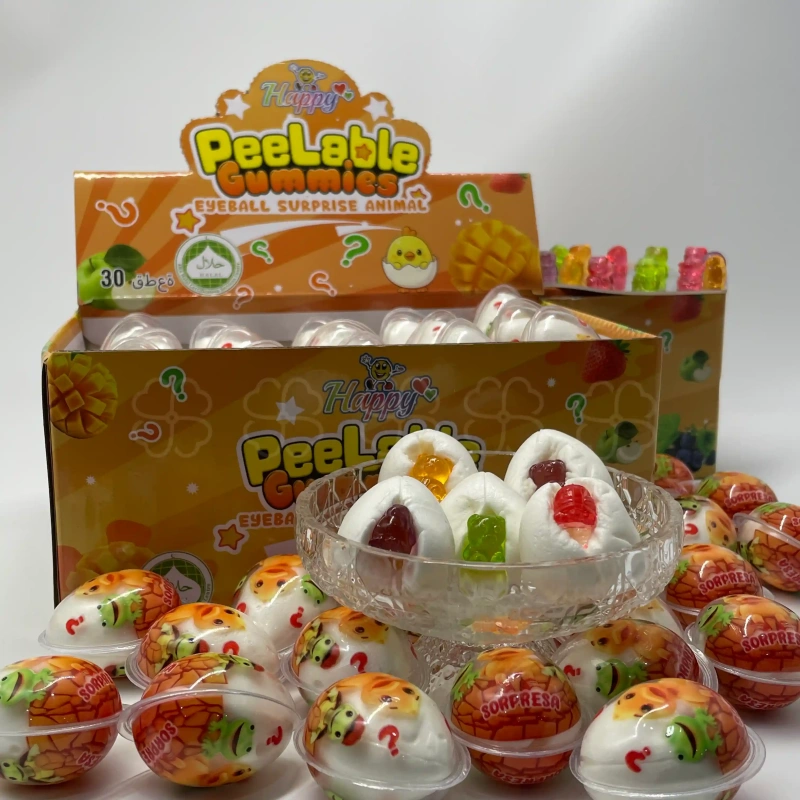
Peeling Gummies EYEBALL SURPRISE ANIMAL
The Hidden Animal Collection
The animal inside is where the product becomes collectible.
Instead of using only one gummy shape, brands can create a collection of different animal characters.
Possible animal directions include:
| Animal Direction | Visual Character |
|---|---|
| Bunny | Classic Easter character with strong seasonal recognition |
| Chick | Bright, cute and highly suitable for Easter |
| Duck | Cheerful and family-friendly |
| Lamb | Soft, gentle and spring-oriented |
| Bear | Cute and recognizable |
| Frog | Bright, playful and expressive |
| Cat | Suitable for character collections |
| Dinosaur | Strong novelty appeal |
| Rabbit | Friendly and suitable for pastel designs |
| Spring Animal | Flexible seasonal character direction |
The exact animal assortment can be customized according to the product positioning.
A particularly interesting approach is to create common animals + rare animals.
For example:
- 5 regular animal designs
- 2 special animal designs
- 1 rare character
- 1 Easter-exclusive character
Consumers then have a reason to open more than one package.
This turns the product from a single-serving candy into a small collectible Easter series.
From “What Candy Is This?” to “Which Animal Did I Get?”
The product experience can be designed around a simple question:
Which animal is inside?
That question can appear throughout the packaging.
For example, the front of the package can show several animal silhouettes surrounded by question marks, while the actual animal remains hidden.
After opening, the consumer discovers the specific shape.
This approach allows the same candy formula to support multiple visual identities without requiring a completely different product for every package design.
The brand can also introduce:
- Series 01: Cute Easter Animals
- Series 02: Bunny & Chick Collection
- Series 03: Spring Animal Collection
- Series 04: Colorful Egg Collection
- Series 05: Easter Garden Animals
This creates a practical foundation for future product extensions.
Easter Visual Direction: Cute, Colorful or Premium
Easter offers a broad visual language beyond traditional decorated eggs.
Cute Easter
Use smiling bunnies, fluffy chicks, colorful eggs, carrots and adorable animal characters.
This direction is suitable for family-oriented retailers and children’s seasonal candy collections.
Colorful Spring Easter
Use pastel backgrounds, flowers, butterflies, grass, ribbons and colorful decorated eggs.
This direction creates a bright seasonal shelf presence.
Playful Easter
Use exaggerated animal expressions, oversized eyes, funny bunny poses and colorful mystery graphics.
This can make the product particularly suitable for social-media-friendly packaging.
Premium Easter
A more sophisticated direction can use metallic printing, embossed egg patterns, matte packaging, elegant ribbons and collectible character artwork.
This gives the same surprise concept a more gift-oriented presentation suitable for Easter baskets and seasonal gifting.
The Reveal Sequence
A major advantage of the concept is its natural storytelling sequence.
1. Choose
The consumer selects one mystery egg or surprise package.
2. Guess
The outside design gives clues but does not reveal the exact animal.
3. Open
The consumer opens the egg, capsule or paper box.
4. Discover
A hidden animal-shaped gummy appears.
5. Taste
The consumer experiences the gummy texture and flavor.
6. Collect
The consumer can compare the animal with previous discoveries.
This sequence makes the product naturally suited to Easter egg hunts, family activities, short videos and seasonal gift experiences because the reveal becomes the key visual moment.
Animal Gummies Inside: Shape Is the Surprise
The hidden gummies can be designed with recognizable silhouettes rather than relying entirely on printed graphics.
A bunny can feature long ears and a rounded body.
A chick can use a compact body and recognizable beak.
A duck can have a rounded shape and bill.
A lamb can feature a soft, rounded silhouette.
A dinosaur can use a recognizable back profile.
The objective is simple: the animal should still be recognizable when removed from the package.
This makes the reveal more satisfying because the consumer is not simply discovering another piece of generic gummy candy.
The shape itself becomes part of the reward.
Flavor Strategy
The hidden animal does not necessarily have to determine the flavor.
This creates several product development options.
One Flavor, Multiple Animals
All animals can use one familiar fruit flavor.
This keeps production and inventory relatively straightforward while making the animal shape the main point of differentiation.
Mixed Fruit Flavors
Different animal shapes can correspond to different flavors.
For example:
| Animal | Possible Flavor Direction |
|---|---|
| Bunny | Strawberry |
| Chick | Lemon |
| Duck | Peach |
| Lamb | Vanilla or Peach |
| Frog | Green Apple |
| Bear | Grape |
This makes the discovery even more interesting because consumers may discover both which animal and which flavor they received.
Mixed Animal + Mixed Flavor
For a more playful collection, both animal shape and flavor can vary.
This creates a two-layer discovery:
Which animal? Which flavor?
That can become the central storytelling mechanism for a larger Easter candy collection.
Texture and Candy Experience
The hidden animal gummies can be developed around a soft, chewy gummy texture suitable for novelty candy applications.
Depending on the product positioning, the candy center can be developed as:
- Soft fruit gummy
- Chewy fruit gummy
- Sour gummy
- Sweet fruit gummy
- Two-color gummy
- Multi-flavor gummy
- Filled gummy
- Layered gummy
For Easter, contrasting pastel and bright colors can make the animal shapes more visually noticeable.
Possible color directions include pink, yellow, blue, purple, green, orange and mixed pastel colors.
The exact formula, texture and flavor profile can be adjusted according to the target market and product specification.
Packaging Architecture for Different Retail Channels
One of the strongest commercial advantages of the concept is packaging flexibility.
Single Mystery Egg
A single egg, capsule or paper package can work as an impulse product.
This is suitable for:
- Candy counters
- Checkout areas
- Convenience stores
- Novelty shops
- Easter displays
- Seasonal gift areas
Multi-Pack
Several mystery eggs can be packaged together as a collection.
This encourages consumers to discover multiple animals.
Easter Mystery Box
Several individually packed surprises can be placed inside a larger Easter box.
The outer box can communicate the complete collection while each inner unit maintains the mystery.
Easter Gift Collection
A larger decorative package can combine multiple animal surprises into an Easter-themed gift assortment.
This creates a higher-value presentation suitable for Easter baskets, seasonal gifting and family celebrations.
Easter Egg Hunt Display Concept
The retail display can become part of the product story.
Instead of displaying the products as ordinary candy packages, a retailer can create a miniature mystery Easter egg hunt display.
A header card can feature:
WHO IS HIDING INSIDE?
Surrounding graphics can show:
- Bunny silhouettes
- Baby chicks
- Colorful eggs
- Carrots
- Spring flowers
- Butterflies
- Grass patterns
- Question marks
- Collectible animal characters
The actual packages can be arranged by color, animal series or Easter collection.
This creates a visually engaging seasonal display without requiring every animal to be revealed.
OEM & Private Label Development
The concept is especially suitable for OEM and private-label Easter candy projects because the packaging format can change without changing the fundamental product story.
A brand can customize:
- Outer package shape
- Package material
- Character artwork
- Animal assortment
- Gummy shapes
- Flavors
- Colors
- Sour or sweet profile
- Weight
- Individual packaging
- Multi-pack configuration
- Seasonal graphics
- Retail display design
For an Easter launch, a brand can also create a limited-edition animal collection that is available only during the seasonal sales period.
This gives the product a clear Easter identity while leaving room for future editions.
Three Product Lines From One Core Concept
A useful way to build the range is to create three packaging tiers.
Everyday Surprise Version
Use a simple paper box or printed package with one hidden animal gummy.
This keeps the concept accessible for novelty candy and seasonal retail.
Easter Special Edition
Use an egg-shaped container or colorful capsule with stronger seasonal graphics.
The animal collection can include Easter-exclusive bunny, chick and lamb characters.
Premium Collector Edition
Use a larger decorative box containing multiple individually packed surprises.
Add numbered characters, rare animals or limited-edition designs to create a collection-oriented Easter gift.
This allows one product concept to serve different price levels and retail channels.
Why This Concept Works for Seasonal Easter Candy
Easter candy often competes through color, character design, decorated eggs, gifting and seasonal excitement.
This concept adds another layer: the consumer does not know exactly what they will discover before opening the package.
That makes the product suitable for:
- Easter candy aisles
- Novelty candy stores
- Easter egg hunts
- Party favors
- Easter baskets
- Seasonal gift boxes
- Family activities
- Promotional campaigns
- Social-media content
- Limited-edition retail launches
The concept can also be adapted after Easter by changing the artwork and animal collection while keeping the basic discovery mechanism.
Product Specifications
| Item | Description |
|---|---|
| Product Concept | Mystery animal gummy candy |
| Core Keyword | EYEBALL SURPRISE ANIMAL |
| Seasonal Direction | Easter |
| Candy Shape | Multiple animal shapes |
| Outer Format | Egg, capsule, paper box or customized format |
| Flavor | Customized fruit flavors |
| Texture | Soft and chewy gummy texture |
| Animal Selection | Customized assortment |
| Color | Customized |
| Packaging | Individual, multi-pack or gift box |
| OEM | Available |
| Private Label | Available |
| Target Channels | Retail, novelty stores, Easter candy, gifting and promotions |
Quality and Product Development Considerations
For B2B buyers, the visual concept is only one part of a successful seasonal launch.
The relationship between the container and the gummy should be considered carefully.
The animal should fit comfortably inside the selected package.
The opening mechanism should be intuitive.
The gummy should maintain its intended shape during packing, transportation and storage.
The package should provide enough protection for the selected candy format.
For multi-animal collections, production planning should also consider the balance of different animal shapes and flavors.
These details help ensure that the final product delivers the same experience promised by the front-of-pack design.
A Product Designed for the “Reveal” Moment
The most important idea behind this product is not simply the Easter theme.
It is the reveal moment.
The consumer sees the mysterious package.
They wonder what is inside.
They open it.
An unexpected animal appears.
Then they taste it.
That sequence gives the candy a beginning, middle and end.
For brands, this means the product has a story that can be communicated through packaging, retail displays, promotional photography and short-form video.
Instead of asking consumers only to buy candy, the product gives them a reason to open something and discover something.
FAQ
1. What is EYEBALL SURPRISE ANIMAL?
EYEBALL SURPRISE ANIMAL is an Easter-oriented surprise candy concept featuring a playful mystery package and hidden animal-shaped gummies. The packaging can be developed as an egg, capsule, paper box or other customized format.
2. What animals can be included inside the product?
The animal assortment can be customized. Possible directions include bunnies, chicks, ducks, lambs, bears, frogs, cats, dinosaurs and other playful characters. Brands can also create common and rare animal designs for collectible Easter collections.
3. Can the product use different gummy flavors?
Yes. The gummy assortment can be developed with one flavor, multiple fruit flavors or different flavors corresponding to different animal shapes. Flavor, color and texture can be customized according to the product concept.
4. Can the packaging be customized for Easter?
Yes. Easter packaging can be developed in several formats, including egg-shaped containers, plastic capsules, mystery boxes and printed paper packaging. Artwork, colors, characters, graphics and display concepts can also be customized.
5. Is this product suitable for OEM and private label projects?
Yes. The concept can be adapted for OEM and private-label projects through customized gummy shapes, flavors, colors, packaging formats, animal collections, weights and seasonal artwork. This makes it suitable for retailers, distributors, candy brands and Easter promotions.
Build a Surprise Animal Collection for Easter
A successful seasonal candy product does not always need a complicated mechanism.
Sometimes, one simple question is enough:
What is inside?
EYEBALL SURPRISE ANIMAL combines a mysterious outer package, recognizable animal-shaped gummies and a playful reveal experience into one flexible Easter candy concept.
From a single mystery egg to a collectible multi-animal gift box, the concept can be developed around different retail channels, price points and brand identities.
The result is a candy product designed not only to be eaten, but also to be opened, discovered, shared and collected.
CONTACT US
Related Products
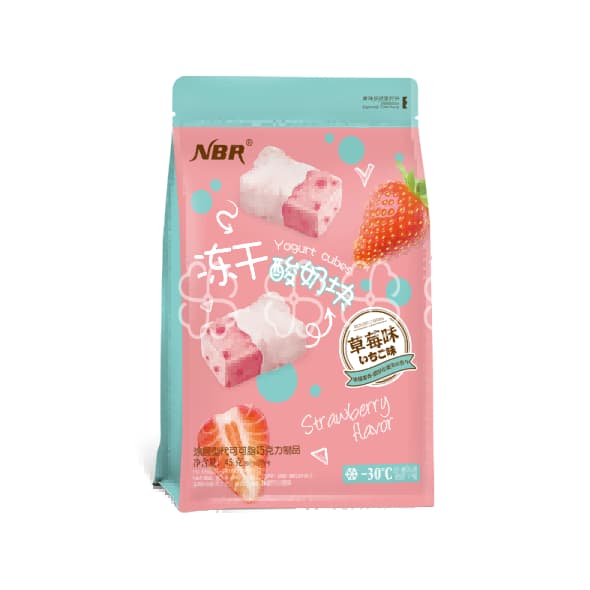
45g Frozen Yogurt Bar Strawberry Flavor
Experience the perfect combination of creamy yogurt and sweet, juicy strawberries with our 45g Frozen Yogurt Bar (Strawberry Flavor). This frozen treat delivers a smooth, refreshing taste with the natural tang of yogurt blended seamlessly with the vibrant flavor of ripe strawberries. It’s an ideal snack for those seeking a delicious yet healthy indulgence.
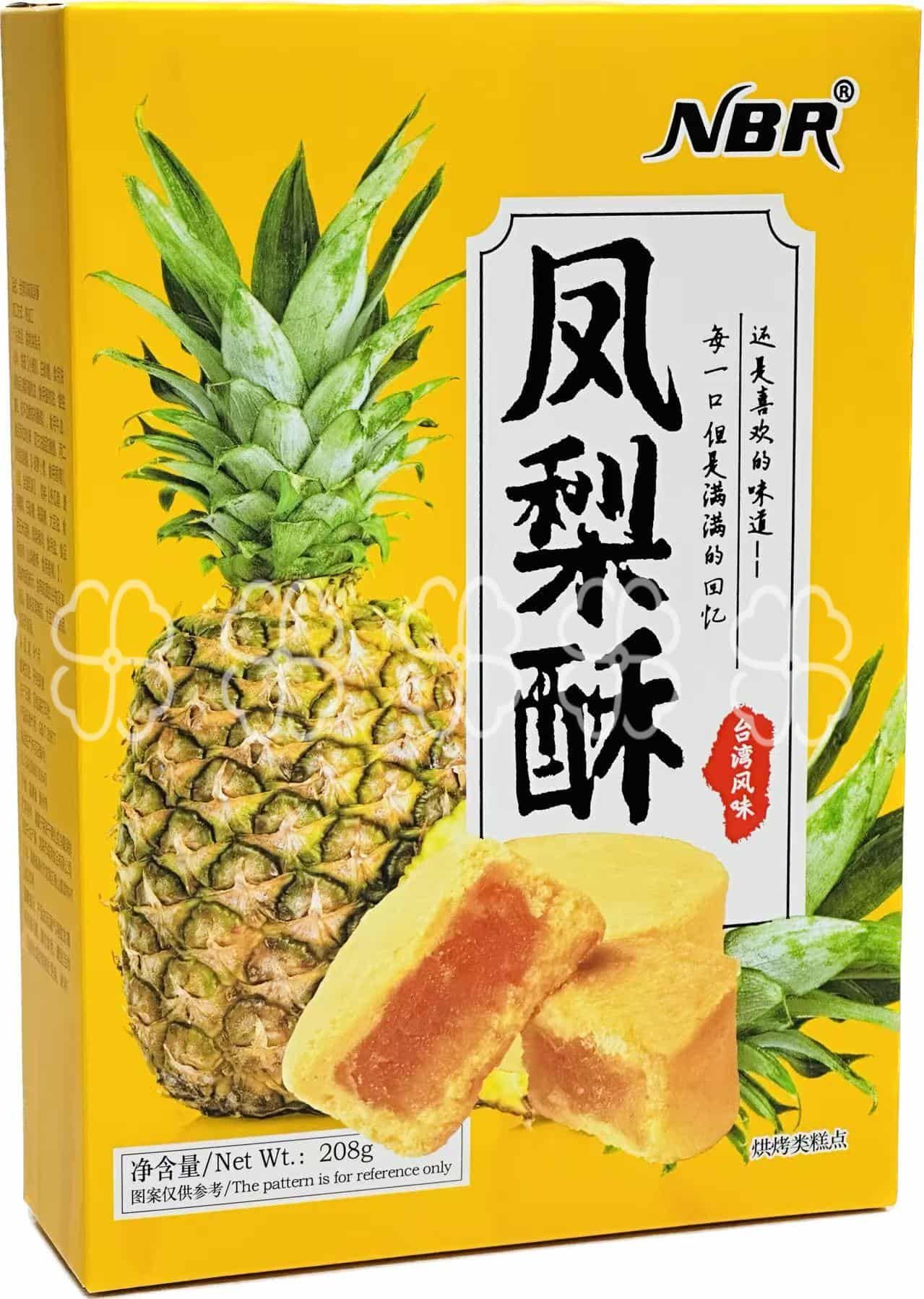
Pineapple Pastry 208g
Delight in the rich tradition and irresistible flavor of the Pineapple Pastry (208g) — a classic treat that brings together soft, buttery pastry and a sweet, tangy pineapple filling. Each square-shaped piece is carefully baked to a golden finish, offering a delicate crumb that melts in your mouth, revealing a juicy, fragrant pineapple center that’s both refreshing and satisfying.
468g Fudge (Orange Flavor)
Experience the delightful taste of our 468g Fudge (Orange Flavor), a premium confectionery treat that perfectly combines the creamy richness of traditional fudge with the refreshing zest of natural orange. Each piece is carefully crafted using high-quality ingredients to deliver a smooth, velvety texture and a vibrant citrus flavor that awakens your senses.
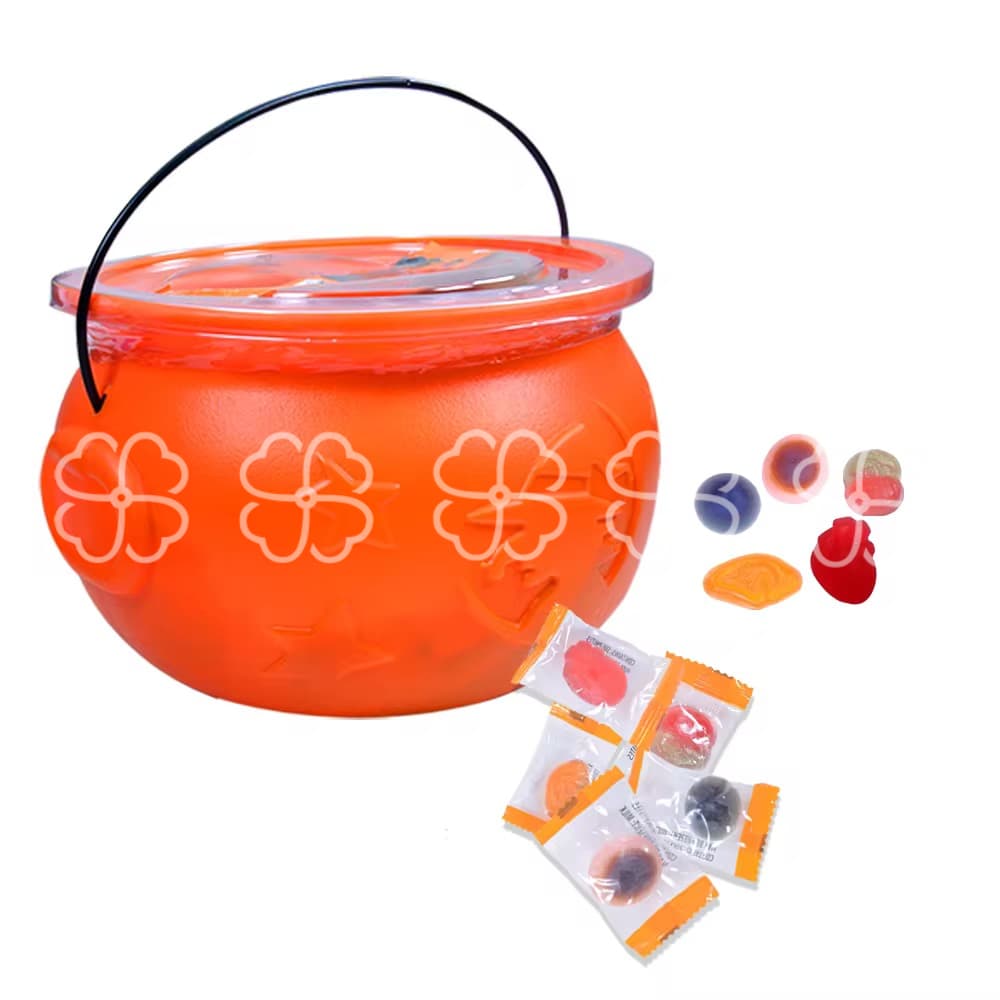
Halloween Pumpkin Jar Individually Wrapped Gummy Candy
When the spooks of Halloween come knocking, why stick to the ordinary? Treat your little monsters, goblins, and ghosts to a delight that combines the cute charm of pumpkins with the scrumptiousness of gummy candy. Our Halloween Pumpkin Jar Individually Wrapped Gummy Candy is the perfect addition to your Halloween festivities. Imagine a jar brimming with adorably shaped gummy pumpkins—each one a burst of flavor that’s as fun to eat as it is to behold.

Fruit-flavored marshmallows
Our Fruit-flavored marshmallows are fluffy, melt-in-mouth treats with authentic fruit tastes. Made with cold-pressed fruit juice (strawberry/mango/blueberry/peach/citrus) and food-grade ingredients, no artificial additives. FDA/ISO22000/Halal certified, safe for all ages. Each 3cm×3cm piece boasts natural hues and non-cloying sweetness. Packaged as 150pcs/box, ideal for candy stores, parties, and family snacks. Wholesale available with MOQ 4 cartons, tiered discounts, and fast shipping. Boost your confectionery sales with this crowd-pleasing snack.
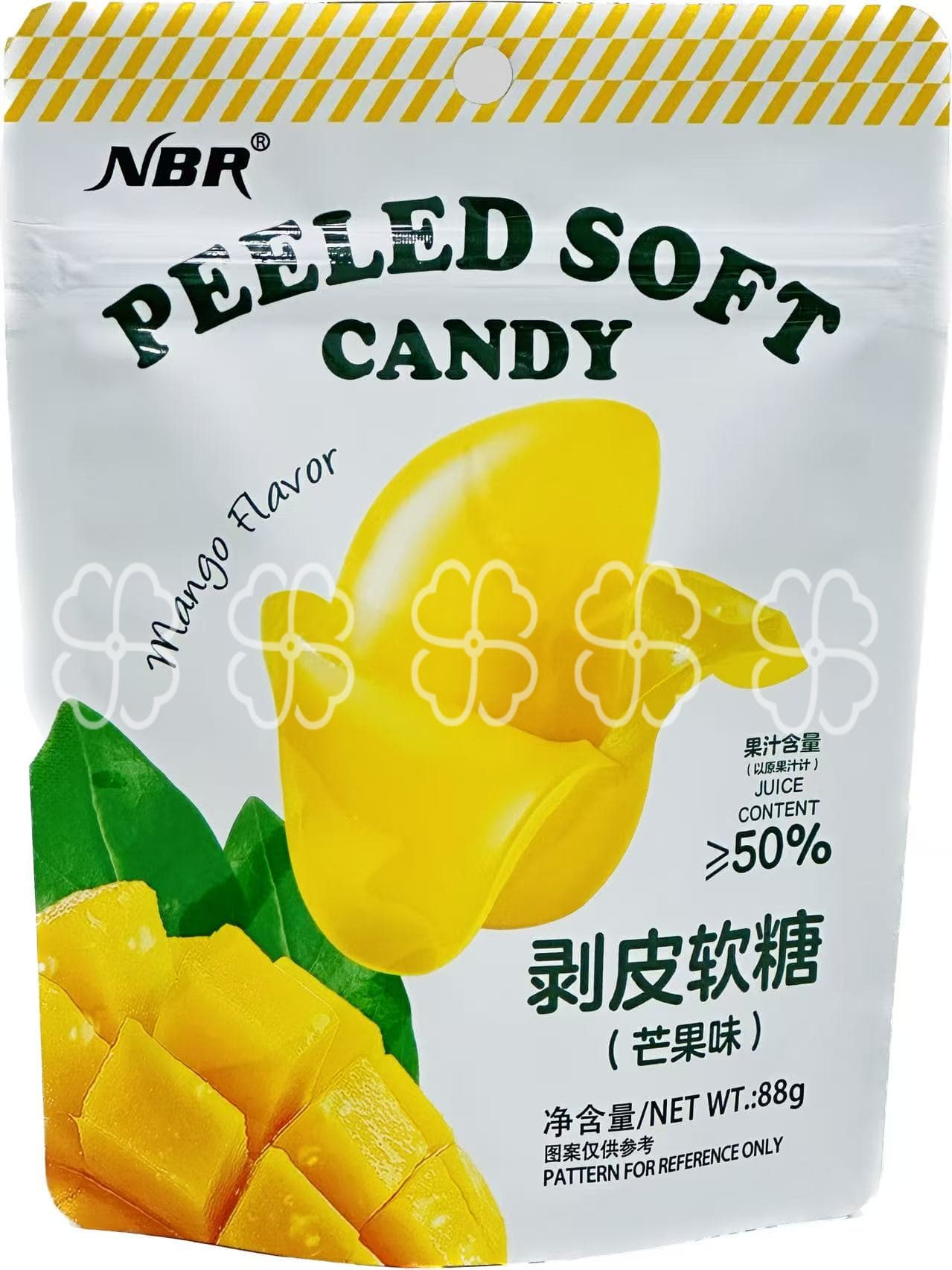
88g Peeled Soft Candy Mango Flavor
Savor the golden, sun-kissed taste of mango with our 88g Peeled Soft Candy (Mango Flavor). This fun and flavorful candy is crafted with a delicate peelable outer layer and a soft, juicy core that captures the essence of ripe mangoes. Each piece offers a chewy, melt-in-the-mouth experience, making it a tropical treat that’s both playful and satisfying.
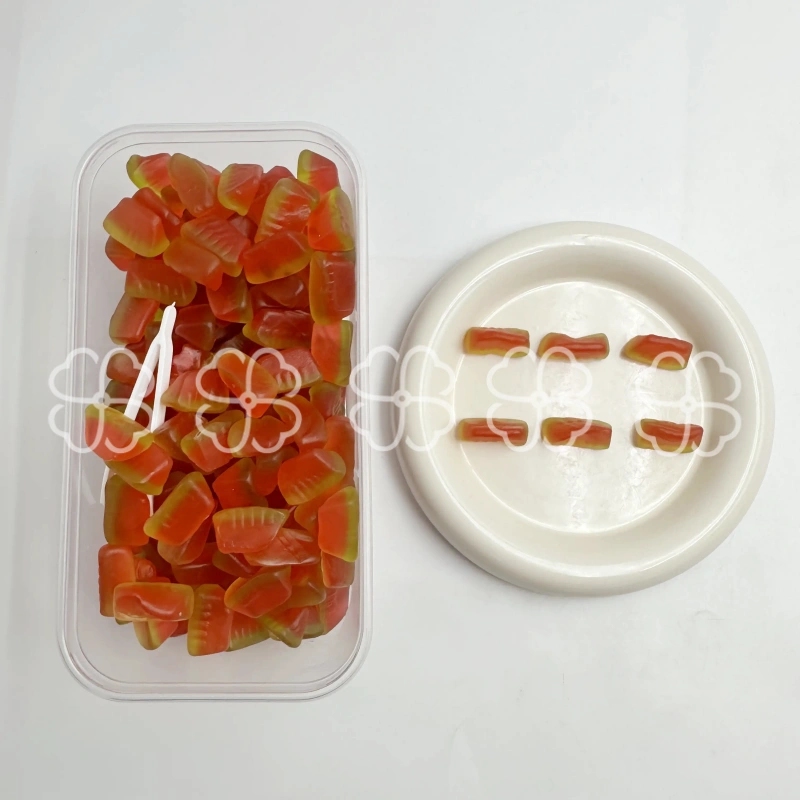
800g Boxes Watermelon Flavored Peelable Gummy
Discover 800g boxes Watermelon Flavored Peelable Gummy with refreshing watermelon taste and layered peelable texture. Soft, chewy, and packed in box format for better protection and display. Perfect for sharing and casual snacking.
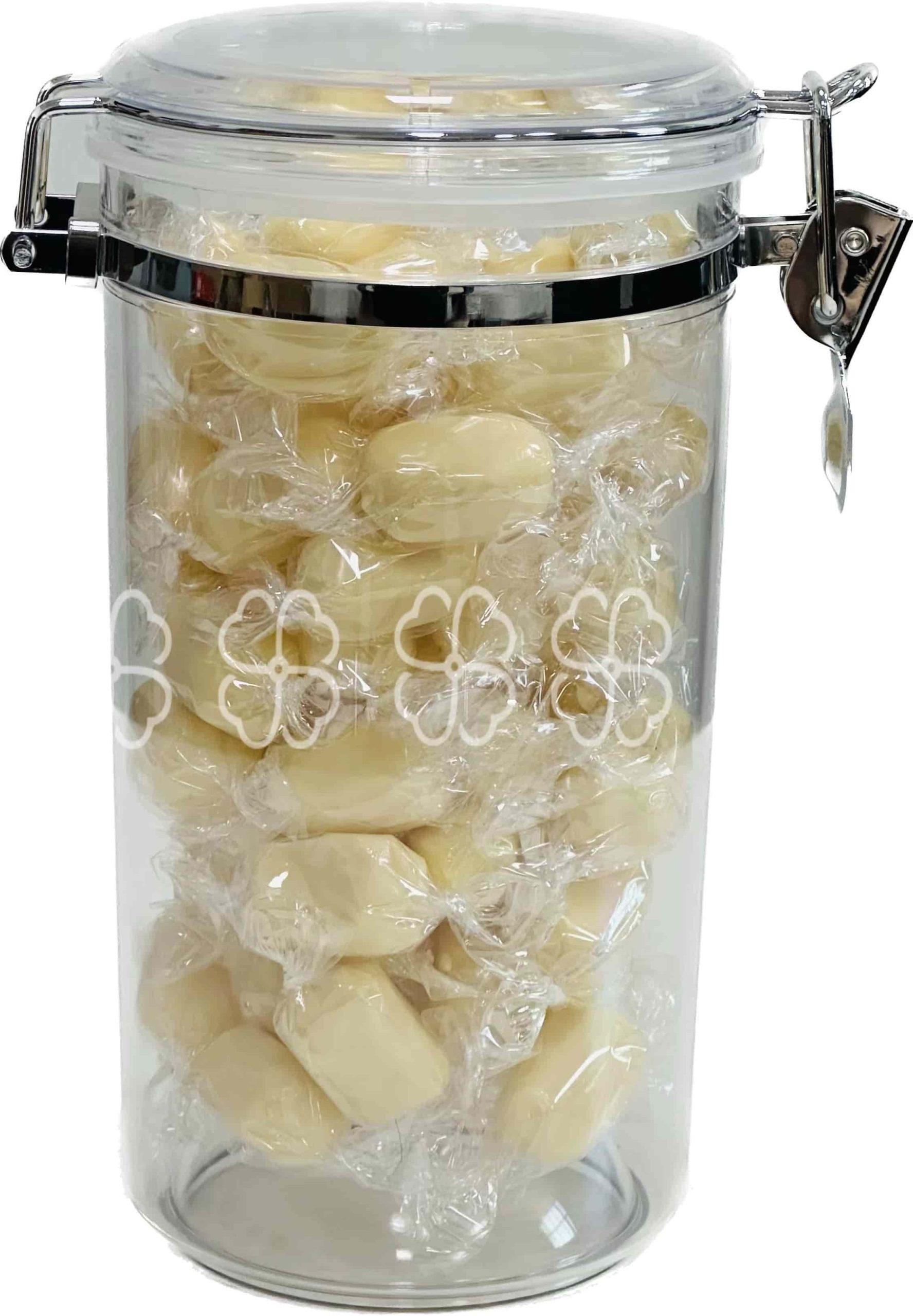
Bulk Coconut Cream Candy
Indulge in the rich and tropical flavor of our Bulk Coconut Cream Candy. This chewy candy captures the essence of fresh coconut cream, delivering a smooth, creamy texture combined with a delightful sweetness that transports you straight to a tropical paradise. Perfect for coconut lovers and anyone seeking a unique, luscious treat.
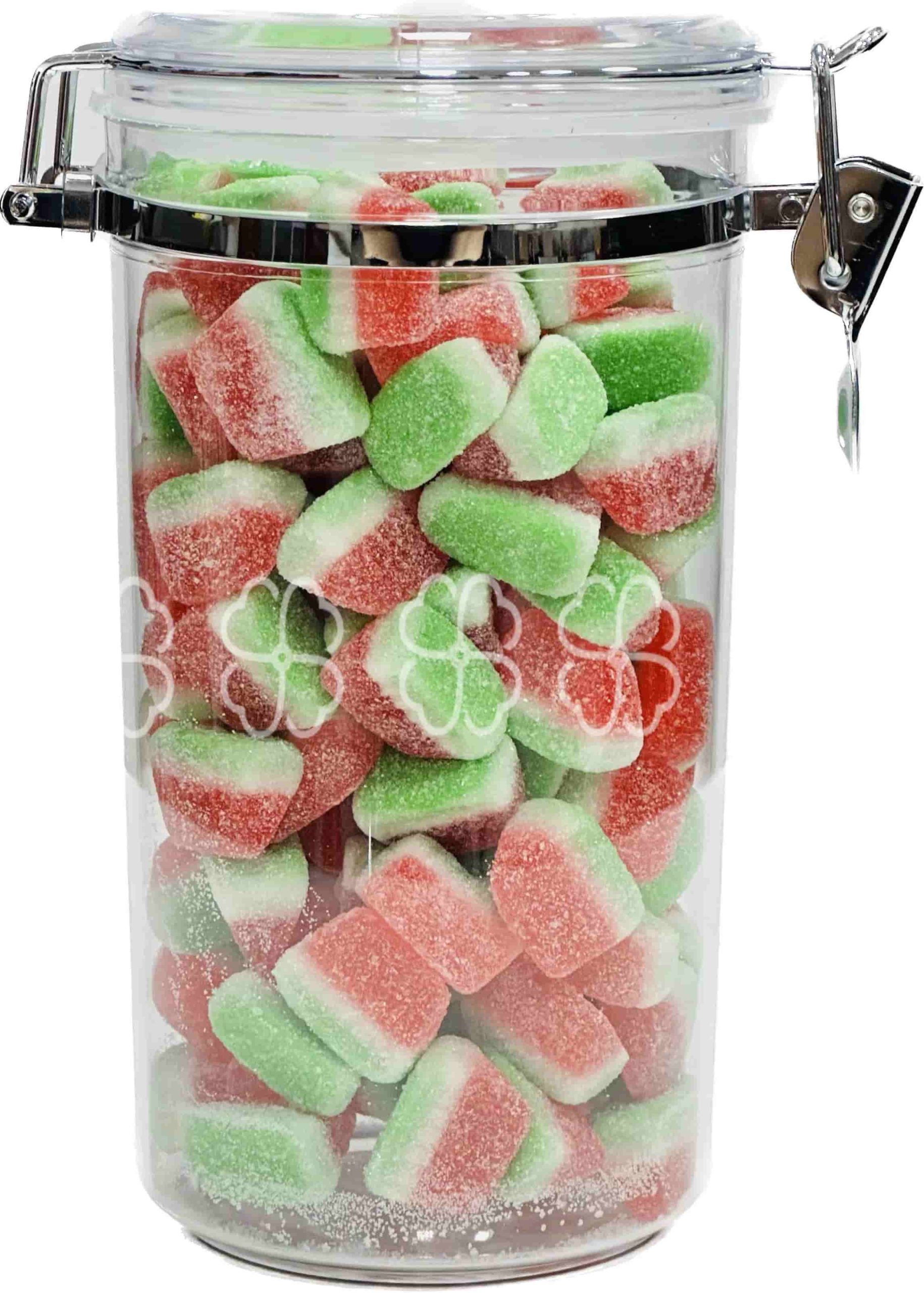
Bulk Fudge Watermelon-Shaped
Enjoy the juicy sweetness of summer all year round with our Bulk Fudge (Watermelon-Shaped). This soft, chewy fudge candy features a playful watermelon slice shape combined with a deliciously fruity flavor that captures the refreshing essence of watermelon. Perfect for kids and adults alike, it brings both fun and flavor to your candy assortment.
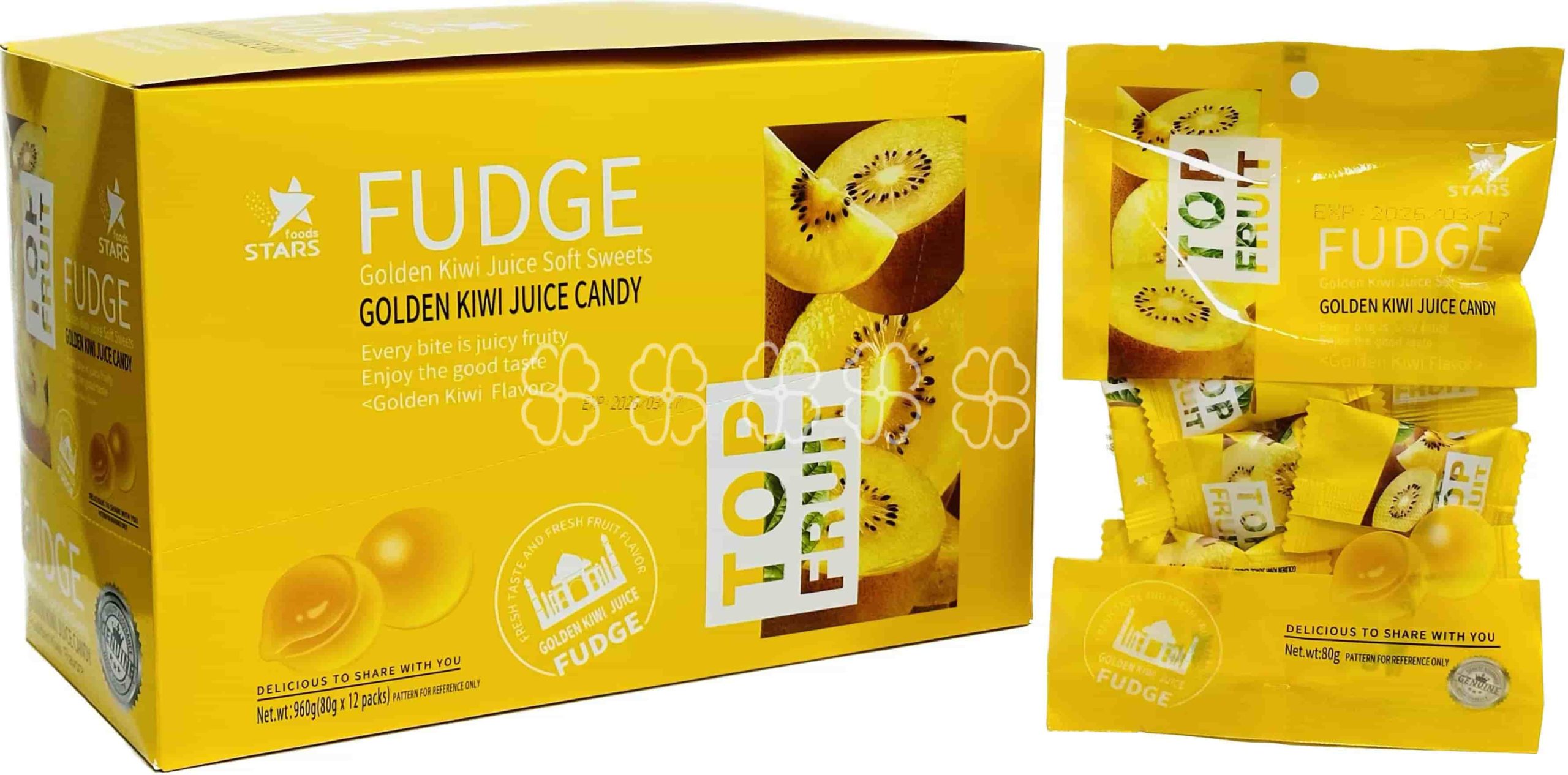
960g Juice Fudge Kiwi Fruit Flavor (80g x 12 Packs)
Experience the perfect blend of creamy fudge and the vibrant, tangy taste of kiwi fruit with our 960g Juice Fudge (Kiwi Fruit Flavor), conveniently packaged as twelve 80g individual packs. Each bite delivers a smooth, melt-in-your-mouth texture combined with the bright, refreshing flavor of ripe kiwi, making it a delightful treat for candy lovers of all ages.
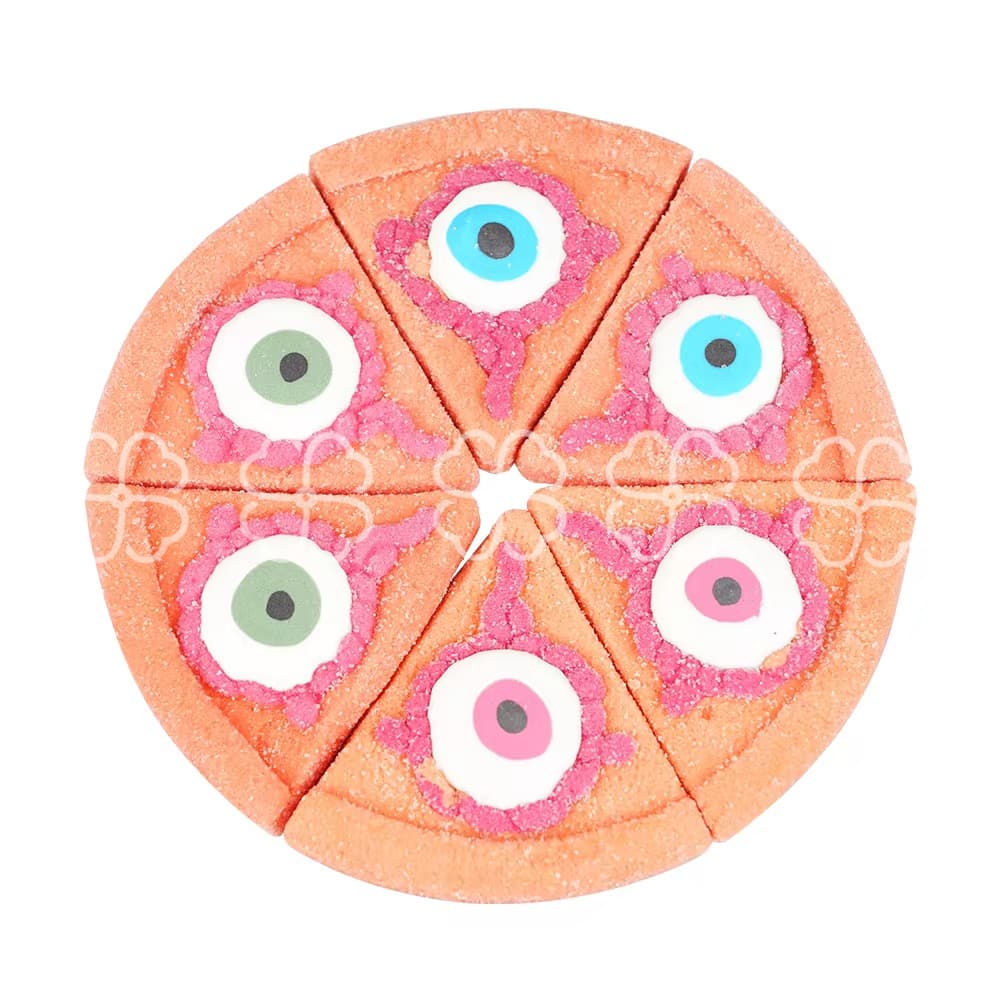
Halloween Eye Pizza Marshmallows: Spooktacular Treats for Every Party!
Are you ready to bring an eerie yet delightful twist to your Halloween festivities? Look no further than our Halloween Eye Pizza Marshmallows. These aren’t just ordinary marshmallows; they’re a clever blend of tradition and innovation that will transform any Halloween party into a spooktacular event. Imagine a pizza, but instead of pepperoni or cheese, it’s topped with marshmallows shaped like eerie eyes.
120 g Hand-Shredded Meat in Strips – Salted Flavor, Pure Ocean-Breeze Savory
Picture the salt-laden breeze that sweeps across Fujian’s rugged coastline, carrying the scent of sun-dried fish and slow-cured meats into every fishing village. We’ve captured that elemental savor in our 120 g Hand-Shredded Meat in Strips. Premium hind-leg pork, raised on small farms nestled between Fujian’s misty hills and the East China Sea, is gently simmered in a clear brine of sea salt, white pepper, and just a touch of ginger until it reaches perfect tenderness.
Peelable Gummy (Cola Flavoured)
Discover Peelable Gummy Cola Flavoured soft candy with classic cola taste, a fun peelable layer, and a soft chewy center for a unique candy experience.
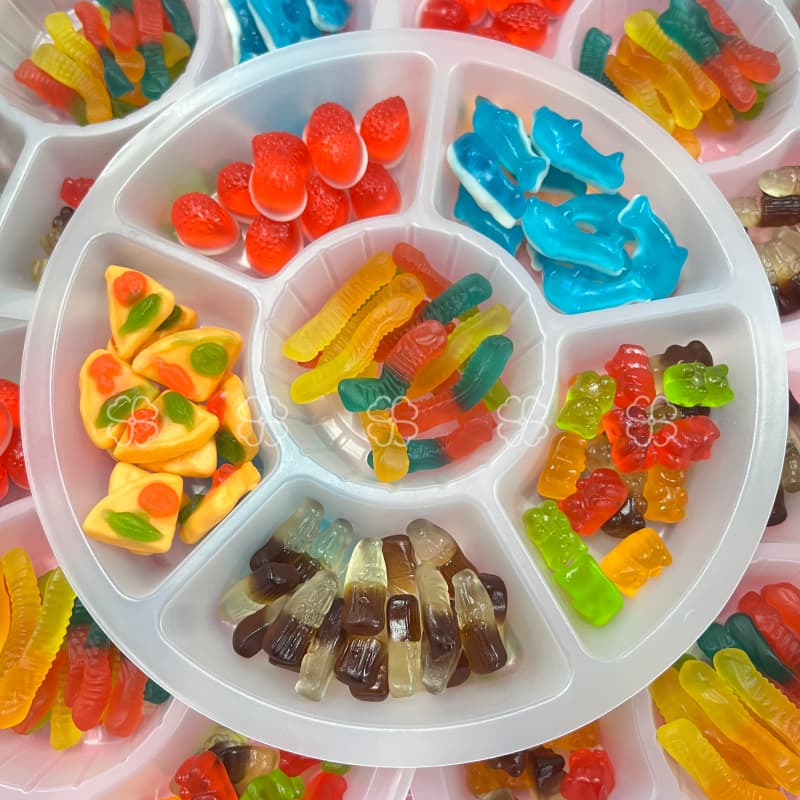
360g Oil-Mixed Tray Soft Candy
Discover 360g oil-mixed tray soft candy for wholesale, OEM and private label projects, with guidance on texture, oil treatment, packaging, customization and sourcing.
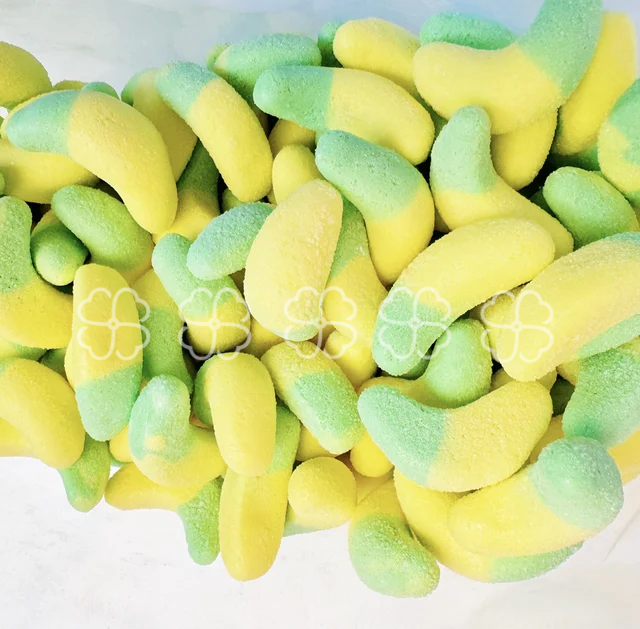
Mixed sand soft candy fashioned like a banana bottle surprises you with a taste of “banana”.
In the magical realm of soft candy, mixed sand soft candy with banana bottle-shaped form is most certainly a rare existence. It offers an unheard-of snack experience by precisely blending fascinating forms with great flavours.
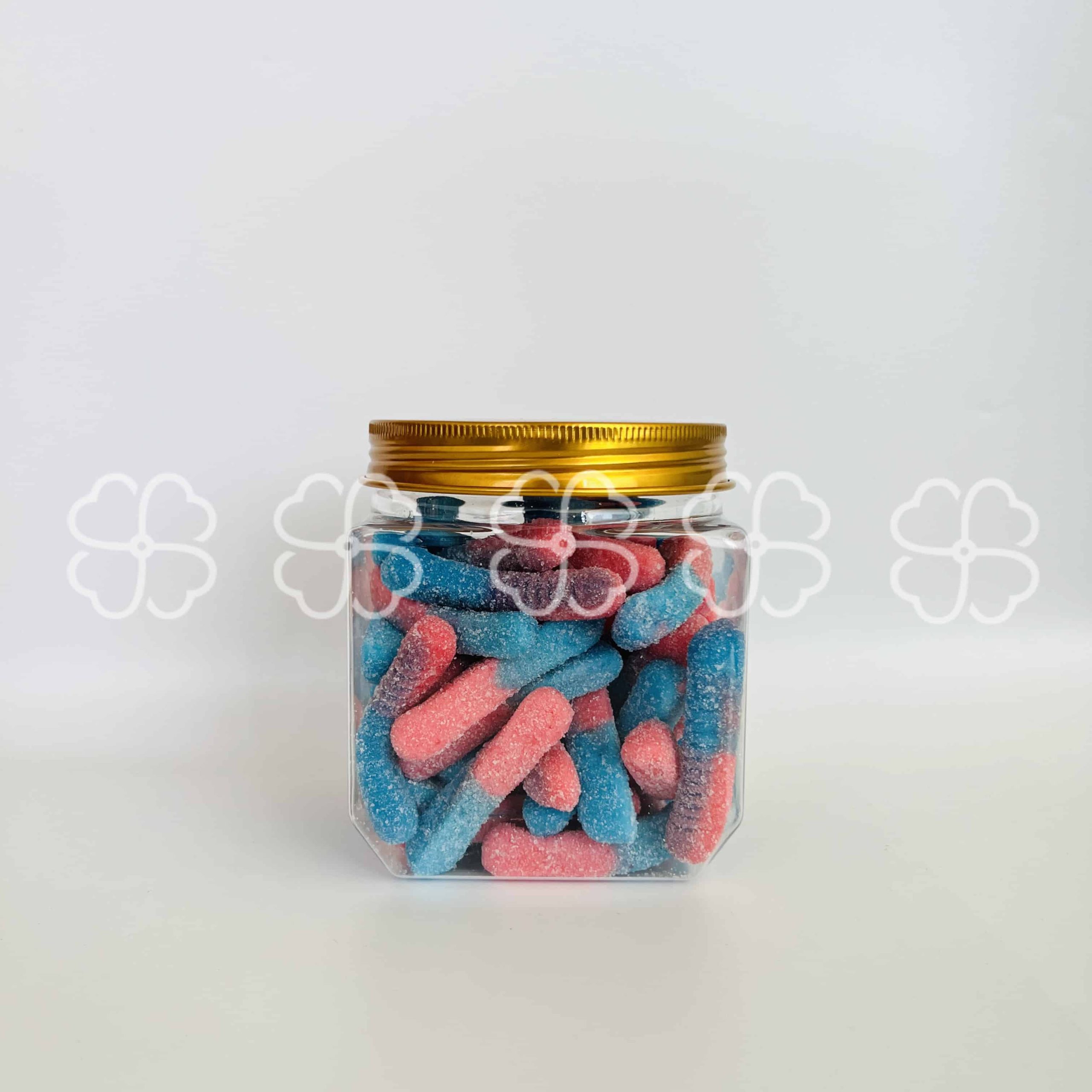
Delicious two-color worm gummy
Savor the delightful taste of our Strawberry Peeled Gummy. These gummies are crafted with real strawberry essence, offering an authentic strawberry flavor that’s both sweet and tangy. The peeling design adds a fun element to the snacking experience, making it even more enjoyable. Produced in Fujian, China, with strict quality control and premium ingredients, our Strawberry Peeled Gummy is a perfect blend of tradition and innovation. Each gummy is designed to look like a mini strawberry, providing a visually appealing and delicious treat that’s sure to delight your taste buds. Whether you’re looking for a fun snack to enjoy on a sunny day or a tasty treat to share with friends and family, our Strawberry Peeled Gummy is sure to bring a smile to your face and a burst of flavor to your day.