

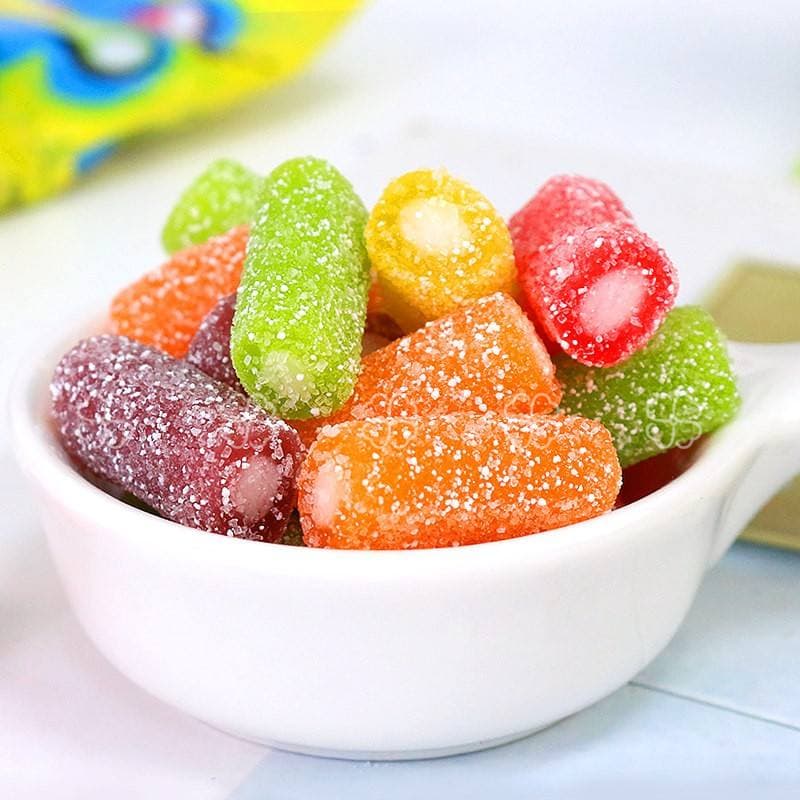
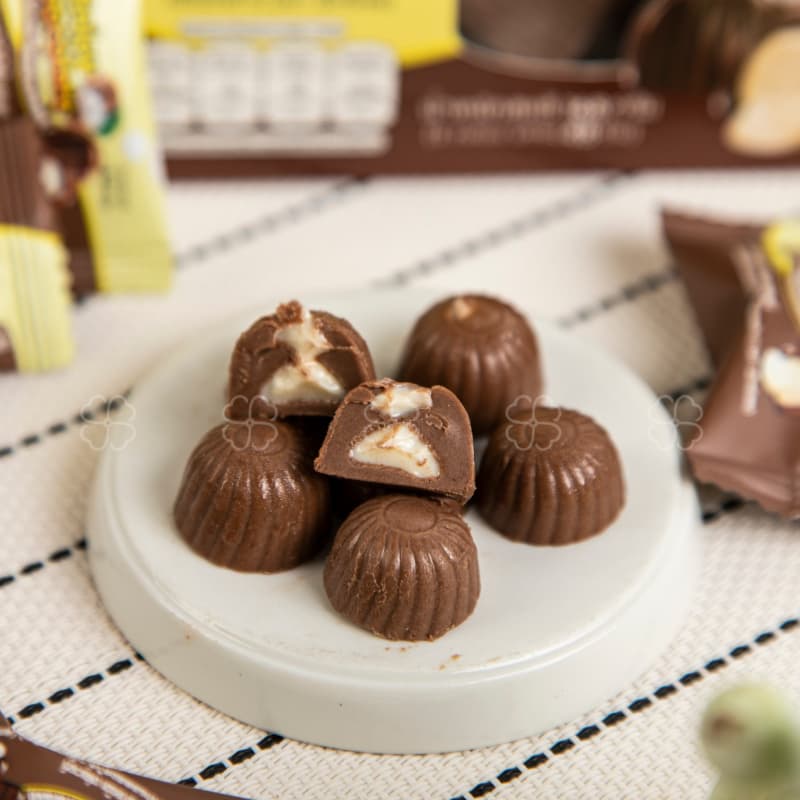



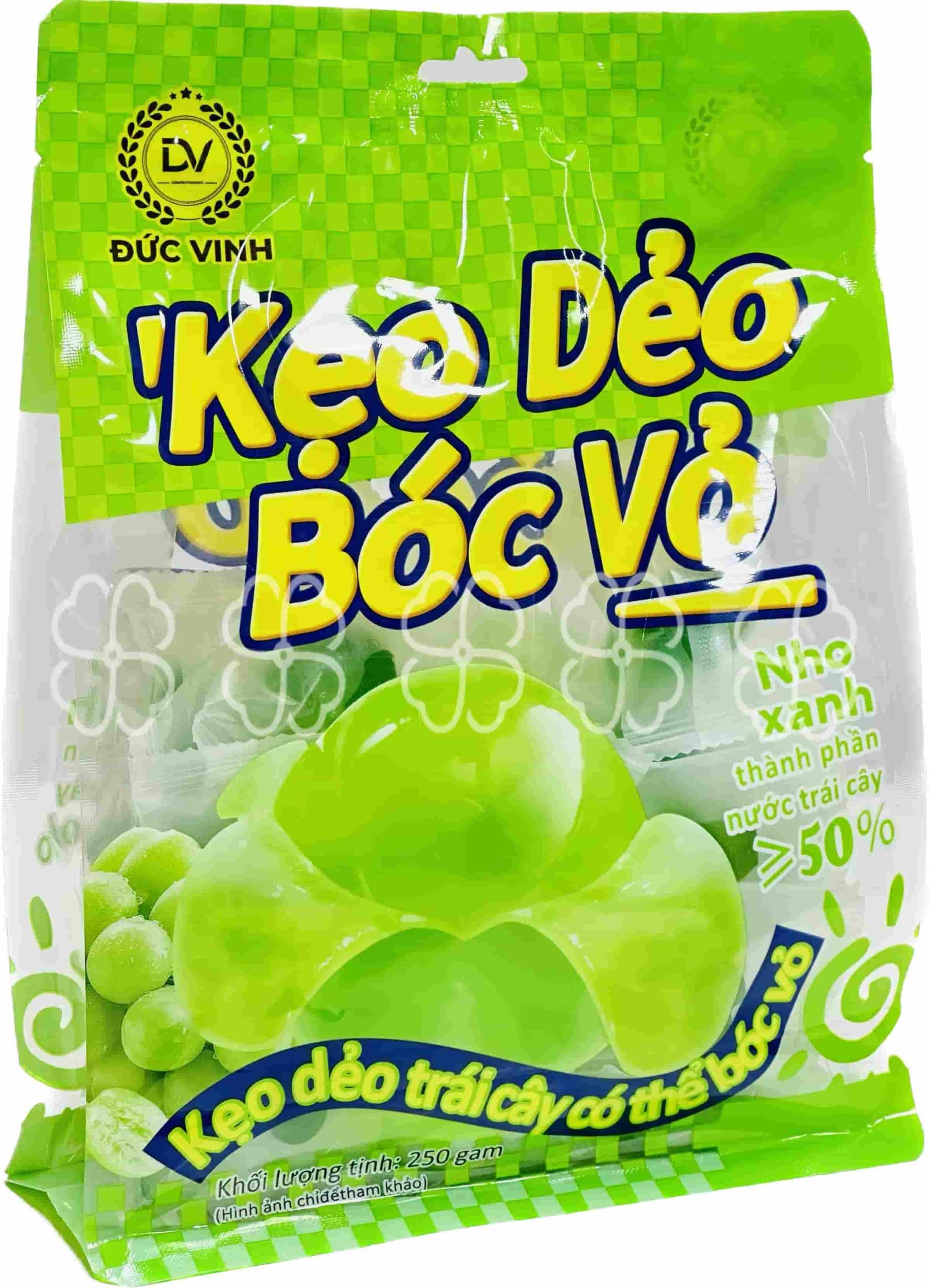





A Chestnut-Inspired Flavor With an Unexpected Peelable Experience
Chestnut Peelable Gummy brings a warm, nut-inspired flavor concept into an interactive confectionery format. Instead of relying only on sweetness or appearance, this product combines the curiosity of a peelable outer layer with the familiar appeal of soft, chewy candy.
The experience starts with a simple action: pick up a piece, gently peel its outer layer, reveal the gummy center, and enjoy the flavor. This extra step transforms an ordinary snacking moment into something more engaging, giving consumers a reason to pause, explore, and remember the product.
Chestnut is a distinctive flavor direction for confectionery brands seeking something different from the usual fruit-led assortment. Its association with roasted nuts, autumn treats, bakery-inspired desserts, and cozy seasonal moments provides several creative possibilities for product positioning.
For importers, wholesalers, distributors, and private-label brands, the concept offers an opportunity to explore a different flavor story while retaining the interactive appeal of peelable candy.
The final flavor profile, including its sweetness, roasted notes, and degree of chestnut character, should be confirmed through product sampling and the approved formulation.
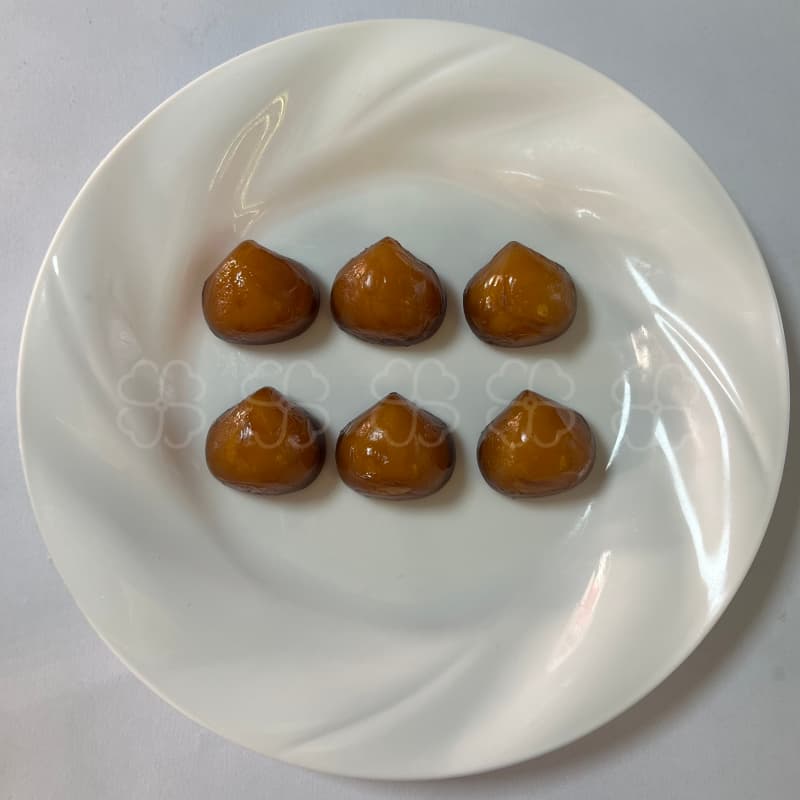
Chestnut Peelable Gummy
Chestnut Flavor With a Seasonal Story
Some confectionery products attract attention through bright colors. Others stand out because they offer an unexpected flavor experience. This product concept brings the two ideas together through a nut-inspired flavor and a playful format.
Chestnut can suggest the comforting character of autumn markets, roasted chestnuts, warm desserts, and seasonal treats. These associations provide a useful starting point for packaging design and product storytelling, especially for brands planning autumn and winter promotions.
The peelable structure introduces another dimension. Consumers can interact with the candy before tasting it, making the consumption process part of the product’s identity.
For retail presentation, chestnut-brown tones, warm beige accents, cream-colored backgrounds, and subtle botanical illustrations can create a coordinated visual direction. A more playful design could use illustrated chestnuts, expressive characters, and bold graphics to appeal to shoppers looking for novelty confectionery.
By combining flavor storytelling with an interactive format, the product can be developed for seasonal collections, everyday novelty assortments, or customized confectionery ranges.
Product Overview
| Product Feature | Details |
|---|---|
| Product Name | Chestnut Peelable Gummy |
| Product Category | Soft Candy / Gummy Candy |
| Flavor Concept | Chestnut-Inspired Flavor |
| Flavor Direction | Nut-Inspired, Sweet and Warm; Confirm Through Sampling |
| Texture | Soft and Chewy Center; Confirm Final Texture by Sample |
| Signature Feature | Peelable Outer Layer |
| Consumption | Ready to Eat |
| Packaging | Subject to Available Formats and Customization Options |
| Suitable For | Retail, Novelty Confectionery, Seasonal Displays and Gifting |
5 Features That Make This Product Concept Stand Out
1. A Distinctive Alternative to Familiar Fruit Flavors
Fruit flavors are widely used across confectionery collections, but a nut-inspired direction can create a different mood and visual identity.
Chestnut offers a starting point for brands seeking a flavor concept associated with roasted treats, desserts, and seasonal enjoyment. Rather than competing solely through bright fruit imagery, the product can build its identity around warmth, comfort, and a more unusual taste proposition.
For distributors, this creates an opportunity to assess a new flavor direction for markets where novelty confectionery and differentiated product assortments are important.
The actual flavor intensity and sensory profile should be confirmed with samples before the product is marketed using specific tasting claims.
2. A Peelable Structure That Encourages Interaction
The product’s outer layer creates an experience before the first bite.
Consumers can gently peel the exterior and reveal the candy underneath. This action introduces an element of anticipation that distinguishes the product from candy that is simply opened and eaten.
Pick → Peel → Reveal → Taste → Chew
This sequence can be used in product photography, packaging illustrations, short promotional videos, and retail demonstrations.
For brands, the benefit is a product story that can be communicated visually without relying on lengthy explanations. Buyers should nevertheless confirm that the peeling action works consistently on production samples.
3. A Soft and Chewy Center
The gummy center provides the familiar chew associated with soft confectionery, while the outer layer adds a different step to the consumption experience.
Texture consistency is important for both customer satisfaction and repeat purchasing. Buyers should evaluate the sample for softness, elasticity, mouthfeel, flavor release, and the relationship between the exterior and interior.
The final description should reflect the actual product rather than assume that every batch or formulation delivers an identical texture.
4. A Warm Color Palette for Distinctive Packaging
Chestnut-inspired packaging can move beyond the bright primary colors commonly used for fruit candy.
A coordinated palette may include chestnut brown, caramel beige, warm cream, muted gold, and restrained autumn orange. These colors can communicate a warm seasonal atmosphere while leaving enough contrast for the product name and key visual elements.
For a younger, more playful market, illustrated chestnuts and expressive characters can create a lively appearance. For specialty retailers, a cleaner layout with close-up product photography may offer a more refined presentation.
Showing the candy partially peeled can also help consumers understand the product’s defining feature at a glance.
5. Opportunities for Seasonal and Private-Label Collections
The flavor concept can be explored for autumn promotions, winter confectionery assortments, gift collections, and limited-edition retail campaigns.
Private-label buyers may also consider the product for a broader novelty candy range. Depending on manufacturing capabilities, customization discussions can cover the brand logo, packaging artwork, pack weight, format, and retail presentation.
Before placing an order, buyers should confirm the minimum order quantity, available customization options, sample approval process, lead time, and applicable product documentation.
The Peelable Candy Experience
The appeal of Chestnut Peelable Gummy is built around more than a flavor name. Its consumption sequence gives brands an additional story to tell.
First, consumers select a piece. They then gently peel away the outer layer to reveal the center. Finally, they taste the candy and experience its confirmed flavor and texture.
Pick → Peel → Reveal → Taste → Chew
This sequence can become a consistent visual element across packaging, e-commerce listings, product demonstrations, and social media content.
For product photography, consider three complementary images: the intact candy, a partially peeled piece, and a close-up of the revealed center. Together, these images explain the product structure more effectively than a standard pack shot alone.
The images should represent the actual product accurately, including its shape, color, size, and texture.
Application Scenarios
Everyday Novelty Snacking
The interactive format can give consumers a different way to enjoy a sweet snack. The peeling action adds a small moment of discovery, while the chestnut-inspired flavor provides an alternative to more familiar fruit-led candy options.
Suitable pack sizes and serving recommendations should be determined from the actual product specifications.
Autumn and Winter Confectionery Collections
Chestnut is naturally compatible with seasonal visual themes inspired by autumn leaves, roasted treats, warm colors, and winter gatherings.
Retailers can consider the product for seasonal assortments or limited-edition packaging, provided the production schedule and packaging supply align with the promotional calendar.
Novelty Candy Assortments
The product can be evaluated alongside other interactive confectionery items in a collection organized around unusual textures, playful consumption methods, and distinctive flavors.
A consistent packaging system can help the collection look coordinated while giving each product its own recognizable flavor identity.
Specialty Retail and Gift Displays
Warm-toned packaging and a distinctive flavor story may suit specialty candy shops, gift assortments, and themed confectionery displays.
The final retail positioning should reflect the actual packaging quality, product appearance, price point, and expectations of the intended customer group.
Online Candy Stores
E-commerce listings can highlight the peeling process through clear product photography and concise explanatory text.
For online sales, buyers should prepare accurate product images, net weight, ingredients, allergen statements, nutrition information, storage instructions, and other information required for the destination market.
Promotional and Private-Label Projects
Importers and brand owners can evaluate this product concept for promotional campaigns, seasonal launches, and customized confectionery collections.
Artwork, pack structure, order quantity, and delivery schedules should be agreed upon before production begins. All customization options remain subject to the supplier’s confirmed capabilities.
Product Specifications
| Item | Specification |
|---|---|
| Product Name | Chestnut Peelable Gummy |
| Product Type | Soft Candy / Gummy Candy |
| Flavor | Chestnut-Inspired; Final Profile to Be Confirmed |
| Texture | Confirm Through Approved Product Sample |
| Product Feature | Peelable Outer Layer |
| Net Weight | Confirm Available Pack Sizes |
| Ingredients | Refer to the Confirmed Product Specification |
| Packaging | Confirm Available Formats and Customization Options |
| Branding | Discuss Available Private-Label Options |
| Shelf Life | Confirm Through Supplier Documentation |
| Storage | Follow the Confirmed Label and Supplier Instructions |
| Minimum Order Quantity | Confirm With the Supplier |
Packaging Designed Around Chestnut-Inspired Visuals
Packaging should communicate the product’s flavor concept, demonstrate its distinctive format, and provide the information buyers need to make a purchasing decision.
For this product, a warm and natural color palette can establish a recognizable visual identity. Chestnut illustrations, subtle leaf patterns, cream backgrounds, and carefully selected accent colors can create an autumn-inspired appearance without making the design overly complicated.
A more playful approach can use cartoon characters, bold lettering, and an image of the candy being peeled. A premium direction may instead emphasize restrained graphics, clean typography, and high-quality product photography.
Possible packaging elements for discussion include:
- Customized brand logo and brand colors
- Chestnut-inspired product artwork
- Product photography showing the peeling process
- Retail pouches and other available pack formats
- Customized net weight and pack configuration
- Seasonal or limited-edition artwork
- Private-label packaging
- Market-specific label layouts
- Coordinated designs for a broader confectionery collection
The final packaging format should be selected according to product protection requirements, shelf presentation, distribution conditions, and target-market regulations. Available options and minimum quantities must be confirmed with the supplier.
Quality and Purchasing Considerations
For B2B buyers, product differentiation is only one part of the decision. Consistent quality, reliable documentation, and clear commercial terms are also essential.
Before confirming a purchase, buyers should review the following points:
- Sample evaluation: Check flavor, texture, appearance, and ease of peeling.
- Product consistency: Confirm that the approved sample represents the expected commercial product.
- Ingredient and allergen information: Obtain the complete ingredient declaration and relevant allergen details. Do not assume that the product is allergen-free.
- Packaging suitability: Confirm that the packaging provides appropriate protection during storage and transportation.
- Shelf-life documentation: Request verified shelf-life information and the recommended storage conditions.
- Regulatory compliance: Review labeling, food safety documentation, and other requirements applicable to the destination market.
- Order planning: Confirm minimum quantities, lead times, carton details, and shipping arrangements.
These checks help buyers evaluate the product on a practical commercial basis and reduce uncertainty before a market launch.
Why Consider This Product for Your Candy Portfolio?
The concept combines four elements that can support a distinctive product identity:
Chestnut-Inspired Flavor + Peelable Interaction + Chewy Candy Experience + Seasonal Packaging Potential
The flavor concept provides a point of difference from familiar fruit-oriented collections. The peeling process introduces a simple interactive feature. The gummy format offers a recognizable confectionery category, while the warm visual direction creates opportunities for seasonal and retail presentation.
For importers and distributors, the key question is whether the actual sample meets the expectations of the intended customer. For private-label buyers, packaging flexibility, order quantity, documentation, and supply reliability also influence the final decision.
A structured evaluation of product samples, packaging options, and market requirements can help businesses decide whether this concept deserves a place in their next confectionery collection.
Frequently Asked Questions
What is Chestnut Peelable Gummy?
Chestnut Peelable Gummy is a gummy candy concept featuring a chestnut-inspired flavor direction and a peelable outer layer. The final ingredients, appearance, and sensory characteristics should be confirmed through the supplier’s product specification and an approved sample.
What does Chestnut Peelable Gummy taste like?
The intended flavor direction is inspired by chestnut. Its actual sweetness, roasted notes, and overall flavor intensity depend on the formulation and should be evaluated through sample testing before specific tasting claims are published.
How do you eat Chestnut Peelable Gummy?
Consumers can gently peel away the outer layer, reveal the candy center, and then enjoy the product. The peeling process should be demonstrated using the actual commercial sample so that promotional content accurately reflects the product.
Is Chestnut Peelable Gummy suitable for seasonal collections?
The chestnut-inspired concept can be considered for autumn and winter collections, seasonal promotions, and themed confectionery displays. Suitability depends on the product’s actual flavor, packaging, production schedule, and target-market preferences.
Can the packaging be customized?
Packaging customization may be available depending on the supplier’s production capabilities and order requirements. Buyers should confirm logo application, artwork, net weight, packaging material, label requirements, and minimum order quantities before placing an order.
What information should wholesale buyers request?
Wholesale buyers should request the current product specification, ingredient list, allergen information, nutrition data, packaging details, shelf-life documentation, storage instructions, minimum order quantity, lead time, and applicable certificates.
Give Your Next Candy Collection a Different Flavor Story
Chestnut Peelable Gummy combines a distinctive flavor concept with an interactive consumption format, creating an opportunity for confectionery brands to explore a different direction in product development.
From warm seasonal packaging to playful product demonstrations, the concept offers several ways to communicate its identity across retail shelves, online stores, and customized brand collections.
For importers, wholesalers, distributors, and private-label buyers, the next step is to evaluate the actual sample, confirm the technical specifications, and discuss the most suitable packaging and order configuration.
Explore the flavor. Reveal the center. Build a product concept your market can recognize.