

For international confectionery buyers, importers, wholesalers, and retailers, chocolate gold coins offer several commercial advantages. Their compact shape makes them convenient for individual packaging and mixed gift assortments, while their festive appearance creates opportunities for seasonal promotions. Different chocolate formulations, coin sizes, foil designs, and packaging formats can also help brands develop products for different consumer groups and retail channels.
But why do chocolate gold coins remain popular across different holidays? Their appeal comes from a combination of cultural symbolism, product appearance, chocolate quality, gift-giving traditions, and flexible commercial applications. Understanding these factors can help confectionery businesses select suitable products and develop more effective seasonal product collections.
Gold Coin Chocolate
1. What Makes Chocolate Gold Coins Special?
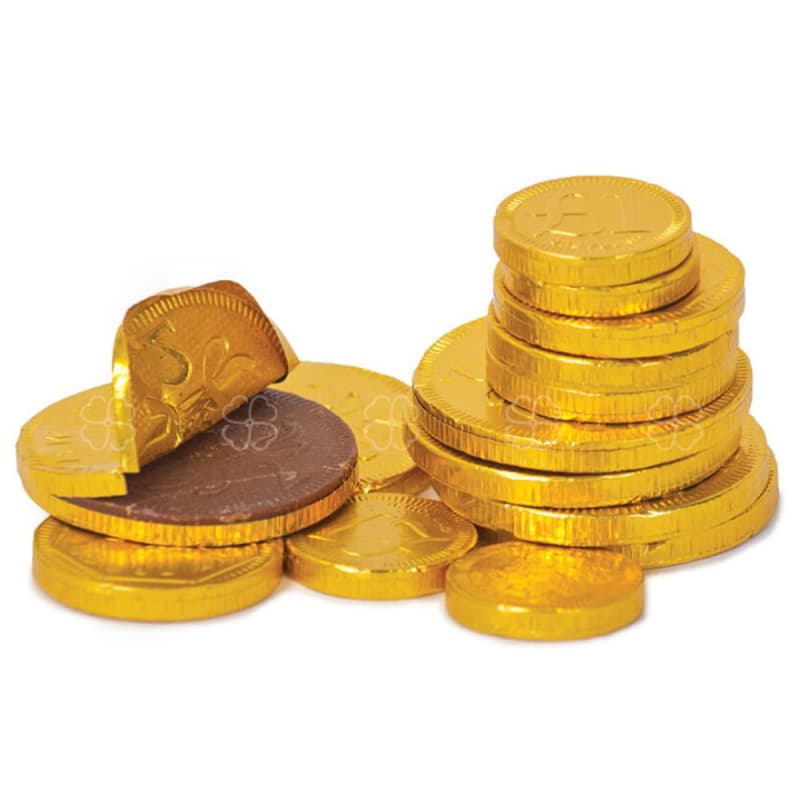
Chocolate gold coins are confectionery products made by molding chocolate into flat, round, coin-like shapes and wrapping individual pieces in gold-colored foil or other suitable decorative packaging. Some products feature embossed patterns, ridged edges, decorative symbols, or coin-inspired designs that make them resemble miniature gold currency.
The combination of chocolate and gold-colored packaging is particularly effective because it connects two familiar consumer experiences: enjoying a sweet treat and receiving something that looks like a small gift. Unlike ordinary chocolate pieces, gold coin-shaped products have a recognizable visual identity and can communicate a festive theme without requiring complicated packaging.
Their appearance also makes them versatile. A chocolate coin can be sold individually, included in a bag of assorted candies, placed inside a gift box, or used as a decorative addition to a holiday package. Different chocolate recipes and coin dimensions can support different price points and market positions.
For buyers exploring a broader product range, chocolate products provide useful context for comparing chocolate formats, flavors, and applications. Chocolate coins are one example of how a familiar confectionery ingredient can be transformed into a product with a distinctive seasonal identity.
2. Why Is Gold Coin Chocolate Popular for Christmas?
Christmas is one of the most important seasonal opportunities for confectionery brands. Chocolate products are frequently purchased for family gatherings, office celebrations, stocking fillers, gift exchanges, and holiday-themed retail displays. Gold coin chocolate fits naturally into this environment because its appearance is associated with celebration, generosity, and gift-giving.
2.1 A Festive Treat for Christmas Stockings
In markets where Christmas stockings are part of holiday traditions, small confectionery products are commonly used as stocking fillers. Chocolate coins are convenient for this purpose because they are compact, individually wrapped, and easy to combine with other sweets, small gifts, and novelty items.
Parents and gift buyers can use them to create simple festive surprises without purchasing large individual gifts. Retailers can also offer them in small bags, multi-piece packs, and seasonal gift assortments. Their recognizable gold appearance helps communicate a Christmas theme even when the product is displayed alongside other confectionery items.
2.2 Gold Packaging Matches Christmas Decorations
Gold is frequently used in Christmas decorations together with red, green, white, and silver. Gold-colored chocolate coin wrappers can therefore fit naturally into festive displays, gift baskets, and holiday packaging designs.
Manufacturers and brands can explore different visual styles, including traditional gold foil, embossed coin patterns, Christmas-themed printed wrappers, and coordinated gift bags. A consistent visual theme can make products more recognizable and help retailers create attractive seasonal displays.
2.3 Suitable for Sharing and Holiday Gift Assortments
Christmas celebrations often involve sharing food and sweets with family members, friends, colleagues, and visitors. Individually wrapped chocolate coins can be distributed easily and added to mixed confectionery collections. They can also complement chocolate bars, pralines, candy canes, and other holiday-themed treats.
For wholesalers and distributors, this flexibility makes chocolate coins suitable for multiple sales channels. Products can be supplied in bulk for repacking or offered in finished retail packaging, depending on the supplier’s available formats and the buyer’s requirements.
When evaluating a potential confectionery supplier, buyers should consider its product range, manufacturing background, and ability to support different commercial requirements. Reviewing TOPHEART’s company background can be one part of the initial supplier assessment process.
3. Why Are Chocolate Gold Coins Popular for Easter?
Easter is another major seasonal opportunity for chocolate confectionery. Chocolate eggs, rabbits, chicks, and other themed products are widely associated with Easter celebrations in many markets. Chocolate gold coins can complement these traditional products by introducing a different shape and a distinctive gold-colored appearance.
3.1 The Connection Between Chocolate Coins and Easter Egg Hunts
Easter egg hunts are a familiar activity in many families and communities. Children search for hidden eggs, sweets, and small surprises in gardens, homes, schools, and organized events. Chocolate coins can be included in these activities because their compact size makes them convenient for hiding inside gift bags, baskets, and themed packages.
They can also be combined with chocolate eggs and other small treats to create a more varied Easter assortment. This gives retailers opportunities to offer mixed products rather than relying exclusively on traditional egg-shaped confectionery.
3.2 A Different Format for Easter Gift Collections
Although chocolate eggs remain strongly associated with Easter, consumers and retailers often look for additional products to create more interesting gift selections. Gold coin chocolate provides an alternative format that can be combined with rabbits, chicks, flowers, and other spring-themed decorations.
Packaging can emphasize pastel colors, Easter illustrations, decorative baskets, or transparent bags that allow the gold wrappers to remain visible. These combinations help brands create a coordinated seasonal appearance while using a product format that is easy to recognize.
3.3 Convenient for Children’s Activities and Party Favors
Individually wrapped chocolate coins can be used in Easter party bags, school celebrations, community events, and family activities. Their small format makes them suitable for mixed treat collections, although buyers should always consider age-appropriate product sizing, choking risks, allergen information, and applicable food safety requirements.
For confectionery businesses, Easter products can also create opportunities to test new packaging concepts and seasonal assortments. A product that works well in a small retail bag may also be adapted for larger gift collections or promotional packages, depending on the target market.
Gold Coin Chocolate Supplier
4. Why Is Gold Coin Chocolate Popular for New Year Celebrations?
New Year celebrations often involve themes of fresh beginnings, prosperity, success, and good fortune. Gold-colored products are frequently used in festive decorations and gift collections because gold is visually associated with value and celebration. This makes gold coin chocolate a natural fit for many New Year-themed confectionery products.
4.1 Gold Coins Represent Prosperity and Good Fortune
In several cultural traditions, gold-colored objects and coin-inspired decorations symbolize wealth, abundance, and positive wishes for the coming year. Chocolate coins combine this familiar symbolism with an edible gift, making them suitable for festive gatherings and seasonal promotions.
In Chinese New Year collections, gold and red are particularly recognizable festive colors. Gold coin chocolate can be included in gift boxes, candy assortments, and family celebration packages. Decorative designs may incorporate traditional patterns, lucky symbols, or New Year greetings, provided that the artwork is appropriate for the target market.
4.2 A Practical Addition to New Year Gift Boxes
New Year gift collections often combine several types of food and confectionery products. Chocolate coins can add visual variety because their round shape and gold wrapping contrast with rectangular chocolate bars, individual candy pieces, and other packaged snacks.
For businesses preparing corporate gifts, promotional products, or seasonal retail collections, gold coin chocolate can also be used as a small complementary item. The product can be included in larger assortments without requiring a completely different confectionery category.
4.3 Opportunities for International Markets
New Year celebrations take place in different forms around the world. While some markets focus on January celebrations, others place strong emphasis on Lunar New Year or other regional calendars. The most suitable design, language, colors, and packaging style may therefore vary between destinations.
Importers should evaluate local consumer preferences before choosing a seasonal design. For example, a simple gold coin presentation may be suitable for general New Year promotions, while a market-specific package may require additional festive illustrations or translated product information.
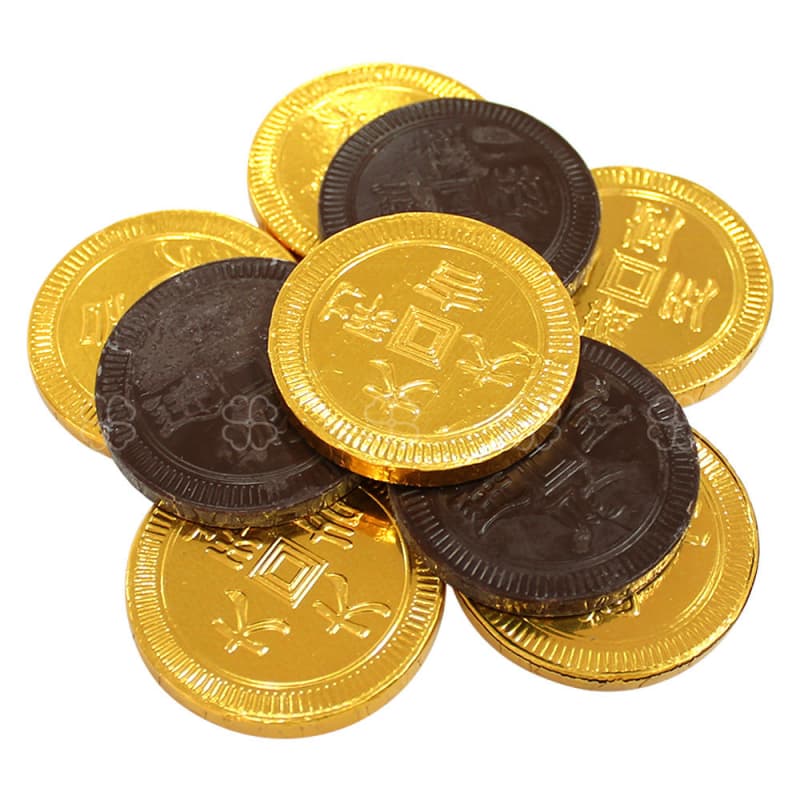
Gold coin chocolate
5. The Role of Chocolate Quality in Gold Coin Products
Although gold-colored wrapping creates the first visual impression, chocolate quality remains central to the consumer experience. Buyers should evaluate the chocolate formulation, flavor, texture, appearance, and storage characteristics rather than selecting products based only on the decorative wrapper.
5.1 Milk Chocolate, Dark Chocolate, and White Chocolate
Milk chocolate is a familiar option for many mainstream confectionery products. Its combination of cocoa ingredients, sugar, and milk components creates a creamy flavor profile that can work well in family-oriented seasonal assortments.
Dark chocolate offers a more pronounced cocoa flavor and may be suitable for brands targeting consumers who prefer less milky chocolate profiles. White chocolate provides a different flavor and color profile, although its formulation and technical handling requirements differ from those of conventional milk and dark chocolate.
For gold coin products, the most suitable chocolate type depends on the target market, product positioning, and expected consumer preferences. Buyers may consider offering different formulations when developing a broader product range.
5.2 Chocolate Texture and Flavor Consistency
A well-made chocolate coin should have a consistent appearance and a pleasant eating texture. Depending on its formulation, chocolate may be evaluated for smoothness, firmness, snap, melting behavior, and flavor balance.
Inconsistent processing or unsuitable storage conditions can affect chocolate appearance and texture. Fat bloom, for example, may appear as a pale or whitish surface layer when cocoa butter or other fat components undergo undesirable changes. Sugar bloom can also create a rough, whitish surface when moisture dissolves sugar and subsequent drying leaves crystals behind.
These conditions do not necessarily mean that the chocolate is unsafe, but they can reduce its visual appeal and consumer acceptance. Suitable formulation, controlled processing, and appropriate packaging and storage are therefore important.
6. How Chocolate Gold Coins Are Manufactured
Producing chocolate coins involves several stages that influence the final shape, surface appearance, texture, and consistency. While production equipment and process details vary between manufacturers, the general process includes chocolate preparation, molding, cooling, demolding, inspection, and individual wrapping.
6.1 Chocolate Preparation and Tempering
Tempering is an important process for many chocolate products containing cocoa butter. It encourages the formation of stable cocoa butter crystals, helping chocolate develop a suitable gloss, firmness, and release behavior. Proper tempering can also reduce the risk of undesirable surface changes during storage.
Different chocolate formulations require different temperature conditions. The following table provides commonly used illustrative tempering ranges for conventional chocolate formulations. These are general processing references, not fixed specifications for every recipe or a statement of TOPHEART’s production parameters.
| Chocolate Type | Melting Range | Cooling Range | Working Range |
|---|---|---|---|
| Dark Chocolate | 45–50°C | 27–28°C | 31–32°C |
| Milk Chocolate | 40–45°C | 26–27°C | 29–30°C |
| White Chocolate | 40–45°C | 25–26°C | 28–29°C |
Actual tempering temperatures depend on the specific chocolate recipe, cocoa butter characteristics, ingredient composition, and processing equipment. Manufacturers should validate the appropriate temperature profile for each formulation rather than applying a single standard to all chocolate products.
6.2 Coin Molding and Decorative Details
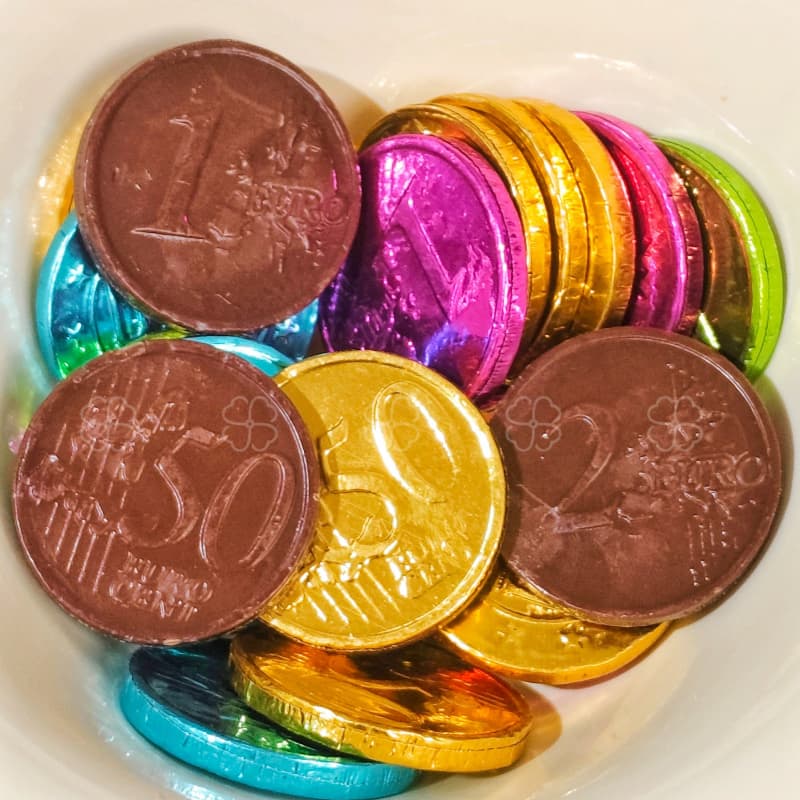
Prepared chocolate is transferred into suitable coin-shaped molds. The mold design determines the diameter, thickness, surface pattern, and decorative details of the finished piece. Some chocolate coins use simple flat surfaces, while others feature embossed symbols, ridged edges, or coin-inspired artwork.
Buyers should consider how the design affects product appearance and packaging. Fine decorative details can improve visual differentiation, but the mold should also support consistent production and practical demolding.
6.3 Cooling and Demolding
After molding, chocolate must cool under suitable conditions to develop its intended structure. Controlled cooling helps the product solidify and release from the mold. Uneven cooling or unsuitable temperature conditions may contribute to surface defects or inconsistent product dimensions.
Finished coins should be inspected for cracks, incomplete edges, surface marks, and other visible defects. Consistency is particularly important when products are packed in transparent bags or gift boxes where consumers can see the individual pieces.
6.4 Gold Foil Wrapping
Once the chocolate coins are ready for packaging, they can be individually wrapped in gold-colored foil or another suitable decorative material. The wrapping process should protect the product, create a neat appearance, and support efficient handling during distribution.
Materials used in direct contact with food must comply with the applicable food-contact requirements in the destination market. Buyers should confirm the suitability of the packaging materials and request relevant compliance documentation where necessary.
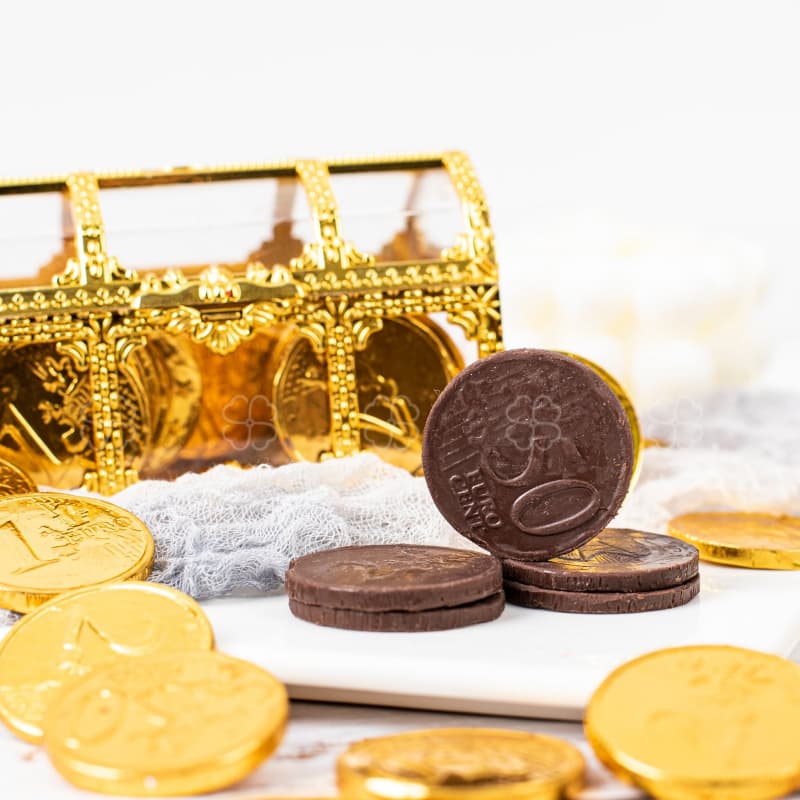
Boxed Gold Coin Chocolates 3
7. Gold Coin Chocolate Packaging and Market Trends
Packaging is one of the strongest commercial features of chocolate gold coins. The product already has a recognizable shape, so packaging can focus on communicating the occasion, product quantity, chocolate type, and brand identity. Small bags, transparent containers, gift boxes, and seasonal assortments can all support different retail strategies.
7.1 Individual Foil-Wrapped Coins
Individual wrapping gives each coin a distinct appearance and makes the pieces convenient for sharing, gifting, and portioning. Gold-colored foil is a recognizable visual choice, although the final material and printing method should meet relevant food-contact and packaging requirements.
7.2 Retail Bags and Multi-Piece Packs
Multi-piece bags are suitable for supermarkets, convenience stores, candy retailers, and seasonal displays. Packaging can communicate the number of pieces, net weight, chocolate type, and holiday theme. Transparent windows may allow shoppers to see the gold-wrapped coins before purchasing.
7.3 Gift Boxes and Promotional Packaging
Gift boxes can position chocolate coins as part of a more complete seasonal collection. Brands may combine them with other chocolates, candies, or festive products. Corporate gift packaging can also incorporate logos and customized messages, subject to production feasibility and applicable labeling requirements.
Consumer expectations around chocolate products continue to evolve. Flavor innovation, packaging design, portion formats, and market-specific product development all influence how confectionery brands compete. For a broader view of these developments, explore chocolate market trends, flavor innovation, packaging, and global consumer preferences.
8. Gold Coin Chocolate Wholesale: What Should Buyers Consider?
For importers, wholesalers, distributors, and retailers, choosing a suitable gold coin chocolate product requires attention to both product specifications and commercial requirements. A product that performs well in one market may need adjustments in size, chocolate formulation, packaging, or labeling before it is suitable for another destination.
8.1 Confirm Product Specifications
Buyers should confirm the coin diameter, thickness, individual weight, chocolate type, flavor, and number of pieces per package. If the product includes embossed patterns or decorative designs, the actual samples should be reviewed before production approval.
8.2 Evaluate Chocolate Quality
Request product samples and assess flavor, texture, appearance, and consistency. Where appropriate, buyers can review ingredient information, product specifications, and relevant quality documentation. It is also useful to understand the product’s storage requirements and the supplier’s recommended handling conditions.
8.3 Check Foil and Outer Packaging
Gold foil wrapping should be neat and consistent. Buyers should inspect whether the wrapping stays in place during normal handling and whether the outer packaging provides suitable protection during transportation and storage.
Packaging specifications should include the required product information and destination-market labeling. Depending on the market, this may include ingredients, allergens, net weight, nutrition information, manufacturer details, date marking, and storage instructions.
8.4 Consider Seasonal Purchasing Timelines
Christmas, Easter, and New Year are time-sensitive selling periods. Buyers should plan product selection, sampling, packaging artwork, label approval, production, inspection, and shipping early enough to support their intended retail launch.
Seasonal demand can also create pressure on shipping schedules and inventory planning. Importers should coordinate forecast quantities and delivery expectations with suppliers rather than waiting until the holiday period is approaching.
8.5 Explore OEM, ODM, and Private Label Possibilities
Depending on the manufacturer’s capabilities, customized gold coin chocolate projects may involve different coin dimensions, embossed patterns, chocolate formulations, foil designs, and outer packaging. Private-label buyers may also request brand-specific artwork and coordinated seasonal collections.
Before confirming a customized order, buyers should discuss design feasibility, sample approval, packaging materials, minimum order requirements, lead times, and destination-market compliance. Clear specifications can help both parties avoid misunderstandings during production.
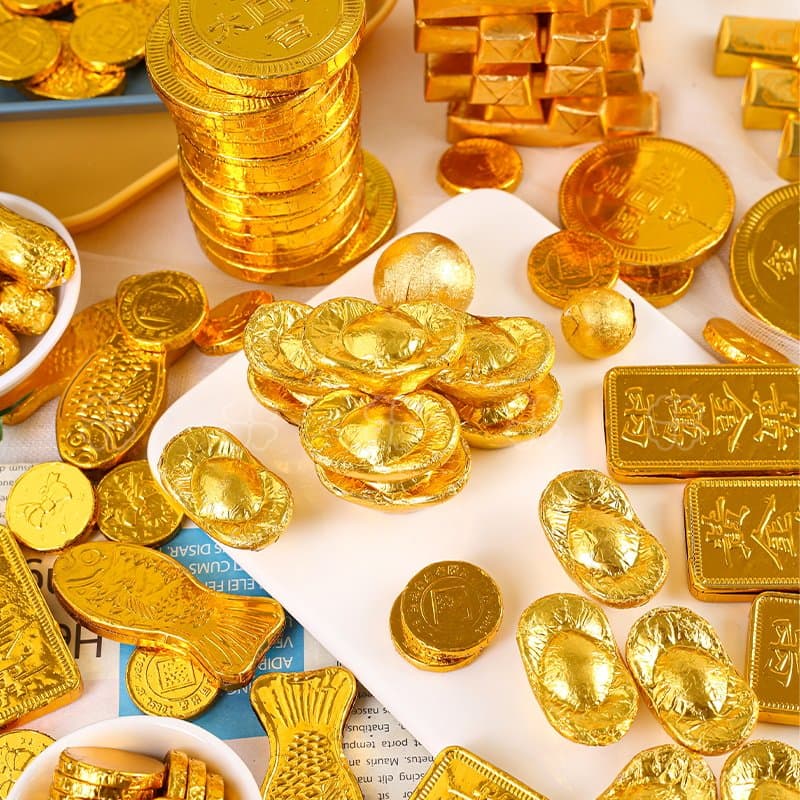
Chocolate Coins-12
9. Choosing the Right Gold Coin Chocolate Product for Your Market
Different markets may require different product strategies. A supermarket buyer may prioritize practical retail bags and competitive pack sizes, while a gift retailer may focus on decorative boxes and premium presentation. A distributor supplying multiple channels may prefer several packaging formats based on customer requirements.
For Christmas, gold coin chocolate can be positioned as a stocking filler, party treat, or addition to holiday gift assortments. For Easter, it can complement eggs, rabbits, and spring-themed confectionery. For New Year, gold-colored packaging and coin-inspired designs can support festive gifting and prosperity-themed collections.
Buyers should also consider local chocolate preferences, price positioning, packaging language, and regulatory requirements. A product concept should be commercially practical as well as visually attractive.
To explore product options, specifications, and potential cooperation, buyers can review Gold Coin Chocolate products and identify the formats that best match their intended market.
Once the product requirements are clear, the next step is to communicate the expected specifications and commercial needs. Providing details such as the target market, preferred chocolate type, coin dimensions, packaging format, estimated quantity, and seasonal delivery schedule can make supplier discussions more productive.
For wholesale inquiries, customized packaging discussions, and product development questions, buyers can reach out through the TOPHEART contact page to discuss their project requirements.
A Small Chocolate Coin with Lasting Seasonal Appeal
Gold coin chocolate remains a versatile confectionery product because it combines familiar chocolate enjoyment with a distinctive festive appearance. Its association with celebration, generosity, and prosperity makes it suitable for Christmas stocking fillers, Easter activities, New Year gift collections, and other seasonal promotions.
For confectionery buyers, its commercial value also comes from its flexibility. Different chocolate types, coin sizes, embossed designs, foil colors, and packaging formats can support a wide range of retail and promotional applications. By evaluating chocolate quality, manufacturing consistency, packaging suitability, and supplier capabilities, importers and wholesalers can make more informed purchasing decisions.
Whether developed as a simple seasonal treat or as part of a customized private-label collection, chocolate gold coins offer brands an opportunity to combine product familiarity with festive presentation. With careful product planning and market-specific packaging, this small confectionery item can become a useful addition to a diverse international candy portfolio.
Frequently Asked Questions About Gold Coin Chocolate
1. Why are chocolate gold coins popular during Christmas?
Chocolate gold coins are popular during Christmas because they are small, individually wrapped, and visually suited to festive gift-giving. They are commonly used as stocking fillers, party treats, and additions to holiday gift baskets. Their gold-colored wrappers also complement traditional Christmas decorations and make them easy to combine with other seasonal confectionery products.
2. Why are chocolate coins associated with Easter celebrations?
Chocolate coins are suitable for Easter celebrations because they can be included in Easter baskets, egg hunts, party favors, and mixed chocolate assortments. Their compact size makes them convenient for hiding or sharing, while their gold appearance adds variety to collections that traditionally feature chocolate eggs, rabbits, and chicks. Packaging can also be adapted to spring and Easter themes.
3. What type of chocolate is commonly used to make gold chocolate coins?
Gold chocolate coins can be made with different chocolate formulations, including milk chocolate, dark chocolate, and white chocolate. Milk chocolate is a familiar choice for mainstream confectionery, while dark chocolate offers a more pronounced cocoa flavor. The most suitable formulation depends on the target market, product positioning, ingredient requirements, and consumer preferences.
4. Are gold foil chocolate coins suitable for wholesale and private label orders?
Gold foil chocolate coins can be suitable for wholesale and private-label projects, depending on the manufacturer’s available capabilities and order requirements. Customization may involve coin sizes, embossed designs, chocolate formulations, foil appearance, and outer packaging. Buyers should confirm product specifications, food-contact packaging suitability, labeling requirements, sampling procedures, and order conditions before production.
5. How should buyers store chocolate gold coins to maintain their quality?
Chocolate gold coins should generally be stored in a cool, dry, clean environment away from direct sunlight, excessive heat, strong odors, and temperature fluctuations. Suitable storage conditions help reduce the risk of melting, fat bloom, sugar bloom, and packaging damage. Buyers should follow the manufacturer’s product-specific storage instructions and consider the temperature and humidity conditions throughout transportation and distribution.