

Mixed stone shaped chocolates
1. What Makes Mixed Stone Shaped Chocolates Different from Traditional Chocolate?
Traditional chocolate products are commonly presented in familiar forms, such as bars, squares, coins, chips, and molded figures. These shapes are easy to recognize, but they do not always create a strong visual surprise. Stone-inspired chocolate takes a different approach by borrowing visual characteristics from natural materials.
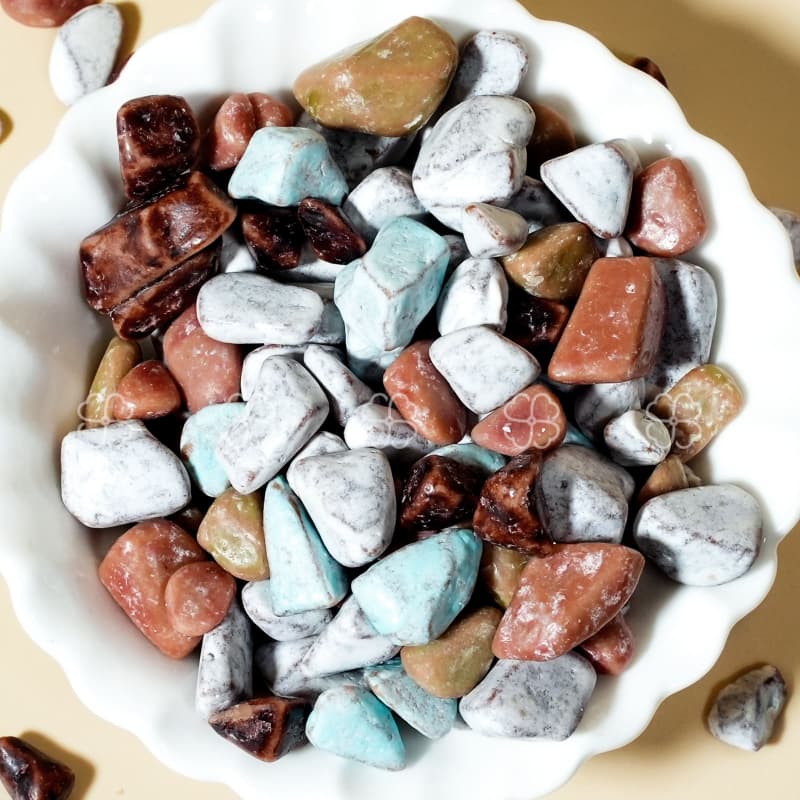
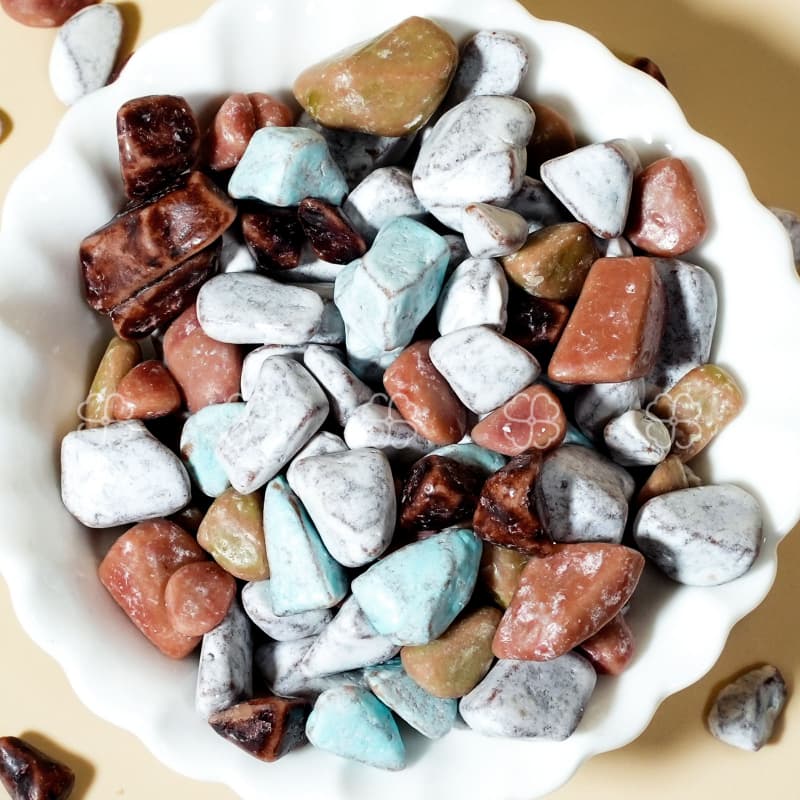
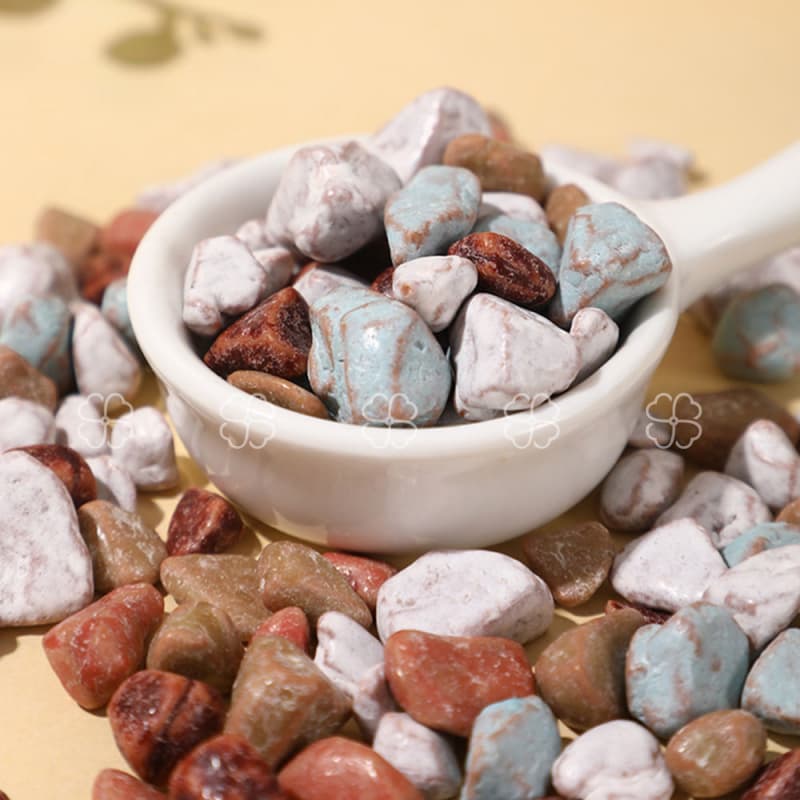
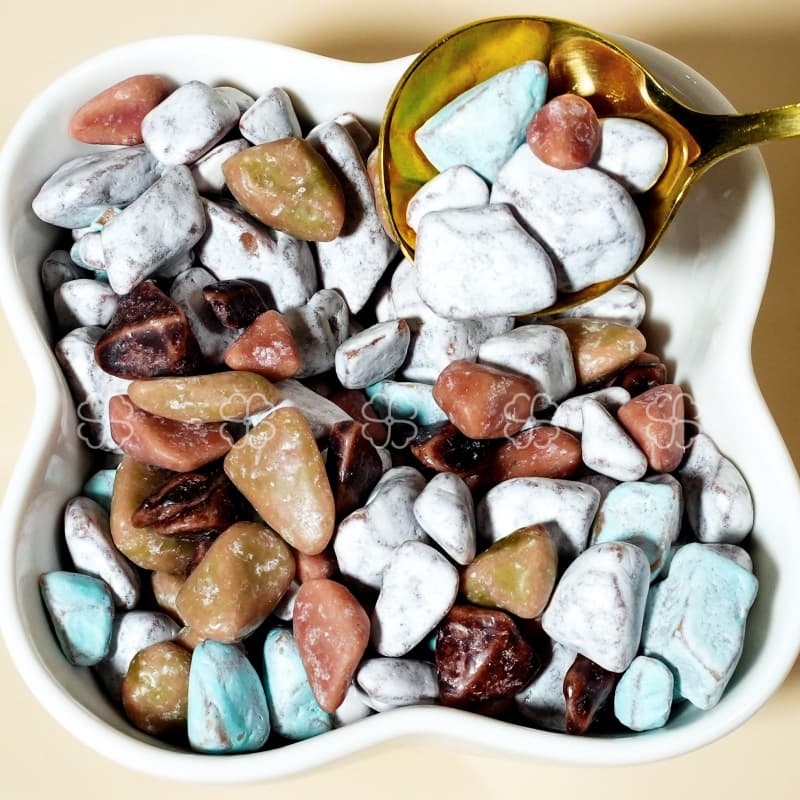
Mixed Stone Shaped Chocolates are designed to resemble small stones or pebbles through their irregular contours, varied color combinations, and textured outer appearance. Instead of looking perfectly geometric, individual pieces may have slightly different profiles. This variation helps create a more natural visual impression.
Natural-Looking Shapes and Irregular Outlines
One of the most recognizable characteristics is the stone-like silhouette. Some pieces may be rounded and smooth, while others can have slightly uneven edges or elongated pebble shapes. The objective is to create a natural appearance without compromising convenient handling and eating.
Shape variation also creates visual diversity within a single package. When several pieces are placed together, the assortment can resemble a collection of small decorative stones. This presentation makes the product visually interesting before consumers even taste it.
Color Combinations Inspired by Natural Stones
Color is another important part of the design. Natural stones can display earthy browns, cream tones, charcoal shades, muted greens, and mixed mineral-like patterns. Chocolate products can interpret these colors through suitable food-grade ingredients and confectionery coatings.
Depending on the product concept, a collection may feature:
- Brown and beige combinations inspired by river pebbles.
- Dark brown and black tones that resemble polished mineral stones.
- White and cream shades for a lighter stone-inspired appearance.
- Multicolored combinations designed for playful novelty assortments.
- Marbled or speckled visual effects that create greater surface variation.
Color consistency matters, but a natural-looking assortment does not necessarily require every piece to be identical. A balanced mixture of related shades can make the overall presentation more convincing and appealing.
A Different Visual Experience for Chocolate Consumers
The contrast between appearance and taste is central to the product concept. Consumers may initially expect a hard, non-edible object because the pieces resemble natural stones. Discovering that they are chocolate creates an element of surprise.
This contrast can make the product suitable for novelty confectionery displays, themed gift boxes, seasonal assortments, and specialty snack collections. For businesses developing differentiated confectionery ranges, the visual concept offers another way to present familiar chocolate in an unconventional format.
2. How Realistic Shapes Create a Unique Snacking Experience
The eating experience begins before the first bite. Consumers often notice a product’s shape, color, and surface before evaluating its aroma, texture, and flavor. Stone-inspired chocolate uses this natural sequence to create curiosity and encourage closer interaction with the product.
Visual Curiosity Encourages Product Discovery
Novelty is an important element in confectionery purchasing. A product that looks different from standard chocolate bars or molded candies can attract attention on a crowded retail shelf. The natural-stone appearance creates a visual question: is it a decorative pebble, a candy, or something else?
That moment of curiosity can encourage consumers to examine the package more closely. Clear packaging, product photography, and an appropriate product description can help communicate the edible nature of the chocolate while preserving the surprise of its design.
For businesses building a differentiated confectionery portfolio, understanding product development and manufacturing capabilities is also important. Buyers can learn more about the company’s background and confectionery focus through the TOPHEART company profile, which provides additional context for evaluating a potential manufacturing partner.
Texture Adds Another Layer to the Experience
Appearance may attract the consumer, but texture helps determine whether the product is enjoyable to eat. Depending on the formulation, stone-shaped chocolates may offer a smooth chocolate bite, a crisp outer coating, or a combination of different textures.
A well-designed chocolate piece should provide a pleasant eating experience without feeling excessively hard, waxy, or uneven. The coating should remain sufficiently stable during handling, while the chocolate component should deliver the expected melting and flavor characteristics.
Different product structures can create different sensory results:
- Smooth chocolate pieces: Focus on a consistent chocolate texture and clean bite.
- Coated chocolate pieces: Combine an outer confectionery layer with a chocolate interior.
- Layered structures: Create a contrast between the coating and the inner chocolate component.
- Mixed assortments: Provide variation in appearance and potentially in flavor or texture.
Flavor Variety Makes Assortments More Interesting
Visual diversity can be combined with flavor variety to create a more engaging assortment. Depending on the intended market and product formulation, possible flavor directions include milk chocolate, dark chocolate, white chocolate, caramel, hazelnut, and other compatible flavor profiles.
Not every color needs to represent a different flavor. Some product concepts use color mainly for decorative differentiation, while others use it to communicate flavor variety. Manufacturers should make sure that product descriptions and ingredient information accurately reflect the actual formulation.
Small Pieces Support Sharing and Casual Snacking
Stone-inspired chocolates are often presented as multiple small pieces rather than one large chocolate bar. This format can be convenient for sharing, portioning, and adding to snack assortments.
Consumers may enjoy them during breaks, at social gatherings, or as part of a mixed confectionery selection. Their unusual appearance can also make them suitable for themed displays and gift presentations where visual interest is an important part of the product’s appeal.
3. The Chocolate Science Behind Appearance, Texture, and Quality
Creating a visually attractive chocolate product requires more than selecting a shape. Chocolate is a complex food system containing cocoa butter, cocoa solids, sugar, and, depending on the formulation, milk ingredients and other components. The physical behavior of these ingredients affects the final texture, surface appearance, melting properties, and storage stability.
Cocoa Butter Crystallization and Chocolate Tempering
Cocoa butter contains several different crystal forms. Their formation and stability influence chocolate’s hardness, gloss, snap, and melting behavior. Proper tempering encourages the formation of a desirable stable crystal structure, helping chocolate develop a clean surface and a pleasant texture.
When chocolate is not properly tempered, it may develop a dull appearance, uneven texture, or fat bloom during storage. Fat bloom appears as a pale or grayish surface layer caused by changes in cocoa butter distribution and crystallization. Although it does not automatically indicate microbial spoilage, it can reduce visual quality and consumer acceptance.
For stone-shaped products, surface appearance is especially important because the visual concept depends on convincing color and texture. Manufacturers must balance the desired decorative effect with the physical stability of the chocolate structure.
General Chocolate Tempering Reference Data
The following table presents commonly used approximate temperature ranges for conventional chocolate tempering. Actual working temperatures depend on the chocolate formulation, cocoa butter composition, ingredient specifications, and equipment. These figures are general technical references rather than TOPHEART product specifications.
| Chocolate Type | Melting Temperature | Cooling Temperature | Working Temperature |
|---|---|---|---|
| Dark Chocolate | 45–50°C | 27–28°C | 31–32°C |
| Milk Chocolate | 40–45°C | 26–27°C | 29–30°C |
| White Chocolate | 40–45°C | 25–26°C | 28–29°C |
These ranges are useful for understanding the general tempering process, but they should not be treated as universal operating instructions. A manufacturer’s formulation and processing conditions determine the appropriate production parameters.
Particle Size and Mouthfeel
Chocolate texture is also influenced by the size distribution of solid particles, including sugar and cocoa particles. Particle size affects smoothness, perceived grittiness, viscosity, and processing behavior.
Fine particle distribution is generally important when developing smooth chocolate formulations. However, the ideal specification depends on the intended product. A smooth chocolate center may require a different sensory target from a product designed with a crisp or textured outer layer.
Water Activity and Moisture Management
Water activity is a useful indicator of how much water is available for chemical reactions and microbial growth. It is not the same as total moisture content. Two products may contain similar amounts of moisture but have different water activity values because their ingredients bind water differently.
Chocolate products generally have relatively low water activity, but the actual value varies according to ingredients, fillings, inclusions, and processing conditions. Moisture exposure can still cause quality problems, including sugar bloom, texture changes, and surface deterioration.
| Quality Parameter | What It Measures | Why It Matters | Typical Evaluation Method |
|---|---|---|---|
| Water Activity | Availability of water in the product | Helps assess stability and moisture-related risks | Water activity meter |
| Moisture Content | Total moisture present | Supports formulation and storage evaluation | Validated moisture analysis |
| Particle Size | Distribution of solid ingredient particles | Influences smoothness and mouthfeel | Particle size analysis |
| Color Difference | Variation in surface color | Helps maintain visual consistency | Colorimeter or visual assessment |
| Texture | Mechanical response during biting | Affects hardness, crispness, and eating quality | Texture analyzer and sensory testing |
The parameters above are common quality evaluation categories. Specific acceptance limits should be established according to the formulation, packaging system, shelf-life target, and applicable food regulations. They are not measured results for any particular commercial product.
Stone Chocolate
4. How Are Stone-Inspired Chocolate Shapes Developed?
Developing a realistic stone-like chocolate product involves coordination between product design, ingredient selection, shaping methods, coating techniques, and quality control. The final appearance must be visually distinctive while remaining practical for manufacturing, packaging, transportation, and consumption.
Product Concept and Shape Design
The first stage is deciding what kind of natural stone appearance the product should represent. Some designs may resemble rounded river pebbles, while others may take inspiration from polished mineral fragments or mixed decorative stones.
Design teams need to consider several practical factors:
- Silhouette: Rounded, oval, irregular, or slightly elongated outlines.
- Size: Pieces should be convenient to handle and eat.
- Surface: Smooth, matte, speckled, or subtly textured effects.
- Color: A coordinated palette that supports the stone-inspired concept.
- Product structure: Whether the design uses a solid chocolate piece, a coated center, or multiple layers.
Shape design must also account for manufacturing efficiency. Extremely complicated contours may create challenges in molding, coating, cooling, or product release. A successful design balances visual creativity with repeatable production.
Chocolate Formulation and Ingredient Selection
Ingredient selection influences flavor, texture, melting behavior, and processing performance. Depending on the intended positioning, a product may use milk chocolate, dark chocolate, white chocolate, or a combination of chocolate components.
Other ingredients may be considered when developing particular flavor profiles or product structures. These can include milk powder, cocoa powder, sugar, flavoring ingredients, and suitable food-grade colors or coatings, depending on the formulation and relevant regulations.
For businesses evaluating different chocolate product categories, the formulation should be considered alongside the intended consumer experience. A product intended for everyday snacking may prioritize familiar flavor and convenience, while a novelty gift product may place greater emphasis on appearance and presentation.
Shaping, Coating, and Surface Finishing
Depending on the product structure, shaping may involve molding, forming, or other confectionery processing methods. Coating methods may also be used to develop the stone-like outer appearance.
In coated confectionery, the outer layer can influence color distribution, surface smoothness, and resistance to handling. The coating must be compatible with the chocolate center and suitable for the intended storage and packaging conditions.
For products using multiple colors, the production process needs to maintain a balanced appearance. Color differences should look intentional rather than like uncontrolled defects. The goal is to create natural-looking variation while keeping the overall product identity recognizable.
Cooling and Product Stabilization
Cooling helps the chocolate structure become firm enough for subsequent handling and packaging. Temperature management is important because rapid or uneven cooling can affect surface quality and product stability.
After cooling, products may be inspected for visual defects, irregular coatings, damage, or other issues. The appropriate process depends on the formulation, equipment, and production design.
5. What Quality Factors Should Buyers Evaluate?
For importers, wholesalers, and retail buyers, a visually attractive sample is only one part of the evaluation process. Consistency, packaging protection, ingredient information, and suitability for the target market all influence whether a product can perform successfully in commercial distribution.
Shape and Size Consistency
Although stone-inspired products are intended to look natural and irregular, excessive variation can make the assortment appear poorly controlled. Buyers should assess whether the pieces maintain a recognizable size range and whether the overall mixture looks balanced.
Samples should be reviewed for broken pieces, unwanted sharp edges, excessive size differences, and inconsistent surface finishes. A natural-looking design should not be confused with poor manufacturing consistency.
Surface Appearance and Coating Integrity
The surface is a major part of the product’s identity. Buyers should examine whether the colors are clear, whether coatings adhere properly, and whether the product shows signs of cracking, peeling, or unwanted discoloration.
Chocolate can be sensitive to temperature changes during storage and transportation. A stable packaging and distribution plan is therefore important for maintaining appearance and product quality.
Flavor and Texture Evaluation
Visual design should never replace taste testing. Buyers should assess chocolate flavor, sweetness, cocoa intensity, aroma, and texture. If the product contains different flavors or layers, each variation should be evaluated separately.
For bulk purchasing, it is useful to establish a sample approval process. The approved sample can serve as a reference when discussing future orders, product specifications, and quality expectations with the manufacturer.
Packaging and Transportation Protection
Packaging has two main responsibilities: presenting the product attractively and protecting it during storage and distribution. For chocolate products, packaging should help limit exposure to moisture, odors, light, and unsuitable temperatures.
Possible packaging formats include:
- Retail pouches for everyday snack distribution.
- Resealable bags for convenient storage after opening.
- Small individual packs for portion control.
- Gift boxes for specialty and seasonal markets.
- Bulk packaging for distributors and repacking operations.
Packaging material, sealing performance, product weight, labeling, and shipping conditions should be considered together. The most suitable format depends on the target market, sales channel, and distribution requirements.
6. Why Mixed Stone Shaped Chocolates Can Be Interesting for Retail and Wholesale Markets
Retailers and distributors need products that can attract attention while fitting their existing product categories. Stone-inspired chocolates offer a visual concept that differs from standard chocolate bars, pralines, and molded seasonal figures.
A Distinctive Product for Specialty Retail
Specialty candy stores, gift shops, novelty snack retailers, and selected supermarket sections may use visually unusual confectionery products to create a more varied assortment. The stone-like design provides a recognizable point of difference and can support themed product displays.
For example, retailers may position the product as a novelty chocolate snack, a small sharing treat, or part of a creative gift selection. The actual positioning should reflect the product’s ingredients, packaging, and consumer appeal.
Potential for Gift and Seasonal Assortments
Unusual shapes can make chocolate products suitable for gift-oriented presentation. Stone-inspired pieces may be incorporated into decorative boxes, mixed chocolate selections, or themed confectionery collections.
However, the product should not rely entirely on seasonal demand. A practical retail strategy can also position it as an everyday novelty snack, allowing buyers to consider different sales periods and channels.
Product Differentiation for Distributors
For wholesalers and importers, product differentiation can help reduce direct competition with conventional chocolate products. A distinctive shape may provide an additional reason for retailers to test a new item, particularly when the product is supported by attractive packaging and clear product information.
Before placing a bulk order, buyers should review the supplier’s product range, available customization options, sample process, packaging details, and export documentation capabilities. Businesses interested in developing a product concept can use the stone chocolate product page as a starting point for understanding the product category and discussing relevant requirements.
7. OEM, ODM, and Customization Opportunities
Customization can help brands adapt a novelty chocolate product to different markets and retail channels. For importers and private-label businesses, the ability to adjust product presentation may be as important as the basic chocolate formulation.
Custom Shapes and Color Combinations
Depending on manufacturing capabilities, buyers may explore different stone-inspired silhouettes, piece sizes, color combinations, and surface effects. A consistent design concept can help a brand develop a recognizable product identity.
When choosing colors, businesses should consider the target audience and local market preferences. Natural earthy tones may support a realistic pebble concept, while brighter combinations may create a more playful confectionery appearance.
Flavor and Product Structure Development
Potential customization directions may include different chocolate types, flavor combinations, coating styles, or product structures. Each change should be evaluated for taste, processing compatibility, stability, and labeling requirements.
For example, a brand may prefer a familiar milk chocolate profile for a broad consumer audience, while another may explore darker cocoa notes for a more intense chocolate experience. These decisions should be based on target-market research and sample testing rather than assumptions about universal consumer preferences.
Private Label Packaging
Packaging is an important part of brand recognition. Buyers may need to consider custom artwork, product names, package sizes, language requirements, barcode placement, ingredient declarations, and nutritional information.
For export markets, labels should be checked against the applicable food labeling rules in the destination country. Ingredient lists, allergen declarations, net weight, date marking, storage instructions, and responsible business information may all be relevant.
Questions to Discuss with a Manufacturer
Before starting a customized project, buyers should prepare a clear product brief. Useful discussion points include:
- What chocolate type and flavor profile are required?
- What stone-inspired shapes and color combinations are preferred?
- What package size and packaging format suit the target channel?
- Are private-label artwork and multilingual labels required?
- What sample options are available for evaluation?
- What are the applicable order quantities, lead times, and shipping arrangements?
- What quality documents and export information can be provided?
Clear communication at the development stage can reduce misunderstandings and help both parties establish realistic product expectations.
8. How to Choose the Right Mixed Stone Shaped Chocolates Supplier
Choosing a supplier involves more than comparing product photographs. Buyers should consider manufacturing experience, communication quality, product development support, quality management, and the ability to meet destination-market requirements.
Review Product Experience and Manufacturing Capabilities
A suitable supplier should be able to explain the product structure, ingredient options, processing considerations, and available packaging formats. Buyers should ask for clear product specifications and confirm which customization requests can actually be supported.
Request Samples Before Bulk Purchasing
Samples allow buyers to assess appearance, flavor, texture, packaging, and handling characteristics. They also provide an opportunity to compare the actual product with the intended product concept.
When evaluating samples, use consistent criteria and document any changes requested. This makes it easier to communicate expectations before confirming a commercial order.
Check Food Safety and Export Documentation
International buyers should confirm that product documentation meets the requirements of the destination market. Depending on the country and product category, relevant information may include ingredient specifications, allergen declarations, nutritional data, product testing, and applicable food safety documentation.
Do not assume that every supplier holds the same certifications or that one document automatically satisfies every importing country’s requirements. Buyers should verify documents and regulatory obligations independently before shipment.
Evaluate Communication and Long-Term Cooperation
Reliable communication is essential when discussing product customization, artwork revisions, sample approval, production schedules, and shipping arrangements. A supplier should provide clear answers and avoid making unsupported promises about specifications or delivery commitments.
For businesses considering a new product project, direct communication with the manufacturer can help clarify technical details and commercial expectations. Buyers can contact the TOPHEART team to discuss product inquiries, sample requests, customization ideas, and potential cooperation requirements.
9. Final Thoughts: Turning a Familiar Chocolate Treat into Something Unexpected
Mixed Stone Shaped Chocolates demonstrate how a simple change in product design can create a different confectionery experience. By combining stone-inspired shapes, coordinated colors, chocolate flavor, and carefully considered textures, the product transforms a familiar snack into something visually distinctive.
For consumers, the appeal comes from the contrast between the natural-looking appearance and the enjoyable taste of chocolate. For retailers, the product offers another option for novelty displays, gift assortments, and differentiated snack selections. For importers and wholesalers, it creates opportunities to explore customized designs, private-label packaging, and new product concepts.
Successful product development still depends on the fundamentals: suitable ingredients, controlled processing, consistent appearance, appropriate packaging, and reliable quality evaluation. A realistic shape may attract attention, but flavor, texture, and product stability are what help create a satisfying overall experience.
As confectionery brands continue to explore creative formats, stone-inspired chocolate offers an interesting example of how visual design and food science can work together. With the right formulation, presentation, and market positioning, an ordinary chocolate bite can become a memorable discovery.
Stone Chocolate3
Frequently Asked Questions About Mixed Stone Shaped Chocolates
1. What are Mixed Stone Shaped Chocolates made of?
Mixed Stone Shaped Chocolates are confectionery products designed to resemble natural pebbles or small decorative stones. Depending on the specific formulation, they may contain milk chocolate, dark chocolate, white chocolate, or a chocolate center with an outer confectionery coating. Their ingredients, colors, and textures vary by product. Buyers should always review the manufacturer’s ingredient list, allergen information, and product specifications to confirm the exact composition.
2. How do manufacturers create realistic stone-shaped chocolate designs?
Manufacturers can develop stone-inspired chocolate products through suitable shaping, molding, forming, coating, and surface-finishing techniques. The design process focuses on irregular pebble-like outlines, coordinated colors, and appropriate surface textures. Depending on the product structure, different chocolate components and food-grade coatings may be used. The final method depends on the formulation, equipment, desired appearance, and production requirements.
3. Are Mixed Stone Shaped Chocolates suitable for wholesale and private-label orders?
They can be considered for wholesale distribution and private-label projects, subject to the manufacturer’s available production capabilities and commercial requirements. Buyers may discuss product size, color combinations, flavor profiles, packaging formats, and branding options. Before confirming a bulk order, importers should request samples, review specifications, check packaging and labeling requirements, and confirm applicable order quantities and lead times directly with the supplier.
4. How should stone-shaped chocolates be stored to maintain their quality?
Chocolate products should generally be stored in a cool, dry environment away from direct sunlight, strong odors, and sudden temperature changes. Excessive heat can soften chocolate, while moisture and temperature fluctuations may contribute to surface defects such as fat bloom or sugar bloom. The correct storage conditions depend on the formulation and packaging. Buyers should follow the manufacturer’s product-specific storage instructions and verify shelf-life information before distribution.
5. What should importers check before purchasing Mixed Stone Shaped Chocolates in bulk?
Importers should evaluate the product’s appearance, flavor, texture, ingredient list, allergen declarations, packaging protection, and labeling information. They should also request samples, confirm product specifications, review relevant food safety and export documents, and check whether the product meets the destination country’s regulatory requirements. For customized orders, buyers should approve the final sample and packaging artwork before production to reduce the risk of misunderstandings.