

This guide compares Milk Chocolate and Dark Chocolate from a product, consumer, and international trade perspective. It explores regional demand patterns, target consumer groups, product development strategies, and wholesale considerations to help chocolate buyers identify suitable opportunities in different markets.
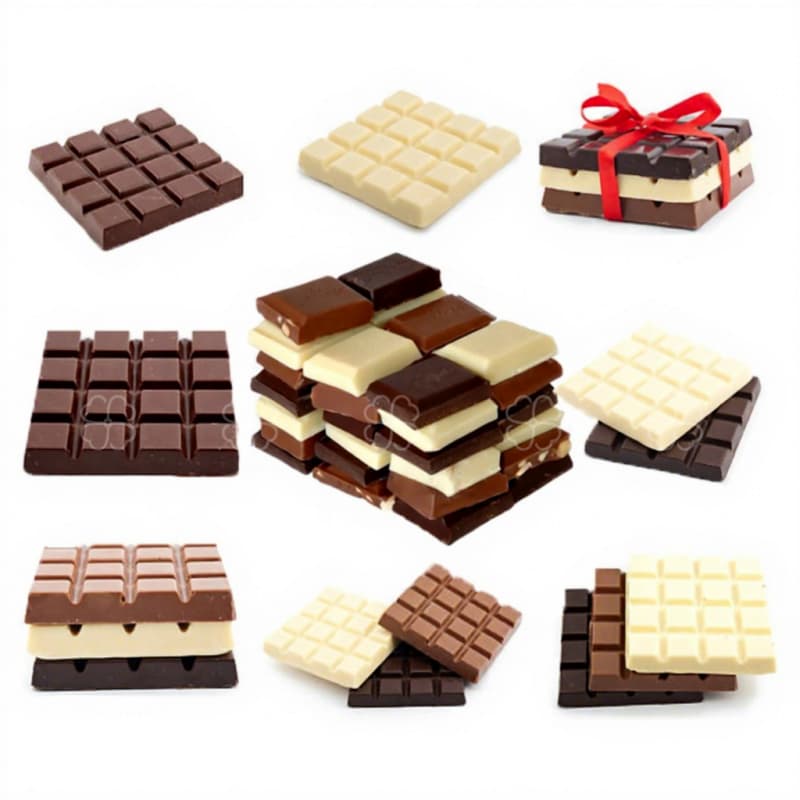
Delicious chocolate
1. Milk Chocolate vs. Dark Chocolate: Understanding the Key Differences
Milk chocolate and dark chocolate are both cocoa-based products, but their formulations create different sensory experiences and market positions. The main differences involve cocoa solids, milk ingredients, sugar content, bitterness, sweetness, texture, and flavor intensity. These characteristics influence how consumers perceive each product and where manufacturers can position it in the market.
What Makes Milk Chocolate Different?
Milk chocolate combines cocoa ingredients with milk solids, sugar, and usually cocoa butter. The addition of milk ingredients softens the intensity of cocoa and contributes to a creamy mouthfeel, a lighter brown color, and a generally sweeter taste. Depending on the recipe, manufacturers may use whole milk powder, skimmed milk powder, whey ingredients, or other permitted dairy components.
Its approachable flavor makes milk chocolate suitable for a wide range of everyday applications. It is commonly used in chocolate bars, filled chocolates, pralines, confectionery coatings, seasonal gifts, chocolate pieces, and snack products. Manufacturers can also combine it with caramel, nuts, biscuits, fruit, wafer, and other ingredients to create more differentiated products.
For international buyers, one of the main advantages of milk chocolate is its flexibility. It can serve as a mainstream retail product, a children’s confectionery option, a seasonal gift, or an ingredient in mixed chocolate assortments. Its familiar taste also makes it easier to introduce in markets where consumers prefer moderate cocoa intensity and a sweeter flavor profile.
What Makes Dark Chocolate Different?
Dark chocolate generally contains cocoa mass, cocoa butter, and sugar, with little or no milk solids depending on the formulation and applicable product standards. Its flavor is more strongly influenced by cocoa content, cocoa bean origin, roasting conditions, fermentation, and processing. Depending on the recipe, consumers may notice bitter, roasted, fruity, earthy, nutty, or slightly acidic notes.
Dark chocolate is available in a wide range of cocoa percentages. Products with approximately 50% to 60% cocoa may offer a relatively balanced taste, while formulations containing 70% to 85% cocoa usually deliver a more intense cocoa experience. Very high-cocoa products can appeal to consumers who specifically enjoy pronounced bitterness and less sweetness.
Dark chocolate is frequently positioned in premium confectionery, specialty retail, gifting, tasting assortments, and products targeting consumers who pay attention to cocoa origin or ingredient composition. However, a higher cocoa percentage does not automatically mean that a product is better for every consumer. Taste, formulation, portion size, and overall product quality remain important purchasing factors.
Key Differences Between Milk Chocolate and Dark Chocolate
| Comparison Factor | Milk Chocolate | Dark Chocolate |
|---|---|---|
| Main Ingredients | Cocoa ingredients, milk solids, sugar, and cocoa butter | Cocoa mass, cocoa butter, and sugar |
| Typical Flavor | Creamy, sweet, and mild | Intense, cocoa-forward, and potentially bitter |
| Cocoa Intensity | Generally moderate | Generally higher |
| Milk Ingredients | Normally included | Often absent or present only in limited formulations, depending on the product category |
| Common Applications | Everyday bars, filled chocolates, snacks, and gifts | Premium bars, tasting products, specialty gifts, and confectionery |
| Typical Market Position | Mainstream and mass-market | Premium, specialty, and cocoa-focused |
From a manufacturing perspective, these differences affect more than flavor. Milk ingredients influence formulation, processing behavior, allergen declarations, and storage considerations. Dark chocolate requires careful control of cocoa flavor, particle size, fat content, and crystallization. Manufacturers must therefore adapt recipes and processing parameters to achieve consistent quality in both categories.
2. Which Markets Have Stronger Demand for Milk Chocolate?
Milk chocolate has a broad international consumer base because its creamy texture and sweet flavor are familiar to many chocolate buyers. It is particularly suitable for markets where chocolate is purchased as an everyday snack, an affordable treat, a family product, or an accessible gift. Its versatility also allows retailers to offer products across different price points and packaging formats.
North America: A Strong Market for Mainstream Chocolate Products
The United States and Canada offer opportunities for milk chocolate across supermarkets, convenience stores, online retail, seasonal confectionery, and private-label product ranges. Consumers can find milk chocolate in traditional bars, bite-sized pieces, chocolate-coated snacks, filled products, and assorted gift boxes.
For wholesalers and importers, mainstream milk chocolate can be developed in different formats to serve multiple retail channels. Standard chocolate bars may suit supermarkets and convenience stores, while individually wrapped pieces and multipacks can support family consumption and promotional campaigns. Seasonal packaging can also help retailers create products for holidays, celebrations, and gifting occasions.
However, North American buyers should not assume that all consumers prefer the same sweetness level. Premium milk chocolate, reduced-sugar formulations, nut inclusions, caramel combinations, and products featuring distinctive cocoa origins can help brands serve different customer segments.
Europe: Established Chocolate Consumption and Diverse Product Preferences
European countries have mature chocolate markets with strong traditions of chocolate manufacturing and consumption. Milk chocolate remains an important category in countries such as the United Kingdom, Germany, Sweden, and Switzerland, although preferences differ between individual countries and consumer groups.
In these markets, buyers may look for familiar milk chocolate formulations as well as products featuring hazelnuts, almonds, caramel, wafer, biscuit, and other inclusions. Product texture and ingredient quality are important considerations, particularly for brands competing in established retail environments.
Manufacturers entering Europe should also pay attention to ingredient declarations, allergen management, food safety documentation, packaging requirements, and applicable labeling regulations. A product that performs well in one European market may still need adjustments to meet the expectations of another market.
Asia-Pacific: Opportunities in Everyday Snacks and Innovative Formats
Asia-Pacific is not a single uniform chocolate market. Consumer preferences vary considerably across China, Japan, South Korea, Southeast Asia, Australia, and other destinations. Nevertheless, milk chocolate offers opportunities through small snack packs, individually wrapped pieces, filled chocolates, seasonal gifts, and products designed for sharing.
In some markets, consumers are attracted to lighter sweetness, smooth textures, attractive packaging, and combinations with familiar local flavors. Matcha, milk tea, coffee, fruit, sesame, and nut-inspired flavors can provide opportunities for product differentiation. These ingredients should be selected according to local taste testing rather than applied as universal regional preferences.
For brands exploring this region, flexible packaging sizes and visually distinctive product designs can be as important as the chocolate formulation itself. Smaller packs may support trial purchases, while premium boxes and limited-edition designs can serve gifting occasions.
Why Milk Chocolate Works Well for Broad Distribution
Milk chocolate is often a practical starting point for buyers who want to build a mainstream chocolate range. Its familiar flavor can reduce the barrier to trial among consumers who are less interested in intense cocoa bitterness. It can also be adapted into many product types without changing the fundamental consumer proposition.
Businesses exploring different chocolate formats can review the manufacturer’s company background and manufacturing capabilities to understand its product focus, business experience, and potential suitability for international cooperation. For importers, checking supplier information is an important early step before requesting samples or discussing product specifications.
3. Where Is Dark Chocolate More Popular?
Dark chocolate has strong opportunities in markets where consumers appreciate more intense cocoa flavors, premium confectionery, specialty ingredients, and differentiated product experiences. It is often associated with higher cocoa percentages, origin-specific ingredients, sophisticated flavor profiles, and products designed for slower tasting rather than quick everyday consumption.
Europe: Strong Interest in Cocoa Intensity and Premium Chocolate
Several European markets provide attractive opportunities for dark chocolate, particularly where consumers have established chocolate traditions and access to premium confectionery. France, Italy, Belgium, Switzerland, and other markets have diverse consumer segments interested in dark chocolate bars, filled products, single-origin chocolate, and specialty assortments.
Consumers who enjoy dark chocolate may pay attention to cocoa percentage, flavor balance, texture, and the origin of cocoa beans. Products containing 70% cocoa or more can appeal to experienced dark chocolate consumers, while 50% to 60% formulations may provide a more accessible introduction for buyers who find very intense chocolate too bitter.
For manufacturers, this creates opportunities to develop product tiers rather than offering only one dark chocolate formulation. A portfolio could include balanced dark chocolate, high-cocoa bars, nut-filled varieties, fruit combinations, and premium gift assortments.
Asia: Premium Positioning and Distinctive Flavor Combinations
Markets such as Japan, Singapore, Hong Kong, and South Korea contain consumer segments interested in premium chocolate, specialty confectionery, and innovative flavor combinations. Dark chocolate can be positioned as a refined snack or gift product, especially when supported by attractive packaging and a clear product story.
However, the preferred cocoa intensity can vary. Some consumers may prefer smooth dark chocolate with moderate bitterness, while others may seek high-cocoa products or combinations with coffee, citrus, nuts, tea, or fruit. Product development should therefore consider tasting feedback, competitive products, and the price range accepted by local retail channels.
North America: Premium and Specialty Chocolate Segments
Although milk chocolate has broad appeal in North America, dark chocolate also has a significant place in premium supermarkets, specialty stores, online chocolate shops, and gift-oriented retail. It can attract consumers who want a more intense cocoa flavor or are interested in ingredients and product differentiation.
Manufacturers can develop dark chocolate products for several market positions. A moderate-cocoa bar may suit everyday premium consumption, while a high-cocoa bar can target experienced chocolate enthusiasts. Products with sea salt, almonds, hazelnuts, coffee, dried fruit, or other inclusions can further differentiate the range.
Dark Chocolate Is Not Limited to High-Income Consumers
Premium positioning is common in the dark chocolate category, but it does not mean that every dark chocolate product must be expensive. Affordable dark chocolate bars, small portion packs, mixed chocolate assortments, and private-label products can serve a wider audience.
Buyers should evaluate the relationship between cocoa percentage, ingredient quality, packaging, brand positioning, and retail price. A product with a high cocoa percentage may appeal to a specialized audience, while a smoother and moderately priced dark chocolate may have broader distribution potential.
Recent international survey findings also illustrate why market selection should be based on actual consumer data. A 2025 YouGov survey across 17 markets found that milk chocolate and dark chocolate were almost equally preferred overall, while country-level results varied. The survey reported stronger milk chocolate preferences in Sweden, the United Kingdom, Canada, and the United States, and stronger dark chocolate preferences in Italy, Singapore, France, Hong Kong, and India. These results are useful directional indicators, not a substitute for local market research or retail sales data.
4. How Regional Tastes Influence Chocolate Preferences
Regional chocolate preferences are shaped by several factors, including food culture, historical consumption habits, income levels, age groups, climate, product availability, and retail positioning. Understanding these influences helps manufacturers avoid the mistake of developing one standard recipe for every export destination.
Sweetness and Cocoa Intensity
Sweetness is one of the most noticeable differences between chocolate products. Milk chocolate generally offers a sweeter and creamier experience, while dark chocolate emphasizes cocoa flavor and can have more pronounced bitterness. However, sweetness preferences are not determined by geography alone. Consumers within the same country can have very different tastes.
Manufacturers should consider offering different sweetness levels and cocoa percentages when entering a new market. Consumer tasting panels can help identify whether a target audience prefers a mild milk chocolate, a balanced dark chocolate, or a more intense high-cocoa formulation.
Texture and Mouthfeel
Texture is another important factor in chocolate acceptance. Some consumers prefer a smooth, creamy product that melts easily in the mouth, while others appreciate a firmer texture and a more pronounced cocoa character. Particle size, fat composition, refining, conching, and tempering all influence the final sensory experience.
For filled chocolates and chocolate-coated products, the texture of the center or inclusion also matters. A crunchy biscuit, roasted nut, soft caramel, or fruit-flavored filling can change the overall eating experience and help a product appeal to a particular audience.
Flavor Innovation and Local Ingredients
Local flavor preferences can provide opportunities for product differentiation. Coffee and caramel may work well in several markets, while matcha, sesame, coconut, tropical fruit, citrus, or regional nuts may offer more distinctive positioning in selected destinations.
These combinations can be developed with either milk chocolate or dark chocolate. Milk chocolate can soften stronger ingredients and create a sweeter profile, while dark chocolate can complement roasted, nutty, fruity, and slightly acidic notes. The best combination depends on ingredient balance and consumer testing.
Packaging also influences regional acceptance. Some consumers prefer convenient single-serving formats, while others look for premium boxes, elegant wrappers, or multipacks suitable for sharing. Color selection, language, product imagery, portion sizes, and packaging materials should all be adapted to the target market.
For a broader understanding of changing consumer expectations, manufacturers can explore chocolate market trends, flavor innovation, packaging, and global consumer preferences. These factors can help businesses identify new product concepts and develop a more relevant chocolate portfolio for different export markets.
Scientific and Nutritional Differences: A Reference Comparison
The nutritional composition of milk chocolate and dark chocolate varies according to cocoa percentage, milk ingredients, sugar content, cocoa butter, and manufacturing formulation. The following table provides representative reference values per 100 g for commonly listed milk chocolate and dark chocolate containing approximately 70%–85% cocoa. These values are illustrative food-composition references, not specifications or laboratory results for any particular manufacturer’s products.
| Nutritional Component | Milk Chocolate | Dark Chocolate (70–85% Cocoa) |
|---|---|---|
| Energy | 535 kcal | 598 kcal |
| Total Fat | 29.7 g | 42.6 g |
| Saturated Fat | 18.5 g | 24.5 g |
| Total Carbohydrates | 59.4 g | 45.9 g |
| Total Sugars | 51.5 g | 24.0 g |
| Dietary Fiber | 3.4 g | 10.9 g |
| Protein | 7.7 g | 7.8 g |
Reference and interpretation: Values are rounded representative figures based on USDA FoodData Central food entries for milk chocolate and dark chocolate containing 70%–85% cocoa. Actual products may differ substantially. The higher cocoa content in dark chocolate is commonly associated with lower sugar and higher fiber per 100 g than the selected milk chocolate reference, but the exact nutritional profile depends on the recipe. Nutritional values should always be verified through product-specific laboratory analysis and the applicable labeling rules in the destination market.
For manufacturers, these differences are relevant to product positioning and label preparation. Nutritional claims must be supported by the finished product’s actual composition and must comply with local regulations. Dark chocolate should not automatically be marketed as a health product, and milk chocolate should not be judged only by its sugar content. Flavor, serving size, formulation, and consumer expectations remain central to purchasing decisions.
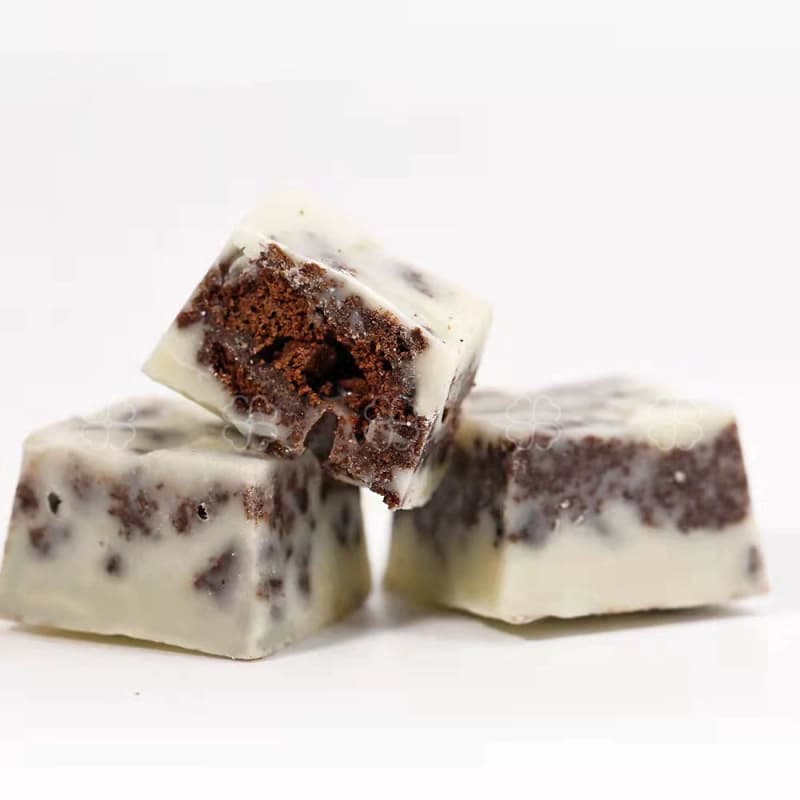
Chocolate Filled Candy-5
5. Milk Chocolate vs. Dark Chocolate: Which Is Better for Different Consumer Groups?
Neither milk chocolate nor dark chocolate is universally better. The more effective product depends on the target consumer, consumption occasion, flavor preference, and price expectations. For brands and importers, segmenting the market by consumer behavior can lead to more accurate product selection and stronger retail performance.
Children and Family Consumers
Milk chocolate is often a suitable option for products targeting family consumption because of its familiar sweetness and creamy texture. Chocolate buttons, small bars, filled pieces, and assorted snack packs can be developed for this segment. Attractive packaging and convenient portions may also encourage trial purchases.
For products intended for children, manufacturers and buyers should pay attention to age-appropriate packaging, portion sizes, allergen information, ingredient declarations, and applicable marketing regulations. Product communication should focus on taste and enjoyment rather than unsupported nutritional or health claims.
Young Adults and Everyday Snack Buyers
Young adult consumers may purchase both milk chocolate and dark chocolate depending on mood, flavor preferences, price, and occasion. Milk chocolate can serve as an everyday treat, while dark chocolate may appeal to consumers seeking a more intense flavor experience.
Innovative combinations can help brands attract this segment. Examples include milk chocolate with caramel or crunchy biscuit, dark chocolate with roasted nuts or coffee, and mixed assortments that allow consumers to compare different cocoa intensities.
Premium Chocolate Consumers
Consumers who actively explore premium confectionery may be interested in dark chocolate with distinctive cocoa percentages, single-origin ingredients, specialty inclusions, and carefully designed packaging. However, premium milk chocolate can also serve this segment when it offers excellent texture, quality ingredients, and distinctive flavor combinations.
For this audience, manufacturers should communicate product characteristics clearly. Cocoa percentage, ingredient origin, flavor notes, production standards, and packaging quality can all contribute to a stronger product proposition.
Gift Buyers and Seasonal Shoppers
Both categories can perform well in gifting markets. Milk chocolate is often suitable for broad-appeal gift assortments, while dark chocolate can be positioned in more sophisticated gift collections. Mixed boxes containing milk and dark varieties can serve buyers who do not know the recipient’s exact preference.
Seasonal packaging, limited-edition flavors, premium gift boxes, and customized product assortments can help retailers create additional purchasing occasions. The best product choice should reflect the recipient profile, local gifting customs, and the retail price range.
6. Wholesale and Export Considerations for International Chocolate Buyers
Choosing a chocolate category for export requires more than identifying which flavor is popular. International buyers must consider product specifications, target retail channels, packaging, shipping conditions, regulatory requirements, and supplier reliability. A product with strong consumer appeal may still be unsuitable if its shelf-life documentation, labeling, packaging, or logistics arrangements do not meet the destination market’s requirements.
Evaluate the Target Market Before Selecting a Product
Importers should begin by identifying their intended customers and sales channels. Supermarkets, convenience stores, specialty chocolate shops, online retailers, gift distributors, and food-service businesses may require different product formats and price points.
For example, a supermarket buyer may prioritize consistent supply, competitive packaging, and familiar flavors. A specialty retailer may focus more on cocoa percentage, origin information, and premium presentation. A distributor serving multiple channels may need both mainstream milk chocolate and differentiated dark chocolate products.
Before placing a bulk order, buyers should review the supplier’s chocolate product range to compare available categories, product formats, and potential customization options. This helps importers determine whether a supplier can support a single product launch or a broader chocolate portfolio.
Check Ingredients, Specifications, and Product Consistency
Product specifications should clearly identify the chocolate type, ingredient list, cocoa percentage where relevant, net weight, dimensions, packaging format, allergen information, and applicable storage conditions. Buyers should also request relevant food safety documents and product-specific test reports where required.
For milk chocolate, particular attention should be given to milk ingredients and allergen declarations. For dark chocolate, buyers should confirm the cocoa percentage, ingredient composition, and whether the formulation meets the product definition and labeling rules of the destination market.
Consistency between approved samples and commercial production is equally important. Buyers should establish acceptance criteria for flavor, color, texture, weight, appearance, and packaging before confirming large-scale orders.
Consider Packaging and Transportation Conditions
Chocolate is sensitive to temperature fluctuations, humidity, odor exposure, and improper handling. Heat can soften or melt chocolate, while temperature changes may contribute to fat or sugar bloom. Although bloom does not always mean that chocolate is unsafe, it can negatively affect appearance and consumer acceptance.
Export buyers should discuss suitable packaging materials, protective cartons, palletization, container loading, and transportation arrangements with their suppliers. Storage and shipping conditions should follow the product’s validated specifications and the requirements of the destination market.
Packaging also has a commercial role. Individual wrappers may support convenience retail, multipacks can serve family purchases, and gift boxes can target seasonal demand. Private-label buyers should ensure that artwork, language, ingredient declarations, barcode information, and mandatory labeling details are checked before printing.
Compare Supplier Capabilities and Communication
Reliable supplier communication can reduce misunderstandings during product development and order execution. Buyers should confirm sample availability, production lead times, packaging approval procedures, quality control arrangements, export documentation, and shipping responsibilities before finalizing an order.
Businesses looking for a manufacturing partner should also evaluate the supplier’s experience with overseas markets, product customization, and communication throughout the order process. A supplier’s ability to explain technical specifications and respond clearly to buyer requirements is an important part of a successful long-term relationship.
For product inquiries, sample requests, and discussions about wholesale or customized chocolate projects, buyers can use the manufacturer’s contact page for business inquiries to communicate their requirements and explore potential cooperation.
7. How Chocolate Manufacturers Can Develop Products for Different Markets
Manufacturers that serve international customers need a flexible product development strategy. Instead of producing one standard milk chocolate and one standard dark chocolate for every destination, they can create product variations based on local preferences, price positioning, and retail requirements.
Develop Different Cocoa Percentage Options
For dark chocolate, offering several cocoa percentages can help brands serve consumers with different levels of flavor experience. A moderate-cocoa product may suit consumers who prefer a balanced taste, while a 70% or higher formulation can target customers who appreciate stronger cocoa intensity.
Milk chocolate can also be adjusted through cocoa content, milk ingredients, sweetness, and flavor combinations. The goal should be to achieve a consistent and appealing sensory profile rather than simply increasing or decreasing one ingredient.
Create Localized Flavor Combinations
Flavor innovation can help manufacturers differentiate products in competitive export markets. Milk chocolate may be paired with caramel, hazelnut, almond, biscuit, wafer, coffee, or fruit ingredients. Dark chocolate can be combined with orange, raspberry, sea salt, roasted nuts, coffee, and other ingredients that complement its cocoa character.
Manufacturers should evaluate ingredient compatibility, flavor stability, texture, and shelf-life performance during product development. A combination that tastes attractive in a laboratory sample may require further adjustment when produced at commercial scale.
Offer OEM, ODM, and Private-Label Solutions
OEM and ODM services can help overseas brands develop products that match their own market positioning. OEM projects may involve manufacturing according to buyer-provided specifications, while ODM projects may include more extensive support with product concepts, formulation options, packaging ideas, and product development.
Private-label buyers may require customized product weights, shapes, flavor combinations, wrappers, cartons, and retail-ready packaging. Manufacturers should establish a clear approval process covering sample confirmation, artwork, ingredient specifications, packaging materials, and final product requirements.
Use Market Testing Before Large-Scale Production
Before launching a new chocolate product, businesses can conduct small-scale consumer tests, distributor feedback sessions, retail trials, or sample evaluations. These activities can help identify preferred sweetness levels, cocoa percentages, product sizes, and packaging designs.
For example, an importer entering a market with limited experience of high-cocoa chocolate may test both a moderate dark chocolate and a 70% cocoa option. A buyer targeting mainstream retail may compare classic milk chocolate with milk chocolate containing nuts or caramel. The results can inform product selection and reduce the risk of launching a product that does not match local demand.
Build a Balanced Milk and Dark Chocolate Portfolio
For many international businesses, the strongest strategy is not to choose only one category. A balanced portfolio can combine milk chocolate for broad consumer appeal with dark chocolate for premium and specialty positioning.
Retailers and distributors can use this approach to serve different age groups, purchasing occasions, and price segments. Mixed assortments can also help consumers discover new flavors and compare cocoa intensities. Manufacturers benefit from a broader range of product opportunities while maintaining a clear structure for product development and export planning.
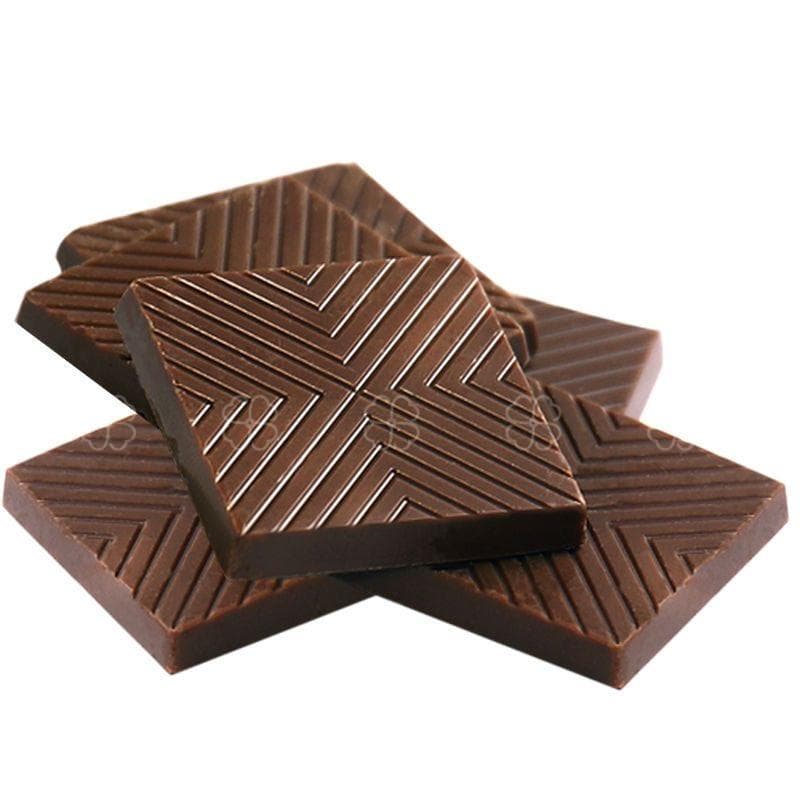
Dark chocolate1
Match Chocolate Products to Consumer Demand, Not Just Market Size
The opportunities for milk chocolate and dark chocolate depend on how well each product matches local consumer expectations. Milk chocolate often provides a strong foundation for mainstream retail, everyday snacking, family consumption, and accessible gifting. Dark chocolate can offer attractive opportunities in premium confectionery, specialty retail, and markets where consumers appreciate stronger cocoa flavors and differentiated ingredients.
However, regional preferences are not fixed rules. A country with strong milk chocolate consumption can still contain valuable premium dark chocolate segments, while a market with an established dark chocolate culture may also have substantial demand for creamy and sweet products. Buyers should combine consumer research, product testing, competitive analysis, and supplier evaluation before making final purchasing decisions.
For manufacturers, the long-term opportunity lies in developing flexible formulations, localized flavors, suitable packaging, and reliable OEM or private-label services. By understanding the differences between Milk Chocolate and Dark Chocolate, businesses can build a product portfolio that responds to real market demand and supports sustainable international growth.
Frequently Asked Questions About Milk Chocolate and Dark Chocolate Markets
1. Which countries have the strongest demand for milk chocolate?
Milk chocolate has broad consumer appeal in many countries, including the United States, Canada, the United Kingdom, Sweden, and Germany. However, demand varies by consumer age, retail channel, product format, and price range. Importers should examine local sales data and consumer preferences before selecting a specific milk chocolate formulation for distribution.
2. Which countries are most interested in dark chocolate?
Dark chocolate has established consumer segments in several European and Asian markets, including Italy, France, Singapore, Hong Kong, and other destinations where consumers may appreciate more intense cocoa flavors. These markets can offer opportunities for premium bars, high-cocoa products, specialty assortments, and gift collections. Actual demand should be evaluated through local market research rather than assumed from regional reputation alone.
3. Is milk chocolate or dark chocolate better for international wholesale business?
Neither category is universally better for wholesale. Milk chocolate may be suitable for mainstream supermarkets, convenience stores, family-oriented products, and broad retail distribution. Dark chocolate may be more appropriate for premium retailers, specialty shops, and consumers who prefer stronger cocoa flavors. Many importers can benefit from offering both categories to cover different customer groups and purchasing occasions.
4. What cocoa percentage should manufacturers choose for dark chocolate in different markets?
The appropriate cocoa percentage depends on the target consumers and the intended product position. Dark chocolate containing approximately 50% to 60% cocoa may provide a more accessible flavor for consumers who prefer moderate bitterness. Products with 70% to 85% cocoa can target consumers who enjoy stronger cocoa intensity. Manufacturers should conduct taste tests and review local competitors before confirming the final formulation.
5. What should importers check before purchasing milk chocolate or dark chocolate in bulk?
Importers should review the ingredient list, cocoa percentage where applicable, product specifications, allergen declarations, nutritional information, packaging design, shelf-life documentation, storage conditions, and relevant food safety documents. They should also evaluate sample quality, production consistency, supplier communication, export experience, and transportation arrangements. Confirming these details before bulk production can help reduce quality, labeling, and logistics risks.