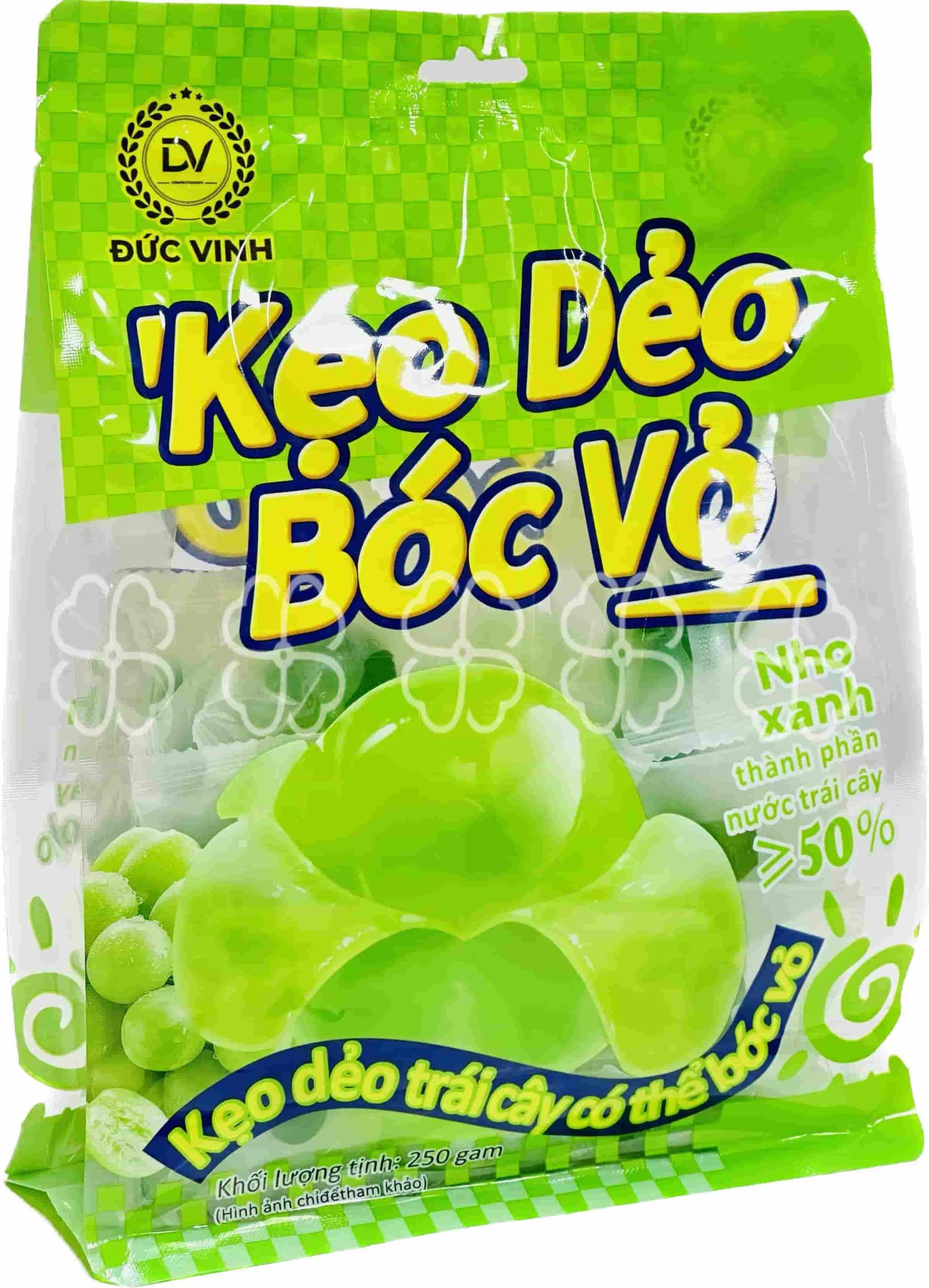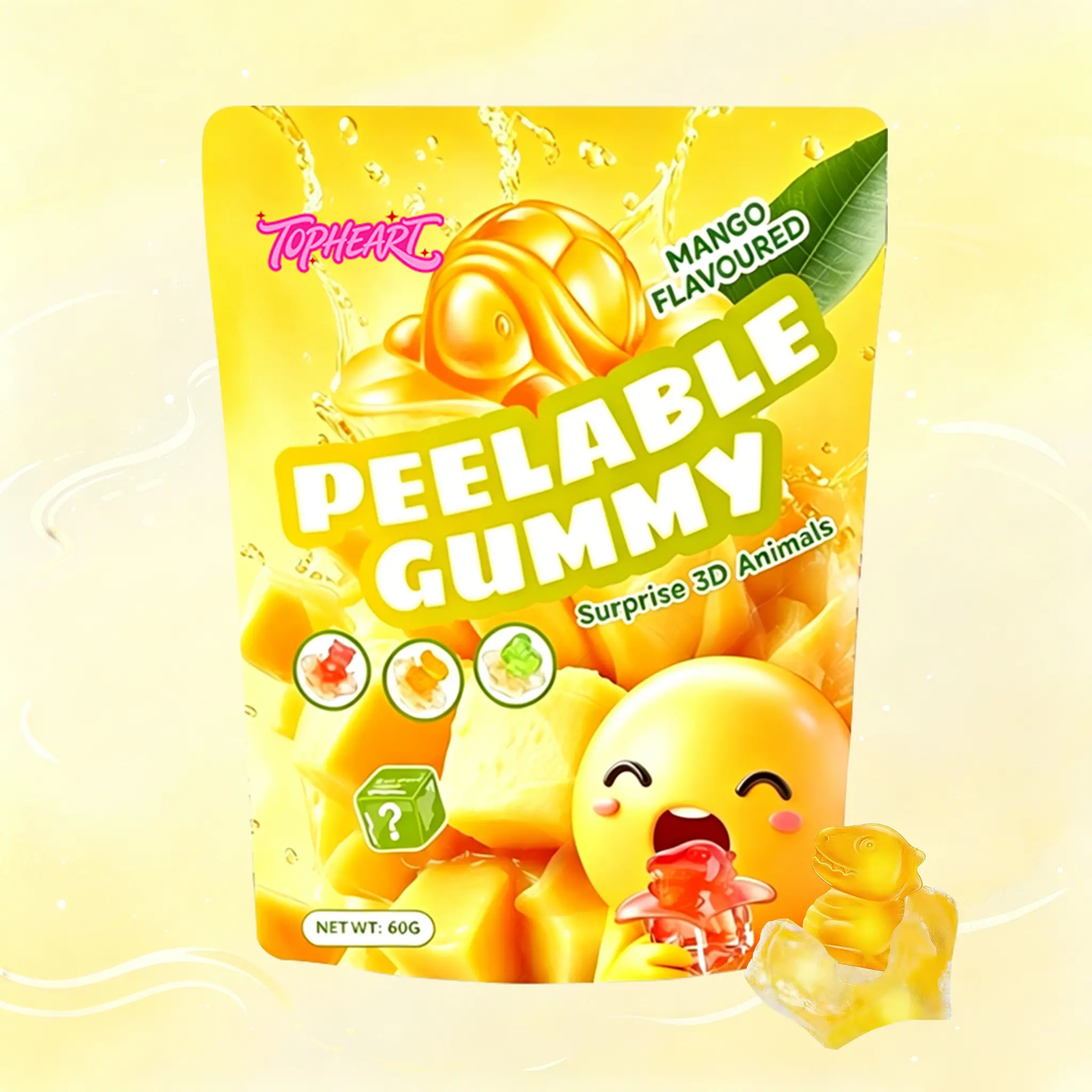




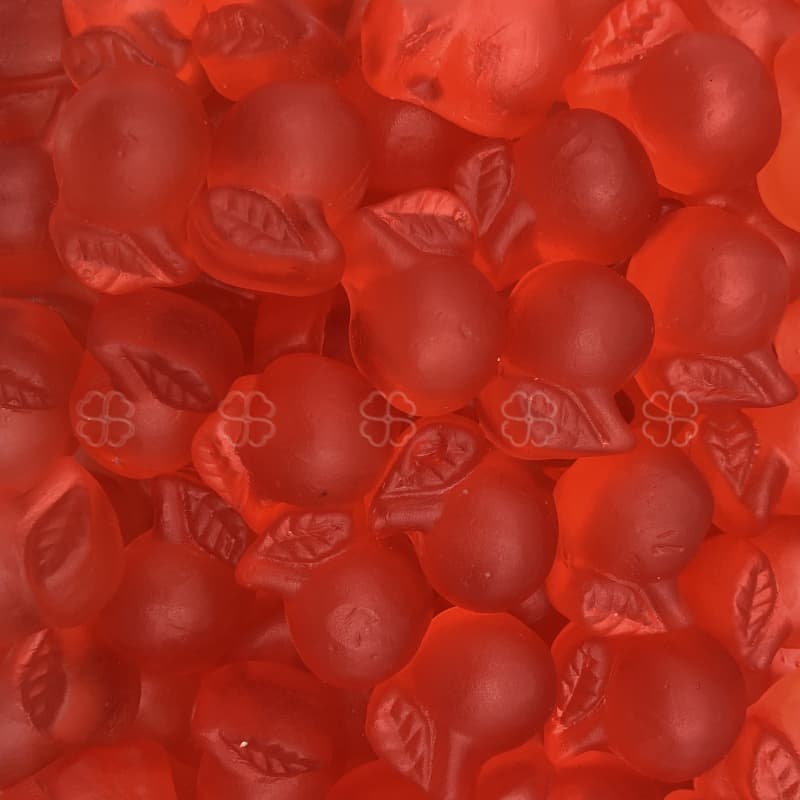


Strawberries have a naturally appealing identity in confectionery. Their sweet fruit character, recognizable aroma, and vivid red color make them suitable for products ranging from everyday treats to playful novelty candy. The peelable format adds a new dimension to this familiar fruit inspiration, transforming a simple piece of candy into an experience that consumers can see, touch, peel, and enjoy.
The experience begins when a consumer picks up a piece and gently removes its outer layer. As the inner gummy is revealed, anticipation builds before the strawberry flavor and chewy texture complete the experience. This combination gives the product a clear story that can be communicated through packaging, product photography, retail displays, and short-form videos.
For confectionery brands, importers, distributors, and private-label buyers, the appeal lies in the combination of a familiar fruit identity and a less conventional way to enjoy candy. It offers a potential addition to novelty confectionery collections, fruit-inspired assortments, and retail ranges that need a more memorable product presentation.
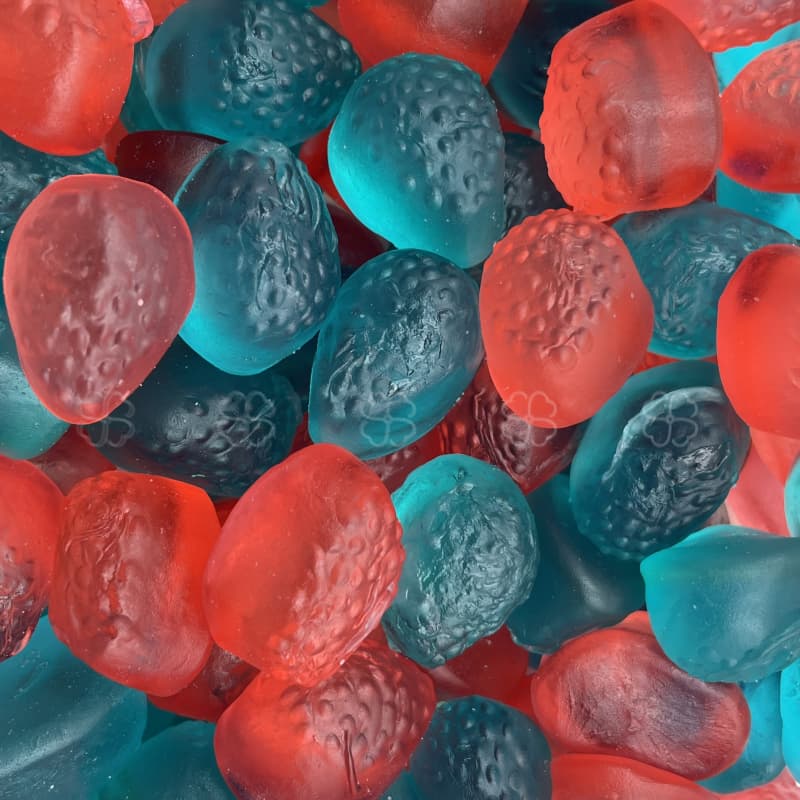
Peelable Gummies-strawberry
Why Strawberry Works So Well With a Peelable Format
Strawberry is a familiar flavor, but familiarity does not have to mean predictability. A distinctive candy structure can give an established fruit profile a new role in a modern confectionery collection.
The flavor provides an approachable starting point. Consumers can recognize the strawberry theme from the product name and visual presentation, while the peeling action introduces an additional point of interest. The result is a product concept that combines recognizable taste expectations with a more interactive consumption experience.
Depending on the intended positioning and final formulation, the strawberry profile may emphasize ripe fruit sweetness, a bright and tangy character, or a balanced strawberry aroma with a rounded finish. These directions give product developers flexibility when evaluating samples for different customer preferences.
The visual identity is equally flexible. Red strawberry imagery can communicate sweetness and fruit appeal, while pink accents, green leaves, and close-up fruit illustrations can create a fresh and playful presentation. Showing the candy partially peeled helps explain its defining feature without requiring a lengthy product description.
For brands looking to refresh a fruit candy assortment, the combination of strawberry familiarity and interactive design offers a useful starting point for product differentiation.
Product Overview
| Product Feature | Details |
|---|---|
| Product Name | Peelable Gummies-strawberry |
| Product Category | Soft Candy / Gummy Candy |
| Main Flavor | Strawberry |
| Flavor Character | Fruity, Sweet, and Strawberry-Inspired |
| Texture | Soft and Chewy Gummy Center |
| Signature Feature | Peelable Outer Layer |
| Consumption | Ready to Eat |
| Packaging Options | Bags, Pouches, Boxes, or Other Confirmed Formats |
| Branding | Subject to Customization Availability |
| Potential Applications | Retail Snacking, Novelty Candy, Fruit Collections, and Gifting |
Note: Final ingredients, product dimensions, packaging specifications, shelf life, and customization options should be confirmed with the manufacturer.
Five Details That Make This Strawberry Candy Concept Stand Out
1. A Recognizable Strawberry Identity With Room for Creativity
Strawberry provides a familiar starting point for consumers. Its fruit-inspired identity is easy to communicate through product naming, packaging artwork, and promotional photography. This recognition can help brands introduce an unusual candy format without making the flavor concept difficult to understand.
However, a strawberry product does not have to follow a single flavor direction. Depending on the formulation, product developers can explore several sensory approaches:
- Ripe strawberry: A rounded fruit character that emphasizes sweetness and familiar strawberry notes.
- Fresh strawberry: A lighter fruit-inspired direction with a bright and lively impression.
- Sweet-and-tangy strawberry: A more contrasting profile that combines sweetness with a sharper fruit sensation.
- Strawberry dessert style: A richer flavor direction inspired by strawberry-based desserts, subject to the available formulation.
These are possible development directions rather than a claim that every variation is available. The final profile should be selected according to sample evaluation, manufacturing capabilities, and target-market preferences.
2. Peeling Creates a Small Moment of Discovery
The product’s defining feature is not simply what consumers taste, but what they do before tasting it.
The outer layer invites interaction. Peeling it away reveals the gummy center and creates a visible transition from the intact candy to the exposed interior. This small action gives the product a more engaging identity than a conventional gummy that is eaten immediately after opening the package.
The experience can be communicated through a simple sequence:
Pick → Peel → Reveal → Taste → Enjoy
This sequence is useful for product pages, packaging illustrations, promotional videos, and retail displays. It allows buyers to explain the product’s main point of difference quickly and consistently.
For digital marketing, a close-up video showing the peeling process may help communicate the format more effectively than a static image alone. The demonstration should accurately represent the actual product and avoid exaggerating how easily the layers separate.
3. Soft Chewiness Complements the Interactive Structure
After peeling, consumers reach the gummy center. Its soft, chewy character provides the familiar eating experience associated with gummy confectionery while creating a contrast with the outer layer.
For buyers, this makes texture an important part of sample evaluation. The product needs to perform as an integrated candy rather than merely looking attractive in photographs.
Several points deserve attention during testing:
- Whether the outer layer can be peeled in a practical and consistent manner.
- Whether the gummy center maintains its intended texture.
- Whether the layers remain intact during normal handling and packaging.
- Whether the product’s appearance remains acceptable during storage and transport.
- Whether flavor and texture remain consistent throughout the validated shelf life.
These checks help determine whether the product can deliver a repeatable experience across production batches and commercial shipments.
4. Strawberry Colors Create Strong Packaging Possibilities
The strawberry theme offers a natural visual language for packaging design. Red can establish an immediate fruit association, pink can create a softer and more playful mood, and green details can provide contrast through strawberry leaves and fresh fruit illustrations.
Different combinations can support different brand personalities. Bright red and pink graphics may suit novelty-oriented products, while a cleaner layout with realistic fruit imagery may appeal to brands seeking a more contemporary appearance.
The peeling feature should remain visible in the design. Showing an intact piece beside a partially peeled piece can explain the product structure at a glance. A close-up of the gummy center can further communicate its texture, provided the image accurately reflects the finished product.
Good packaging does more than attract attention. It helps consumers understand the flavor, product format, pack quantity, and relevant product information before making a purchase.
5. One Product Can Support a Broader Retail Assortment
A distinctive strawberry product can be developed as an individual item or positioned within a larger confectionery collection. Its familiar fruit identity provides continuity, while the peelable structure supplies a recognizable format for a coordinated product family.
For distributors and retailers, a consistent collection can make assortment planning easier. Coordinated packaging can establish a recognizable shelf presence, while different fruit-inspired flavors may help introduce variety without changing the overall product concept.
Possible commercial directions include novelty candy selections, fruit-themed assortments, seasonal collections, and private-label confectionery ranges. The final assortment should reflect confirmed product availability, minimum order quantities, and the purchasing needs of each market.
From the First Look to the Final Bite
The experience can be understood as a sequence of visual and sensory stages rather than a single moment of consumption.
Stage One: Notice the Strawberry Design
Fruit-inspired colors and clear packaging help establish the product’s identity. Red strawberry imagery and a visible depiction of the peelable format can encourage consumers to look more closely.
Stage Two: Discover the Outer Layer
Once the candy is picked up, its unusual structure becomes the focus. The consumer can explore the surface and begin peeling, provided the product is designed to separate in the intended way.
Stage Three: Reveal the Gummy Center
The exposed interior creates a visual contrast between the outer layer and the center. This moment offers an opportunity for product photography and demonstration content.
Stage Four: Enjoy the Strawberry Flavor
The fruity flavor and chewy texture complete the experience. The flavor should remain consistent with the approved formulation and the expectations established by the product’s packaging.
For brands, this sequence creates a clear communication framework that connects the product’s design with its eating experience.
Where Can This Product Fit in the Market?
Everyday Candy and Impulse Purchases
The familiar strawberry theme can make the product approachable for everyday candy shoppers. Its interactive structure adds a point of difference that may help it stand apart from conventional fruit confectionery.
Retailers can consider suitable pack sizes, clear front-of-pack messaging, and displays that demonstrate the peeling process. Price positioning and packaging configuration should be selected according to local market conditions.
Novelty Confectionery Collections
The combination of a familiar flavor and an unusual format makes the product a potential addition to novelty candy collections. Retailers can use product demonstrations and close-up images to explain what makes it different.
For a coordinated assortment, the product can be evaluated alongside other compatible confectionery items that share a similar visual style or interactive concept.
Online Candy Stores and E-Commerce
Online shoppers cannot physically handle the candy before purchasing it. Product photography and clear descriptions therefore play an important role in explaining the format.
Useful product-page content can include a front-facing package image, a close-up of the candy, a photograph showing the peeling process, and a concise explanation of the flavor and texture. Short videos can demonstrate the product’s actual appearance and handling characteristics.
Parties, Gift Sets, and Social Occasions
The peeling action can provide an additional point of interest in candy assortments and casual sharing occasions. Strawberry-inspired colors may also complement gift packaging and themed confectionery selections.
For commercial buyers, the suitability of a particular pack format depends on portion size, packaging integrity, labeling, and the intended use. Any suitability claims for specific age groups or occasions should be reviewed against the finished product and applicable requirements.
Seasonal and Promotional Collections
The recognizable fruit theme offers flexibility for promotional packaging. Brands may explore seasonal artwork, coordinated color palettes, gift-oriented formats, or limited-edition visual concepts when supported by the manufacturer’s production capabilities.
For these projects, buyers should confirm artwork requirements, production schedules, order quantities, and packaging lead times before setting a launch date.
Product Specifications for Wholesale Buyers
Product evaluation should cover flavor and appearance as well as the technical and commercial details needed for purchasing decisions. The following checklist provides a starting point for supplier discussions.
| Item | Specification or Confirmation Required |
|---|---|
| Product Name | Peelable Gummies-strawberry |
| Product Type | Soft Candy / Gummy Candy |
| Flavor | Strawberry-inspired profile; confirm the final formulation. |
| Texture | Soft and chewy center; confirm through sample testing. |
| Peelable Structure | Verify layer separation and product integrity. |
| Net Weight | Confirm available pack weights. |
| Packaging | Confirm materials, format, dimensions, and artwork requirements. |
| Shelf Life | Confirm validated shelf life and storage recommendations. |
| Customization | Confirm available branding and packaging options. |
| Commercial Terms | Confirm minimum order quantity, quotation, lead time, and shipping terms. |
Actual product specifications should be supplied by the manufacturer. Buyers should not assume a particular ingredient composition, pack weight, shelf life, certification, or customization capability without supporting documentation.
Packaging That Makes the Strawberry Story Clear
Effective packaging needs to balance visual appeal, product information, and practical protection. For a fruit-inspired candy, the design should establish the flavor quickly while giving the unusual structure enough visibility to become a selling point.
Color Direction and Fruit Imagery
Red and pink can provide the foundation for a strawberry-inspired identity. Green accents can introduce contrast, while realistic fruit photography can communicate a more natural visual style. Illustrated strawberries and playful graphics can create a more energetic appearance.
The final direction should be consistent with the brand’s positioning and the expectations of the intended retail channel. A crowded design may obscure the product name, while an overly minimal design may fail to communicate the peeling feature.
Demonstrating the Peelable Design
Showing the candy before and after peeling can explain the product more effectively than displaying an intact piece alone. A sequence of images can show the outer surface, the peeling action, and the revealed center.
Product images should represent the actual candy and its commercial packaging. Any visual enhancements should not mislead buyers about the product’s shape, size, texture, or appearance.
Potential Packaging Formats
- Retail bags for everyday candy purchases.
- Stand-up pouches for shelf presentation.
- Boxed formats for coordinated assortments.
- Mixed-flavor packs where compatible products are available.
- Private-label packaging for retailers and confectionery brands.
- Seasonal or promotional packaging for selected campaigns.
- Customized artwork and brand-logo applications where available.
Packaging materials should be selected with consideration for moisture protection, product stability, transportation, and the storage conditions recommended by the manufacturer. Final options depend on production capabilities and order requirements.
Private Label and OEM Opportunities
For confectionery businesses seeking a product with a clear visual identity, private-label development may provide an opportunity to align the candy with an established brand or retail strategy.
Depending on the supplier’s capabilities, discussions may cover product samples, flavor evaluation, packaging artwork, pack configuration, and commercial planning. Buyers should establish which elements can be customized and which are determined by the existing product specification.
Sample Evaluation and Product Approval
Before committing to a production order, buyers should evaluate the physical sample rather than relying exclusively on product descriptions or promotional images.
A structured review can cover flavor intensity, aroma, sweetness, texture, ease of peeling, visual consistency, and packaging suitability. Feedback should be documented so that both parties understand the approved product characteristics.
Artwork and Labeling Preparation
Packaging development should include the information required for the intended destination market. Depending on local regulations, this may include the ingredient list, allergen declaration, nutrition information, net quantity, manufacturer details, barcode, and other mandatory labeling elements.
Claims concerning ingredients, dietary suitability, nutritional properties, or product benefits should be accurate and supported by the appropriate documentation. Final artwork should be checked and approved before printing.
Production and Order Planning
Wholesale buyers should confirm minimum order quantities, sample availability, packaging procurement, production lead times, quality-control procedures, and shipment arrangements. A detailed quotation can help clarify the relationship between pack configuration, customization, order volume, and total cost.
For repeat orders, approved samples and documented specifications can help maintain consistency across shipments and reduce avoidable misunderstandings.
Quality Checks Before Market Launch
A visually distinctive product must also remain consistent during manufacturing, packaging, storage, and distribution. The peelable structure makes product integrity especially important because the interaction is central to the intended experience.
- Peelability: Check whether the outer layer separates as intended across representative samples.
- Texture: Verify the consistency of the gummy center and its performance during the validated shelf life.
- Flavor: Compare samples with the approved flavor profile.
- Appearance: Review color, shape, surface condition, and consistency between pieces.
- Packaging integrity: Examine seals, closures, and material suitability.
- Storage stability: Confirm recommended storage conditions and supporting shelf-life data.
- Documentation: Obtain the relevant product specification, ingredient information, quality records, and compliance documents.
These checks help buyers assess whether the product is suitable for their distribution requirements. Storage conditions and shelf-life claims should follow the manufacturer’s validated recommendations rather than assumptions based on the product category.
Frequently Asked Questions
What is Peelable Gummies-strawberry?
Peelable Gummies-strawberry is a strawberry-inspired gummy candy concept featuring a peelable outer layer and a soft, chewy center. Its appeal combines familiar fruit flavor with an interactive way to enjoy candy.
What does Peelable Gummies-strawberry taste like?
The intended flavor profile centers on strawberry fruit character. The final taste may emphasize sweetness, fresh fruit notes, or a sweet-and-tangy balance depending on the approved formulation.
How do you eat Peelable Gummies-strawberry?
The intended experience is to pick up a piece, gently peel the outer layer, reveal the gummy center, and enjoy the candy. The actual peeling performance should be verified with a product sample.
Is Peelable Gummies-strawberry a hard candy?
No. It is positioned as a soft gummy candy rather than a conventional hard candy. Its defining characteristics are the chewy center and peelable structure.
Can the packaging be customized?
Potential options include customized artwork, brand logos, colors, and pack configurations, subject to the manufacturer’s capabilities and order requirements. Buyers should confirm minimum order quantities, costs, and lead times before proceeding.
Can wholesale buyers request samples?
Sample availability should be confirmed directly with the supplier. Before ordering, buyers should evaluate the flavor, texture, peelability, appearance, and suitability of the proposed packaging.
What information should importers confirm before purchasing?
Importers should confirm the full ingredient list, allergen information, verified nutrition data, shelf life, storage requirements, packaging specifications, minimum order quantity, pricing, lead time, and documentation required for their destination market.
Make Strawberry Candy More Memorable
Peelable Gummies-strawberry brings a familiar fruit identity into a more interactive confectionery experience. Its strawberry-inspired character provides an approachable starting point, while the peelable structure introduces curiosity and the soft gummy center completes the experience.
For brands and distributors, the concept offers opportunities to communicate product value through more than flavor alone. Packaging, product demonstrations, retail presentation, and coordinated confectionery collections can all contribute to a recognizable market identity.
Whether considered for a novelty candy assortment, a fruit-inspired product range, or a private-label project, the next step is to confirm the actual sample, review the product specifications, and establish the commercial requirements for the intended market.
Looking for a distinctive addition to your confectionery portfolio? Contact the supplier to discuss sample availability, verified specifications, packaging options, minimum order quantities, and private-label requirements.
Peel the layer. Reveal the strawberry. Enjoy a different kind of candy experience.