
Unlike conventional chocolate bars or simple chocolate pieces, animal-shaped products use recognizable figures to create a stronger connection between product appearance and consumer interest. Their designs can be adapted to different chocolate varieties, sizes, colors, packaging formats, and target markets. For importers, wholesalers, distributors, and confectionery brands, understanding the available product types and manufacturing considerations is an important step toward selecting the right product range.
This guide explores the main types of chocolate animals, popular animal shapes, chocolate varieties, production processes, flavor possibilities, packaging considerations, and wholesale purchasing factors. Whether a business is developing a new seasonal collection or expanding an existing chocolate portfolio, these considerations can help turn a creative product concept into a commercially practical confectionery offering.
Chocolate Animals
1. What Are Chocolate Animals?
1.1 Understanding Animal-Shaped Chocolate
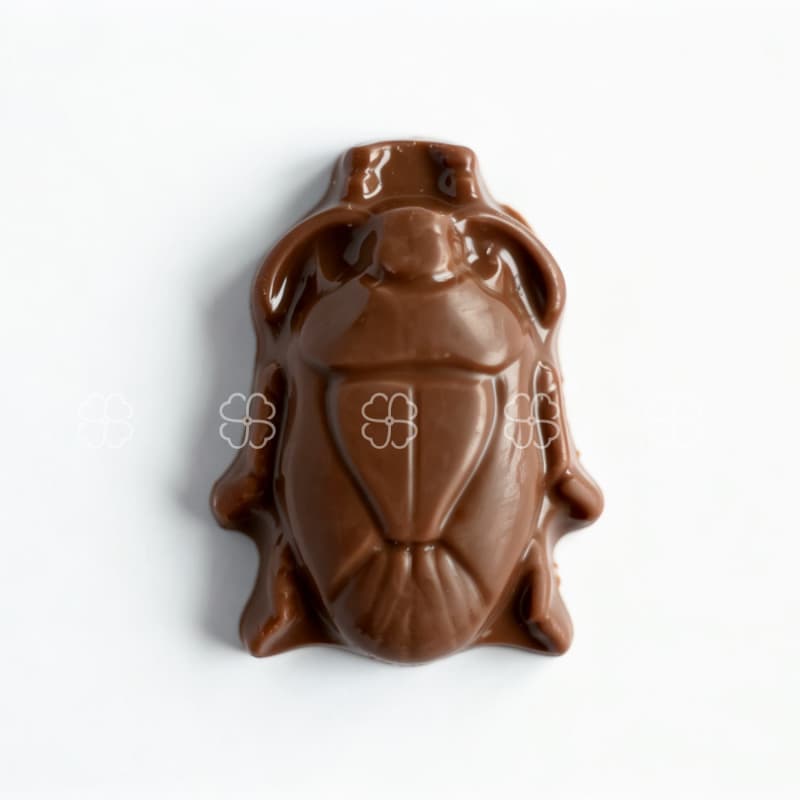
Chocolate Animals are confectionery products formed into recognizable animal figures using chocolate or chocolate-based formulations. Common designs include bears, rabbits, cats, dogs, elephants, pandas, lions, penguins, ducks, and other familiar animals. Depending on the product concept, these figures may be produced as solid chocolate pieces, hollow chocolate shells, filled chocolates, or molded decorative products.
The defining characteristic is the combination of chocolate as the primary confectionery material and an animal-inspired appearance. Some products use simple silhouettes, while others include detailed facial features, ears, paws, tails, or textured surfaces. This range of design possibilities allows manufacturers and brands to create products for different price points, packaging concepts, and retail categories.
1.2 Why Animal Shapes Are Used in Chocolate Products
Animal shapes offer a recognizable visual theme that can be adapted to different consumer occasions. For example, chocolate rabbits are commonly associated with Easter collections, while bears and other friendly animal figures can be used in general gift assortments. Wildlife-inspired designs may also support themed collections, educational gift concepts, or destination-related souvenirs.
For retailers, the visual identity of a product can help organize a confectionery collection. A range of animal figures can be presented as a mixed assortment, a series of individual designs, or a coordinated gift set. The commercial value comes from the ability to combine product appearance, chocolate flavor, portion size, and packaging into one clear retail concept.
1.3 Chocolate Animals in the Global Confectionery Portfolio
Animal-shaped chocolate can complement several established chocolate categories, including molded chocolates, novelty chocolates, seasonal confectionery, and gift products. Businesses may choose to offer these products alongside chocolate bars, chocolate balls, pralines, and other bite-sized formats to create a more varied product range.
When evaluating a manufacturer, buyers should consider its product experience, development communication, and ability to discuss different confectionery formats. Reviewing a supplier’s chocolate confectionery manufacturer background can provide useful context before beginning a product-development or wholesale discussion.
2. Popular Types and Shapes of Chocolate Animals
2.1 Bear-Shaped Chocolate
Bear-shaped chocolate is one of the most recognizable animal-inspired confectionery concepts. Bears can be designed with rounded ears, simple facial details, and compact body proportions. Depending on the product positioning, manufacturers may create small bite-sized bears, larger solid figures, or hollow chocolate designs.
Bear shapes can be used in children’s confectionery collections, gift assortments, novelty chocolate ranges, and seasonal promotions. Their familiar appearance also makes them suitable for different packaging styles, from individual wrappers to multi-piece bags and gift boxes.
2.2 Rabbit-Shaped Chocolate
Chocolate rabbits are strongly associated with spring and Easter-related confectionery collections. Their long ears and recognizable silhouette make them suitable for molded chocolate figures in different sizes. Some designs use a simple rabbit outline, while others include additional details such as facial features, clothing, or decorative elements.
Retailers may consider rabbit-shaped chocolate for seasonal displays, gift packaging, and limited-edition collections. Hollow rabbit figures can provide a larger visual presentation, while smaller solid pieces can be included in mixed candy assortments.
2.3 Panda, Elephant, and Wildlife-Inspired Chocolate
Pandas, elephants, lions, giraffes, penguins, and other wildlife-inspired figures offer further opportunities for themed chocolate products. These designs can be developed as individual pieces or as part of a coordinated animal collection.
Some concepts may use natural chocolate colors, while others can incorporate contrasting chocolate components or decorative details. The level of detail should be considered in relation to the intended size, molding method, and manufacturing feasibility.
2.4 Cat, Dog, and Other Familiar Animal Designs
Cats and dogs are familiar animal themes that can be incorporated into playful chocolate collections. Their ears, tails, paws, and facial features provide recognizable design elements. Other possible concepts include ducks, frogs, turtles, monkeys, and birds.
For a commercial product range, manufacturers can evaluate whether these designs should be produced as simple silhouettes or more detailed figures. Simpler designs may be easier to standardize, while detailed figures may require more complex molds and closer attention to chocolate flow and release from the mold.
2.5 Solid, Hollow, and Filled Chocolate Animals
Animal-shaped chocolate is not limited to one internal structure. The three common product concepts are solid, hollow, and filled formats.
- Solid chocolate animals: Produced as compact chocolate pieces with a consistent chocolate structure throughout. They are suitable for bite-sized products, assorted packs, and individual portions.
- Hollow chocolate animals: Made with a chocolate shell surrounding an empty interior. These products can create larger visual figures while using a different chocolate-to-volume ratio from solid pieces.
- Filled chocolate animals: Developed with a chocolate exterior and a filling such as cream-style, caramel-style, nut-based, or other compatible confectionery centers, depending on the formulation and product design.
The choice depends on the intended eating experience, product dimensions, production equipment, packaging, and market positioning. Buyers should confirm the structure and filling details when reviewing samples and product specifications.
3. Chocolate Types and Flavor Options for Animal-Shaped Products
3.1 Milk Chocolate Animals
Milk chocolate is a widely recognized chocolate variety with a characteristic balance of cocoa ingredients, sugar, and milk components. Its creamy flavor profile makes it suitable for many molded chocolate products, including bears, rabbits, and other animal figures.
For manufacturers, milk chocolate must be processed under suitable temperature and handling conditions to achieve the desired appearance, texture, and setting behavior. The formulation and processing parameters influence the finished product’s sweetness, mouthfeel, and overall quality.
3.2 Dark Chocolate Animals
Dark chocolate animal figures provide an alternative flavor direction with a more pronounced cocoa character. Depending on the cocoa content and formulation, dark chocolate can range from moderately sweet to more intense and less sweet.
This variety may be considered for premium assortments, adult-oriented gift collections, or product lines targeting consumers who prefer stronger cocoa notes. Buyers should evaluate the intended flavor profile and target-market expectations before selecting a formulation.
3.3 White Chocolate Animals
White chocolate uses cocoa butter rather than non-fat cocoa solids as its characteristic cocoa ingredient. Its lighter color and creamy sweetness provide different design possibilities for molded animal figures.
White chocolate can also be used as a decorative component in multi-color chocolate designs. For example, contrasting chocolate colors may help define selected areas of an animal figure, although the exact appearance depends on the mold design and production process.
3.4 Filled and Multi-Flavor Chocolate Animals
Filled chocolate animals can introduce additional flavor experiences beyond the outer chocolate shell. Depending on the formulation and production capabilities, possible filling concepts include caramel, nut-based fillings, cream-style centers, fruit-flavored fillings, and other confectionery components.
When developing a filled product, manufacturers need to consider the compatibility of the filling with the chocolate shell. Factors such as viscosity, moisture content, water activity, fat composition, and storage conditions can influence product stability and quality.
For buyers comparing different chocolate formats, reviewing a supplier’s broader chocolate product range can help identify suitable options for combining animal-shaped products with other chocolate confectionery categories.
4. How Chocolate Animals Are Manufactured
4.1 Chocolate Formulation and Ingredient Preparation
Chocolate production begins with a formulation designed to achieve the required flavor, flow properties, texture, and finished appearance. Depending on the chocolate type, ingredients may include cocoa mass, cocoa butter, sugar, milk ingredients, emulsifiers, and permitted flavoring ingredients.
Ingredient quality and formulation consistency are important because they influence the chocolate’s processing behavior and finished characteristics. For molded animal products, the chocolate must flow into the mold cavities while capturing the intended design details.
4.2 Chocolate Tempering
Tempering is a controlled heating and cooling process used to manage cocoa butter crystallization in chocolate. Proper tempering helps produce a stable chocolate structure with desirable gloss, firmness, contraction, and release characteristics.
When chocolate is not adequately tempered, the finished product may show surface defects, reduced gloss, poor contraction, or an undesirable texture. The appropriate tempering profile depends on the chocolate formulation and the processing equipment being used.
4.3 Molding Animal Shapes
Chocolate animal molds are designed to create the desired external shape and surface details. Molten chocolate is introduced into the mold cavities, distributed across the relevant surfaces, and processed under controlled conditions.
Solid figures generally require the mold cavity to be filled with chocolate, while hollow products use a shell-forming approach. Filled designs require additional coordination between the outer chocolate structure and the center-filling process.
The mold design is an important factor in product development. Details such as ear shapes, facial features, narrow sections, and surface textures can influence chocolate distribution and product release. A practical design should be visually recognizable while remaining suitable for repeatable production.
4.4 Cooling, Demolding, and Quality Inspection
After molding, chocolate products are cooled under suitable conditions to allow the chocolate structure to set. The finished pieces are then removed from the molds and inspected for appearance, dimensions, surface quality, and other relevant specifications.
For animal-shaped products, inspection may include checking whether the design details are clear, whether the product has cracks or incomplete sections, and whether the pieces meet the agreed weight and dimensional requirements. Products with multiple chocolate colors or delicate details may require additional visual checks.
4.5 Packaging and Final Product Handling
Chocolate animals must be handled carefully after demolding because some designs contain delicate features that can be damaged during packing or transportation. Packaging should protect the pieces from physical impact, contamination, moisture exposure, and unsuitable temperature conditions.
Individual wrappers, trays, inner compartments, bags, and gift boxes can all be considered depending on the product structure. The packaging method should match the size, weight, shape, and fragility of the chocolate figures.
5. Scientific Factors That Influence Chocolate Animal Quality
5.1 Cocoa Butter Crystallization and Chocolate Texture
Cocoa butter contains several triglyceride components that can crystallize into different polymorphic forms. The crystal structure influences important chocolate characteristics, including gloss, snap, firmness, melting behavior, and resistance to fat bloom.
Tempering aims to encourage a desirable stable crystal structure. For molded chocolate animals, this is particularly important because the product needs to maintain its shape and surface appearance after demolding and during distribution.
5.2 Moisture and Water Activity
Moisture management is relevant to chocolate quality, especially when a product includes a filling or combines chocolate with other confectionery ingredients. Water can affect the behavior of chocolate and may contribute to texture changes or stability concerns in multi-component products.
Water activity is different from total moisture content. It describes the availability of water in a food system rather than simply the amount of water present. For filled chocolate animals, the water activity of the center and its interaction with the chocolate shell may need to be evaluated as part of product development.
5.3 Technical Quality Parameters for Chocolate Animals
Commercial manufacturers can use analytical measurements and process checks to evaluate chocolate quality. The table below summarizes common parameters, evaluation approaches, and their practical relevance. The listed methods are general industry quality-control references, not measured test results or guaranteed specifications for any particular product.
| Technical Parameter | Typical Evaluation Method | Quality Significance |
|---|---|---|
| Cocoa Butter Crystallization | Differential Scanning Calorimetry (DSC) and validated tempering evaluation | Helps assess crystallization behavior and chocolate structure. |
| Chocolate Viscosity | Rotational rheometry or suitable chocolate viscosity testing | Influences mold filling, coating, and surface detail formation. |
| Moisture Content | Validated moisture analysis | Supports formulation and ingredient consistency checks. |
| Water Activity (aw) | Calibrated water activity meter | Helps evaluate available water, particularly in filled products. |
| Product Weight | Calibrated weighing equipment | Supports portion consistency and packaging declarations. |
| Dimensional Accuracy | Calipers, dimensional inspection, and visual checks | Checks mold consistency and recognizable animal details. |
| Sensory Quality | Standardized sensory evaluation | Assesses flavor, aroma, mouthfeel, and overall product acceptance. |
These parameters should be selected according to the product’s formulation and intended market. A solid chocolate animal and a filled chocolate animal may require different testing priorities. Buyers should request relevant product specifications and supporting quality documentation rather than assuming that every measurement applies to every product.
6. Market Applications and Sales Opportunities for Chocolate Animals
6.1 Children’s Confectionery and Novelty Chocolate
Animal-shaped chocolates can be included in novelty confectionery collections where recognizable designs and convenient portions are important. Bears, rabbits, cats, dogs, and other familiar figures can be developed in different sizes and packaging formats.
For this market, product presentation should be considered together with ingredient information, portion size, packaging safety, and applicable regulations. Brands should ensure that the product design and packaging are appropriate for the intended consumer group.
6.2 Holiday and Seasonal Chocolate Collections
Seasonal collections provide opportunities to use animal figures that match a particular occasion. Rabbits are frequently associated with Easter, while bears and other decorative animals can be used in general gift collections. Wildlife-inspired designs can also be adapted to themed promotions and special retail events.
Seasonal product planning requires attention to development schedules, packaging artwork, production capacity, and shipping lead times. Buyers should confirm these details early enough to allow products to reach the target market before the relevant sales period.
6.3 Gift Boxes and Premium Chocolate Assortments
Chocolate animals can be incorporated into gift boxes containing multiple shapes, flavors, or chocolate varieties. A coordinated assortment may include milk chocolate bears, dark chocolate figures, white chocolate decorations, or filled animal-shaped pieces.
Gift packaging should protect the individual products while presenting the assortment clearly. Inserts, trays, and individual compartments can help reduce movement inside the box and protect delicate design details.
6.4 Supermarkets, Candy Stores, and Online Retail
Different retail channels may require different product formats. Supermarkets may prioritize standardized pack sizes and clear shelf presentation, while specialty candy stores may offer more distinctive designs and gift-oriented assortments. Online retailers should pay attention to packaging durability because products may experience additional handling during fulfillment and delivery.
Understanding broader chocolate market trends and consumer preferences can help businesses evaluate how animal-shaped chocolate fits into changing flavor, packaging, and product-positioning strategies.
7. Chocolate Animals Wholesale: What Buyers Should Consider
7.1 Define Your Product Requirements
Before requesting a wholesale quotation, buyers should define the basic product requirements. These may include animal design, chocolate variety, product structure, approximate dimensions, piece weight, flavor profile, and packaging format.
It is also helpful to identify the target market and sales channel. A product intended for supermarket distribution may need different packaging and pack sizes from one developed for premium gift shops or online specialty retailers.
7.2 Evaluate the Supplier’s Manufacturing Capabilities
Choosing a chocolate supplier involves evaluating more than the product catalog. Buyers should consider the manufacturer’s experience with chocolate processing, molding, product development, packaging coordination, and quality management.
For molded animal products, it is useful to ask whether the supplier can support the intended design, whether existing molds are available, and whether custom tooling may be required. Buyers should also clarify how product samples are prepared and approved before bulk production.
Businesses comparing potential suppliers can benefit from reviewing a practical guide to selecting a reliable chocolate supplier. Although supplier evaluation should always reflect the specific product category, many purchasing principles also apply to molded chocolate animals, including product consistency, communication, documentation, and delivery planning.
7.3 Understand MOQ, Lead Time, and Production Planning
Minimum order quantities and production lead times depend on the supplier, product design, packaging requirements, and order complexity. Standard designs may follow a different production schedule from customized animal figures that require new molds, artwork approval, or special packaging materials.
Buyers should request confirmation of the MOQ, sample lead time, mass-production schedule, packaging lead time, and estimated shipping arrangements. These details are especially important for seasonal products, where late delivery can affect the intended sales period.
7.4 Review Samples and Product Specifications
Product samples help buyers evaluate the actual chocolate appearance, flavor, texture, weight, and dimensions. For animal-shaped designs, the review should also include the clarity of facial features, mold details, surface quality, and structural integrity.
Once a sample is approved, buyers should establish a written specification. It may include ingredient information, allergen declarations, product dimensions, weight tolerances, packaging details, storage recommendations, and agreed visual standards.
7.5 Packaging, Storage, and International Shipping
Chocolate is sensitive to temperature and handling conditions. High temperatures can soften or melt the product, while unsuitable storage conditions may contribute to surface changes such as fat bloom or sugar bloom. Packaging and logistics should therefore be selected according to the product formulation, destination climate, and distribution route.
For international orders, buyers should confirm carton dimensions, gross and net weight, packaging materials, labeling requirements, shipping conditions, and relevant export documentation. Importers should also review the destination country’s food regulations, ingredient declarations, allergen labeling, and applicable language requirements.
8. Custom Chocolate Animals and OEM/ODM Development
8.1 Custom Animal Shapes
Custom animal shapes allow brands to develop chocolate products that reflect a specific theme or visual identity. Buyers may provide reference images, sketches, or existing product examples to communicate the desired design.
Before proceeding, the manufacturer should assess the design’s dimensions, detail level, mold feasibility, chocolate flow, demolding requirements, and packaging compatibility. A simplified version of a highly detailed concept may sometimes be more practical for commercial production.
8.2 Custom Flavors and Chocolate Combinations
Flavor customization can include different chocolate varieties, sweetness levels, and compatible fillings. A product range may combine milk, dark, and white chocolate designs or introduce different filling concepts across an assortment.
However, each formulation should be evaluated for processing behavior, sensory quality, ingredient compatibility, and stability. For products intended for international markets, buyers should also check whether the selected ingredients and labeling meet local requirements.
8.3 Private Label Packaging
Private-label projects may involve customized bags, wrappers, trays, gift boxes, or retail cartons. Packaging design should communicate the product’s animal theme while clearly presenting the chocolate variety, net weight, ingredient information, allergen details, and other mandatory label elements.
For a coordinated product range, brands may use consistent colors, typography, and visual elements across several animal designs. This can help establish a recognizable product family while allowing individual SKUs to have their own appearance.
8.4 Preparing an Effective OEM/ODM Product Brief
A clear product brief helps manufacturers evaluate a customization project. Buyers should consider preparing the following information:
- Preferred animal shapes and reference images.
- Chocolate type, flavor direction, and filling requirements.
- Approximate product dimensions and individual piece weight.
- Solid, hollow, or filled product structure.
- Target packaging style, net weight, and retail presentation.
- Expected order quantity and target delivery schedule.
- Destination market and applicable labeling requirements.
Providing these details at the beginning can make technical discussions more focused and help both parties evaluate product feasibility before sampling and quotation.
9. Building a Competitive Chocolate Animal Product Range
A commercially effective chocolate animal collection should balance creative design with manufacturing feasibility and market demand. A product range does not need dozens of different figures to be distinctive. A carefully selected group of recognizable shapes, coordinated chocolate varieties, and suitable packaging formats can create a clear collection for a particular retail channel.
For example, a general retail assortment might combine several small animal designs in one bag, while a seasonal collection could focus on a limited number of figures with occasion-specific packaging. A premium gift range may use larger molded pieces, multiple chocolate varieties, or selected fillings.
When expanding a collection, businesses should also consider inventory complexity. Every additional shape, flavor, and packaging combination may create another SKU that needs forecasting, purchasing, storage, and sales management. A structured product plan can help brands maintain variety without making the range unnecessarily difficult to manage.
Turn Creative Animal Designs into Market-Ready Chocolate Products
Chocolate Animals combine familiar chocolate flavors with recognizable animal-inspired designs, creating opportunities for novelty confectionery, seasonal promotions, gift collections, and customized retail products. From solid chocolate bears and hollow rabbits to filled animal figures and multi-flavor assortments, the category offers flexibility in product structure, appearance, and packaging.
For wholesalers, importers, distributors, and private-label brands, successful product selection involves more than choosing an attractive shape. Chocolate formulation, tempering, mold design, product dimensions, quality control, packaging protection, storage conditions, and destination-market requirements should all be considered during purchasing and development.
By defining a clear product concept and communicating detailed requirements to the manufacturer, businesses can develop chocolate animal products that fit their target customers, retail channels, and brand positioning. A practical balance between design creativity, production feasibility, and wholesale planning is the foundation for building a consistent and commercially suitable chocolate collection.
Frequently Asked Questions About Chocolate Animals
1. What are the most popular types of chocolate animals?
Popular chocolate animal designs include bears, rabbits, pandas, elephants, cats, dogs, lions, penguins, ducks, and other recognizable figures. Chocolate rabbits are often used in Easter collections, while bears and other friendly animal shapes can be included in everyday novelty products and gift assortments. The most suitable design depends on the target market, product size, chocolate type, packaging concept, and intended sales occasion. Manufacturers may offer existing designs or evaluate custom shapes for specific projects.
2. What types of chocolate are used to make chocolate animals?
Chocolate animals can be made with milk chocolate, dark chocolate, white chocolate, or suitable combinations of these varieties. Milk chocolate offers a creamy and familiar flavor, dark chocolate provides a more pronounced cocoa profile, and white chocolate creates a lighter-colored product with a different flavor character. Depending on the manufacturing process, products may also include compatible fillings such as caramel-style, nut-based, or cream-style centers. The final formulation should match the intended flavor, texture, stability, and market requirements.
3. How are chocolate animals manufactured?
Chocolate animals are commonly manufactured through a process involving chocolate formulation, melting, tempering, molding, cooling, demolding, inspection, and packaging. The chocolate is placed into molds designed to create specific animal figures. Solid products are filled throughout, while hollow products use a shell-forming method. Filled products require an additional process to introduce the center filling. Manufacturers need to control chocolate flow, crystallization, cooling conditions, mold design, and product handling to achieve consistent appearance and quality.
4. Can chocolate animals be customized for wholesale and private-label orders?
Chocolate animals may be customized for wholesale and private-label projects depending on the manufacturer’s capabilities and the complexity of the requested design. Customization can include animal shapes, chocolate varieties, product dimensions, piece weight, flavor combinations, fillings, and packaging artwork. Buyers should provide reference images, approximate specifications, expected order quantities, and destination-market requirements. It is also important to confirm tooling arrangements, sample approval, minimum order quantities, production lead times, and packaging details before starting mass production.
5. What should buyers check before purchasing chocolate animals in bulk?
Wholesale buyers should evaluate the chocolate type, flavor, texture, product weight, dimensional consistency, mold details, packaging protection, storage recommendations, and available quality documentation. For customized products, they should also confirm whether new molds are needed, how samples will be approved, and what minimum order quantity and production schedule apply. International buyers should review ingredient declarations, allergen information, labeling rules, shipping conditions, and destination-market regulations. Approving representative samples and a written product specification before placing a bulk order can help establish clear expectations.