

Dark chocolate-11
Understanding the Changing Chocolate Market
The chocolate market is no longer defined by a simple choice between milk chocolate and dark chocolate. Today’s product landscape includes filled chocolate, chocolate-coated snacks, colorful chocolate pieces, seasonal assortments, premium gift boxes, and innovative combinations featuring nuts, fruit, caramel, biscuits, and other confectionery ingredients. This variety allows brands to serve different occasions, price points, and consumer preferences.
Several forces influence product development. Consumers may look for indulgent flavors, attractive visual presentation, convenient portion sizes, or products suitable for sharing and gifting. Retailers also need products that stand out on crowded shelves, while distributors consider shelf life, packaging efficiency, shipping requirements, and the suitability of a product for their target market.
For manufacturers, the challenge is to balance novelty with consistent quality. A new chocolate product must offer more than an unusual appearance. Its flavor, texture, ingredient composition, production process, packaging, and cost structure should work together. Businesses that evaluate these factors early can reduce development risks and build product ranges that serve both established demand and emerging consumer interests.
Manufacturing experience is particularly valuable when a business wants to develop a new assortment or customize products for different sales channels. Buyers can review the capabilities of a professional confectionery manufacturer to understand its product development experience, production focus, and potential suitability for a long-term supply relationship.
Flavor Innovation Is Reshaping Chocolate Product Development
Classic Flavors Remain the Foundation
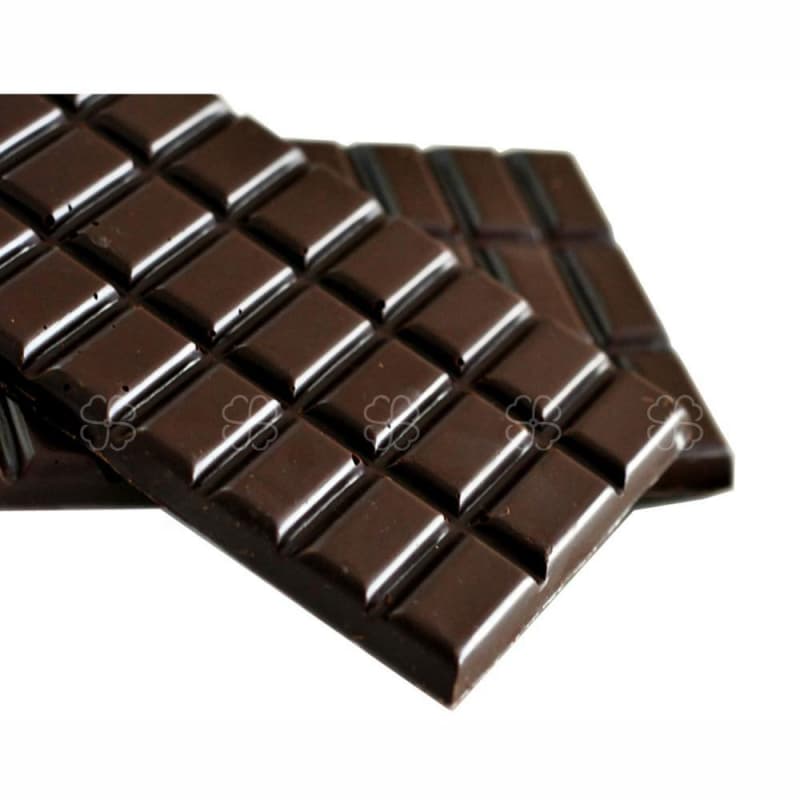
Milk, dark, and white chocolate continue to provide a familiar starting point for product innovation. Milk chocolate is often associated with a creamy mouthfeel and a balanced sweetness, while dark chocolate offers a more pronounced cocoa character. White chocolate provides a different sensory profile, with sweetness and dairy notes playing a more prominent role because it contains cocoa butter rather than nonfat cocoa solids.
These familiar profiles are useful foundations for product lines intended for broad consumer groups. Manufacturers can adjust sweetness, cocoa intensity, inclusions, filling styles, and piece size without abandoning the flavor characteristics consumers already recognize. For international buyers, familiar flavors may also make it easier to introduce a new product into an existing retail assortment.
Fruit, Nuts, and Contrasting Textures
Fruit-inspired combinations offer opportunities to balance chocolate’s richness with fruity, tangy, or refreshing notes. Orange, strawberry, raspberry, cherry, mango, and other fruit flavors can be incorporated through suitable fillings, inclusions, flavor preparations, or coatings. The final result depends on ingredient compatibility, moisture content, processing conditions, and the desired shelf life.
Nuts, wafers, biscuits, crisped grains, and caramel can create a more complex eating experience by introducing contrast. A smooth chocolate shell surrounding a crunchy center delivers a different sensory experience from a uniform chocolate piece. These combinations can also help brands develop recognizable product signatures rather than competing only through sweetness or cocoa intensity.
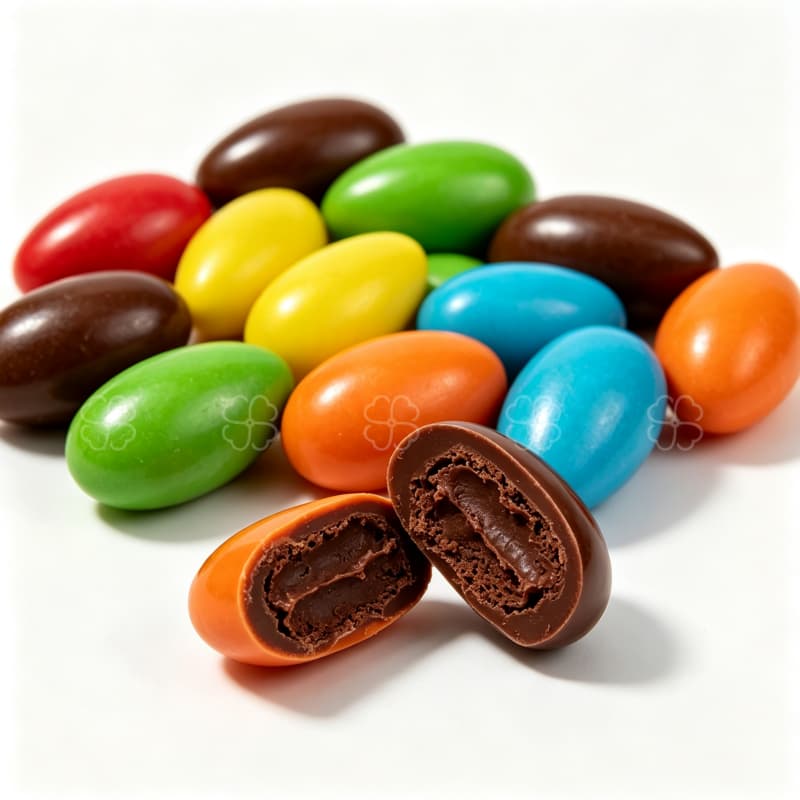
Colorful chocolate products offer another route to differentiation. For example, rainbow bean chocolate can combine bright visual appeal with bite-sized convenience, making it suitable for sharing, themed assortments, and playful retail presentations. Color, shape, and flavor should be developed together so that the product’s appearance reflects its actual sensory experience.
Premium, Regional, and Limited-Edition Flavors
Premium chocolate development often focuses on cocoa character, carefully selected ingredients, distinctive fillings, and refined presentation. Some brands emphasize higher cocoa content or specific cocoa origins, while others differentiate themselves through nuts, spices, coffee, tea, fruit, or layered textures. Premium positioning should be supported by a clear product benefit rather than relying on packaging alone.
Regional preferences also create opportunities for localized flavor development. A flavor familiar to one market may feel unusual in another. Local desserts, seasonal ingredients, and established snack preferences can inspire new combinations, but product concepts should be tested with the intended audience before large-scale production.
Limited-edition flavors can help brands explore new ideas without immediately committing to a permanent product range. Seasonal launches, holiday assortments, and themed collections can create reasons for consumers to revisit a brand. However, ingredient sourcing, production changeovers, labeling, and demand forecasting must be considered before a limited release is approved.
Chocolate Product Categories and Market Positioning
Different chocolate formats serve different consumer occasions. Solid bars offer familiar portioning and straightforward packaging. Filled chocolates provide opportunities for layered flavors, while coated snacks combine chocolate with ingredients such as nuts, wafers, biscuits, or fruit-based centers. Small chocolate pieces can suit sharing, impulse purchases, and mixed assortments, while boxed collections may be positioned for gifting and special occasions.
Choosing the right category requires understanding how the product will be sold, transported, displayed, and consumed. A convenience-store product may need compact packaging and a recognizable flavor. A premium gift assortment may require a more elaborate unboxing experience and careful protection of individual pieces. Products for online sales may need packaging designed to withstand handling and temperature variation during delivery.
Businesses developing a new range can explore the available chocolate product selection to consider how different formats, flavors, and presentation styles could fit their intended assortment. The best product mix depends on the target audience, distribution channel, price positioning, and local requirements.
Product positioning should also be consistent across the packaging, product description, and sales materials. If a chocolate product is presented as premium, the ingredient quality, sensory experience, and visual presentation should support that claim. If the primary selling point is convenience or value, clear portioning, practical packaging, and consistent quality may be more persuasive than elaborate design.
Scientific Factors That Influence Chocolate Quality
Chocolate quality is closely connected to ingredient composition, particle size, fat crystallization, moisture control, and processing conditions. These factors influence how chocolate flows during production, how it sets, how it breaks, and how it melts in the mouth. Understanding them helps product developers turn a promising flavor concept into a product that can be manufactured consistently.
Cocoa Composition and Sensory Characteristics
Cocoa solids contribute much of chocolate’s characteristic flavor and color, while cocoa butter influences its melting behavior and mouthfeel. Sugar contributes sweetness and affects the overall balance of the formulation. Milk ingredients can add dairy notes and modify the texture of milk chocolate. The exact sensory result depends on the type and proportion of ingredients, processing, and the quality of the raw materials.
Particle size is another important consideration. If solid particles are too large or unevenly distributed, the chocolate may feel gritty rather than smooth. Refining and conching are used to develop the desired texture and flavor profile. The appropriate processing conditions vary with the recipe, equipment, production scale, and target product specification.
Tempering and Cocoa Butter Crystallization
Tempering controls the formation of cocoa butter crystals so that finished chocolate can develop a suitable shine, firm snap, and stable structure. Poorly controlled crystallization may contribute to a dull surface, weak texture, or undesirable changes during storage. Temperature control must therefore be matched to the formulation and the manufacturer’s process.
The following table provides illustrative technical ranges for common chocolate types. These are general product-development references, not universal manufacturing specifications. Actual targets should be confirmed through trials using the chosen ingredients, equipment, and finished-product requirements.
| Technical factor | Illustrative range or reference | Why it matters |
|---|---|---|
| Dark chocolate cocoa content | Common commercial formulations may contain approximately 50%–85% cocoa ingredients | Influences cocoa intensity, bitterness, sweetness balance, and product positioning. |
| Milk chocolate composition | Contains cocoa ingredients, sugar, and milk ingredients; proportions vary by recipe and market standard | Determines sweetness, dairy character, color, and mouthfeel. |
| White chocolate composition | Uses cocoa butter, sugar, and milk ingredients rather than nonfat cocoa solids | Creates a lighter color and a flavor profile centered on cocoa butter and dairy notes. |
| Dark chocolate tempering | A typical working cycle may use approximately 45–50°C for melting, 27–28°C for cooling, and 31–32°C for working | Supports controlled cocoa butter crystallization; exact settings depend on formulation and equipment. |
| Milk chocolate tempering | A typical working temperature may be approximately 29–31°C after a controlled melting and cooling cycle | Helps establish suitable texture and appearance while accounting for milk fat and formulation differences. |
| White chocolate tempering | A typical working temperature may be approximately 28–30°C after a controlled melting and cooling cycle | Supports stable setting and appearance in a formulation with a different fat and solids balance. |
Important: The values above are indicative technical references, not a substitute for a validated production specification. Cocoa content labeling rules, ingredient definitions, and chocolate composition requirements can differ by jurisdiction. Manufacturers should verify applicable regulations and establish process parameters through testing.
Moisture, Storage, and Shelf Stability
Moisture management is important because chocolate formulations are generally designed to contain very little available water. Moisture exposure can affect surface appearance, texture, and product stability. Temperature fluctuations may also cause fat bloom, which appears as a pale or grayish film on the surface. Sugar bloom can occur when moisture dissolves surface sugar and later evaporates, leaving visible crystals.
Bloom does not automatically mean that chocolate is unsafe, but it can reduce visual appeal and perceived quality. Appropriate packaging, stable storage conditions, controlled transport, and clear handling instructions help reduce the risk of defects. Shelf-life claims should be supported by product-specific testing rather than assumed from the general characteristics of chocolate.

Chocolate Coins-8
Packaging Innovation: From Shelf Appeal to Product Protection
Packaging is a major part of the chocolate buying experience. Before tasting a product, consumers often evaluate its colors, typography, imagery, format, and perceived quality. Packaging can communicate whether a product is intended for everyday snacking, gifting, family sharing, seasonal celebrations, or premium consumption.
Visual Design and Brand Recognition
Strong packaging design creates a clear visual hierarchy. The brand name should be easy to identify, the product type should be immediately understandable, and important flavor or ingredient information should be readable. Distinctive colors, illustrations, patterns, and structural formats can help a product stand out, but the design should remain consistent with the brand’s overall positioning.
Different markets may respond to different visual styles. Some product lines benefit from minimal designs and restrained colors, while others may use bright graphics and playful illustrations. Before selecting a final design, brands should consider local language requirements, cultural expectations, retail display conditions, and the visual conventions of competing products.
Functional Packaging and Distribution Needs
Chocolate is sensitive to temperature and may be vulnerable to odor transfer, moisture exposure, and physical damage. Packaging must therefore do more than look attractive. Suitable material selection and sealing can help protect product quality, while secondary cartons and transport packaging help reduce crushing and handling damage.
Packaging decisions should account for the entire distribution journey. Products shipped over long distances may experience different temperature and humidity conditions from products sold locally. Importers and manufacturers should assess the need for protective packaging, appropriate storage instructions, and transport controls according to the destination climate and distribution model.
Convenience, Gifting, and Sustainability
Resealable formats, individually wrapped portions, multipacks, and mixed assortments can serve different consumption occasions. Individually portioned products may help with sharing and portion management, while larger assortments can appeal to families, offices, and seasonal gifting buyers.
Sustainability is also influencing packaging development. Brands may assess recyclable materials, reduced packaging weight, responsible sourcing, and the removal of unnecessary components. However, sustainability claims must reflect the actual material composition and local recycling infrastructure. A package should not be described as recyclable, compostable, or environmentally preferable unless the claim is adequately supported.
The best packaging strategy balances visual appeal, product protection, regulatory compliance, manufacturing practicality, and total delivered cost. Design changes should be tested for line compatibility, sealing performance, durability, and consumer understanding before a large production run begins.
Global Consumer Preferences and Regional Market Differences
Chocolate is consumed in many countries, but purchasing behavior is not identical across regions. Climate, income levels, local food culture, retail infrastructure, gifting traditions, and product availability all influence consumer expectations. A successful international strategy therefore requires more than translating a label or changing a package color.
North America and Europe
In mature confectionery markets, brands may compete through flavor differentiation, premium positioning, convenient formats, seasonal products, and distinctive brand stories. Consumers can encounter a wide variety of products, so clear product benefits and recognizable quality cues are important. Depending on the market segment, opportunities may include dark chocolate, nut combinations, filled products, gifting assortments, and products with transparent ingredient information.
Retail requirements and labeling rules also shape product development. Businesses should verify ingredient declarations, allergen statements, nutrition labeling, permitted claims, and any applicable standards before entering a new market. Requirements vary by destination and product type, so a label prepared for one country may not be sufficient for another.
Asia-Pacific
Asia-Pacific markets contain a wide range of consumer groups, retail formats, and flavor preferences. Product development opportunities may include compact portions, attractive gift packaging, fruit-inspired flavors, seasonal collections, and products suited to convenience retail or online sales. However, preferences should be validated at the country and consumer-segment level rather than generalized across the entire region.
Climate can be particularly important in warmer destinations. Chocolate may soften or lose its intended appearance if exposed to excessive heat during warehousing, delivery, or retail display. Manufacturers and distributors should consider suitable formulations, packaging, storage instructions, and logistics planning to protect product quality.
Emerging and Value-Focused Markets
In price-sensitive segments, consumers may place strong emphasis on affordability, familiar flavors, reliable availability, and convenient pack sizes. Brands can respond through carefully designed product ranges, efficient packaging, and assortment planning that matches local purchasing habits. Lower prices alone, however, are not enough if product quality, consistency, or shelf stability suffers.
For international buyers, market research should combine consumer feedback with retailer input, competitor analysis, sample evaluation, and an understanding of local distribution conditions. Small-scale product tests can help determine whether a new flavor or format has genuine potential before a larger commercial commitment is made.
Chocolate Fudge and the Appeal of Indulgent Confectionery
Rich, smooth, and indulgent products continue to provide inspiration for chocolate innovation. Chocolate fudge is one example of a confectionery style associated with a dense texture and a pronounced sweet chocolate flavor. Its sensory appeal comes from the interaction of sugar, fat, cocoa ingredients, and other recipe components, together with the cooking and cooling process used to achieve the desired consistency.
Product developers can learn from this category by examining how texture contributes to consumer expectations. A product may be perceived as creamy, dense, crisp, or melt-in-the-mouth depending on its formulation and structure. Understanding these sensory differences can help manufacturers develop clearer product concepts and choose the right ingredients and process parameters.
For a closer look at this confectionery category, the article what makes chocolate fudge popular worldwide explores its defining characteristics and broad appeal. Such category knowledge can support flavor brainstorming, assortment planning, and the development of products aimed at consumers who enjoy rich chocolate experiences.
Nevertheless, a product inspired by fudge should be developed according to its own target texture, ingredient requirements, processing conditions, and shelf-life goals. Similar flavor profiles do not necessarily mean that different confectionery products can share the same production method or storage specification.
How Manufacturers Can Turn Market Trends into Commercial Products
Market trends create opportunities, but commercial success depends on converting ideas into products that can be produced consistently and sold profitably. A structured development process helps buyers and manufacturers evaluate concepts before investing in large-scale production.
Step 1: Define the Target Consumer and Sales Channel
Begin by identifying the intended audience, market, retail channel, and consumption occasion. A product designed for supermarkets may require different packaging and portion sizes from one intended for gift stores, convenience shops, e-commerce, or food-service distribution. Clear positioning also helps the team prioritize the product attributes that matter most.
Step 2: Establish the Product Specification
Document the intended flavor, chocolate type, texture, shape, piece size, ingredient inclusions, packaging format, and shelf-life target. Identify any required allergen controls, dietary requirements, certification needs, and destination-market labeling obligations. These details create a shared reference for product development and reduce misunderstandings during sampling and quotation.
Step 3: Develop and Evaluate Samples
Samples should be assessed for taste, aroma, texture, appearance, and packaging suitability. If several formulations are being considered, use a consistent evaluation method so that differences can be compared objectively. Feedback should be specific: for example, whether the chocolate is too sweet, the filling lacks contrast, or the package is difficult to open.
Step 4: Verify Production and Quality Requirements
Before commercial approval, review ingredient sourcing, manufacturing capability, quality-control procedures, batch consistency, and packaging compatibility. Relevant testing may include sensory assessment, physical inspection, microbiological testing where appropriate, and shelf-life evaluation based on the product’s formulation and risk profile.
Quality documentation should match the product and the destination market. Depending on the project, buyers may need ingredient specifications, allergen information, nutrition data, certificates, test reports, or other compliance documents. The exact requirements should be agreed upon before production rather than left until shipment preparation.
Step 5: Plan Commercial Production and Market Feedback
Once the sample is approved, confirm the final specification, packaging artwork, order quantity, production schedule, and shipping arrangements. After launch, monitor retailer feedback, consumer reviews, repeat purchases, product damage, and complaints. This information can guide improvements to flavors, portion sizes, packaging, and future product launches.
Chocolate Coated Candy-4
Common Challenges in Chocolate Product Development
One frequent mistake is selecting a flavor trend without considering the intended consumer. An unusual combination may attract attention but still perform poorly if it conflicts with local preferences or the product’s price position. Consumer testing and competitor research can help distinguish a genuinely promising concept from a short-lived novelty.
A second challenge is overlooking the relationship between formulation and packaging. A product containing nuts, fillings, or other inclusions may have different handling and shelf-life requirements from a plain chocolate bar. Packaging materials, sealing methods, and storage conditions must be appropriate for the finished product.
Another common issue is designing packaging before the product specification is stable. Late changes to piece size, ingredients, claims, or mandatory labeling can require costly artwork revisions. Final packaging approval should therefore follow a confirmed specification and a review of applicable destination-market rules.
Finally, businesses should avoid treating every market as identical. A successful product in one country may need adjustments to flavor intensity, portion size, language, pack format, or distribution planning before it is suitable elsewhere. Local validation is often more valuable than relying on broad assumptions about international consumer behavior.
Frequently Asked Questions About Chocolate Market Trends
1. What are the major chocolate market trends influencing product development?
Major trends include flavor experimentation, fruit and nut combinations, contrasting textures, premium product positioning, convenient portion sizes, seasonal assortments, and packaging designed for gifting or on-the-go consumption. Manufacturers should evaluate these trends against target-market preferences, production capability, ingredient costs, and shelf-life requirements before launching a new product.
2. Which chocolate flavors are popular with consumers worldwide?
Milk chocolate, dark chocolate, and white chocolate remain familiar choices, while nuts, caramel, coffee, orange, berries, and other fruit-inspired flavors provide opportunities for variety. Preferences differ by country, age group, price segment, and consumption occasion. Businesses should use local research and sample testing to determine which flavor combinations are most appropriate for their intended customers.
3. How does packaging affect chocolate sales and product quality?
Packaging influences shelf appeal, brand recognition, perceived value, convenience, and suitability for gifting. It also helps protect chocolate from moisture, odors, physical damage, and unsuitable handling conditions. Effective packaging balances attractive design with product protection, labeling compliance, distribution needs, and cost, while sustainability claims should be supported by accurate material information.
4. What scientific factors are important when manufacturing chocolate?
Important factors include cocoa and fat composition, particle size, refining and conching, tempering, moisture control, and storage conditions. These factors influence flavor, smoothness, shine, snap, melting behavior, and shelf stability. Manufacturers should establish process parameters through trials and quality testing because appropriate settings vary with the formulation, equipment, and finished-product specification.
5. How can chocolate manufacturers develop products for international markets?
Manufacturers should identify the target consumer and sales channel, research local flavor preferences, define a detailed product specification, develop and evaluate samples, and verify production and packaging requirements. They should also confirm destination-market labeling and food regulations, plan for climate and transport conditions, and collect post-launch feedback to improve future product ranges.
Turning Chocolate Market Insights into Long-Term Product Opportunities
Chocolate market development is driven by the combination of familiar flavors, new sensory experiences, attractive packaging, and changing consumer expectations. Brands can build stronger product portfolios by understanding the role of cocoa composition and processing, selecting formats that suit their sales channels, and adapting product concepts to local preferences rather than assuming that one approach will work everywhere.
For manufacturers and international buyers, a disciplined development process is essential. Clear specifications, well-evaluated samples, appropriate packaging, reliable quality controls, and destination-market compliance help transform market observations into products that can be manufactured and distributed with confidence.
Businesses planning a new chocolate product, a customized assortment, or a private-label project can contact the confectionery product development team to discuss product requirements, packaging options, and potential next steps. By combining market research with practical manufacturing considerations, businesses can build chocolate ranges that respond to consumer preferences while supporting long-term commercial growth.