





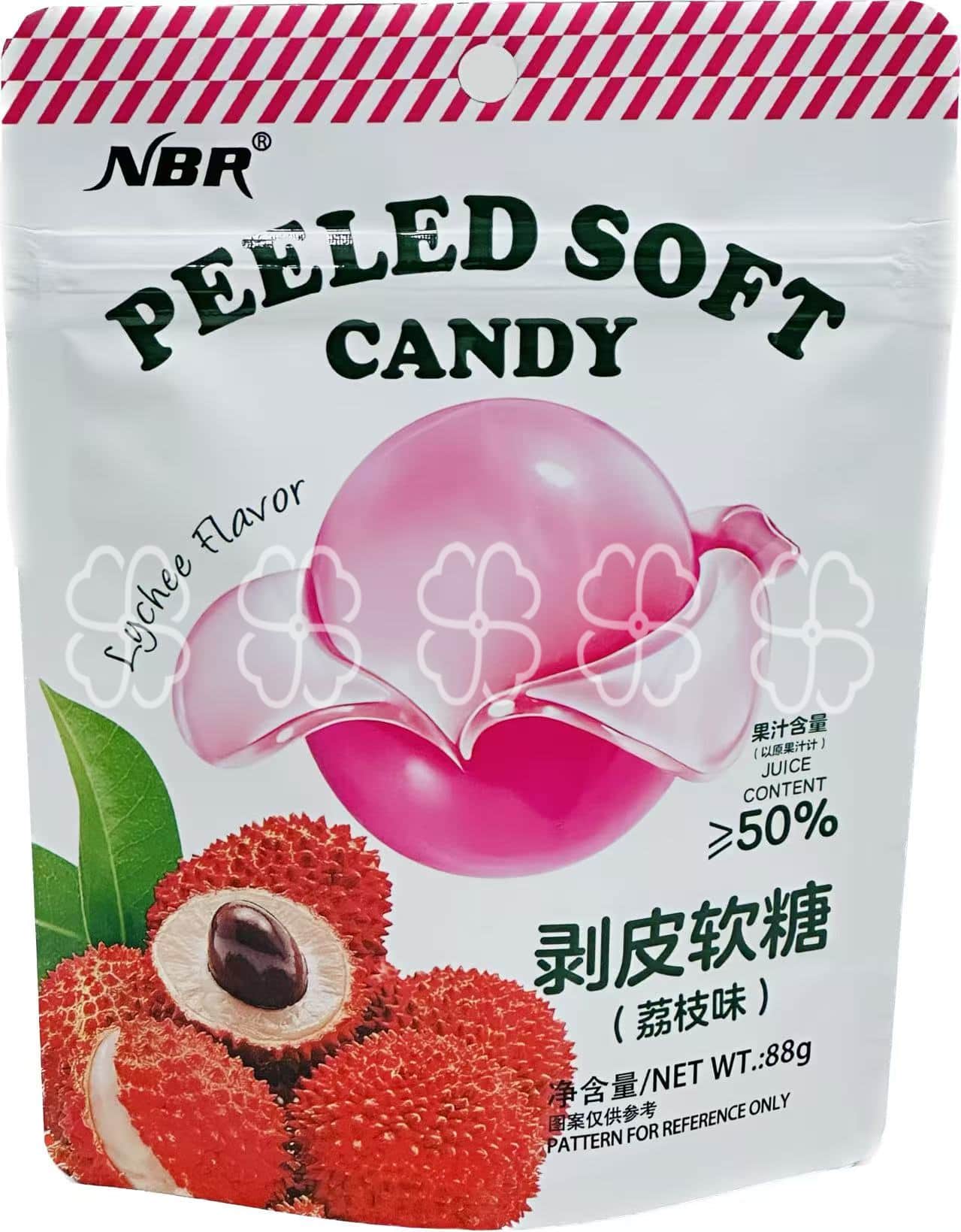
Instead of following the familiar formula of ordinary fruit gummies, this product introduces a more expressive taste experience. The tropical mango profile provides a juicy, fruity foundation, while a carefully developed spicy note adds a lively contrast. The peelable construction introduces an additional layer of interaction, turning a simple candy break into a small moment of discovery.
The result is a product concept with three distinct dimensions: tropical flavor, sweet-and-spicy character, and interactive enjoyment. For confectionery brands, importers, distributors, and private-label buyers, this combination offers a fresh direction for developing candy collections that appeal to consumers seeking something beyond conventional fruit confectionery.
Whether positioned as an adventurous novelty candy, a tropical-inspired snack, or a distinctive addition to a modern gummy assortment, this product creates opportunities to explore flavor, texture, packaging, and consumer engagement in one cohesive concept.
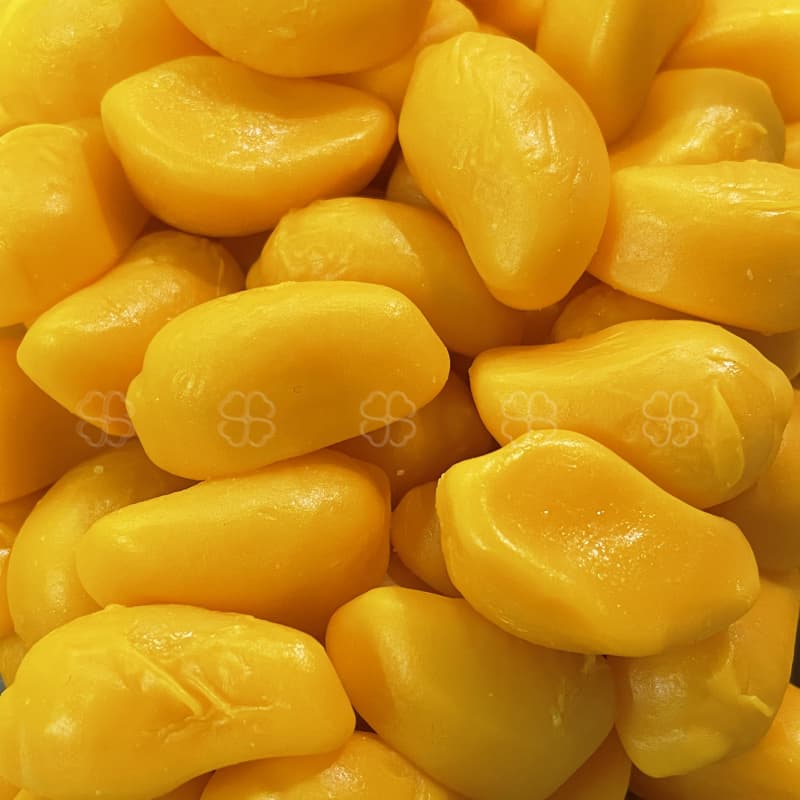
Peelable Gummies-Spicy Mango
Why Mango and Spice Make an Unexpectedly Appealing Pair
Mango is widely associated with tropical fruit, juicy sweetness, and a fragrant aroma. Spice introduces a contrasting sensation that can make a familiar fruit profile feel more adventurous. When these characteristics are balanced carefully, they create a flavor concept with more personality than sweetness alone.
The key is not to make the spicy sensation overpower the fruit. Instead, the mango character should remain recognizable, providing a rounded and fruity foundation before the spicy note develops. The desired balance depends on the formulation, target consumers, and positioning of the finished product.
For example, a mild sweet-and-spicy direction can suit consumers who enjoy approachable novelty candy. A more pronounced spicy profile may be appropriate for markets where chili-inspired snacks and bold flavor combinations are familiar. A tangy tropical interpretation can offer another direction for brands seeking a lively, refreshing impression.
The peelable format adds a physical element to this flavor story. Consumers can interact with the candy before tasting it, creating a natural sequence of curiosity, peeling, discovery, and enjoyment. Flavor and format therefore work together rather than competing for attention.
Product Overview
| Product Feature | Description |
|---|---|
| Product Name | Spicy Mango Peeling Gummy |
| Product Category | Soft Candy and Novelty Gummy Candy |
| Flavor Concept | Tropical Mango with a Spicy Twist |
| Flavor Character | Fruity, Sweet, Tangy, and Potentially Spicy |
| Texture | Soft and Chewy Gummy Center |
| Signature Feature | Peelable Outer Layer |
| Consumption | Ready to Eat |
| Packaging Options | Retail Bags, Pouches, Boxes, and Customized Formats |
| Branding Options | Subject to Available Customization and Production Requirements |
| Potential Applications | Novelty Candy, Tropical Candy Collections, Retail Snacking, and Promotional Products |
Note: Final ingredients, spice intensity, product dimensions, shelf life, packaging specifications, and customization options should be confirmed with the manufacturer before commercial release.
Five Product Characteristics That Create a Distinctive Candy Identity
1. A Tropical Fruit Profile With More Personality
Mango gives the product a recognizable fruit identity, but the spicy element opens up a different creative direction. Rather than relying entirely on sweetness, the flavor concept introduces contrast and progression.
The initial impression can focus on ripe mango character, followed by a tangy or spicy accent depending on the final recipe. This creates a more layered flavor story for brands that want to explore adventurous confectionery without abandoning a familiar fruit foundation.
From a product development perspective, mango can be adjusted toward several sensory directions:
- Ripe and sweet: A fruit-forward profile with a rounded mango character.
- Sweet and tangy: A brighter direction that balances fruity sweetness with acidity.
- Mildly spicy: A gentle warming accent that supports the tropical flavor.
- Bold sweet heat: A more pronounced contrast intended for consumers interested in adventurous flavor combinations.
These are possible formulation and positioning directions rather than a claim that every version is available. The final profile should be selected through sensory evaluation and target-market testing.
2. A Peelable Format That Invites Interaction
The peelable construction gives the candy an identity beyond its flavor. Instead of moving directly from opening a package to eating a piece, consumers can engage with the product itself.
The outer layer creates anticipation. Removing it reveals the gummy center, providing a small but memorable moment before tasting begins. This makes the product suitable for visual storytelling in product photography, short-form video, packaging illustrations, and retail displays.
The experience can be communicated through a simple sequence:
Pick It → Peel It → Reveal It → Taste It → Enjoy the Sweet Heat
For brands, this sequence offers a practical way to explain the product quickly. A single image showing a partially peeled piece may communicate more about the format than a conventional product photograph showing only a finished candy.
3. A Soft and Chewy Center for a Satisfying Contrast
The gummy center provides the familiar chewy character associated with soft confectionery. In combination with the peelable outer layer, it can create a more varied tactile experience than a uniformly textured candy.
Texture is especially important when the product depends on interaction. The outer layer needs to function as intended, while the center should maintain an appealing consistency throughout the expected storage and distribution conditions.
During product evaluation, buyers should consider several practical factors:
- Whether the outer layer can be peeled without excessive difficulty.
- Whether the gummy center retains its intended softness.
- Whether the layers remain appropriately connected before consumption.
- Whether pieces maintain their appearance during handling and transport.
- Whether texture remains acceptable throughout the validated shelf life.
These checks help determine whether the product delivers a consistent experience rather than simply looking distinctive in a promotional image.
4. A Flavor Story That Supports Creative Packaging
The combination of tropical fruit and spicy flavor offers more than one visual direction. Designers can emphasize the juicy appeal of mango, the energy of chili-inspired colors, or the contrast between a sweet fruit illustration and a bold flavor cue.
A mango-led design may use golden yellow, orange, and warm green to establish a tropical identity. Red accents can communicate a spicy impression, while playful illustrations can make the product feel more approachable. A more restrained design can use clean typography and controlled color contrast for a contemporary confectionery appearance.
The most effective approach is to make the product’s flavor and peelable construction understandable at a glance. Packaging should explain what makes the candy different without overwhelming the consumer with too many competing graphics.
5. A Flexible Concept for Product Line Development
A distinctive candy does not have to remain an isolated item. This product concept can serve as a starting point for a broader collection built around tropical fruit, contrasting taste sensations, or interactive candy formats.
Depending on the manufacturer’s capabilities, a brand may explore related flavor concepts, alternative spice intensities, coordinated packaging artwork, or different retail pack sizes. The objective is to maintain a recognizable family identity while giving individual products their own flavor story.
For importers and distributors, a coherent collection can simplify assortment planning. Retailers can present related products together, while the contrasting flavor profiles provide additional variety within the same product family.
Understanding the Sweet-and-Spicy Flavor Balance
Sweetness, acidity, fruit aroma, and spice intensity all contribute to the overall sensory impression. A successful formulation needs to consider how these elements interact instead of evaluating each characteristic independently.
Mango flavor should remain identifiable throughout the tasting experience. If the spicy component is too dominant, it may obscure the fruit character. If the sweet component overwhelms everything else, the spicy positioning may become difficult to recognize. Acidity can provide contrast, but excessive sourness may shift the product away from its intended tropical profile.
The following table provides a practical framework for product development and sensory evaluation.
| Sensory Element | Role in the Product | Evaluation Focus |
|---|---|---|
| Mango Aroma | Establishes the tropical fruit identity. | Recognizable, balanced, and appropriate for the target profile. |
| Sweetness | Supports the fruity flavor and overall palatability. | Balanced rather than masking other sensory characteristics. |
| Acidity | Adds brightness and contrast when included in the formulation. | Consistent with the intended sweet, tangy, or tropical direction. |
| Spicy Sensation | Creates the distinctive sweet-and-spicy character. | Appropriate intensity, clear flavor identity, and acceptable aftertaste. |
| Chewiness | Contributes to the eating experience after peeling. | Consistent texture and acceptable softness during shelf life. |
| Layer Separation | Supports the product’s defining interactive feature. | Practical peelability without compromising product integrity. |
This framework is intended for product development and quality evaluation, not as a report of measured laboratory results. Actual sensory targets should be established through samples, documented testing, and buyer approval.
Where This Product Can Find Its Place
Novelty Candy Retail
Novelty confectionery often benefits from a feature that consumers can understand immediately. The peeling action provides a natural demonstration point, while the mango-and-spice concept adds a recognizable but less conventional flavor combination.
Retailers can use product images, shelf talkers, and short demonstration videos to explain the experience. Clear communication is especially important when shoppers are unfamiliar with peelable candy.
Tropical-Themed Candy Collections
A tropical assortment can combine fruit-inspired visual elements with different flavor intensities. The mango concept can act as a more adventurous option within a collection that also includes familiar fruit profiles.
For distributors, this creates opportunities to build themed displays, mixed assortments, and coordinated seasonal selections, subject to the availability of compatible products.
Convenience Stores and Impulse Purchases
Compact packaging, an easy-to-understand product name, and a distinctive visual identity can support placement in convenience stores and other impulse-oriented retail environments.
The product should communicate its two principal selling points quickly: a tropical mango flavor with a spicy twist and a peelable candy experience. Pack size, price positioning, and display format should be selected according to the retailer’s requirements and local purchasing habits.
Online Candy Stores and Social Commerce
The peeling action offers a visual demonstration that can be incorporated into product detail pages, short videos, creator content, and digital advertising.
For online retailers, useful content may include a clear product photograph, a close-up of the outer layer, a demonstration of the peeling process, and an accurate description of the flavor intensity. These elements help shoppers understand what they are purchasing before placing an order.
Gift Sets, Party Favors, and Promotional Assortments
The unusual flavor pairing and interactive format can provide a distinctive element in candy gift sets, party assortments, and promotional selections.
Customized artwork and coordinated packaging may help brands adapt the product to specific campaigns. However, suitability for a particular event or customer group should be assessed alongside ingredient information, allergen declarations, and applicable labeling requirements.
Packaging Strategies for a Bold Tropical Identity
Packaging needs to communicate flavor, format, and brand personality while protecting the candy throughout storage and distribution. For this product, the strongest design direction is one that makes the tropical fruit identity clear and the peeling feature easy to recognize.
Color and Visual Hierarchy
Golden yellow and orange can establish a mango-inspired palette. Red accents can suggest a spicy direction, while green details may reinforce a fresh tropical theme. The exact color combination should match the target audience and the brand’s wider product portfolio.
Designers should also reserve enough visual space for the product name, net weight, required labeling, and other information relevant to the destination market. Excessive decoration can make a distinctive product harder to understand.
Showing the Peeling Process
A product image showing the outer layer partially removed can explain the interactive format immediately. Additional close-up photography can show the candy’s shape and texture, provided that the images accurately represent the commercial product.
Short sequences can also be used across product pages and promotional materials to show the transition from the intact candy to the revealed center. This creates a consistent visual explanation across online and offline sales channels.
Potential Packaging Formats
- Retail pouches for everyday candy purchases.
- Stand-up bags for shelf presentation.
- Small individual packs where suitable for the product and market.
- Boxed assortments for coordinated collections.
- Multi-flavor packs for product discovery.
- Private-label packaging for retail brands.
- Seasonal or promotional artwork for selected campaigns.
Actual formats, material options, minimum order quantities, and printing capabilities should be confirmed with the manufacturer. Packaging must also provide an appropriate barrier against moisture and other environmental factors that may affect candy quality.
Product Specifications and Buyer Evaluation
For wholesale purchasing, product evaluation should cover more than flavor and appearance. Buyers should confirm the physical product specifications, production requirements, packaging configuration, and documentation needed for their destination market.
| Evaluation Item | What Buyers Should Confirm |
|---|---|
| Flavor Formula | Mango intensity, sweetness, acidity, spice level, and aftertaste. |
| Physical Structure | Outer-layer performance, center texture, dimensions, and piece consistency. |
| Ingredients | Full ingredient declaration, allergens, additives, and suitability for the destination market. |
| Nutrition Information | Verified nutrition values and the required local labeling format. |
| Shelf Life | Validated shelf life, storage conditions, and supporting quality documentation. |
| Packaging | Pack weight, dimensions, material, artwork, barcode, and carton configuration. |
| Commercial Terms | Minimum order quantity, sample availability, lead time, pricing, and shipping terms. |
| Market Compliance | Applicable food safety requirements, import documentation, and local labeling obligations. |
These checkpoints provide a practical starting point for supplier discussions. Final specifications should be based on approved samples, verified production information, and the requirements of the intended market.
Private Label and OEM Development Opportunities
For brands looking to create a differentiated confectionery offering, private-label development can provide a route to aligning the product with an existing brand identity or retail strategy.
Depending on manufacturing capabilities, discussions may cover flavor direction, spice intensity, packaging artwork, pack configuration, and product positioning. Buyers should first establish which elements can be customized and which are fixed by the existing production process.
Flavor Direction and Sample Approval
Flavor development should begin with a clear brief. Buyers can identify the preferred mango character, the desired level of sweetness, the role of acidity, and the intended spicy sensation. Sample evaluation can then focus on whether the formulation matches that brief.
It is useful to document feedback rather than relying on general descriptions such as strong, sweet, or spicy. A structured review can address fruit aroma, initial taste, spice development, aftertaste, texture, and overall balance.
Branding and Artwork Coordination
Packaging development should align the visual concept with the target market. A playful design may be suitable for novelty-oriented retail, while a clean tropical aesthetic may fit a more contemporary candy brand.
Before printing, buyers should confirm the approved product name, ingredient list, nutrition declaration, allergen statement, net quantity, barcode, language requirements, and other mandatory information. Claims about ingredients, heat intensity, or nutritional properties should only be used when they are accurate and appropriately substantiated.
Production and Supply Planning
Commercial planning should account for the order quantity, packaging procurement, artwork approval, production scheduling, quality checks, and shipment arrangements. Buyers should request a clear quotation and timeline based on their actual requirements rather than assuming that all packaging formats or customization options are immediately available.
For repeat orders, documented product specifications and approved samples can help maintain consistency across shipments.
Quality Considerations Before Commercial Launch
An innovative candy format must perform reliably after it leaves the production facility. The combination of a peelable structure and a flavored gummy center makes product integrity particularly important.
Buyers should consider the following quality checkpoints:
- Peelability: Verify that the outer layer performs consistently under the intended conditions.
- Texture stability: Check whether the center remains acceptably soft throughout the validated shelf life.
- Flavor consistency: Confirm that the mango profile and spicy character remain within approved sensory specifications.
- Appearance: Examine color, shape, surface condition, and piece-to-piece consistency.
- Packaging integrity: Check seals, closures, material suitability, and protection against environmental exposure.
- Transport suitability: Evaluate the packaging and storage conditions against the expected distribution environment.
- Documentation: Obtain the applicable product specifications, ingredient information, quality records, and compliance documents.
Storage and transport conditions should follow the manufacturer’s validated recommendations. No specific shelf life, temperature range, or performance guarantee should be assumed without supporting product data.
Frequently Asked Questions
What is Spicy Mango Peeling Gummy?
It is a novelty candy concept combining a tropical mango flavor direction, a spicy taste accent, and a peelable outer structure surrounding a soft gummy center. The final flavor profile and physical specifications should be confirmed with the manufacturer.
What does the product taste like?
The intended profile combines recognizable mango fruit character with a sweet-and-spicy contrast. Depending on the approved formulation, the taste may emphasize ripe mango sweetness, tangy fruit notes, or a more pronounced spicy sensation.
How is the candy eaten?
Consumers can gently peel away the outer layer, reveal the gummy center, and then enjoy the candy. The peeling action is part of the intended product experience, although the ease of peeling should be verified using an approved sample.
Is the spicy flavor very hot?
Spice intensity depends on the actual recipe. Buyers should request samples and confirm the flavor profile before placing a commercial order. The product should not be described as mildly spicy, intensely hot, or suitable for a particular spice tolerance unless those characteristics have been verified.
Can the flavor and packaging be customized?
Potential customization may include flavor direction, spice intensity, packaging artwork, brand presentation, and pack configuration, depending on the manufacturer’s capabilities. Minimum order quantities, additional development costs, and production lead times should be confirmed before proceeding.
Is the product suitable for international distribution?
International distribution depends on the product’s ingredients, manufacturing documentation, packaging, import rules, and labeling requirements in the destination market. Importers should review the applicable requirements and obtain the necessary documentation before commercialization.
What should wholesale buyers request before ordering?
Buyers should request product samples, a complete specification sheet, ingredient and allergen information, verified nutrition data, shelf-life details, packaging options, minimum order quantities, quotations, lead times, and relevant compliance documents.
Give Tropical Candy a More Adventurous Direction
Spicy Mango Peeling Gummy brings together three elements that can help a confectionery product tell a more distinctive story: the familiar appeal of mango, the contrast of a spicy flavor accent, and the curiosity created by a peelable candy structure.
Rather than relying on flavor alone, the concept gives brands additional ways to communicate product value through interaction, visual presentation, and packaging. It can be explored as a standalone novelty candy, a tropical-inspired retail product, or part of a coordinated collection designed around more adventurous confectionery experiences.
For importers, distributors, and private-label buyers, the next step is to evaluate the actual sample, confirm the flavor and peeling performance, and establish the commercial specifications required for the intended market.
Interested in developing a distinctive tropical candy range? Contact the supplier to discuss sample availability, confirmed specifications, packaging options, minimum order quantities, and private-label requirements.
Bring the mango. Add the heat. Reveal the fun.