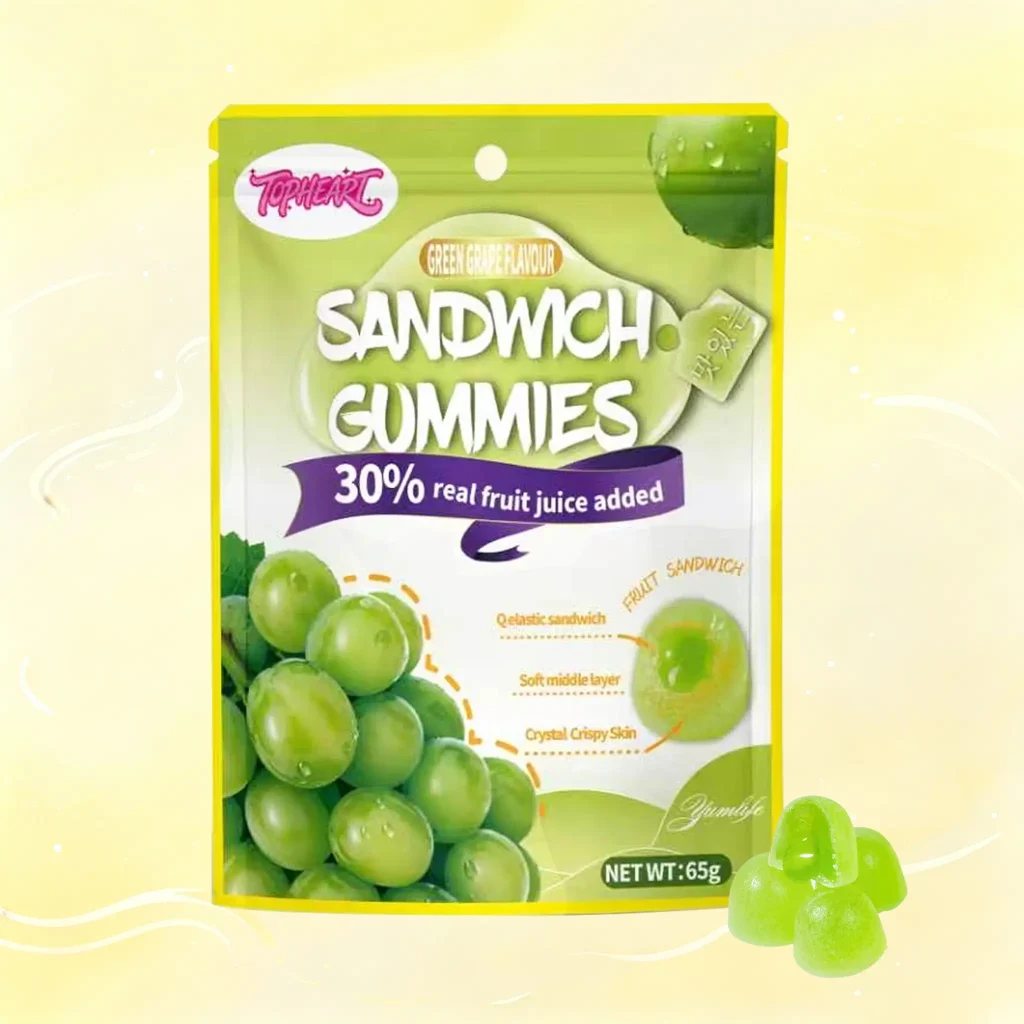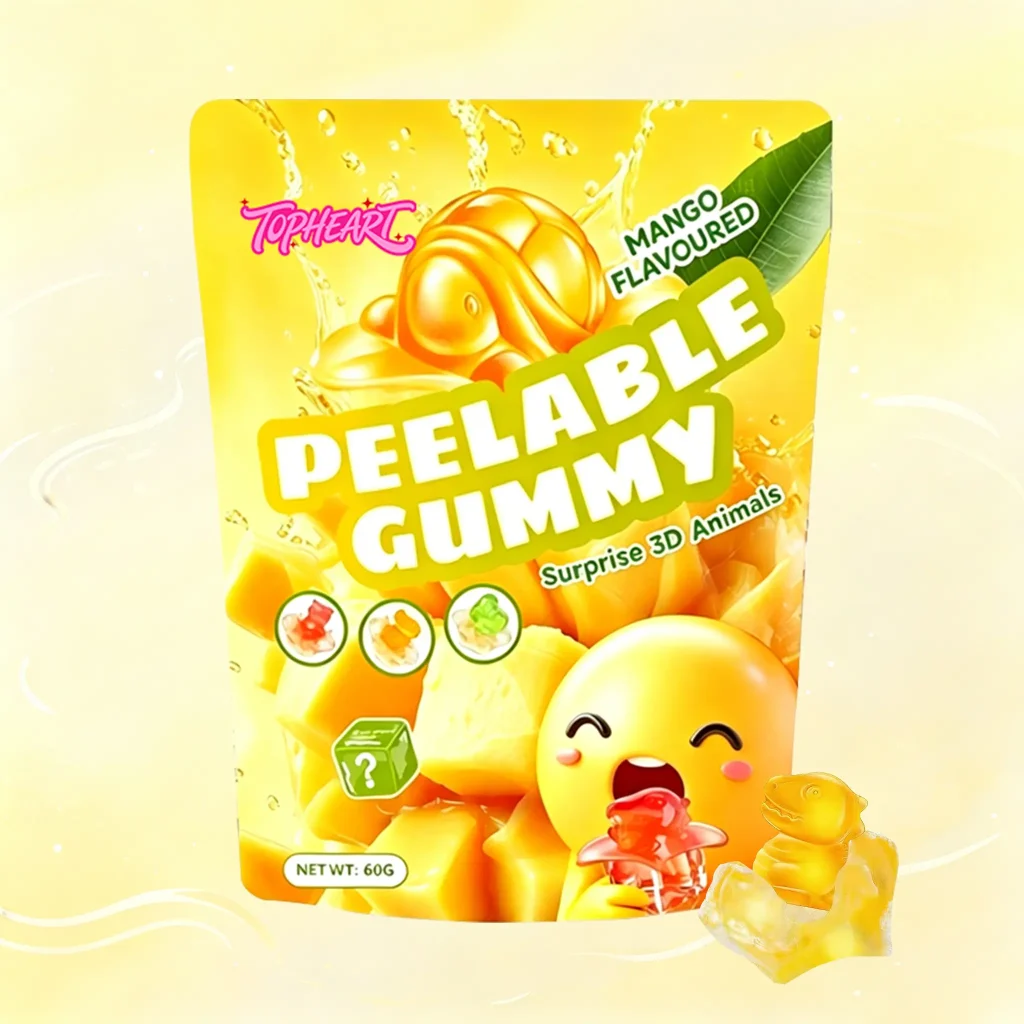


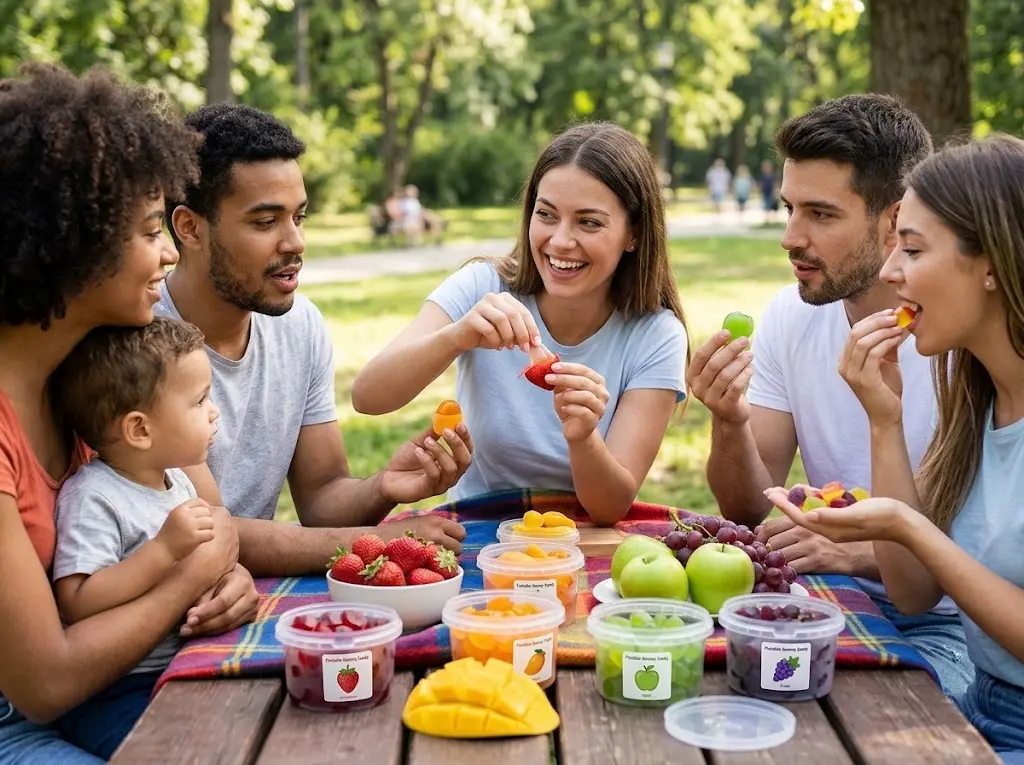
peelable gummy candy flavor development
Why Flavor Development Matters for Peelable Gummies
Flavor is one of the first things consumers notice when trying a new confectionery product, but peelable gummies offer more than a conventional taste experience. Their outer layer, inner center, color combination, and peeling action can work together to create a distinctive product identity. This gives brands more opportunities to differentiate products beyond sweetness alone.
For example, a strawberry peelable gummy could combine a strawberry-flavored outer layer with a complementary fruit center. A mango version might emphasize tropical aroma, while a green apple version could deliver a sharper, tangier profile. These are development concepts rather than guaranteed consumer preferences; the final combination should be validated with target buyers and sensory testing.
Flavor innovation can also support product-line planning. A brand might begin with recognizable fruit options before adding limited-edition combinations or regionally tailored varieties. This approach helps buyers assess demand without introducing too many unfamiliar products at once.
Before developing a new recipe, it is useful to understand the product’s physical design and eating experience. Candy buyers who need a product overview can first review this complete guide to peelable gummies to understand how the format differs from traditional gummy candy.
Step 1: Understand the Target Market Before Selecting Flavors
The first step in developing Peelable Gummy Candy Flavors is to define who will buy the product and where it will be sold. A flavor designed for children, for example, may need a different balance of familiarity, color, and sweetness from a product intended for adult snack buyers or premium confectionery retailers.
Identify the Main Consumer Group
Consider the product’s intended audience, purchasing occasion, price positioning, and retail environment. Products sold in convenience stores may benefit from immediately recognizable flavors and compact packaging. Specialty candy stores may offer more room for unusual combinations, while seasonal promotions may justify limited-edition flavors or themed colors.
Research Local Taste Preferences
Do not rely solely on broad assumptions about national preferences. Research local competitors, review retail assortments, speak with distributors, and collect feedback from potential customers. When possible, use structured taste tests to compare several flavor concepts with people who resemble the intended consumer group.
Separate Established Flavors from Experimental Concepts
Familiar fruit flavors can provide a starting point for a new product range. Experimental combinations can then create differentiation once the basic format has been evaluated. This two-part strategy allows brands to balance consumer familiarity with innovation while making product testing easier to interpret.
Step 2: Build a Flavor Portfolio Around Recognizable and Distinctive Options
A well-planned range should offer enough variety to attract different consumers without making production and inventory unnecessarily complicated. The following flavor concepts can serve as starting points for development. They are not a universal ranking of popularity; final selection should reflect target-market research.
Strawberry Peelable Gummies
Strawberry provides a recognizable fruit direction that can be developed with a sweet, juicy, or slightly tangy profile. The challenge is to create a clear strawberry character without relying on excessive sweetness or an artificial-tasting aroma. Color should support the flavor identity while remaining consistent with the ingredient system and applicable labeling rules.
For a two-layer product, developers can test whether a strawberry outer layer works best with a matching center or a complementary fruit flavor. Each prototype should be assessed for overall balance and whether the peeling experience affects the way consumers perceive the taste.
Mango Peelable Gummies
Mango is a useful option for tropical-inspired product concepts. Depending on the intended market, the profile may emphasize ripe fruit sweetness, fresh fruit aroma, or a more tangy finish. Developers should also consider whether the inner and outer layers need different flavor intensities to create a noticeable contrast.
When developing mango products, assess aroma, sweetness, acidity, and aftertaste together. A strong aroma does not automatically produce a convincing fruit flavor, and a more intense formulation is not always preferred by consumers.
Green Apple Peelable Gummies
Green apple can provide a sharper, more refreshing profile than sweeter fruit concepts. Its development often requires careful control of the balance between fruit aroma, sweetness, and acidity. The intended result might be a moderately tangy everyday gummy or a more pronounced sour-style product, depending on the brand brief.
Because acid selection can influence both flavor perception and gummy structure, product developers should evaluate taste and texture together rather than adjusting acidity in isolation.
Grape and Mixed-Fruit Peelable Gummies
Grape offers another familiar fruit direction, while mixed-fruit combinations allow brands to build a broader sensory experience. Potential concepts include grape with berry notes, mango with peach, or strawberry with watermelon. Each combination should have a clear flavor purpose; simply combining multiple fruit names does not guarantee a balanced result.
For commercial development, select a small number of prototypes with meaningful differences. This makes it easier to identify whether consumers prefer a familiar single-fruit profile, a contrasting two-fruit combination, or a more adventurous concept.
Step 3: Match Flavor Profiles to Different Market Requirements
International product development should treat regional preferences as hypotheses to investigate, not fixed rules about entire populations. Consumer preferences vary within countries and can change by age group, retail channel, price point, and product positioning.
| Market Research Scenario | Flavor Concepts to Test | Key Development Questions |
|---|---|---|
| Markets where familiar fruit flavors are a priority | Strawberry, grape, apple, peach | Which flavor is most recognizable, and what sweetness level is preferred? |
| Retailers seeking tropical-inspired products | Mango, pineapple, lychee, mixed tropical fruit | Does the aroma match consumer expectations? Is the finish balanced? |
| Consumers interested in tangy profiles | Green apple, lemon, sour berry, citrus blends | How much acidity is enjoyable without overpowering the fruit character? |
| Novelty and specialty confectionery channels | Two-layer fruit combinations, contrasting flavors, limited editions | Does the flavor reveal create a meaningful difference in the eating experience? |
| Premium-positioned product concepts | Refined fruit blends and more complex flavor profiles | Does the taste, packaging, and product presentation support the intended positioning? |
This table is a practical framework for planning research, not a report of measured preferences in specific countries. Before committing to a commercial order, buyers should validate the selected concepts with local distributors, consumer panels, or retail partners.
Flavor development should also reflect the product’s intended use. A small impulse-purchase pack may benefit from one immediately recognizable flavor, while an assortment pack can introduce several varieties. A premium range may require more distinctive packaging and a carefully controlled flavor profile to justify its positioning.
Step 4: Balance Sweetness, Acidity, Aroma, and Color
Good flavor development depends on how different sensory characteristics work together. Sweetness can soften the perception of acidity, while acidity can make fruit notes seem brighter. Aroma contributes to flavor recognition, and color influences what consumers expect before taking a bite.
Control Sweetness
Sweetness should support the intended fruit profile rather than dominate it. If the formula is too sweet, delicate fruit notes may become difficult to distinguish. If sweetness is too low, the product may not deliver the expected confectionery experience. Prototype testing helps determine an appropriate balance.
Adjust Acidity Carefully
Citric and malic acids are used in many confectionery applications, but their sensory effects are not identical. Acid selection and concentration should be evaluated against the intended flavor and the product’s gel system. A sour green apple gummy, for example, may require a different acid balance from a sweet mango gummy.
Scientific research demonstrates why this matters. Ge and colleagues, in a 2021 study published in Food Hydrocolloids, found that citric and malic acids weakened the gelatin network in the gummy formulations they tested. The results show that changes made to achieve a target flavor can also influence texture and product stability.
Keep Color and Flavor Consistent
Consumers generally expect the appearance of a fruit gummy to align with its stated flavor, although the appropriate color depends on the product concept and local requirements. Developers should assess color stability during processing and storage and confirm that any coloring ingredients are permitted for the intended market.
Scientific Data: How Formulation Can Affect Gummy Texture
Flavor development for peelable gummies cannot be separated from texture. The outer layer must provide a suitable peeling experience, while the inner gummy should deliver the intended chew. The exact texture targets depend on the product design and must be confirmed through testing.
The following table summarizes selected findings from published gummy research. These are study-specific observations, not universal formulation standards or recommended commercial recipes.
| Research Variable | Published Study Data or Finding | Relevance to Peelable Gummy Development |
|---|---|---|
| Gelatin concentration | DeMars and Ziegler (2001) tested gelatin levels of 3.0%, 4.5%, and 6.0% in their gelatin-based gummy formulations. | Shows that gelling-agent concentration is an important formulation variable when developing target texture. |
| Pectin concentration | The same study tested high-methoxyl pectin levels of 0%, 0.5%, 1.0%, and 1.5% alongside gelatin. | Provides evidence that changes in hydrocolloid composition can affect gummy structure and fracture behavior. |
| Texture and fracture behavior | In the tested formulations, the first principal component of sensory texture correlated with strain at fracture (r = 0.90) and log stress at fracture (r = 0.87). | Demonstrates a relationship between instrumental measurements and sensory texture in that specific study. |
| Acid effects | Ge et al. (2021) reported that citric and malic acids weakened the gelatin network in the gummy formulations examined. | Acid adjustments made for flavor should be followed by texture and stability testing. |
| Soluble solids | Ge et al. examined formulations across 74–81 °Brix and reported differences in gel behavior at the upper end of the tested range. | Shows that soluble-solids content can interact with gel structure and should be validated with the intended formula. |
How to use these findings: Treat the published results as evidence that formulation variables interact, rather than as direct instructions for a commercial recipe. Peelable gummies may use different layer structures and ingredients from the research samples. The final product therefore needs its own sensory, texture, process, and shelf-life validation.
Step 5: Develop the Outer Layer and Inner Gummy as One Product
One of the most important considerations in developing Peelable Gummy Candy Flavors is the relationship between the outer layer and the center. A successful concept should provide the intended peeling action without sacrificing flavor quality or the eating experience.
Choose a Flavor Relationship
There are several approaches to two-layer flavor design:
- Matching flavors: The outer layer and center share the same fruit identity, creating a consistent taste experience.
- Complementary flavors: The layers use different but compatible fruit profiles, such as strawberry and peach.
- Contrasting flavors: The outer layer and center provide a noticeable contrast, such as a sweeter fruit exterior with a tangier center.
- Progressive flavor: The product is designed so that the first taste and the flavor after peeling provide slightly different sensory impressions.
These concepts should be evaluated for consumer appeal and manufacturing feasibility. Flavor contrast is only useful when both layers taste appropriate on their own and work well together.
Test Peeling Performance Alongside Flavor
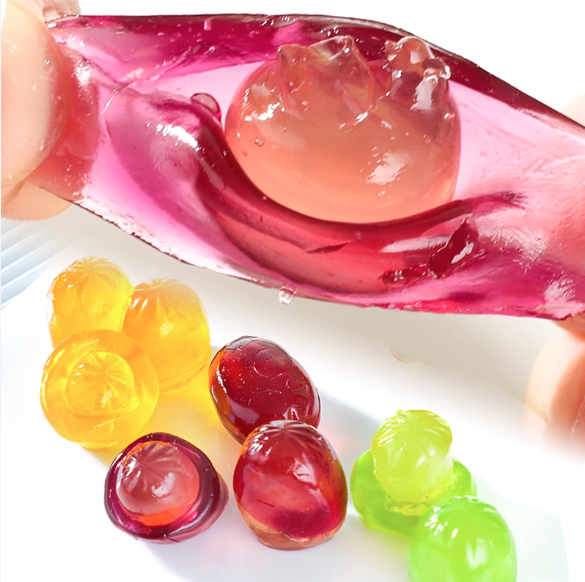
During sample evaluation, record whether the outer layer peels cleanly, whether the center remains intact, and whether the two layers deliver the expected flavor. A product can have an appealing recipe but still disappoint if the peeling action is inconsistent. Conversely, an easy-to-peel gummy may not perform well if its flavor is weak or unbalanced.
Establish clear evaluation criteria for both sensory and physical performance. This allows developers to determine whether a problem comes from flavor formulation, the layer structure, manufacturing conditions, or a combination of factors.
Step 6: Use a Structured Product Testing Process
A structured testing process reduces the risk of choosing a flavor based on one person’s preference. It also helps manufacturers and buyers compare prototypes consistently.
- Define the product brief. Record the target market, consumer group, flavor concept, sweetness level, acidity direction, texture, color, and pack format.
- Create distinct prototypes. Change one or two meaningful variables at a time so the team can identify what drives consumer response.
- Conduct sensory evaluation. Ask target consumers or qualified evaluators to assess aroma, sweetness, acidity, fruit identity, aftertaste, texture, and overall liking.
- Evaluate peeling performance. Record ease of peeling, layer integrity, consistency between pieces, and the texture of the center.
- Review product stability. Assess relevant quality parameters under appropriate storage conditions, including flavor, color, texture, and packaging performance.
- Approve the specification. Document the selected formula, sensory expectations, quality criteria, packaging, and any applicable market requirements before production.
Where practical, use blind-coded samples and consistent serving conditions. This reduces the influence of packaging, brand familiarity, and personal expectations on the initial taste assessment. The number and type of participants should match the decision being made; a small exploratory test can help screen ideas but cannot represent an entire national market.
Peelable Gummy
Step 7: Adapt Ingredients and Labeling to the Target Market
Flavor concepts must be feasible under the ingredient, labeling, and food-safety requirements of the destination market. A flavoring or coloring ingredient that is suitable in one jurisdiction may require different documentation or may not be permitted for the same use elsewhere.
For products intended for the European Union, Regulation (EC) No 1334/2008 establishes rules for flavorings and certain food ingredients with flavoring properties. The European Commission provides information on applicable flavoring legislation and approved flavoring substances. Buyers should verify current requirements for the specific ingredients and intended use.
For the United States, the Food and Drug Administration provides guidance on food labeling and major food allergen declarations. Ingredient statements, allergen information, and claims should be reviewed for the actual formula and package. Other destination markets may have their own requirements concerning additives, colors, ingredient names, languages, and claims.
These checks are particularly important when developing multiple flavor variants. Different recipes may introduce different ingredients or allergens, so one label should not automatically be reused across an entire range without verification.
Step 8: Turn Flavor Concepts into a Commercial Product Range
Once a flavor passes sensory and technical testing, the next challenge is building a commercially viable range. Product development should consider manufacturing feasibility, order quantities, packaging design, target price, and the role of each flavor within the portfolio.
Start with a Focused Core Range
Choose a manageable group of flavors that supports the brand’s intended positioning. A focused launch makes it easier to compare sales performance, gather feedback, and adjust future production plans. New flavors can be added when there is a clear commercial reason rather than simply to increase the number of options.
Use Packaging to Communicate Flavor
Packaging should make the flavor easy to recognize and explain the product’s distinctive peeling experience. Color, fruit imagery, flavor names, and product photographs should communicate the intended concept without making unsupported claims. For export products, artwork should also be checked for language, ingredient, allergen, and other applicable labeling requirements.
Plan for Repeatability
Commercial success depends on delivering the same approved experience across production batches. Document flavor specifications, ingredient requirements, layer structure, appearance, and relevant quality limits. Retain approved reference samples where appropriate, and establish procedures for reviewing deviations before goods are released.
Working with a Peelable Gummy Candy Manufacturer
Brands that want to launch new Peelable Gummy Candy Flavors should look for a manufacturing partner able to discuss flavor development, layer structure, texture, packaging, and quality requirements together. A useful development conversation should cover the target consumer, preferred fruit profiles, sample expectations, production feasibility, and destination-market requirements.
Before requesting a quotation, prepare a short product brief. Include the preferred flavor names, outer-layer and inner-center concepts, desired sweetness and acidity, color direction, pack size, estimated order quantity, and any ingredient or certification requirements. The more clearly these requirements are documented, the easier it is to assess prototypes against the intended result.
When evaluating a supplier, review its product portfolio, development process, quality procedures, and ability to support the intended order scale. You can learn more about Candy-Food’s company background and manufacturing capabilities as an initial step in evaluating a potential confectionery partner.
After identifying a suitable product direction, request samples and agree on how they will be evaluated. If a prototype requires changes, provide specific feedback on the flavor, peeling action, texture, color, or packaging rather than relying on a general request to make the product better.
For product-specific information, buyers can review the peelable gummy candy product range and use it as a starting point for discussing suitable concepts. Availability, customization options, specifications, and production feasibility should be confirmed directly with the supplier before commercial commitments are made.
Build Peelable Gummy Candy Flavors Around Market Needs
Developing successful Peelable Gummy Candy Flavors requires a coordinated approach to market research, sensory design, formulation, product testing, and commercial planning. Familiar fruit profiles can provide a useful foundation, while complementary flavors, contrasting layers, and carefully selected limited editions create opportunities for differentiation. The strongest concepts are not necessarily the most complicated; they are the ones that match consumer expectations and deliver a consistent, enjoyable product experience.
For international buyers and private-label brands, the most effective next step is to define the target market, select a focused group of flavor concepts, and evaluate samples against clear sensory and technical criteria. Sweetness, acidity, aroma, color, peeling performance, and storage stability should be considered together. With a structured development process and a capable manufacturing partner, brands can build a peelable gummy portfolio that responds to local preferences while maintaining product consistency and commercial practicality. To discuss a product concept or request further information, contact the Candy-Food team with your target flavors, packaging needs, and market requirements.
Frequently Asked Questions About Peelable Gummy Candy Flavors
1. What are the most popular Peelable Gummy Candy Flavors?
Fruit-inspired options such as strawberry, mango, grape, apple, peach, and mixed fruit are useful starting points for product development because they are easy to communicate to consumers. However, there is no single flavor ranking that applies to every country, retail channel, or age group. Brands should compare local competitors, consult distributors, and test several prototypes with their intended consumers. The best choice is the flavor that matches the target market and works well with the product’s outer layer, inner gummy, sweetness, acidity, and overall texture.
2. How can manufacturers develop Peelable Gummy Candy Flavors for different countries?
Manufacturers should begin by researching the target market rather than assuming that consumers in a particular country share the same preferences. Useful inputs include retailer assortments, distributor feedback, competitor products, consumer testing, and the intended price point. Developers can then compare familiar fruit profiles with more distinctive combinations and adjust sweetness, acidity, aroma, and color as appropriate. Ingredient permissions, allergen declarations, and labeling requirements should also be checked for each destination market before the final recipe and packaging are approved.
3. How do you create a balanced flavor in two-layer peelable gummies?
Start by deciding whether the outer layer and inner center should have matching, complementary, or contrasting flavors. Each layer should taste acceptable independently, while the combined product should provide a coherent experience. Developers should evaluate sweetness, acidity, fruit aroma, aftertaste, and flavor intensity together. They should also test peeling performance and texture because changes in acid concentration, soluble solids, or gelling agents can affect the gummy structure. Several controlled prototypes and sensory evaluations are usually more useful than changing many ingredients at the same time.
4. What should buyers consider when sourcing custom Peelable Gummy Candy Flavors?
Buyers should prepare a product brief that specifies the target market, preferred flavors, outer and inner layer concepts, sweetness and acidity direction, color, texture, packaging format, estimated order volume, and any ingredient requirements. They should request samples, agree on evaluation criteria, and confirm manufacturing feasibility before approving a final specification. It is also important to review food safety documentation, allergen information, destination-market labeling requirements, quality-control procedures, production lead times, and shelf-life evidence. These steps help reduce misunderstandings and support consistent repeat orders.
5. Can Peelable Gummy Candy Flavors be customized for private-label brands?
Customization may include fruit flavor combinations, outer-layer and inner-center profiles, color direction, shape, pack size, packaging artwork, and other product details, depending on the manufacturer’s capabilities. Private-label buyers should distinguish between a desired concept and a validated production specification: not every flavor pairing or layer structure will perform as expected without testing. A practical process involves briefing the manufacturer, reviewing prototypes, assessing flavor and peeling performance, validating packaging and stability, and documenting the approved product requirements. Minimum order quantities, available options, and production timelines should be confirmed directly with the supplier.