
Easter candy does not always have to be another chocolate egg or a standard bag of gummies. Modern seasonal confectionery can create a stronger retail experience by making the package itself part of the fun.
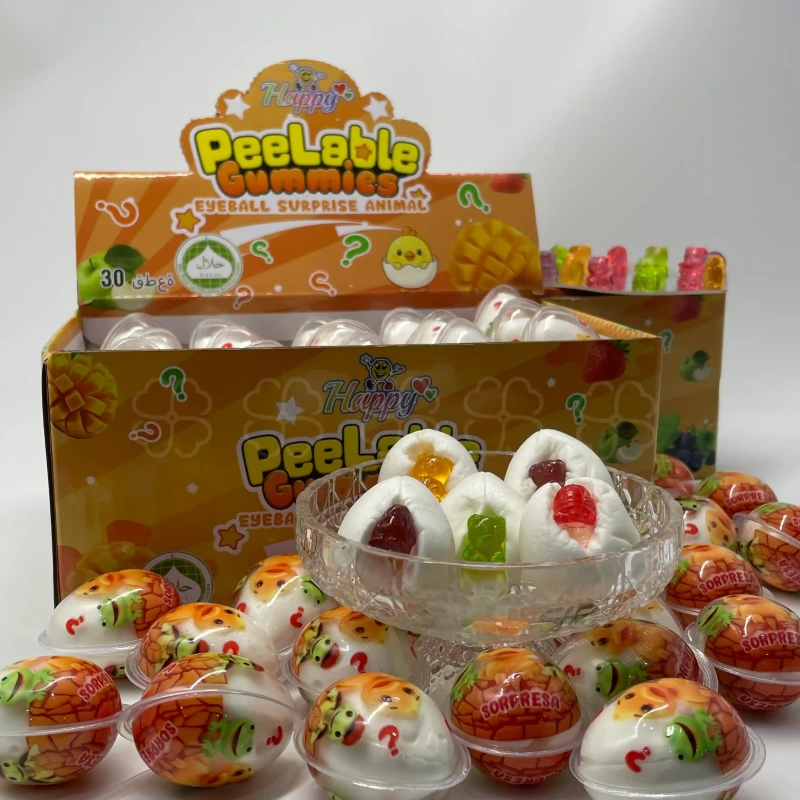
EYEBALL SURPRISE ANIMAL is designed around one simple idea: the consumer does not know exactly which animal is waiting inside until the package is opened.
The outer package can take the form of a colorful Easter egg, a playful blind-box format, a pop-and-reveal paper package, a plastic capsule, or a decorative gift box. Inside, consumers can discover different animal-shaped gummies, creating a small moment of anticipation before tasting.
The experience becomes:
Choose → Guess → Open → Discover → Taste → Collect
This combination of surprise, recognizable animal shapes, colorful Easter packaging and chewy candy creates a product concept with both consumer appeal and strong opportunities for seasonal retail customization.
EYEBALL SURPRISE ANIMAL
Why Surprise Packaging Fits the Easter Candy Market
Easter already has a natural connection with eggs, discovery and gift giving.
Children search for hidden eggs. Families prepare Easter baskets. Retailers build colorful seasonal displays. Brands launch limited-edition products designed to create excitement for a short selling period.
A surprise candy concept fits naturally into this environment because the package can visually communicate the Easter theme while keeping the final animal hidden.
Instead of showing exactly what the consumer will receive, the package can show several possible characters or silhouettes.
A bunny may be inside.
A chick may be inside.
A duck, frog, bear, lamb or another playful animal may be waiting to be discovered.
The uncertainty creates an additional reason to open the package.
For candy brands, this also means the product can support a collection strategy rather than functioning only as a single-flavor seasonal candy.
The Package Becomes Part of the Product
One of the most important design opportunities is to avoid treating packaging as something added after the candy has been developed.
For this concept, packaging is part of the consumer experience.
A conventional gummy bag mainly protects and presents the candy.
A surprise format can also:
- Create anticipation
- Hide the final candy shape
- Introduce the Easter story
- Encourage interaction
- Support collectible characters
- Create a memorable opening moment
- Increase visual impact at retail
This gives buyers several possible packaging directions depending on target market and price positioning.
Three Main Packaging Directions
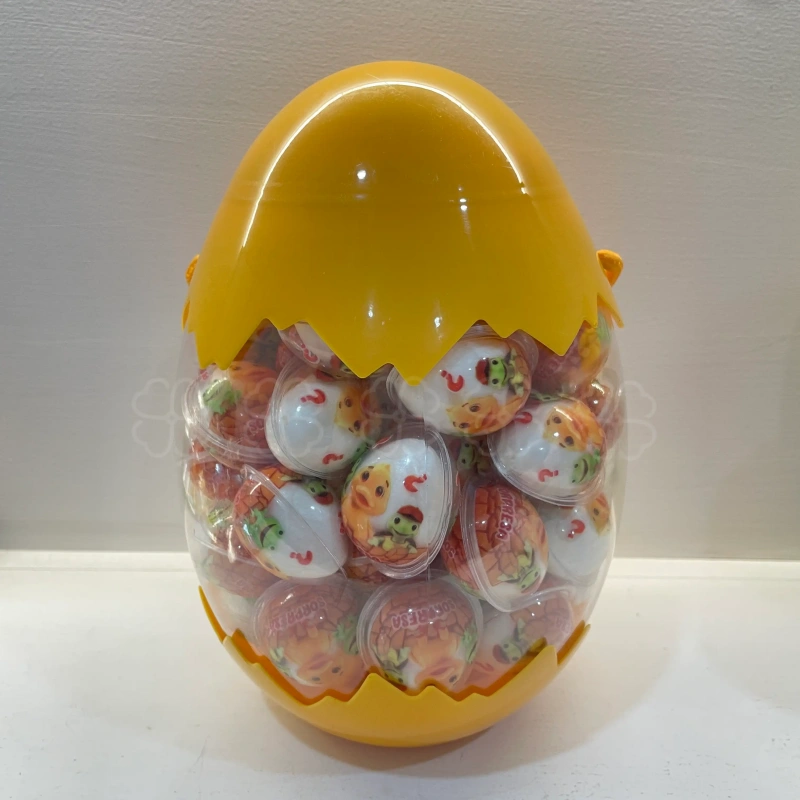
Easter Egg Plastic Container
The plastic egg is the most immediately recognizable Easter format.
It can be designed as a two-piece shell that opens from the center. The outside can use pastel pink, yellow, blue, green, purple and orange tones combined with bunny, chick, flower, carrot and decorated-egg graphics.
The egg can be transparent, translucent or opaque.
A transparent version can give consumers a small visual clue without completely revealing the animal.
An opaque version creates a stronger mystery experience.
The shape also makes the product easy to recognize on a seasonal shelf.
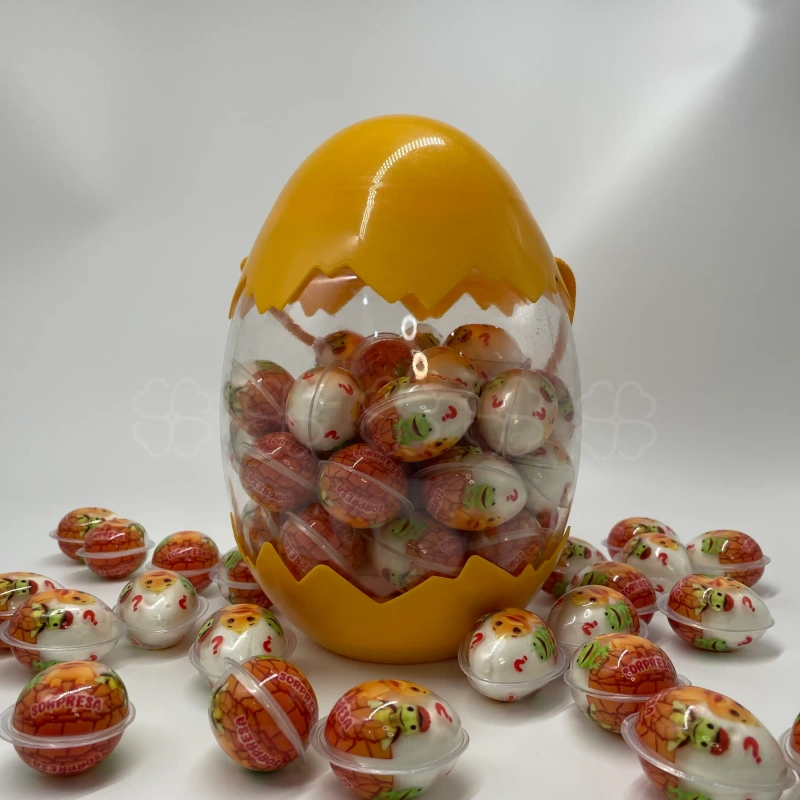
EYEBALL SURPRISE ANIMAL Supplier
Blind-Box or Pop-and-Reveal Packaging
A second direction is an interactive paper or cardboard package.
Instead of simply opening a box, the consumer can press, pull, tear or pop a designated section to reveal the hidden candy.
This can create a “surprise moment” without requiring a plastic container.
The outside can feature several animal characters with question marks, while the actual gummy remains concealed.
This format can be particularly useful for brands looking for paper-based seasonal packaging or a more economical retail configuration.
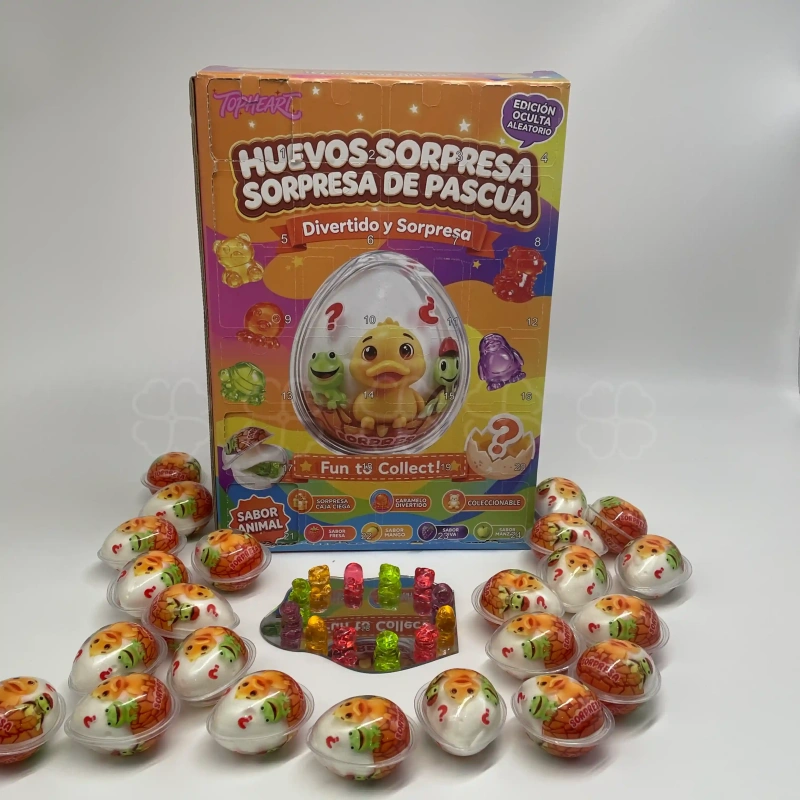
Easter Surprise Eggs Scratch-off Gummies
Easter Paper Box or Gift Box
A paper box can provide a larger canvas for storytelling.
The front can introduce an Easter animal collection, while the interior contains one or several individually wrapped surprises.
A larger box can be designed for:
- Easter baskets
- Gift shops
- Seasonal displays
- Family sharing
- Promotional campaigns
- Multi-animal collections
This format also provides more room for brand messaging, character artwork and collection information.
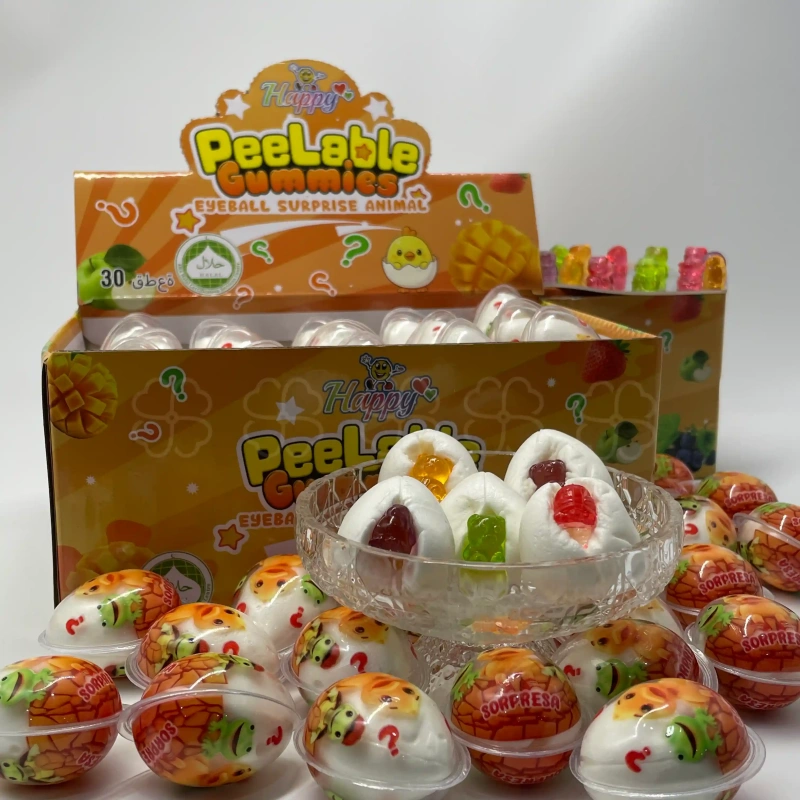
Peeling Gummies EYEBALL SURPRISE ANIMAL
The Surprise Is the Animal Inside
The central attraction is not simply the container.
It is what happens after opening.
The hidden gummies can be produced in recognizable animal shapes so that the consumer immediately understands what they have discovered.
Possible shapes include:
| Animal | Product Character |
|---|---|
| Bunny | Classic Easter symbol with strong seasonal recognition |
| Chick | Bright, cheerful and highly visual |
| Duck | Friendly and family-oriented |
| Lamb | Soft springtime character |
| Frog | Colorful and playful |
| Bear | Familiar and easy to recognize |
| Cat | Suitable for character collections |
| Dinosaur | Novelty-oriented option |
| Rabbit | Cute and collectible |
| Fantasy Animal | Flexible for special editions |
The animal assortment can be adjusted according to the brand’s target audience.
For an Easter collection, bunny and chick designs can establish the seasonal identity, while other animals create variety.
Building a “Which One Did I Get?” Experience
The most interesting part of the concept is that consumers can receive different animals.
A single package does not necessarily need to contain the entire collection.
Instead, brands can develop several possible characters and distribute them across the production run.
For example, a collection might contain:
- Five standard animal designs
- Two special characters
- One rare design
- One Easter-exclusive character
The exact ratio can be customized according to the commercial strategy.
This creates a natural reason for repeat purchases without requiring the candy itself to become complicated.
The consumer experience changes from:
“I bought a gummy.”
to:
“I wonder which animal I got.”
That is a meaningful difference for novelty confectionery.
Easter Animal Design Can Go Beyond the Bunny
Bunnies are strongly associated with Easter, but using only rabbits can make seasonal products look repetitive.
A broader animal collection creates more room for visual storytelling.
A chick can represent spring and new beginnings.
A duck can introduce a cheerful character.
A lamb can provide a softer and more gentle visual.
A frog can add a bright green contrast.
A bear can create a familiar cute character.
A dinosaur can introduce a more unexpected novelty element.
This mix allows the product to look like a collectible animal world rather than another standard Easter egg.
The result can be particularly effective when each animal has its own expression, color and personality.
From Candy Shape to Character Collection
Another opportunity is to give each animal a recognizable personality.
Instead of producing identical gummies in different silhouettes, brands can develop a simple character system.
For example:
The Bunny can be curious.
The Chick can be cheerful.
The Frog can be playful.
The Duck can be energetic.
The Lamb can be gentle.
These personalities can appear on the package without necessarily being printed directly onto the gummy.
The result is a more coherent product collection that can be extended into future seasonal launches.
Flavor Can Add a Second Layer of Surprise
The animal does not have to determine the flavor.
This gives product developers several possible strategies.
One Flavor Across the Collection
All animal shapes can share one familiar fruit flavor.
This creates a straightforward product structure while making the shape and surprise mechanism the main selling points.
Different Flavors by Animal
Different animal shapes can correspond to different fruit flavors.
For example:
| Animal | Possible Flavor |
|---|---|
| Bunny | Strawberry |
| Chick | Lemon |
| Duck | Peach |
| Frog | Green Apple |
| Bear | Grape |
| Lamb | Peach or Vanilla Direction |
This gives consumers two things to discover:
Which animal? Which flavor?
Mixed Flavor Collection
A more playful assortment can combine multiple animal shapes and multiple fruit flavors.
This approach is especially suitable for larger gift boxes and multi-unit seasonal collections.
Soft Gummy Texture for the Hidden Center
The animal pieces can be developed around a soft and chewy gummy texture suitable for novelty candy.
Depending on the market and product concept, possible directions include:
- Fruit gummies
- Sweet gummies
- Sour gummies
- Two-color gummies
- Layered gummies
- Multi-flavor gummies
- Filled gummies
The texture should work together with the animal shape.
A highly detailed animal design may require a gummy structure that retains recognizable features after production and packing.
For buyers, this is an important product-development consideration because the visual promise on the package should match the actual candy discovered inside.
Easter Color Strategy
Color can play an important role in making the product immediately recognizable as seasonal.
Instead of relying entirely on traditional Easter symbols, the product can combine pastel colors with brighter candy tones.
Possible combinations include:
- Strawberry pink
- Lemon yellow
- Sky blue
- Soft purple
- Spring green
- Peach orange
- Cream
- White
The animal gummies can either match the package colors or intentionally contrast with them.
For example, a bright yellow chick inside a soft blue egg creates an immediate visual contrast.
A green frog inside a pink or purple package creates a more playful reveal.
The objective is to make the opening moment visually satisfying as well as flavorful.
Turning the Product Into an Easter Egg Hunt
The surprise concept can also be extended beyond the individual package.
Retailers or brands can build a small Easter egg-hunt theme around the product.
Instead of simply displaying packages on a shelf, the display can use:
- Artificial grass
- Colorful eggs
- Bunny characters
- Chick illustrations
- Carrot graphics
- Spring flowers
- Animal silhouettes
- Question marks
- Collection charts
The products can appear as if they are part of a miniature Easter discovery scene.
This makes the display more interactive and gives the seasonal range a stronger visual identity.
Retail Applications
The product can be positioned across several retail environments.
Candy Stores
The unusual packaging and animal reveal provide novelty value.
Supermarkets
A seasonal end-cap display can use multiple package colors to create a strong Easter presentation.
Convenience Stores
Single-unit formats can work as impulse purchases near checkout areas.
Gift Shops
Larger boxes and premium packaging can turn the concept into an Easter gift item.
Party and Event Supply
Individual surprise units can be used for Easter parties, children’s activities and seasonal events.
Online Retail
Multi-packs and collection boxes can be presented around the idea of discovering multiple animals.
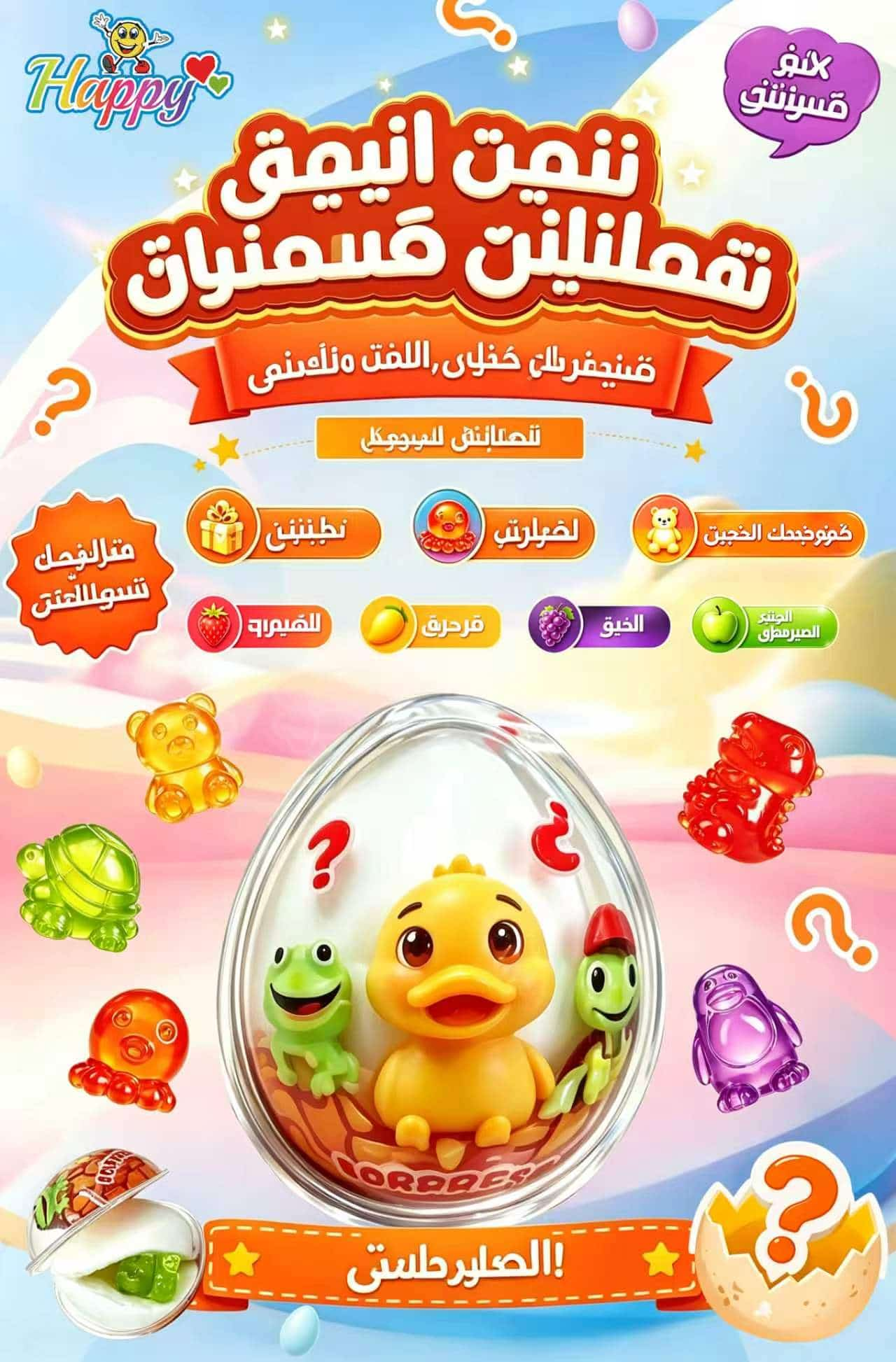
Premium Eyeball Surprise Animal
OEM and Private Label Opportunities
One of the biggest advantages of this concept is flexibility.
The same basic candy idea can be adapted to different brands through customized:
- Animal shapes
- Gummy colors
- Flavors
- Package structures
- Package artwork
- Character designs
- Product weights
- Individual wrapping
- Multi-pack configurations
- Gift boxes
- Seasonal displays
A retailer may want a simple paper-box version.
A novelty candy brand may prefer a colorful plastic egg.
A premium seasonal brand may choose a larger gift box containing several individually packed surprises.
The underlying product experience remains consistent while the commercial presentation changes.
Three Commercial Versions
A practical product range can be divided into three levels.
Single Surprise
One package contains one hidden animal gummy or a small assortment.
This is suitable for impulse sales and lower retail price points.
Collection Pack
Several individual surprises are packaged together.
This format encourages consumers to discover multiple animal characters.
Easter Gift Box
A larger decorative box contains multiple surprise units and a complete character collection concept.
This version can be positioned for Easter baskets, gifting and seasonal promotional campaigns.
This three-level structure gives brands more flexibility when entering different retail channels.
Why the Reveal Moment Matters
The strongest part of the concept is not simply the Easter decoration.
It is the moment when the package opens.
Before opening, the consumer sees an egg or mystery package.
During opening, curiosity increases.
After opening, the hidden animal is revealed.
Then the consumer can taste it and compare it with other characters.
This creates a simple but complete product story:
Mystery → Interaction → Discovery → Taste → Collection
That story can also be communicated through product photography, retail displays, promotional videos and social-media content.
The package therefore does more than contain the candy.
It creates the reason to interact with it.
Product Specifications
| Item | Description |
|---|---|
| Product Concept | Easter surprise animal gummy |
| Core Keyword | EYEBALL SURPRISE ANIMAL |
| Seasonal Direction | Easter |
| Hidden Candy | Animal-shaped gummies |
| Package Options | Plastic egg, capsule, blind-box, paper box or gift box |
| Animal Shapes | Customized |
| Flavor | Customized fruit flavors |
| Texture | Soft and chewy |
| Colors | Customized |
| Packaging | Individual, multi-pack or gift format |
| OEM | Available |
| Private Label | Available |
| Target Channels | Retail, seasonal candy, novelty stores, gifting and promotions |
A Flexible Easter Candy Concept for Modern Retail
The strength of this concept is its ability to combine several familiar Easter ideas into one new experience.
There is the egg.
There is the animal.
There is the surprise.
There is the colorful seasonal presentation.
And there is the simple pleasure of discovering something unexpected.
For consumers, this creates a product that is more interactive than an ordinary candy package.
For retailers, it provides a visually distinctive seasonal item.
For brands, it creates opportunities for multiple flavors, animal collections, packaging formats and private-label development.
Most importantly, the concept can continue evolving.
One year could feature cute farm animals.
Another edition could introduce jungle animals.
A future collection could focus on ocean animals or fantasy characters.
The packaging can change while the fundamental discovery experience remains recognizable.
FAQ
1. What is EYEBALL SURPRISE ANIMAL?
EYEBALL SURPRISE ANIMAL is an Easter surprise candy concept featuring a mystery-style package containing hidden animal-shaped gummies. The package can be developed as a plastic egg, capsule, blind-box format, paper box or gift package.
2. What animal shapes can be placed inside?
Possible shapes include bunnies, chicks, ducks, lambs, frogs, bears, cats, dinosaurs and other customized animal characters. Brands can create standard, special and rare designs for a collectible product series.
3. Can different flavors be used for different animal shapes?
Yes. The product can use one flavor across all shapes or combine different fruit flavors with different animal designs. Flavor, color, texture and gummy structure can be customized for the project.
4. What packaging formats are available?
The concept can be developed in several formats, including plastic Easter eggs, capsules, interactive paper boxes, blind-box style packaging, multi-packs and larger Easter gift boxes.
5. Is the product suitable for OEM and private label?
Yes. OEM and private-label projects can customize the animal assortment, gummy shapes, flavors, colors, packaging structure, artwork, weight and seasonal presentation according to the buyer’s requirements.
Create an Easter Surprise Collection
The best seasonal candy concepts often start with a simple idea.
What is inside?
A colorful egg can hide a bunny.
A small paper box can conceal a chick.
A mystery package can contain a completely unexpected animal.
That uncertainty transforms a familiar gummy into an experience.
EYEBALL SURPRISE ANIMAL brings together Easter eggs, collectible animal shapes, interactive packaging and soft chewy candy to create a flexible seasonal product for modern retail.
Whether developed as a single surprise unit, a multi-pack collection or a premium Easter gift box, the concept gives brands room to experiment with animal characters, flavors, colors and packaging.
The final product is not simply something consumers eat.
It is something they choose, open, discover, taste and remember.
Feature Product
-
 Gummy Candy
What Is Gummy Candy? Gummy Candy is one of the ...
-
 Crispy Gummy Candy
What Is Crispy Gummy Candy Crispy Gummy Candy i...
-
 Peelable Gummy Candy
What Is Peelable Gummy Candy? Peelable Gummy Ca...