

This guide explains the key considerations involved in sourcing Chocolate Crispy Balls wholesale. It covers product structure, texture, ingredient selection, quality control, packaging, storage, customization, and supplier evaluation. Whether you are developing a new snack range or expanding an established confectionery portfolio, understanding these factors can help you make more informed purchasing decisions.
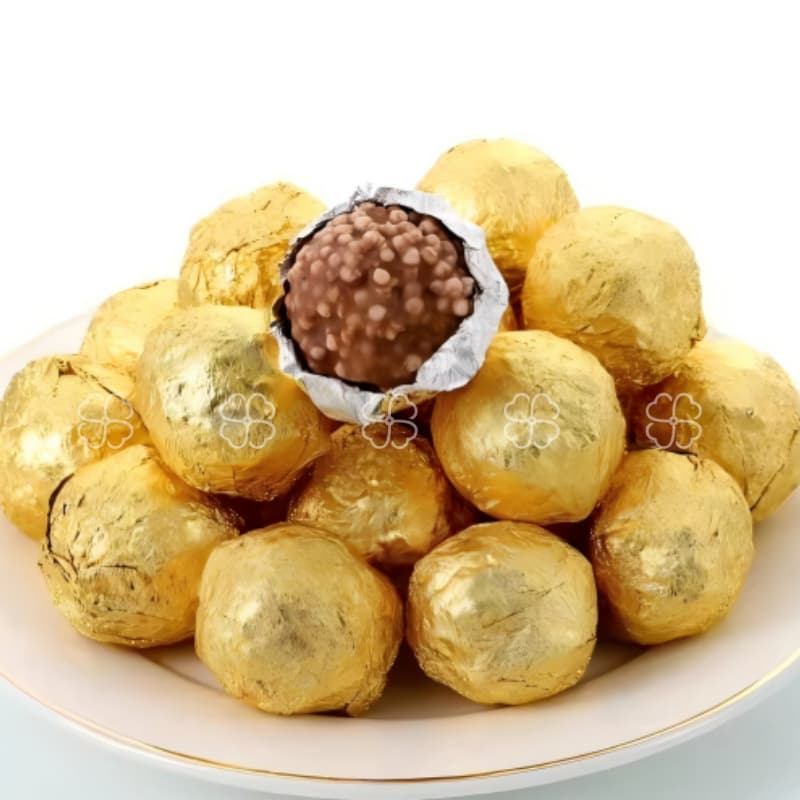
Chocolate Crispy Balls
1. Understanding the Product Structure and Consumer Appeal
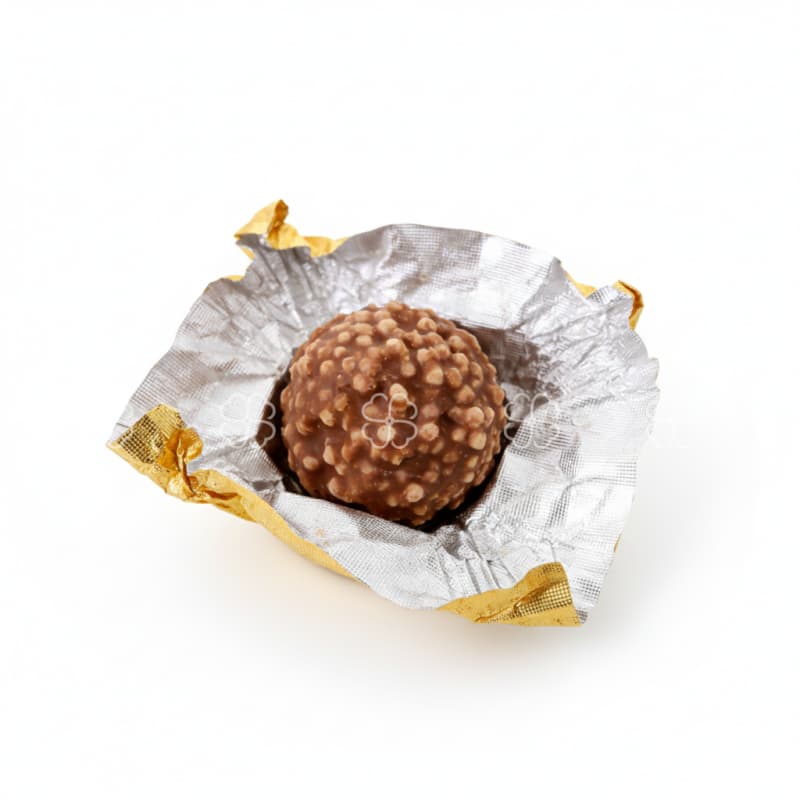
Chocolate Crispy Balls are bite-sized confectionery products that generally combine a crunchy internal component with an outer chocolate or chocolate-style coating. Depending on the product formulation, the center may use crisped cereal, biscuit pieces, rice-based ingredients, or other crunchy components. The coating may be milk chocolate, dark chocolate, white chocolate, or a flavored compound coating.
The contrast between the outer layer and the center is central to the eating experience. A smooth coating provides sweetness and chocolate flavor, while the internal structure creates a noticeable crunch. This contrast can make the product more interesting than a conventional solid chocolate piece.
Several characteristics contribute to the commercial appeal of this product category:
- Contrasting texture: The combination of a chocolate exterior and a crunchy center creates a more varied sensory experience.
- Convenient portions: Small individual pieces are easy to share, serve, or enjoy as a quick snack.
- Flexible flavor development: Different chocolate coatings and center ingredients allow brands to develop multiple product variations.
- Versatile packaging: The products can be offered in pouches, jars, boxes, multipacks, or other retail-ready formats.
- Broad sales applications: They can be positioned in confectionery, chocolate snacks, seasonal gift collections, and mixed snack assortments.
Buyers should remember that products sold under similar descriptions may have different structures and ingredient compositions. Before placing a bulk order, request a product specification that identifies the coating type, center ingredients, allergen information, piece size, and packaging configuration.
2. What Wholesale Buyers Should Evaluate Before Ordering
Wholesale purchasing decisions should begin with a clear product brief. Without defined requirements, it becomes difficult to compare samples and quotations from different manufacturers. A buyer may receive several products described as crispy chocolate balls, but their coating thickness, crunch intensity, sweetness, size, and packaging may vary considerably.
2.1 Chocolate Coating and Flavor Profile
The coating is one of the first characteristics consumers notice. It influences the product’s appearance, aroma, sweetness, and initial mouthfeel. Buyers should assess whether the coating provides a consistent surface, an appropriate chocolate flavor, and a pleasant texture during consumption.
Milk chocolate-style coatings are often selected for their familiar creamy sweetness. Dark chocolate options may appeal to consumers who prefer a more pronounced cocoa flavor, while white chocolate-style coatings can provide a sweeter profile and a different visual presentation. The actual flavor and composition depend on the manufacturer’s formulation.
When comparing samples, check whether the coating is evenly distributed and whether the pieces have excessive cracks, exposed centers, or visible coating defects. Also consider whether the flavor remains balanced after several pieces are eaten. A coating that is excessively sweet may overpower the crunchy center, while a weak chocolate flavor may make the product less distinctive.
2.2 Crunchy Center and Texture Consistency
The internal center determines much of the product’s signature crunch. Buyers should examine the crispness, bite resistance, and consistency of the center across multiple pieces. A good sample should provide a recognizable crunchy texture rather than a soft, stale, or excessively hard bite.
Texture should also remain reasonably consistent between production batches. Differences in ingredient moisture, particle size, processing conditions, or storage can influence the final eating experience. For this reason, buyers should evaluate several pieces from each sample rather than judging quality from a single piece.
TOPHEART provides a range of confectionery products for business buyers. Companies evaluating a new supplier can learn more about the manufacturer’s background, product focus, and business capabilities through the TOPHEART candy manufacturer profile. Reviewing supplier information is a useful first step before discussing specifications, samples, and purchasing requirements.
2.3 Piece Size, Shape, and Appearance
Piece size affects portion presentation, packaging design, and consumer expectations. Smaller pieces may be convenient for sharing and mixed snack packs, while larger pieces can create a more substantial bite. Buyers should confirm the approximate dimensions or weight range of individual pieces when these characteristics are important to their retail positioning.
Appearance is another important consideration. Look for reasonably uniform shapes, consistent coating coverage, and an attractive surface. Excessive breakage, irregular coating, or a large amount of loose crumbs in the package can negatively affect perceived quality.
3. Ingredient Selection and the Science Behind Crunch
The sensory quality of Chocolate Crispy Balls depends on the interaction between the coating and the center. The ingredients used in each part of the product influence flavor, structure, moisture behavior, and storage stability.
3.1 Ingredients in the Chocolate Coating
Depending on the formulation, a chocolate coating may contain cocoa ingredients, sugar, milk ingredients, and fats. Some products use chocolate containing cocoa butter, while others use compound coatings formulated with alternative vegetable fats. These formulations are not identical, and their melting behavior, flavor, and labeling requirements may differ.
Buyers should ask suppliers to clarify the coating category instead of relying only on a general product description. If the product is marketed as milk chocolate, dark chocolate, white chocolate, or compound chocolate, the ingredient declaration and applicable local regulations should support that description.
For businesses comparing several chocolate snack categories, the chocolate product range can provide useful context for understanding the broader product selection available for confectionery sourcing. Buyers can compare product formats and identify opportunities to build a more coordinated chocolate assortment.
3.2 Ingredients in the Crispy Center
The center may contain crisped cereal, rice ingredients, biscuit components, or other processed materials selected to create a crunchy bite. Each ingredient has different physical properties. For example, cereal-based components can provide a light and crisp structure, while biscuit-based components may create a denser bite with a more baked flavor.
Ingredient selection should consider more than taste. Particle size, initial moisture, fat content, and the ability to maintain texture during storage can all influence the finished product. When a crunchy center is exposed to moisture, it may gradually lose crispness. The coating can provide a physical barrier, but it does not automatically prevent all moisture migration.
3.3 Why Moisture Control Matters
Water activity is an important food science measurement. It describes how much water is available for physical, chemical, and microbiological processes, rather than simply measuring the total amount of water in a product. In multi-component confectionery, moisture movement between ingredients can affect texture even when the product remains visually intact.
The following table provides selected reference data from published food science literature. These figures are examples for understanding ingredient behavior, not guaranteed specifications for any particular Chocolate Crispy Balls formulation.
| Food Category | Reported Water Activity (aw) | Reported Moisture Content | Relevance to Product Development |
|---|---|---|---|
| Chocolate products | 0.42–0.60 | Approximately 1.2% | Provides a reference for the moisture characteristics of chocolate products. |
| Cornflakes | 0.25–0.38 | 1.7–3.5% | Illustrates the relatively low water activity of a dry, crispy cereal component. |
| Breakfast cereal puffs | 0.17–0.20 | 0.48–1.70% | Shows the low-moisture characteristics that can be associated with crisp cereal structures. |
| Biscuits | 0.60–0.63 | 1.5–3.0% | Provides a comparison for a possible crunchy center ingredient. |
| Wafers | 0.13–0.15 | Approximately 2.1% | Demonstrates that crisp wafer structures can have very low water activity. |
Data source: Published review of cereal and confectionery packaging and shelf-life characteristics. Values are category-level reference data; they are not a product specification or a recommended acceptance limit for Chocolate Crispy Balls.
For wholesale buyers, the practical lesson is that a product’s crunchy center and chocolate coating should be evaluated as one system. A manufacturer should consider ingredient compatibility, moisture protection, packaging performance, and the expected distribution environment. If crispness is a major selling point, ask whether the supplier can provide relevant quality measurements or storage evaluation results for the actual product.
4. Quality Control Standards for Wholesale Chocolate Crispy Balls
Quality control should cover raw materials, production processes, finished products, and packaging. A reliable supplier should be able to explain how product consistency is monitored and how nonconforming batches are handled.
4.1 Raw Material Inspection
Raw material checks help reduce the risk of inconsistent finished products. Depending on the formulation, inspection may include the appearance, odor, packaging condition, ingredient documentation, and traceability information of chocolate ingredients and crunchy components.
Buyers should also request an ingredient declaration and allergen information. Chocolate and cereal-based confectionery may contain or come into contact with ingredients such as milk, soy, wheat, peanuts, tree nuts, or other allergens. The exact allergen profile must be confirmed from the actual formulation and manufacturing controls.
4.2 Production Process Control
During production, manufacturers may monitor mixing, forming, coating, cooling, and packaging operations. The specific process depends on the product design and equipment. Consistent control helps reduce differences in piece size, coating coverage, surface appearance, and texture.
For chocolate-coated products, temperature management is particularly important. Cocoa butter can crystallize in different forms, and the tempering process is used to encourage a desirable crystal structure. Poor temperature control or unsuitable storage conditions may contribute to fat bloom, which appears as a pale or grayish surface layer.
Buyers should therefore ask how the supplier controls the coating process and whether finished goods are checked for appearance defects before packing. A sample approval process can also help establish a shared quality reference before mass production begins.
4.3 Finished Product Inspection
A finished-product inspection plan may include the following checkpoints:
- Appearance, color, and coating uniformity.
- Piece size, shape, and weight consistency.
- Crunchiness and overall sensory characteristics.
- Flavor, aroma, and aftertaste.
- Packaging seal integrity and label accuracy.
- Foreign material prevention and applicable food safety checks.
- Batch identification and traceability records.
Inspection criteria should be agreed upon before production. Buyers can also discuss acceptable defect levels, sampling procedures, and the documentation supplied with each shipment.

Chocolate Crispy Balls-2
5. Packaging Options for Wholesale and Retail Markets
Packaging plays an important role in protecting Chocolate Crispy Balls and presenting them to consumers. It should preserve the product during storage and distribution while supporting the buyer’s brand positioning and sales channel.
5.1 Common Packaging Formats
Different packaging formats serve different commercial purposes. Pouches are convenient for everyday retail and resealable snack concepts. Jars can provide visibility and work well for countertop displays or family-size products. Boxes may be suitable for gifting, premium assortments, or seasonal promotions. Multipacks can help retailers offer portion-controlled formats or bundled products.
Buyers should consider the target market, retail channel, expected consumption occasion, and required pack size before selecting a format. Packaging dimensions should also be compatible with shelf displays, shipping cartons, and warehouse storage systems.
5.2 Barrier Protection and Packaging Performance
Chocolate products can be sensitive to heat, moisture, oxygen, light, and strong surrounding odors. Crispy centers may also lose their desired texture if moisture enters the package or migrates from other ingredients. Packaging material selection should therefore consider the product’s actual sensitivity and the expected distribution conditions.
Ask the supplier about the proposed packaging structure, sealing method, and available packaging tests. Where appropriate, buyers can request information about moisture and oxygen barrier properties. Packaging should be evaluated as part of the product system rather than selected only for its appearance.
5.3 Private Label and Customized Packaging
Private-label buyers may require customized logos, colors, product names, artwork, and packaging formats. Before artwork approval, confirm the required language, ingredient declaration, allergen statement, net weight, date marking, storage instructions, barcode, and importer information. The exact label requirements depend on the destination market.
It is also important to agree on who is responsible for checking the final artwork and whether the packaging supplier can support the required printing format. Clear approval procedures help reduce avoidable delays and printing errors.
6. Storage, Shelf Life, and Transportation Considerations
Chocolate Crispy Balls may pass through several stages before reaching the consumer, including factory storage, container loading, international transportation, customs clearance, warehousing, and retail display. Each stage can influence product condition.
6.1 Temperature Management
Chocolate quality can deteriorate when products are exposed to high or fluctuating temperatures. Fat bloom may develop when cocoa butter crystals change or migrate toward the surface. Research on filled chocolate bars has shown that storage temperature can influence texture, color, sensory quality, and bloom development.
One published study examined filled chocolate bars at 6°C, 12°C, 20°C, and 30°C over storage periods ranging from 2 to 26 weeks. The researchers reported that the samples stored at 6°C and 12°C were the most suitable among the tested conditions, while deterioration in samples stored at 20°C became noticeable after 10 weeks. These results apply to the specific chocolate bars studied and should not be treated as a universal storage specification for every crispy chocolate product.
For commercial handling, buyers should follow the supplier’s product-specific storage instructions. A stable, cool, dry environment is generally preferable to repeated temperature changes. The supplier should also clarify whether special transportation precautions are recommended for the destination climate and season.
6.2 Shelf-Life Verification
Shelf life should be established through appropriate product evaluation, not estimated from the appearance of a sample. Relevant factors may include ingredient composition, packaging barrier properties, moisture migration, fat stability, microbiological considerations, and storage conditions.
Buyers should request the manufacturer’s stated shelf life and confirm the production date, expiry or best-before marking, and remaining shelf life required upon arrival. If a product is being introduced into a new market, local regulatory requirements and the buyer’s distribution timeline should also be considered.
6.3 Transportation and Carton Protection
Bulk shipments need packaging that protects individual retail packs from crushing, abrasion, and deformation. Carton strength, inner arrangement, palletization, and loading methods can all affect the condition of goods upon arrival.
Before shipment, confirm carton dimensions, gross and net weight, units per carton, pallet requirements, and container loading estimates. For long-distance transportation, discuss seasonal temperature risks and whether additional protective measures are necessary.
7. How to Compare Chocolate Crispy Balls Wholesale Suppliers
Price is an important purchasing factor, but it should not be the only basis for selecting a supplier. A low quotation may not represent the best overall value if product quality is inconsistent, packaging is unsuitable, or communication is unreliable.
7.1 Manufacturing Experience and Product Capability
Evaluate whether the supplier has experience with chocolate confectionery and the product structure you require. Ask about production capacity, available product formats, customization options, and the ability to maintain consistent specifications across repeat orders.
Buyers should also review the supplier’s business information and request relevant documentation. Depending on the market and product, this may include food safety management certificates, facility information, ingredient specifications, product test reports, and export-related documents. Always verify the validity, scope, and issuing organization of any certificate provided.
7.2 Samples and Specification Confirmation
Samples allow buyers to assess the actual eating experience before making a bulk commitment. A structured evaluation should cover coating flavor, center crunch, piece size, appearance, packaging, and overall suitability for the target market.
After sample approval, record the agreed product specification. This should include the product description, ingredient declaration, size or weight requirements, packaging details, labeling information, and any agreed quality criteria. A written specification makes future production comparisons more reliable.
7.3 Minimum Order Quantity and Lead Time
Minimum order quantity can vary according to the product formulation, packaging design, printing requirements, and production schedule. Buyers should clarify whether the MOQ applies to each flavor, packaging design, or total order quantity.
Lead time should also be discussed in detail. It may include sample development, artwork confirmation, raw material preparation, production, inspection, and shipment arrangements. Buyers planning seasonal promotions should allow sufficient time for every stage rather than focusing only on the factory production period.
7.4 Communication and After-Sales Support
Good communication helps prevent misunderstandings about specifications, labeling, delivery schedules, and quality expectations. A professional supplier should respond clearly to questions and provide consistent information throughout the purchasing process.
Before confirming an order, buyers can prepare a written list of technical and commercial questions. If a business needs to discuss product details, request samples, or clarify wholesale requirements, it can use the TOPHEART contact page for wholesale inquiries to begin a direct conversation with the supplier.
8. Market Positioning, Flavor Development, and Product Differentiation
Chocolate Crispy Balls can be positioned in several ways depending on the target customer and retail channel. Some buyers may prefer an everyday chocolate snack, while others may focus on gifting, children’s confectionery, convenience-store products, or premium snack assortments.
8.1 Flavor Opportunities
Flavor development can help brands distinguish their products from competing chocolate snacks. Potential directions include milk chocolate, dark chocolate, white chocolate, caramel-inspired profiles, hazelnut-style flavors, or other market-specific combinations. These are possible development directions rather than claims about the availability of any particular formulation.
When evaluating a new flavor, consider whether it complements the crunchy center and whether the flavor remains recognizable after the coating and center are eaten together. Buyers should also assess sweetness, aroma, aftertaste, and consumer familiarity in the destination market.
8.2 Understanding Consumer and Market Trends
Consumer preferences can influence decisions about chocolate intensity, portion size, packaging design, ingredient positioning, and product presentation. Some markets may favor convenient resealable pouches, while others may respond better to gift-oriented boxes or larger sharing packs.
Businesses planning new product launches should review broader industry developments rather than relying on assumptions. TOPHEART’s article on chocolate market trends and consumer preferences offers additional context for considering flavor innovation, packaging choices, and changing expectations in the chocolate category.
8.3 Building a Product Range Instead of Selling One Item
Retailers and distributors may find it useful to build a coordinated range instead of relying on a single chocolate snack. A product portfolio could combine different chocolate formats, flavor profiles, and pack sizes to serve multiple consumer occasions.
However, product expansion should be based on actual market demand, available shelf space, and the buyer’s distribution capability. Start with a manageable assortment, evaluate sales performance, and use customer feedback to guide future product development.
9. A Practical Wholesale Purchasing Checklist
Before confirming a wholesale order, buyers can use the following checklist to reduce uncertainty and improve communication with the supplier.
| Purchasing Area | Questions to Confirm |
|---|---|
| Product structure | What ingredients are used in the coating and crispy center? |
| Product quality | Are the flavor, crunch, size, and coating consistent? |
| Ingredients and allergens | Can the supplier provide the ingredient declaration and allergen information? |
| Food safety | What relevant certificates, test reports, and traceability documents are available? |
| Packaging | Which pack formats, materials, and customization options are available? |
| Labeling | Can the product label meet the destination market’s requirements? |
| Commercial terms | What are the MOQ, quotation validity, payment terms, and lead time? |
| Logistics | What are the carton dimensions, gross weight, and shipping recommendations? |
| Repeat orders | Can the supplier maintain the approved product specification for future batches? |
Buyers should keep written records of sample approvals, specifications, quotations, packaging artwork, and order confirmations. These records make it easier to identify differences between the approved sample and later production batches.
10. Why Work with a Professional Chocolate Confectionery Manufacturer?
A professional manufacturer can help buyers coordinate product selection, technical specifications, packaging, production planning, and export requirements. This is particularly valuable for importers and private-label businesses that need more than a standard off-the-shelf product.
When evaluating a manufacturing partner, consider the complete working relationship. The supplier should understand the intended market, communicate clearly about product limitations, and explain what can realistically be customized. Buyers should also confirm which services are provided directly by the manufacturer and which may involve external packaging or logistics partners.
TOPHEART focuses on confectionery products and business supply solutions, including product development and customized packaging discussions. For buyers interested in Chocolate Crispy Balls, the product page for Chocolate Crispy Balls wholesale products is a useful starting point for reviewing the relevant product offering and preparing specific questions about purchasing requirements.
Before placing a large order, request samples and confirm the final specification. Discuss the target market, expected order volume, packaging format, and delivery schedule. A clear agreement at the beginning can help both parties manage expectations and support a more stable long-term business relationship.
Make Every Wholesale Order a Better Business Decision
Successful wholesale sourcing is about finding a product that meets consumer expectations and a supplier that can support consistent commercial supply. Chocolate Crispy Balls offer an appealing combination of chocolate flavor and crunchy texture, but the quality of the finished product depends on ingredient selection, coating performance, moisture management, packaging, and storage conditions.
For importers, distributors, wholesalers, and private-label brands, the most effective approach is to evaluate samples carefully, confirm product specifications, review relevant food safety documentation, and compare suppliers on overall value rather than price alone. Packaging and logistics should be considered early, especially when products will travel through warm climates or long international supply chains.
By using a structured purchasing process, buyers can reduce sourcing risks, select products that fit their market, and build a more reliable confectionery portfolio. A well-matched Chocolate Crispy Balls product, supported by clear specifications and professional supplier communication, can become a useful addition to a wholesale chocolate snack range.
Chocolate Crispy Balls3
Frequently Asked Questions About Chocolate Crispy Balls Wholesale
1. What are Chocolate Crispy Balls made of?
Chocolate Crispy Balls generally consist of a crunchy center covered with a chocolate or chocolate-style coating. Depending on the formulation, the center may contain crisped cereal, rice-based ingredients, biscuit components, or other crunchy materials. The coating may use milk chocolate, dark chocolate, white chocolate, or compound chocolate. Buyers should always request the manufacturer’s ingredient declaration and product specification because recipes and allergen profiles can vary between products.
2. How can buyers choose a reliable Chocolate Crispy Balls wholesale supplier?
Buyers should evaluate the supplier’s manufacturing experience, product consistency, food safety documentation, customization capabilities, production capacity, and communication quality. Request samples before placing a bulk order and compare the coating, center crunch, flavor, size, appearance, and packaging. It is also important to confirm MOQ, lead time, labeling requirements, shipping arrangements, and the supplier’s ability to maintain the approved specification for repeat orders.
3. How should Chocolate Crispy Balls be stored to maintain quality?
Chocolate Crispy Balls should be stored according to the manufacturer’s product-specific instructions, generally in a cool, dry environment away from direct sunlight, excessive heat, moisture, and strong odors. Temperature fluctuations can contribute to chocolate fat bloom, while moisture migration may reduce the crispness of the center. Buyers should confirm the recommended storage temperature, humidity conditions, shelf life, and transportation precautions with the supplier before arranging international shipments.
4. Can Chocolate Crispy Balls be customized for private-label brands?
Private-label customization may include flavor selection, coating options, product size, packaging format, logo placement, printed artwork, and retail pack configuration. The available choices depend on the manufacturer’s production capabilities, minimum order quantity, and packaging requirements. Buyers should provide their target market, preferred product characteristics, expected order volume, and packaging concept early in the discussion. They should also check that the final label includes the required ingredient, allergen, net weight, and importer information for the destination market.
5. What should importers check before placing a bulk order for Chocolate Crispy Balls?
Before placing a bulk order, importers should approve a representative sample and confirm the product specification in writing. Important details include ingredients, allergens, coating type, center texture, piece size, packaging material, units per pack, carton dimensions, shelf life, and date marking. Buyers should also review applicable food safety documents, labeling requirements, MOQ, payment terms, production lead time, and shipping conditions. Confirming these details before production helps reduce misunderstandings and supports smoother delivery and repeat purchasing.