
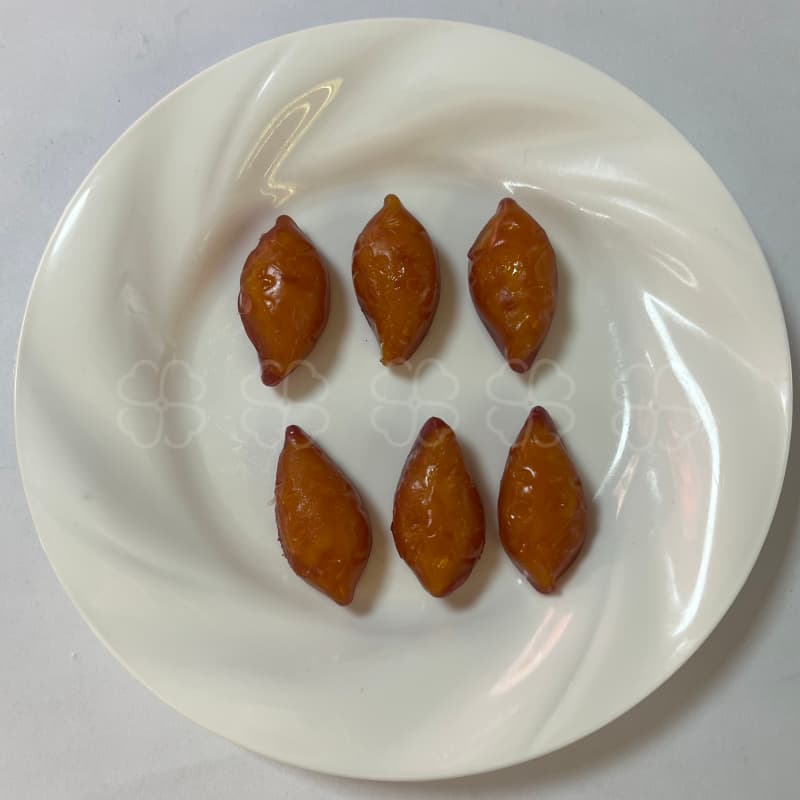
Sweet Potato Peelable Gummy
1. What Is a Sweet Potato Peelable Gummy?
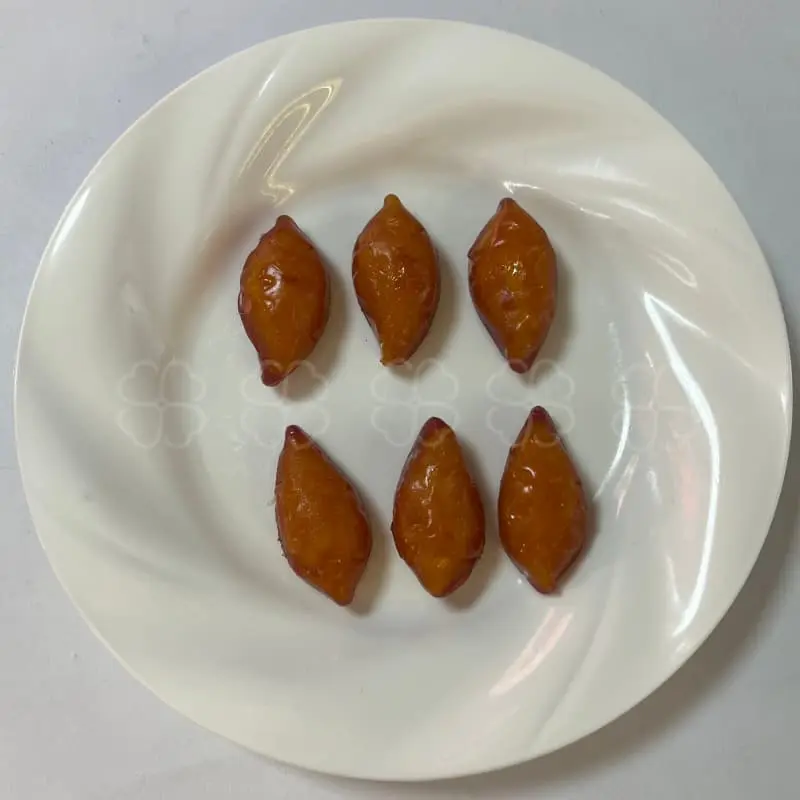
A Sweet Potato Peelable Gummy is a gummy confection concept that combines a sweet-potato-inspired flavor with a peelable or layered structure. Depending on the product design, consumers may be able to remove an outer gummy layer, reveal an inner portion, or experience two different textures in one piece. The exact construction depends on the manufacturer’s formulation and production process.
The sweet potato element can provide a flavor direction that differs from common strawberry, grape, apple, and citrus gummies. Depending on the intended profile, it may be developed to suggest mild sweetness, a cooked sweet-potato character, a creamy dessert note, or a more roasted flavor. These are potential sensory directions rather than fixed characteristics of every sweet-potato-flavored confection.
It is important to distinguish a sweet-potato-inspired flavor from a product made with actual sweet potato. A gummy can use a flavoring system designed to evoke sweet potato without containing sweet-potato puree or powder. If the recipe contains sweet-potato-derived ingredients, the formulation, moisture content, processing requirements, and ingredient declaration may differ. Brands should confirm the actual recipe before making ingredient-origin claims.
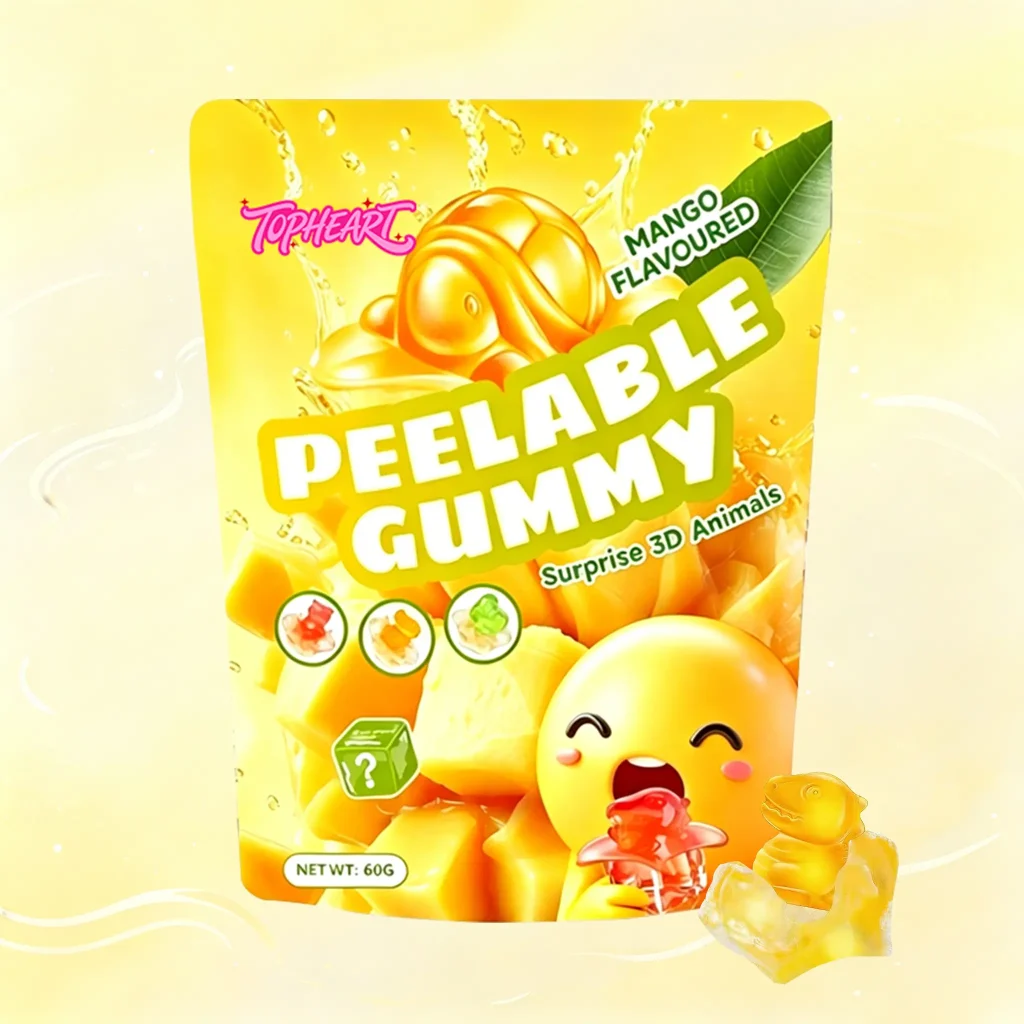
The peelable format also separates this product from a conventional gummy. A traditional gummy typically emphasizes shape, flavor, sweetness, and chew. A peelable gummy adds an interaction between the consumer and the product structure. This extra step can become a key product feature when the layers separate as intended and the candy remains enjoyable to eat.
2. The First Difference: An Interactive Eating Experience
2.1 Peeling adds another sensory dimension
Ordinary gummies are usually designed to be picked up and chewed. A peelable gummy introduces a small physical action before or during eating. The consumer may examine the surface, separate a layer, reveal the center, and then taste the different parts. This sequence creates an experience involving touch, sight, and taste rather than flavor alone.
For brands, the distinction matters because product differentiation can be communicated through a physical feature that is easy to demonstrate in packaging images, short videos, retail displays, and online product listings. However, the product must perform consistently. If the layer tears unpredictably or sticks too firmly to the center, the peeling feature may become frustrating rather than enjoyable.
Brands evaluating different formats can explore the range of peelable gummy candy concepts to understand how layer design, shape, and presentation can support different product ideas. The best option depends on the intended eating experience, manufacturing capabilities, target market, and cost requirements.
2.2 Layer contrast can create a more memorable product
A peelable gummy may use an outer layer that differs from the inner portion in firmness, color, flavor, or thickness. For a sweet potato concept, the two layers could be designed to share a consistent flavor identity or provide a subtle contrast. For example, a sweet-potato-inspired outer layer could be paired with a complementary mild-sweet center if the formulation and product brief support that combination.
More contrast is not always better. If the two layers taste unrelated, the product may feel inconsistent. If their firmness differs too much, one layer may break while the other remains intact. Successful design therefore requires the visual, tactile, and flavor elements to work together.
3. The Second Difference: A Sweet Potato-Inspired Flavor Profile
3.1 An alternative to standard fruit flavors
Sweet-potato-inspired flavor can broaden a gummy assortment beyond familiar fruit profiles. Depending on consumer expectations and recipe design, the flavor may lean toward gentle sweetness, cooked vegetable notes, roasted character, or dessert-like richness. A manufacturer should define the intended profile before selecting the flavor system because these directions can produce noticeably different products.
For example, a light and sweet profile may be appropriate for a playful novelty candy, while a more roasted profile could support a product concept built around distinctive food-inspired flavors. Neither direction should be assumed to perform better in every market. Sensory testing with the intended audience is the best way to determine whether the profile is recognizable, pleasant, and suitable for the brand.
3.2 Sweetness and aroma must work together
Sweetness influences how consumers perceive flavor, but increasing sweetness does not automatically make a gummy taste more like sweet potato. Excessive sweetness may mask the distinctive aroma or leave the product tasting generic. The development team should assess sweetness and aroma together, using small, controlled formulation changes.
Acidity also deserves attention. Many fruit gummies use a pronounced acidic note to create a refreshing taste. A sweet-potato-inspired gummy may require a different balance, depending on the intended flavor. Acid selection and concentration can also influence gel behavior, so the sensory target should be considered alongside texture and process requirements.
3.3 Color should reinforce the intended flavor
Color helps consumers form expectations before tasting a product. Depending on the chosen concept, a sweet-potato-inspired gummy might use orange, golden, cream, or purple tones. The right palette depends on the sweet potato variety or flavor story being communicated, the brand identity, and the intended retail environment.
Color should not be used to imply an ingredient or nutritional property that the product does not possess. If the candy uses flavoring rather than actual sweet potato, its product description and visual claims should remain accurate. Any statement about natural color, real ingredients, or nutritional benefits should be supported by the formulation and applicable regulations.
4. The Third Difference: Texture Engineering and Layer Separation
The most technically demanding feature of a Sweet Potato Peelable Gummy may be the relationship between its layers. The product must be stable enough to survive production, packaging, transportation, and storage while still allowing the consumer to separate the intended layer. This balance cannot be achieved through flavor selection alone.
Brands interested in a specific product concept can review the Sweet Potato Peelable Gummy product page as a starting point for discussing the intended design, available specifications, and customization requirements with the manufacturer.
4.1 Choosing a suitable gelling system
Gummy formulations may use gelatin, pectin, or other hydrocolloids to create the required structure. Gelatin-based systems can provide elastic, chewy textures, while pectin systems can behave differently depending on the pectin type, soluble-solids content, pH, and other ingredients. These materials are not interchangeable without formulation work.
The choice of gelling system should reflect the desired chew, layer geometry, production process, dietary requirements, and target markets. A formulation that produces an attractive single-layer gummy may not provide the adhesion or separation behavior required for a peelable product. Prototype trials should therefore evaluate the actual layered construction rather than assuming that the base formula will work unchanged.
4.2 Managing the bond between layers
The interface between the outer layer and inner core requires careful control. If the layers bond too strongly, peeling may require excessive force or cause the gummy to tear. If the bond is too weak, the product may separate during demolding or transit. The goal is not simply to minimize adhesion, but to establish the right level of separation for the intended design.
Layer thickness, setting conditions, ingredient composition, and the timing of each production step can influence the final structure. The manufacturer should record these variables during trials and compare them with the observed peeling performance. A repeatable process is essential for producing consistent commercial batches.
4.3 Moisture management and storage stability
Moisture can migrate between layers during storage. This may alter firmness, stickiness, and the force required to peel the gummy. A product that separates easily immediately after production may behave differently after several weeks in its packaging. Storage evaluation is therefore a necessary part of development.
The product should be tested in the intended packaging under suitable storage conditions. Changes in temperature, humidity, packaging seal quality, and handling can affect product performance. Shelf-life claims should be supported by a documented evaluation of the finished formulation and its packaging rather than by assumptions based on a similar candy.
5. Scientific Data: How Formulation Affects Gummy Texture
Food science research helps explain why gummy texture changes when hydrocolloid concentrations and formulation conditions change. Published studies can guide experimental design, but their results should not be treated as universal specifications for every peelable gummy. The following table distinguishes reported research conditions from practical development recommendations.
| Factor | Scientific evidence or principle | Application to Sweet Potato Peelable Gummy |
|---|---|---|
| Gelatin concentration | DeMars and Ziegler (2001) investigated gelatin-based gummy formulations using gelatin concentrations of 3.0%, 4.5%, and 6.0% in their experimental work. | Use controlled formulation trials to compare firmness and chew. These values describe study conditions, not a universal formula or recommended production range for every product. |
| Pectin concentration | The same research examined pectin levels of 0%, 0.5%, 1.0%, and 1.5% in its experimental formulations. | When evaluating pectin-based systems, consider the pectin type and its interaction with sugar, acidity, and other ingredients. Confirm performance in the intended layered structure. |
| Mechanical texture | DeMars and Ziegler reported correlations of r = 0.90 for strain at fracture and r = 0.87 for log stress at fracture in the formulations and measurements they studied. | Instrumental texture measurements can help compare prototypes, but the team should validate which measurements best predict chewiness, layer separation, and sensory acceptance for its own product. |
| pH and acidity | Gelatin and pectin have different gelation mechanisms, and formulation acidity can influence gel structure, flavor, and processing behavior. | Measure pH consistently during development and evaluate both flavor balance and layer integrity after formulation changes. |
| Soluble solids and moisture | Soluble solids and moisture availability affect sweetness, texture, and product stability. Their effects depend on the complete formulation and processing conditions. | Record soluble solids and relevant moisture measurements, and evaluate them alongside stickiness, chew, water activity, and storage performance. |
| Peel separation | The cited study does not establish a universal peel-force threshold for all peelable gummy products. | Create an internal test method to record separation force, successful peeling, breakage, and layer consistency. Establish acceptance limits using validated prototypes. |
These findings demonstrate why a successful gummy depends on more than one ingredient. A formulation change may improve firmness but make peeling more difficult, or improve separation while reducing resistance to handling. The development team should evaluate the combined effects of composition, processing, sensory quality, and packaging.
For reliable comparisons, every prototype should be produced under documented conditions. Record the formula, batch size, process temperatures, setting time, relevant measurements, and sensory results. This information helps the manufacturer identify which changes improve performance and makes the transition from laboratory samples to production batches more controlled.
6. Product Development: From Concept to Commercial Production
6.1 Define the product brief
Start by specifying the intended consumer, flavor direction, gummy size, layer design, color, packaging format, target price, and destination market. Clarify whether the product should contain actual sweet-potato ingredients or use a sweet-potato-inspired flavor system. The distinction can affect ingredient sourcing, processing, labeling, and product claims.
6.2 Develop controlled prototypes
Prepare a series of samples that vary selected factors systematically. One set may focus on flavor intensity, another on layer firmness, and another on the separation interface. Changing too many factors at once makes it difficult to identify the cause of an improvement or defect. A structured approach provides more useful information from each trial.
6.3 Conduct sensory and physical evaluations
Assess aroma, sweetness, aftertaste, chewiness, peeling behavior, surface stickiness, appearance, and overall acceptance. A standardized scoring sheet can help the team compare samples consistently. Where appropriate, include target consumers and interpret the results in light of the participant group and test design.
6.4 Confirm production repeatability
A successful small sample does not guarantee that the same product can be manufactured consistently at scale. Pilot production should verify depositing accuracy, layer alignment, setting, demolding, drying where applicable, and packaging. Inspect for uneven layers, breakage, sticking, and variation in piece size or weight.
6.5 Validate the packaged product
Evaluate the gummy in its intended commercial packaging. Check seal integrity, moisture protection, flavor retention, deformation, layer stability, and condition after appropriate storage. The final release specification should describe the measurable properties and acceptance criteria needed to maintain consistent quality across batches.
7. Why Manufacturing Experience Matters
Developing a peelable gummy requires coordination between product design, formulation, process engineering, and quality control. A manufacturer needs to understand not only how to create the intended flavor, but also how to maintain the relationship between layers during production and distribution. Small differences in ingredient quality or processing conditions may affect the finished product.
When evaluating a supplier, buyers should ask about product-development support, sample procedures, customization capabilities, quality documentation, traceability, and production planning. It is also useful to confirm whether the manufacturer can support the required packaging format, artwork, language, and destination-market requirements.
Brands can learn more about the supplier’s background and business focus through its candy manufacturing company profile. This should be part of a broader evaluation that includes reviewing product specifications, requesting samples, discussing quality expectations, and confirming the practical requirements of the intended project.
For private-label development, buyers should provide a clear product brief before requesting a quotation. Useful details include expected order quantity, destination country, packaging preference, target cost, required certifications, and any ingredient restrictions. These details help the supplier determine whether the project can use an existing product platform or needs additional formulation and process development.
8. Packaging and Brand Positioning
Packaging is especially important for an interactive product because consumers need to understand how it differs from an ordinary gummy. Product images can show the complete candy and demonstrate the intended peeling action. Clear visual communication helps buyers and consumers recognize the product format without relying on a long explanation.
Color and design should reinforce the chosen sweet potato concept. Orange and golden tones may suggest a familiar sweet-potato profile, while purple or cream palettes may suit other product interpretations. The final choice should match the actual product and target market rather than imply an ingredient that is not present.
Pack size should reflect the sales channel. Single-serve packaging may suit convenience retail or impulse purchases, while multipacks may work for sharing, online assortments, or specialty candy ranges. The packaging material should also protect the product from relevant moisture and handling risks and remain compatible with the intended shelf-life requirements.
Any claims about ingredients, natural colors, dietary suitability, or nutritional characteristics must be checked against the final recipe and the regulations in the destination market. Packaging should be attractive, but accuracy and compliance must remain priorities.
9. Quality Control and International Market Requirements
Product novelty does not reduce the need for food-safety controls. Ingredient approval, supplier qualification, sanitation, process monitoring, allergen assessment, traceability, packaging checks, and finished-product specifications should be incorporated into the quality plan. The applicable requirements depend on the product formulation, manufacturing facility, and target market.
Sweet-potato-inspired flavor does not automatically mean the candy contains sweet potato. Ingredient lists and marketing claims should reflect the actual formulation. If sweet-potato puree, powder, or other derived ingredients are used, their effect on moisture, flavor stability, and processing should be evaluated during development.
International buyers should confirm ingredient declarations, additive permissions, flavoring requirements, nutrition information, language rules, date marking, net quantity, importer details, and any other mandatory labeling elements. A product intended for several markets may require different packaging versions or regulatory reviews.
Shelf-life validation should consider the finished formulation and packaging together. Changes in temperature or humidity can affect gummy texture, stickiness, flavor, and layer separation. A documented stability plan helps the manufacturer and buyer establish appropriate storage conditions and a defensible shelf-life period.
10. How Buyers Can Evaluate Commercial Potential
A distinctive product concept is not proof of consumer demand. Before placing a large order, brands can assess the Sweet Potato Peelable Gummy through concept testing, sample evaluation, packaging review, and feedback from the intended sales channel. Questions should cover flavor acceptance, perceived novelty, peeling ease, texture preference, purchase interest, and price expectations.
Where possible, compare the product with a conventional gummy and another peelable flavor. This helps reveal whether consumers value the sweet-potato-inspired profile, the interactive format, or the combination of both. Open-ended feedback is useful because it may identify unexpected concerns about flavor familiarity, sweetness, texture, or packaging.
B2B buyers should also assess landed cost, minimum order quantities, freight conditions, packaging cost, expected retail margins, and the level of launch support required. A product may be appropriate for a seasonal or novelty assortment but need a different pack size or price structure for everyday retail. These decisions should be based on the buyer’s channel strategy and market evidence.
For international launches, avoid assuming that one flavor description or visual presentation will work equally well in every country. Local expectations, translation, ingredient declarations, and retail conventions can influence how the product is understood. A staged launch can provide useful evidence before expanding distribution.
11. Common Mistakes to Avoid
- Focusing on flavor alone: A pleasant flavor cannot compensate for layers that are difficult to separate or that break during handling.
- Making the outer layer too firm: Excessive firmness may make peeling uncomfortable or damage the inner portion.
- Ignoring storage effects: Moisture migration and temperature changes can alter the product after packing.
- Changing too many variables simultaneously: Uncontrolled trials make it harder to identify the source of a quality change.
- Using unsupported ingredient claims: Sweet-potato-inspired flavor should not be presented as proof that the product contains actual sweet potato.
- Skipping packaging validation: A product that performs well in a sample tray may not behave the same way in its final commercial pack.
- Ordering without agreed specifications: Confirm flavor, dimensions, layer behavior, packaging, quality criteria, and compliance requirements before mass production.
12. Frequently Asked Questions About Sweet Potato Peelable Gummy
1. What makes Sweet Potato Peelable Gummy different from regular gummy candy?
Sweet Potato Peelable Gummy combines a sweet-potato-inspired flavor concept with a peelable or layered structure. Regular gummy candy is generally designed to be eaten as a single piece, while a peelable gummy adds an interaction in which the consumer separates or reveals a layer before eating. This can create a more distinctive sensory experience involving appearance, touch, and taste. The actual difference depends on the product design, flavor system, layer structure, and texture, so buyers should confirm the specifications of the product they intend to purchase.
2. Does Sweet Potato Peelable Gummy contain real sweet potato?
Not necessarily. A sweet-potato-inspired flavor can be developed with a suitable flavoring system, while another formulation may contain sweet-potato puree, powder, or other sweet-potato-derived ingredients. The product name alone does not establish which ingredients are present. Buyers should review the ingredient list and technical documentation before making claims about real ingredients, nutritional characteristics, or product origin. The manufacturer should also evaluate how any sweet-potato-derived ingredients affect moisture, texture, processing, and shelf-life performance.
3. How does the peelable layer stay intact but separate easily?
The manufacturer must balance the structure of the outer layer, the inner core, and the interface between them. Hydrocolloid selection, ingredient concentrations, layer thickness, setting conditions, and process timing can all affect the result. If the layers bond too strongly, peeling may be difficult; if they bond too weakly, the product may separate during production or transportation. Controlled prototype trials, texture measurements, sensory evaluation, and packaged-product storage tests help determine whether the product can meet the intended performance requirements.
4. Can Sweet Potato Peelable Gummy be customized for private-label and OEM candy brands?
Customization may include flavor intensity, color, shape, layer design, pack size, artwork, and market-specific labeling, depending on the manufacturer’s capabilities. Buyers should prepare a product brief covering the target market, estimated order quantity, packaging requirements, target cost, and ingredient restrictions. The manufacturer can then assess feasibility, sample development, minimum order quantities, lead time, and quality requirements. Before mass production, both parties should approve the final product specification and acceptance criteria to reduce misunderstandings and unnecessary revisions.
5. What should buyers check before importing Sweet Potato Peelable Gummy?
Buyers should check the ingredient list, product specification, relevant quality documents, packaging performance, shelf-life evidence, batch traceability, and labeling compliance for the destination market. They should also confirm minimum order quantities, lead times, transport and storage conditions, and the process for managing quality issues. If the product makes claims about actual sweet potato ingredients, natural flavor, or dietary suitability, those claims should be verified against the final formulation and applicable rules. Reviewing representative samples and approving a written specification before ordering can help reduce commercial and quality risks.
A Distinctive Gummy Concept Built on Flavor and Texture
Sweet Potato Peelable Gummy stands apart from conventional gummy candy by combining a less familiar flavor direction with an interactive, layered eating experience. Its success depends on more than a creative concept: the flavor must be balanced, the layers must separate consistently, and the finished product must remain stable through packaging, transport, and storage.
For candy brands, importers, wholesalers, and private-label buyers, the most effective approach is to define the product brief clearly, test prototypes systematically, validate quality, and confirm regulatory requirements before launch. To discuss product specifications, sample development, or customization options, contact the candy product development team with your target market, expected order quantity, and packaging requirements.