
For international candy buyers, comparing Crisp Gummy Candy with traditional gummies also raises practical questions about ingredients, moisture management, production methods, flavor development, packaging, and shelf-life stability. This guide examines these differences and explores five fruit flavors: strawberry, mango, green apple, grape, and apple.
What Is Crisp Gummy Candy?
Crisp Gummy Candy describes a gummy-style confectionery concept in which the intended eating experience emphasizes a firmer bite, a more distinct break, or another noticeable crisp-texture characteristic. The precise meaning depends on the actual product. Some products may be firm yet still chewy, while others may feature a contrasting exterior and interior or a more brittle structure.
Importantly, the word “crisp” does not automatically mean that a gummy is crunchy like a biscuit or hard candy. A crisp-style gummy may remain a gel-based confectionery product, with its texture determined by the ingredients, moisture level, gel network, and processing conditions. Buyers should assess samples to establish what the term means for the specific product being considered.
For brands comparing different gummy formats, the wider soft candy and gummy candy product range provides a useful starting point for understanding how different confectionery products can serve different texture preferences and retail applications.
From a product-development perspective, Crisp Gummy Candy should be defined through measurable characteristics rather than marketing language alone. These characteristics can include firmness, the force required to bite through the candy, elasticity, fracture behavior, chewiness, and the way the texture changes during storage. Establishing these criteria helps manufacturers and buyers agree on the expected product experience.
Traditional Gummies: Softness, Elasticity, and Chewiness
Traditional gummy candy is commonly formulated to produce a cohesive gel structure that can deform under pressure and recover some of its shape before or during chewing. The exact texture varies according to the gelling system, solids content, acidity, processing conditions, and product design.
Elastic Structure
Gelatin-based gummies often provide a familiar elastic bite. Gelatin forms a protein network that holds water and other ingredients within a structured gel. When a consumer bites the candy, this network deforms and resists the applied force, creating a characteristic chewy sensation.
Other hydrocolloids, including pectin and agar, can produce different structural properties. Depending on the formulation, these ingredients may change firmness, elasticity, fracture behavior, and the way the candy breaks down during chewing. Consequently, not every traditional gummy has the same texture.
Extended Chewing Experience
Traditional gummies often emphasize sustained chewing rather than an immediate break. This characteristic can be appropriate for fruit-shaped gummies, gummy bears, rings, and other familiar confectionery formats. Consumers who enjoy a soft, elastic texture may prefer this experience.
However, the actual bite resistance of traditional gummies can range from soft to firm. A high-gel-strength formulation may feel substantially firmer than a softer recipe, so product comparisons should always be based on the actual samples rather than the product category alone.
How Crisp Gummy Candy Differs in Texture and Structure
The most useful way to compare Crisp Gummy Candy with traditional gummies is to examine how each product responds to pressure and chewing. The differences depend on the specific recipe, but several texture dimensions can help buyers understand the intended experience.
| Comparison Factor | Crisp Gummy Candy | Traditional Gummies |
|---|---|---|
| Initial bite | May emphasize a firmer bite or a more distinct break | Often emphasizes elastic resistance and deformation |
| Texture perception | May feel firm, crisp, or more fracture-oriented, depending on formulation | Commonly feels soft, elastic, and chewy |
| Structural behavior | May be designed to fracture more readily under biting pressure | Often deforms before breaking apart during chewing |
| Moisture considerations | Texture may be particularly sensitive to moisture migration if crispness is required | Moisture also affects softness, elasticity, stickiness, and stability |
| Product development focus | Achieving the intended bite, fracture, and texture contrast | Achieving the desired elasticity, chewiness, and cohesive gel structure |
| Potential applications | Novelty confectionery and products designed around a distinctive bite | Fruit gummies, gummy bears, rings, and familiar chewy candy formats |
This comparison describes general design objectives, not universal properties. A firm traditional gummy may overlap with a crisp-style gummy in some texture measurements. Likewise, a product marketed as crisp may not deliver a pronounced crunch. Buyers should request a sample and agree on a sensory definition before approving production.
The Science Behind Gummy Texture
Gummy texture is influenced by the structure of its gel network. Gelatin, pectin, agar, sugars, acids, and other ingredients can interact to determine how a confectionery gel responds to pressure. Water content and the distribution of solids also influence the mechanical properties of the finished product.
In a study published in Food Hydrocolloids, Laura L. DeMars and Gregory R. Ziegler investigated the texture and structure of gelatin and high-methoxyl pectin gummy confections. Their experimental formulations included gelatin concentrations of 3.0%, 4.5%, and 6.0%, with pectin concentrations ranging from 0% to 1.5%. The researchers found that adding pectin influenced fracture behavior and sensory texture.
The study also demonstrated that sensory texture could be related to instrumental measurements. These findings help explain why the texture of gummy candy should be evaluated using both sensory assessment and appropriate physical tests.
Scientific Data for Understanding Gummy Texture
| Research Parameter | Published Finding | Relevance to Product Development |
|---|---|---|
| Gelatin concentration in an experimental gummy system | 3.0%, 4.5%, and 6.0% | Shows that researchers evaluated multiple gelatin levels to examine differences in gel structure and texture. |
| High-methoxyl pectin concentration | 0%, 0.5%, 1.0%, and 1.5% | Illustrates how varying the proportion of a second gelling ingredient can change the properties of a confectionery gel. |
| Sensory evaluation | Seven gel formulations were evaluated in duplicate by 10 experienced panelists. | Demonstrates a structured approach to assessing sensory differences rather than relying on informal descriptions alone. |
| Sensory and mechanical relationship | The first sensory texture principal component correlated with strain at fracture at r = 0.90. | Shows that sensory texture and measurable fracture behavior can be closely associated in a controlled experimental system. |
| Effect of pectin addition | The addition of pectin reduced the strain at fracture of the gelatin gels examined. | Provides evidence that ingredient selection can affect how a gummy gel deforms and breaks. |
How should buyers interpret these findings? The figures above come from a specific scientific study and should not be treated as universal formulation specifications for Crisp Gummy Candy. They demonstrate the relationship between ingredients, structure, and texture. Commercial products require their own formulation trials, sensory evaluation, and quality-control standards.
How Ingredients Influence Crisp and Chewy Textures
Ingredient selection is one of the central considerations when developing a gummy product with a specific bite. However, no single ingredient automatically guarantees a crisp result. Texture emerges from the combined effects of the gelling system, soluble solids, water, acidity, processing conditions, and storage environment.
Gelatin and Elasticity
Gelatin is widely used in gummy confectionery because it can create an elastic gel network. Depending on its concentration and the surrounding formulation, it can contribute to softness, firmness, and chewiness. A developer seeking a more distinct bite must consider how the gelatin network behaves under compression and fracture.
Pectin and Gel Structure
Pectin can create a different texture profile from gelatin. Its performance depends on the pectin type, sugar concentration, acidity, and other formulation conditions. Some pectin-based gels may feel more short-textured or less elastic than certain gelatin systems, but the actual outcome depends on the complete recipe.
Solids Content and Moisture
Sugar and syrup solids influence the composition and physical behavior of confectionery. Water content also plays an important role in softness, stickiness, and structural stability. If a crisp-style product depends on a moisture-sensitive structure, moisture migration during storage may reduce the intended texture.
For this reason, a manufacturer should evaluate the finished product under realistic packaging and storage conditions. A sample that has the desired bite immediately after production may not retain the same characteristics after extended storage or exposure to unsuitable environmental conditions.
Five Flavor Options for Crisp Gummy Candy
Flavor is another important part of product differentiation. Strawberry, mango, green apple, grape, and apple offer recognizable fruit profiles that can be used to develop a varied confectionery range. The ideal flavor depends on the intended texture, sweetness level, acidity, target audience, and market positioning.
Strawberry Flavor
Strawberry is a familiar fruit flavor that can support a sweet, fruity gummy profile. It may be suitable for products designed around approachable fruit flavors, mixed assortments, and everyday confectionery purchases.
When developing Strawberry Crisp Gummy Candy, buyers should evaluate how the strawberry aroma and sweetness work with the intended bite. The color should also be consistent with the product presentation and comply with applicable food regulations.
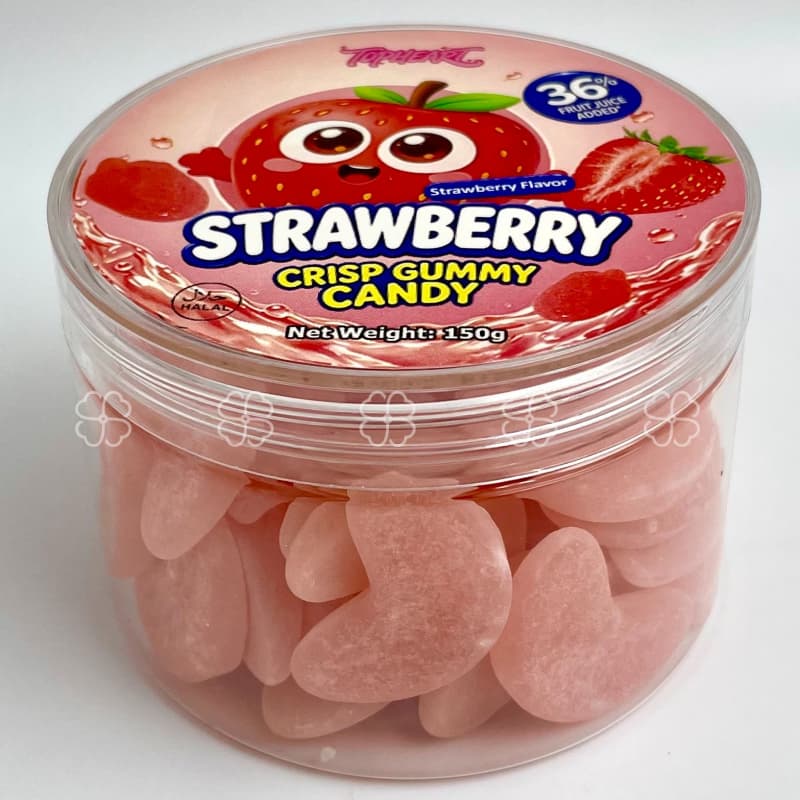
150g CRISP GUMMY CANDY(Strawberry Flavor)
Mango Flavor
Mango provides a tropical direction that can help diversify a gummy collection. Depending on the formulation, the flavor may emphasize ripe sweetness, a juicy fruit character, or a more tangy profile.
Mango Crisp Gummy Candy may be considered for tropical-themed assortments and product collections that combine familiar and distinctive fruit flavors. Sample evaluation should cover aroma, sweetness, acidity, and how the texture performs during consumption.
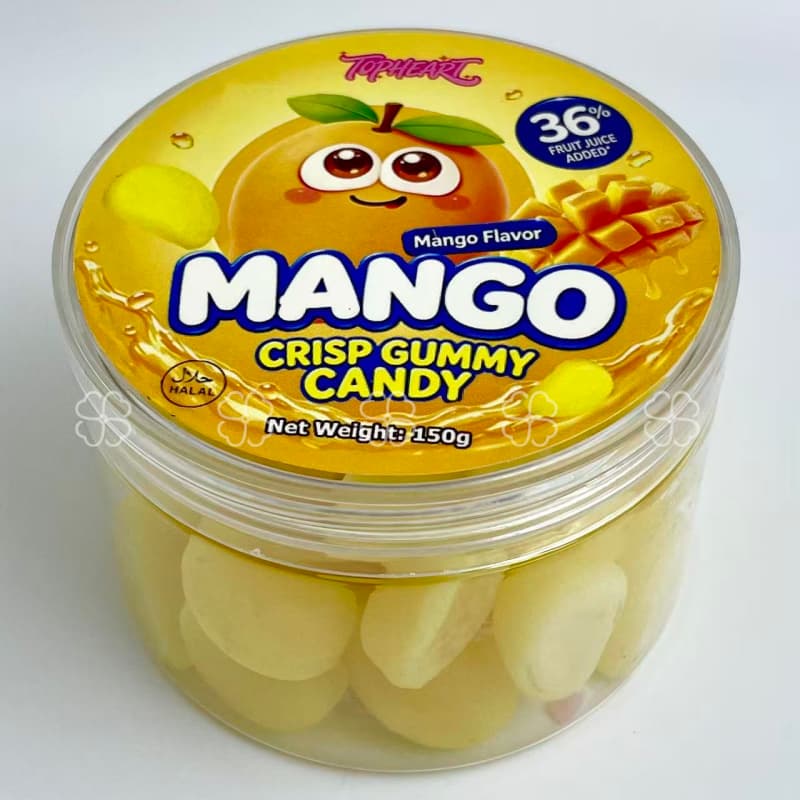
150g CRISP GUMMY CANDY(Mango Flavor)
Green Apple Flavor
Green apple is commonly associated with a sharper, tangier fruit profile. This characteristic can introduce contrast within an assortment that also includes sweeter flavors such as strawberry and mango.
For Green Apple Crisp Gummy Candy, the development team should balance acidity with the intended sweetness and texture. The result should provide a recognizable apple flavor without allowing excessive sourness to dominate the overall eating experience.
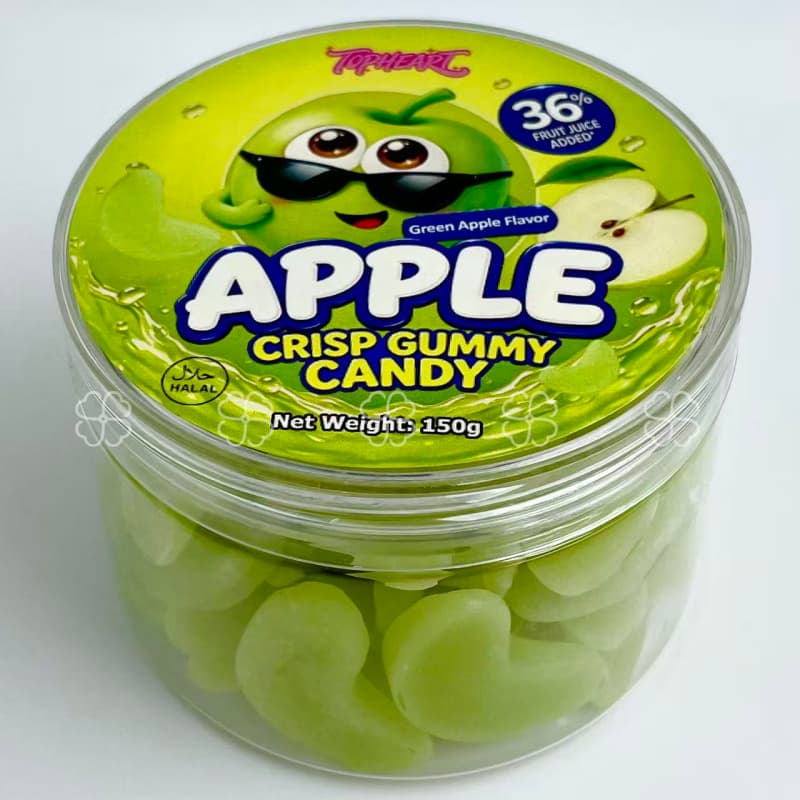
150g CRISP GUMMY CANDY(Green Apple Flavor)
Grape Flavor
Grape is a recognizable confectionery flavor that can contribute a sweet and fruity character. It can serve as part of a mixed fruit range or as a single-flavor option for buyers seeking a focused product offering.
When evaluating Grape Crisp Gummy Candy, buyers should consider flavor intensity, color consistency, and the relationship between the initial bite and the lingering fruit taste. Packaging should communicate the flavor clearly without making claims that the actual formulation cannot support.
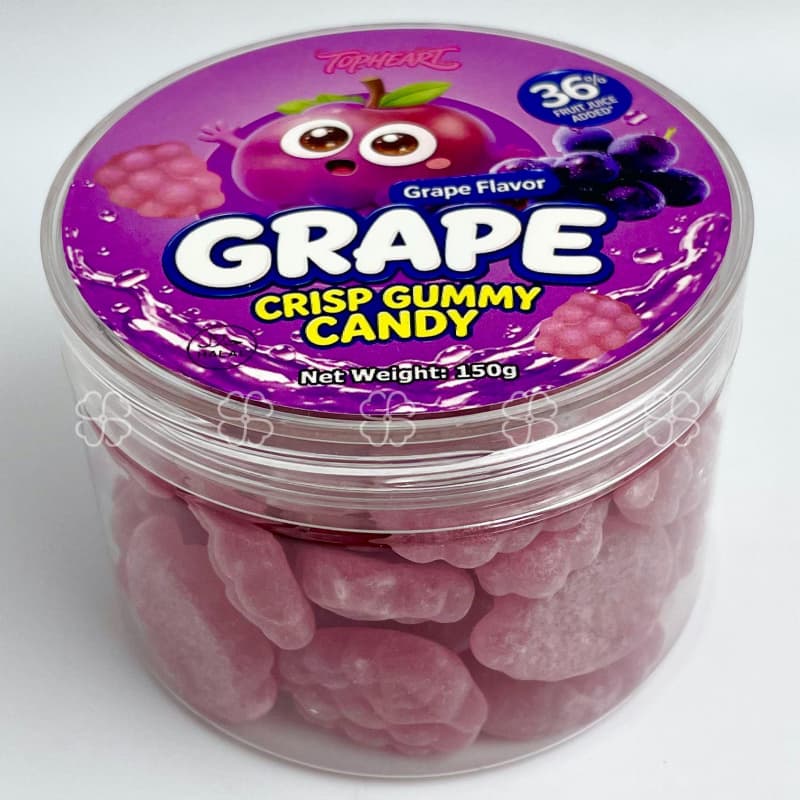
150g CRISP GUMMY CANDY(Grape Flavor)
Apple Flavor
Apple flavor can provide a familiar fruit direction that differs from a sharper green apple profile. Depending on the formulation, it may emphasize sweetness, mild acidity, or a balanced apple character.
Apple Crisp Gummy Candy can be evaluated as a complementary option alongside strawberry, mango, green apple, and grape. Buyers should assess whether the flavor is clearly distinguishable from green apple in a multi-flavor assortment, particularly when color and packaging are similar.
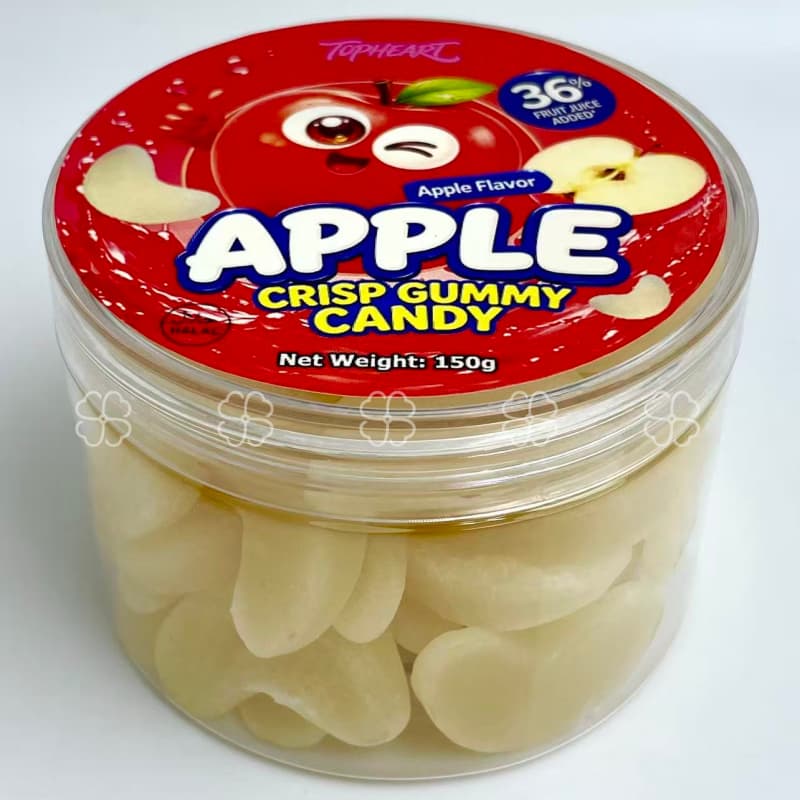
150g CRISP GUMMY CANDY(Apple Flavor)
Choosing the Right Texture for Your Target Market
Neither Crisp Gummy Candy nor traditional gummies are automatically the right choice for every business. The appropriate format depends on the product concept, target consumers, retail channel, price positioning, and desired eating experience.
For Novelty Confectionery
A crisp-style texture may be relevant when a product is intended to deliver a distinctive bite or a texture contrast that can be communicated clearly to consumers. Buyers should confirm that the product’s actual characteristics support the positioning used on packaging and in marketing materials.
For Familiar Everyday Candy
Traditional gummies may suit a product concept built around elasticity, sustained chewing, and recognizable gummy textures. This format can be useful for fruit shapes, gummy bears, rings, and other established confectionery styles.
For Mixed Product Portfolios
Some brands may benefit from offering more than one texture. A portfolio containing both chewy and firmer gummy products can provide options for different preferences without suggesting that one texture is universally superior. Sample testing and customer feedback can help determine which formats deserve further development.
Packaging and Storage: Protecting the Intended Texture
Packaging is particularly important when a gummy’s appeal depends on a specific texture. Moisture changes can affect softness, stickiness, and fracture behavior. Heat and storage conditions may also influence product quality over time.
Buyers should ask manufacturers to evaluate packaging materials, seal integrity, storage recommendations, and shelf-life evidence for the actual formulation. The package should protect the candy during transportation while providing sufficient space for product information and branding.
Useful evaluation points include moisture protection, resistance to package damage, consistency of texture after storage, and suitability for the intended distribution environment. If a crisp characteristic is central to the product, texture retention should be included in the product’s acceptance criteria rather than treated as a secondary consideration.
Quality Control and Product Specifications
Clear specifications help manufacturers and buyers maintain consistent product quality. For Crisp Gummy Candy, the specification should describe the expected texture in terms that can be evaluated through sensory and instrumental methods.
- Appearance: Confirm color, dimensions, surface condition, and overall consistency.
- Bite characteristics: Describe the expected firmness, fracture behavior, and chewiness using agreed evaluation methods.
- Flavor profile: Establish the expected flavor intensity, sweetness, acidity, and aftertaste.
- Moisture and stability: Confirm relevant product-specific limits and storage conditions.
- Packaging: Review seal integrity, package dimensions, labeling, and protection during transport.
- Batch consistency: Establish how samples and production batches will be compared against the approved specification.
Manufacturers can use instrumental texture testing, sensory panels, and product inspections to support quality control. The appropriate method depends on the product structure and the attributes that matter most to the buyer. A crisp product and a highly elastic gummy may require different evaluation criteria.
Working with a Gummy Candy Manufacturer
When sourcing a new gummy product, buyers should communicate the intended eating experience before requesting a quotation. A description such as “crisp” can mean different things to different people, so it is useful to provide reference samples, photographs where relevant, and a written product brief.
The brief should identify the desired texture, fruit flavor, shape, color, package format, target market, and expected order quantity. Buyers should also clarify whether the product needs a particular ingredient profile or must meet specific dietary, labeling, or regulatory requirements.
When assessing a supplier, consider its ability to develop samples, explain technical limitations, maintain production consistency, and provide relevant product documentation. You can learn more about Candy-Food’s company background when evaluating a potential confectionery supplier and preparing questions about product development.
Before commercial production, confirm the approved sample, written specifications, minimum order quantity, sampling arrangements, lead time, packaging details, and applicable shipping terms. For product inquiries or a discussion about your desired gummy texture and fruit flavors, use the Candy-Food contact page to communicate your project requirements.
Choosing the Right Crisp Gummy Candy for Your Market
Crisp Gummy Candy offers confectionery brands an opportunity to differentiate their product portfolios through distinctive textures, appealing flavors, and innovative product concepts. By understanding how crisp-style gummies differ from traditional soft gummies, buyers can make more informed decisions about product positioning, target consumers, packaging, and retail applications. Popular flavors such as strawberry, mango, green apple, grape, and apple provide a versatile starting point for developing products that match regional preferences. For importers, distributors, and private-label brands, working with an experienced gummy candy manufacturer can help align texture specifications, flavor development, quality control, and packaging requirements with market needs. Ultimately, the best product is the one that delivers a consistent eating experience, meets customer expectations, and supports your brand’s long-term growth.
Frequently Asked Questions
1. What is Crisp Gummy Candy?
Crisp Gummy Candy is a gummy-style confectionery product designed to provide a firmer bite, a more distinct break, or another noticeable crisp-texture characteristic. The exact texture depends on the formulation, gelling system, moisture content, and manufacturing process. Because the term can describe different product structures, buyers should evaluate samples and agree on a clear sensory specification before placing a commercial order.
2. What is the difference between Crisp Gummy Candy and traditional gummies?
The main difference is the intended texture experience. Traditional gummies commonly emphasize elasticity and sustained chewing, while Crisp Gummy Candy may emphasize a firmer bite or more noticeable fracture when bitten. Actual products can overlap in firmness, so the distinction should be established through sample testing rather than the product name alone. Buyers should compare bite resistance, chewiness, flavor, and texture retention during storage.
3. Which flavors are available for Crisp Gummy Candy?
Potential fruit-flavor options include strawberry, mango, green apple, grape, and apple. Strawberry can provide a familiar sweet-fruit profile, mango offers a tropical direction, green apple introduces a tangier character, grape contributes a recognizable fruity taste, and apple offers another familiar fruit option. Final flavor availability depends on the manufacturer’s capabilities. Buyers should request samples to evaluate flavor balance, color, acidity, and compatibility with the intended texture.
4. What ingredients affect the texture of Crisp Gummy Candy?
Texture can be influenced by gelling agents such as gelatin, pectin, and agar, as well as sugar and syrup solids, acidity, moisture content, and processing conditions. These ingredients interact to determine the structure and mechanical behavior of the finished candy. No single ingredient guarantees a crisp result. Product developers should conduct formulation trials and use sensory assessment and appropriate physical testing to confirm whether the desired bite and texture have been achieved.
5. How should buyers select a manufacturer for Crisp Gummy Candy?
Buyers should look for a manufacturer that can explain its formulation options, develop representative samples, define measurable texture specifications, and maintain consistency during production. They should also confirm flavor customization, packaging suitability, shelf-life evidence, minimum order quantities, production lead times, and relevant food-labeling documentation. Approving a representative sample and a written product specification before mass production helps both parties understand the expected product quality and reduces avoidable misunderstandings.