


The global confectionery industry has entered a refined era where visual aesthetics, tactile appeal, and long-term shelf stability dictate consumer purchasing behavior. At the absolute forefront of this high-end trend is the polished gummy, an exceptional confectionery item characterized by its immaculate, mirror-like gloss and non-sticky surface texture. Unlike traditional matte candies that tend to clump together under humid conditions, polished varieties undergo a meticulous finishing process using food-grade waxes and oils. As international markets demand premium visual quality and enhanced mouthfeel, brand owners, importers, and retail chains are actively seeking dependable supply chains for polished gummy candy lines.
The trajectory of the 2026 confectionery market clearly demonstrates that surface finish and tactile cleanliness are primary drivers of repeat retail sales. Consumers today expect vibrant colors and pristine packaging without the frustration of melted or clumped pieces. The polished confectionery format solves these exact retail challenges by sealing the internal moisture matrix behind a protective, gleaming barrier. For global B2B buyers looking to capture high-margin retail segments, understanding how to secure oil polished gummy wholesale products directly from an experienced polished gummy manufacturer is vital for competitive success. To explore customized manufacturing solutions and direct corporate communication channels, global importers can readily contact our export team for professional product catalogs and tailored formulation consultations.
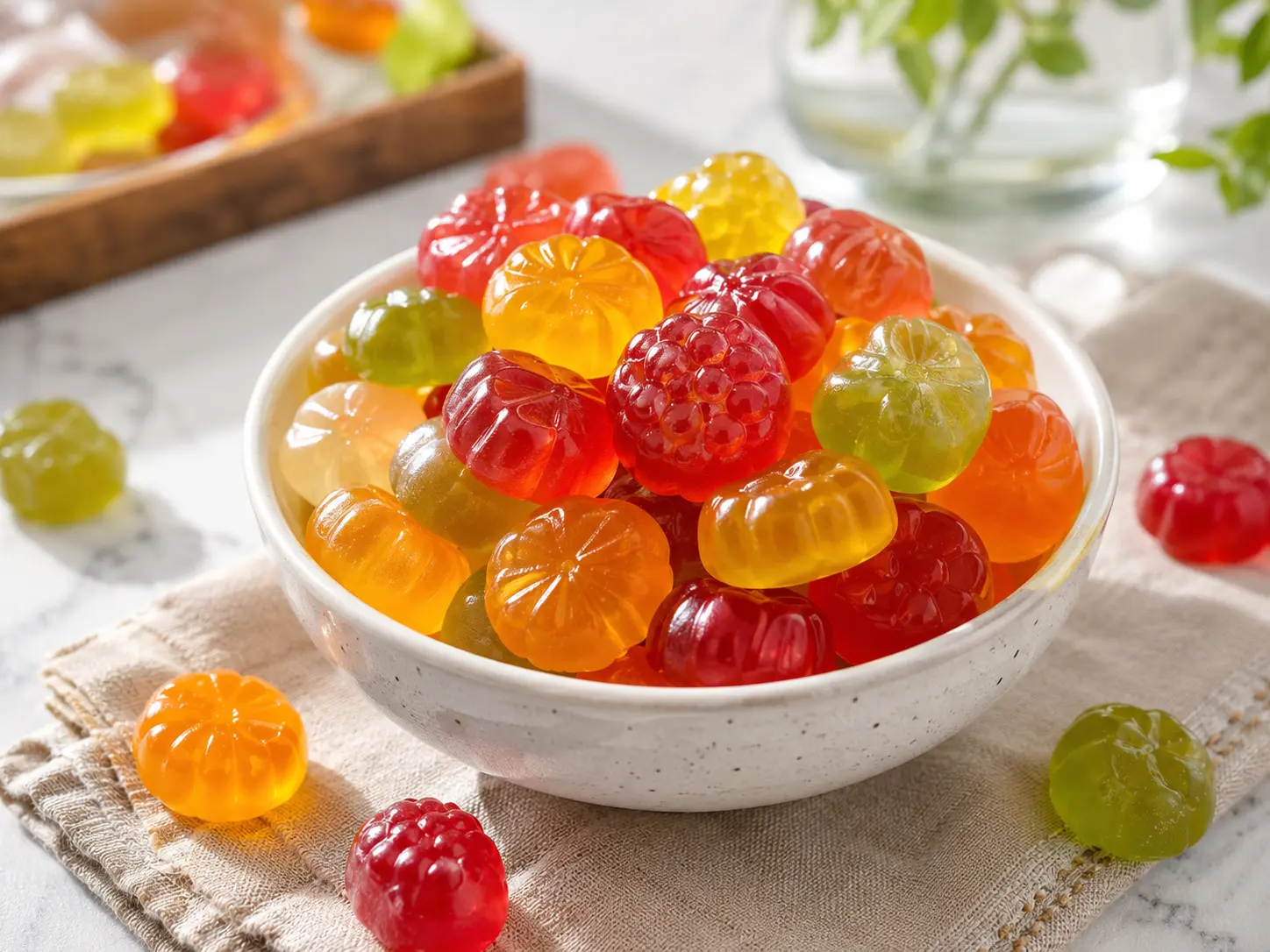
Polished Gummy
The Science and Manufacturing Process of Polished Gummies
Crafting a commercial-grade polished gummy requires rigorous control over tumbling kinetics, thermodynamic cooling, and precise application ratios of glazing agents. Unlike standard starch-molded gummies that emerge from drying rooms with a matte or sanded finish, polished confections demand a secondary finishing stage.
The Polishing and Glazing Technology and Production Flow
The process begins after the standard molding, demolding, and initial curing phases are complete. The gummy pieces are transferred into large rotating coating pans or specialized tumbling drums. As the drum rotates at a carefully calibrated angular velocity, atomized glazing agents—such as pharmaceutical-grade carnauba wax, pure beeswax, or fractionated coconut oil—are sprayed uniformly over the candy surfaces. This protective lipid or wax layer seals micro-fissures, locks in internal moisture, and imparts a brilliant, reflective sheen. Operating inside a certified polished gummy factory ensures that ambient temperature and relative humidity are strictly regulated throughout this tumble-coating phase to prevent surface blooming or cloudiness.
Material Parameters and Technical Specifications
To maintain optimal gloss units without altering the core chew characteristics, manufacturers must balance solid content, anti-stick agents, and glazing proportions. Below is a comprehensive scientific parameter table detailing the structural properties of commercial-grade polished gummies compared to conventional matte alternatives:
| Technical Parameter | Polished Gummy Specification | Standard Matte Gummy Specification | Sugar-Sanded Gummy Benchmark |
| Surface Gloss Index (GU) | $85 – 95$ GU | $10 – 25$ GU | $5 – 15$ GU (Matte/Sanded) |
| Moisture Retention (%) | $13.5\% – 15.5\%$ | $14.0\% – 18.0\%$ | $12.0\% – 14.0\%$ |
| Tackiness / Anti-Clump Index | Extremely Low ($<2\%$) | High ($15\% – 25\%$) | Low ($<5\%$) |
| Glazing Agent Layer Weight | $0.15\% – 0.30\%$ | None / Uncoated | $5.0\% – 8.0\%$ (Granulated Sugar) |
| Water Activity ($a_w$) | $0.58 – 0.63$ | $0.60 – 0.65$ | $0.55 – 0.60$ |
| Shelf-Life Gloss Retention | $12 – 18$ Months | N/A (Matte Finish) | $6 – 9$ Months (Sugar Dissolution Risk) |
Maintaining these exact thresholds ensures that the exterior finish remains brilliant and non-sticky during transport across diverse climatic zones. Every production batch generated within our advanced facilities undergoes strict surface reflection measurement and anti-clumping stress tests to guarantee absolute batch-to-batch uniformity. To learn more about our corporate history, manufacturing philosophy, and production infrastructure, visit our corporate overview page.
Sensory Appeal and Textural Superiority: Polished Gummy vs. Standard Matte Gummy
For marketing teams, product developers, and retail buyers, analyzing the sensory and visual distinctions between a polished gummy and legacy alternatives is crucial for effective brand positioning.
Surface Finish and Anti-Adhesion Performance
When consumers open a bag of standard matte gummies, humidity exposure during storage often causes the sugar-rich surfaces to sweat and fuse together into solid lumps. In contrast, the standard gummy vs polished gummy comparison highlights the superior protective mechanics of oil and wax glazing. The hydrophobic microscopic barrier created during the polishing process prevents ambient moisture from penetrating the gummy matrix, completely eliminating inter-piece adhesion. This ensures that every individual piece remains loose, clean, and visually striking right up to the final consumer consumption moment.
The Psychological Impact of High Gloss and Tactile Cleanliness
From a retail consumer psychology perspective, high-gloss visual cues are immediately associated with premium quality, freshness, and indulgence. The brilliant surface reflection catches retail lighting effectively, drawing consumer attention on crowded supermarket shelves. Furthermore, the clean, non-greasy tactile feel prevents fingers from becoming sticky during handling, elevating the overall snacking experience. To explore our diverse portfolio of high-gloss confections, specialized shapes, and custom formulations, browse our comprehensive polished gummy product catalog.
Sourcing Solutions for Global B2B Importers: OEM, ODM, and Custom Polishing
Procuring confectionery products at scale requires vetting manufacturing partners capable of handling complex international specifications, custom mold designs, and rigorous private-label requirements.
Evaluating a Polished Gummy Supplier
When searching for a reliable custom polished gummy manufacturer, global buyers must look far beyond basic cost-per-kilogram metrics. Essential evaluation criteria include:
-
Mass-Finishing Expertise: Does the supplier utilize automated tumbling systems with precise spray-metering technology to ensure uniform wax distribution without pooling?
-
Certifications: Facilities must maintain internationally validated quality credentials, including HACCP, ISO 22000, BRCGS, and FDA establishment registration.
-
Customization Flexibility: Top-tier OEM/ODM partners offer bespoke mold creation, dual-color layering, center-filled liquid centers, and specialized organic glazing options (such as vegan carnauba-based coatings).
Minimum Order Quantities and Export Logistics
Most professional manufacturing plants establish minimum order quantities (MOQs) starting between $3,000\text{ kg}$ and $5,000\text{ kg}$ per customized flavor and mold combination, allowing private-label brands to test regional markets efficiently. Partnering with an established OEM polished gummy supplier ensures that your brand benefits from optimized raw material procurement, stable supply chain logistics, and consistent glazing integrity across multi-container international shipments.
Advanced Packaging Innovations and Humidity Control for Bulk Orders
Because polished confections rely on a specialized wax or oil surface seal, maintaining environmental stability during long-distance shipping is vital to prevent finish degradation.
Barrier Packaging Technologies
Global import buyers must specify high-barrier flexible packaging materials to protect the product. Standard industrial solutions involve metallized polyethylene terephthalate (VMPET) laminated with cast polypropylene (CPP), or heavy-duty foil gusset pouches equipped with nitrogen-flushing capabilities. Nitrogen flushing displaces residual oxygen inside the package, preventing lipid oxidation in glazing oils and maintaining absolute visual clarity.
Shelf-Life Longevity and Storage Parameters
Under proper climate-controlled storage conditions—maintaining ambient temperatures between $18^\circ\text{C}$ and $22^\circ\text{C}$ and relative humidity below $60\%$—premium polished gummies maintain their mirror-like gloss and fresh texture for 12 to 18 months. For bulk B2B transit, sturdy corrugated master cartons stacked on ISPM 15-compliant heat-treated wooden pallets protect the product from physical crushing and environmental stress during ocean freight.
Global Food Safety Regulations, Compliance, and Import Standards
Navigating international trade laws requires strict compliance with food safety regulations, ingredient transparency, and customs clearance protocols.
International Food Safety Standards
Importers must ensure that their chosen manufacturing partner complies fully with the regulatory bodies of the destination market—such as the FDA in the United States, EFSA in the European Union, or SFDA across regional export destinations. Independent third-party laboratory testing for heavy metals, microbiological safety (Salmonella, E. coli, Yeast, and Mold), and food-grade glazing additive limits is an essential prerequisite before final container loading.
Labeling Transparency and Customs Documentation
Smooth port entry relies on accurate export documentation. Key paperwork required by international customs authorities includes:
-
Commercial Invoice and Packing List featuring exact HS codes for confectionery items.
-
Certificate of Analysis (CoA) detailing Brix level, moisture percentage, and microbiological status.
-
Health Certificate / Certificate of Free Sale issued by authorized inspection and quarantine bureaus.
-
Detailed Ingredient and Additive Declarations, explicitly disclosing the specific glazing agents (e.g., carnauba wax or mineral oil) used in compliance with local retail laws.
2026 Market Outlook: Emerging Trends in Glossy and Premium Confectionery
As we progress through 2026, the confectionery landscape continues to evolve, shaped by heightened health consciousness, advanced food science, and consumer demand for superior sensory aesthetics.
Clean-Label Glazing and Functional Innovations
Modern consumers increasingly scrutinize ingredient lists, driving a strong market shift toward clean-label solutions. The latest wave of wholesale polished gummy trends highlights the replacement of petroleum-derived mineral oils with certified organic plant waxes, sustainable carnauba alternatives, and natural fruit juice concentrates. Furthermore, forward-thinking brands are combining high-gloss finishes with functional wellness ingredients—such as vitamins, dietary fiber, and plant extracts—transforming a traditional treat into a premium lifestyle snack.
Conclusion and Strategic Procurement Checklist for Global Buyers
Securing high-quality polished confectionery requires a strategic approach, rigorous technical vetting, and collaboration with a trusted manufacturing partner. To streamline your international procurement workflow, follow this 5-step action checklist:
-
Define Your Surface Specification: Determine whether your target market prefers a high-gloss carnauba wax finish or a lightweight coconut oil glaze.
-
Request Technical Samples: Evaluate gloss stability, anti-clumping performance, and flavor release under your local climatic storage conditions.
-
Verify Factory Certifications: Ensure the manufacturing partner holds recognized global credentials such as ISO 22000, BRCGS, and HACCP.
-
Optimize Barrier Packaging: Mandate nitrogen-flushed, multi-layer metallized pouches to protect the brilliant surface finish during long-distance ocean transit.
-
Establish Scalable Logistics: Agree on clear MOQ structures, production lead times, and shipping schedules with your chosen supplier.
Frequently Asked Questions
1. What makes a polished gummy different from a standard matte gummy?
The primary difference lies in the surface finish and post-molding treatment. A standard matte gummy emerges directly from starch molds with a slightly dull, porous surface that readily absorbs ambient moisture and tends to stick together. A polished gummy undergoes a specialized tumble-coating process using food-grade waxes or oils, which seals the surface, provides a brilliant mirror-like gloss, and eliminates inter-piece adhesion.
2. What are the standard minimum order quantities (MOQs) required by a polished gummy factory?
For standard stock formulations and packaging formats, MOQs typically range from 1,000 kg to 2,000 kg per run. For fully customized private-label production—including bespoke mold shapes, custom dual-color layouts, specific fruit flavor profiles, and branded retail pouches—most advanced manufacturers require MOQs between 3,000 kg and 5,000 kg per production batch to maintain production efficiency.
3. Are the glazing and polishing agents used on commercial polished gummies vegan-friendly?
Many modern commercial polished gummies utilize plant-derived glazing agents such as certified organic carnauba wax or vegetable-based oils, making them fully suitable for vegan and vegetarian product lines. However, formulators must verify the specific polishing agent with their supplier, as traditional beeswax or certain animal-derived processing aids are occasionally used in conventional recipes.
4. How do manufacturers prevent polished gummies from sticking together during long-distance global shipping?
Manufacturers prevent clumping by applying a precise, micro-thin layer of hydrophobic glazing agents (like carnauba wax or fractionated coconut oil) during the tumbling phase. This lipid or wax barrier repels external humidity and prevents moisture migration between individual pieces, keeping the gummies loose and free-flowing even when subjected to temperature fluctuations during ocean freight.
5. What certifications should global B2B buyers look for when choosing a custom manufacturer?
Importers should verify that their manufacturing partner operates under internationally recognized food safety management systems. Essential credentials include ISO 22000, HACCP, BRCGS (British Retail Consortium Global Standards), and FDA facility registration. These certifications guarantee strict hygiene protocols, reliable raw material traceability, and consistent compliance with global export regulations.
Navigating the Future of Confectionery Innovation with Confidence
As the global confectionery market increasingly prioritizes premium visual appeal, pristine surface gloss, and clean-label formulations, sourcing the right **polished gummy** product requires looking far beyond basic price points. Global brand owners and importers must carefully evaluate critical operational factors—ranging from precise tumbling mechanics and hydrophobic wax parameters to strict humidity management and international regulatory compliance (such as FDA, HACCP, and BRC standards). Common pitfalls, such as neglecting high-barrier packaging integrity during long-distance ocean freight or failing to verify supplier flexibility for custom organic glazing agents, can severely impact retail shelf-life and brand reputation.
For B2B buyers looking to scale their private-label offerings successfully, partnering with an experienced polished gummy manufacturer ensures consistent batch-to-batch gloss retention, optimized minimum order quantities (MOQs), and reliable anti-clumping performance. Whether you are expanding an existing product line or introducing a high-end glossy confection to your regional market, establishing a direct dialogue with a trusted manufacturing partner is the definitive first step toward long-term profitability. To review our complete production capabilities, explore bespoke formulation options, or discuss your upcoming private-label project, we invite you to connect directly with our international export specialists today.
Feature Product
-
 Gummy Candy
What Is Gummy Candy? Gummy Candy is one of the ...
-
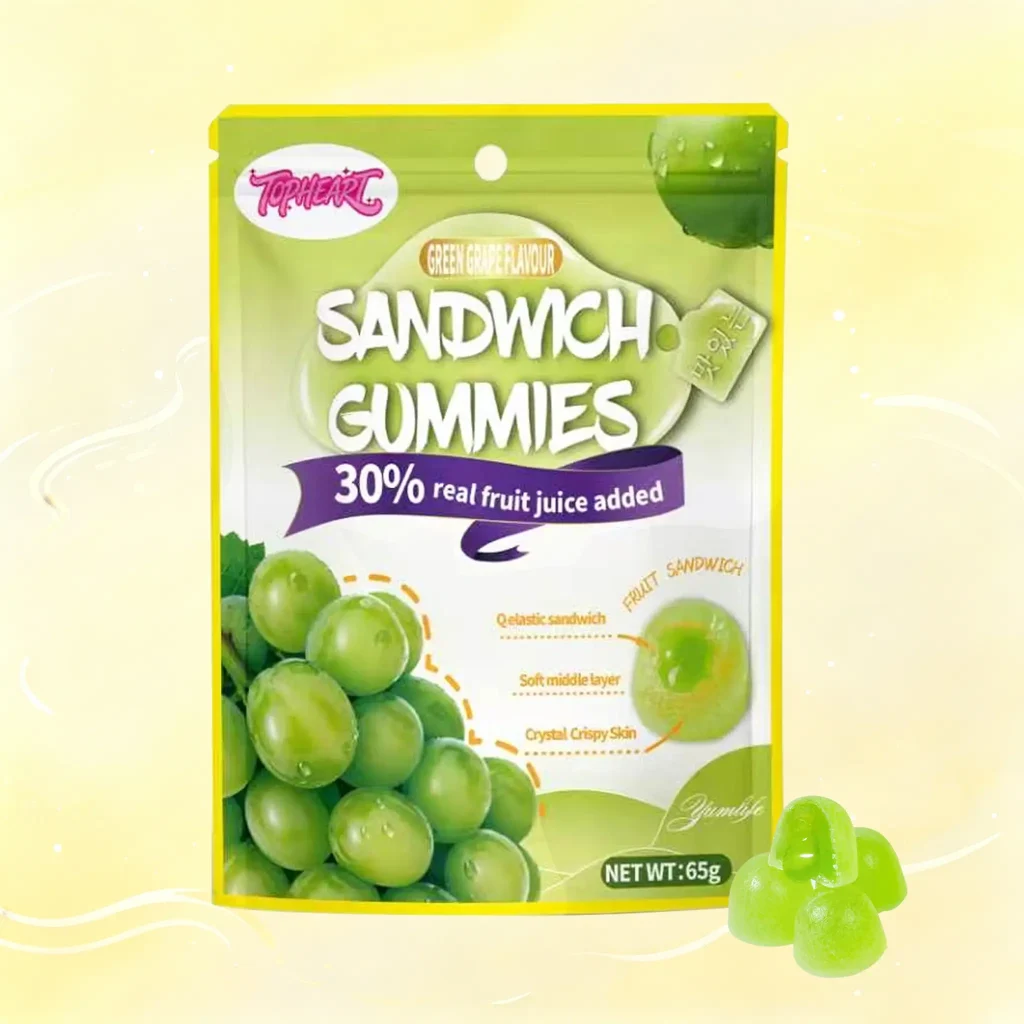 Crispy Gummy Candy
What Is Crispy Gummy Candy Crispy Gummy Candy i...
-
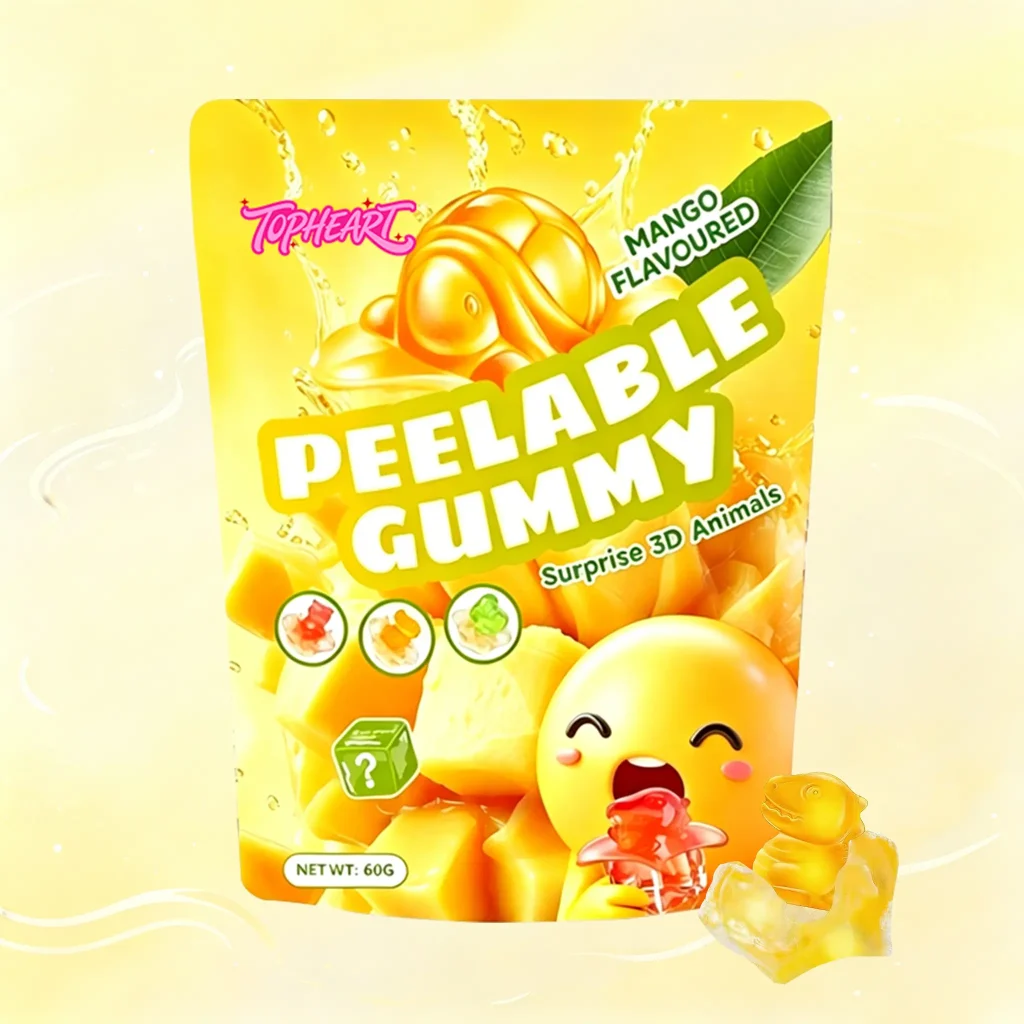 Peelable Gummy Candy
What Is Peelable Gummy Candy? Peelable Gummy Ca...