


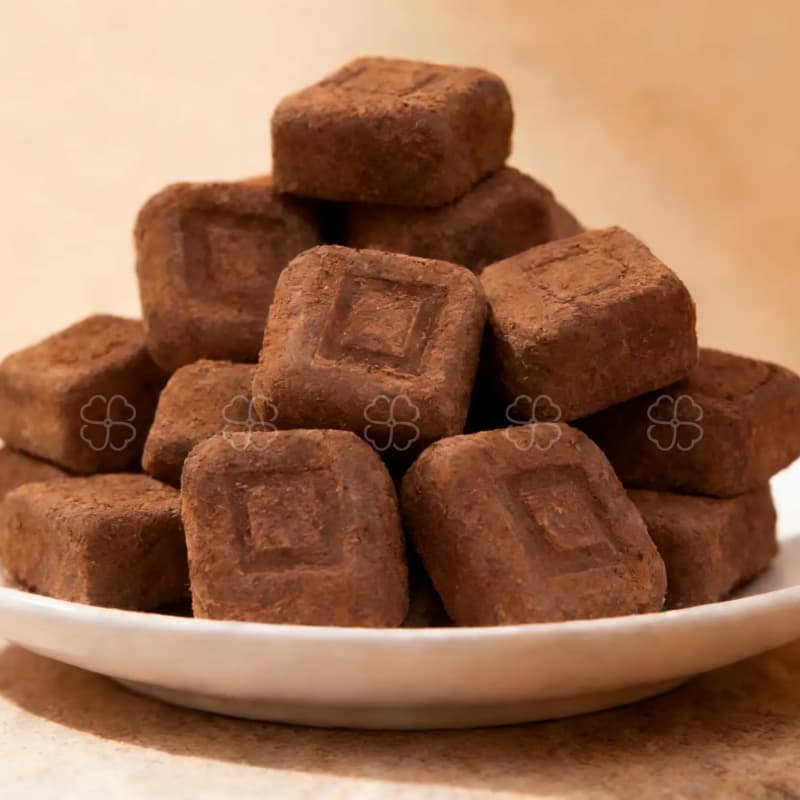
Freeze Dried Chocolate
What Is Freeze Dried Chocolate?
Freeze Dried Chocolate is a chocolate-based confectionery product processed using freeze-drying technology. In a typical freeze-drying process, a prepared food mixture is frozen and placed under controlled vacuum conditions. Ice then changes directly from a solid into water vapor, a process known as sublimation. Removing ice in this way can leave a porous structure that differs substantially from the dense structure of ordinary chocolate.
In commercial applications, the exact formula varies. A product may contain cocoa powder, cocoa liquor, cocoa butter, sugar, milk ingredients, or other food-grade components. Some formulations also incorporate flavorings, coffee, nuts, cereals, fruit ingredients, or other inclusions. The proportions of these ingredients influence the final flavor, density, color, texture, and processing performance.
It is also important to distinguish freeze-dried chocolate from chocolate-coated freeze-dried fruit, freeze-dried candy containing chocolate flavor, and conventional chocolate products with crunchy inclusions. These products may share similar marketing language, but their structures, ingredients, and processing requirements can be different. Buyers should confirm the actual product composition and manufacturing method before making purchasing decisions.
How Is Freeze Dried Chocolate Made?
Although individual factories may use different equipment and formulations, the process generally involves several stages. Each stage contributes to the final product’s structure, appearance, flavor, and consistency.
1. Ingredient Selection and Formulation
Manufacturers begin by selecting cocoa ingredients, sweeteners, milk ingredients, and other components suitable for the intended product. The formula must be designed for both sensory quality and process performance. Fat content is particularly important because cocoa butter and other fats behave differently from the non-fat ingredients that help form the dried product’s structure.
Manufacturers may adjust particle size, solids content, flavor balance, and stabilizing ingredients to achieve the intended texture. A dark chocolate formulation, for example, may emphasize cocoa intensity, while a milk chocolate formulation may prioritize creaminess and sweetness. Formulation decisions should be confirmed through sample development and testing rather than selected from ingredient names alone.
2. Mixing and Product Shaping
The selected ingredients are blended into a suitable mixture. Depending on the process, the mixture may be emulsified, deposited into molds, or formed into a particular shape before freezing. This stage helps determine the product’s dimensions, density, layer structure, and appearance.
Manufacturers can investigate different formats, including cubes, small bites, tablets, bars, and multilayer pieces. Shape selection matters commercially because it affects portion size, packaging efficiency, breakage risk, and shelf presentation.
3. Freezing and Vacuum Drying
The prepared mixture is frozen before entering the freeze-drying stage. Under vacuum, controlled heat supplies the energy needed for ice to sublime. The drying cycle must be adjusted to the formulation, product dimensions, equipment, and target moisture level.
Insufficient drying can leave excess moisture, while an unsuitable cycle may affect structure, yield, or sensory characteristics. Consequently, the time and temperature settings used for one formula should not automatically be applied to another. Commercial production requires process development and validation for the specific product.
4. Demolding, Inspection, and Packaging
After drying, the product is removed from its mold and inspected for appearance, texture, and other quality requirements. Because a porous product may be fragile, handling conditions are important. Excessive mechanical movement can increase breakage, while exposure to humid air can compromise crispness.
Packaging should therefore be selected before the product is finalized, not treated as an afterthought. A suitable production specification should define acceptable product dimensions, appearance, breakage limits, moisture-related parameters, and packaging performance.
Freeze Dried Chocolate vs. Regular Chocolate
Both products can deliver a recognizable chocolate flavor, but their structures and intended eating experiences can be different. Traditional chocolate is usually designed to provide a smooth, dense texture, whereas freeze-dried chocolate is often developed to provide a lighter, porous, and crisp experience.
| Comparison Factor | Freeze Dried Chocolate | Regular Chocolate |
|---|---|---|
| Structure | Often porous and lightweight | Typically dense and relatively compact |
| Texture | May be crisp, brittle, or rapidly softening in the mouth | Usually smooth, firm, creamy, or snappy depending on formulation |
| Moisture management | Requires careful control of residual moisture and exposure to humidity | Requires appropriate moisture control and protection from storage conditions |
| Fat behavior | Depends on formula and structure; freeze-drying does not eliminate cocoa butter | Cocoa butter influences melting, firmness, and mouthfeel |
| Handling | May require additional protection against crushing and breakage | May require protection against heat, deformation, and surface changes |
| Potential applications | Novelty snacks, premium confectionery, gifting, and specialty retail | Chocolate bars, boxed chocolates, baking, gifting, and everyday confectionery |
| Packaging priorities | Moisture barrier, seal integrity, and physical protection | Temperature suitability, barrier performance, and appearance protection |
Neither format is automatically better for every market. Traditional chocolate remains suitable for consumers seeking a familiar smooth texture, while freeze-dried formats may appeal to buyers looking for differentiated snacks. Product selection should reflect the intended consumer experience, target retail price, distribution environment, and product positioning.
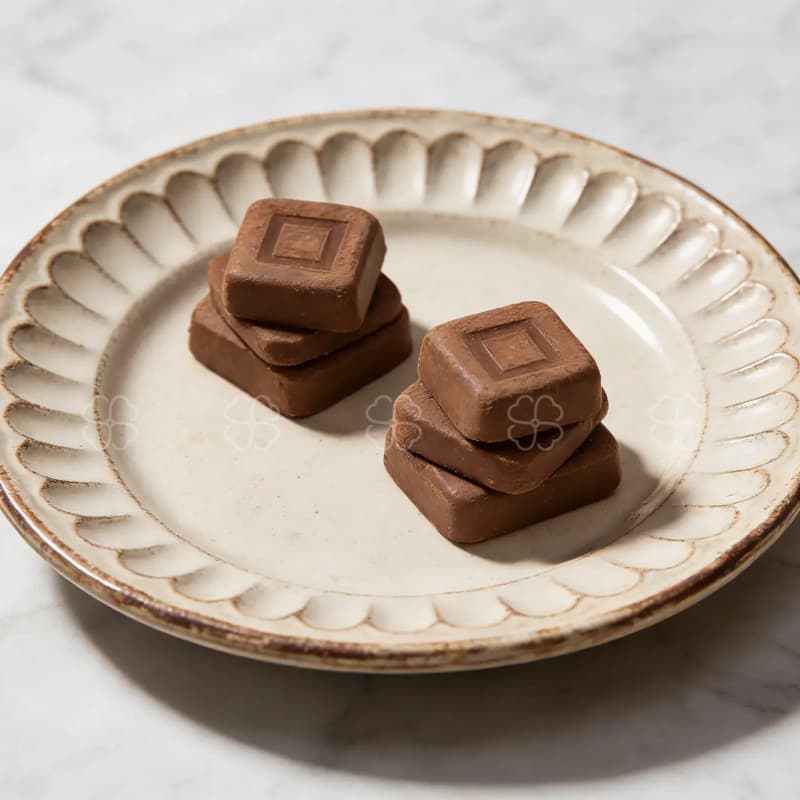
Wholesale Freeze Dried Chocolate
The Science Behind Texture, Moisture, and Product Stability
Understanding the science behind freeze-dried confectionery helps buyers ask more precise questions during supplier evaluation. Three concepts are particularly relevant: sublimation, residual moisture, and water activity.
Sublimation and Porous Structure
During freeze-drying, ice is removed through sublimation rather than first melting into liquid water. The spaces left by the ice can contribute to the porous structure of the finished product. When a suitable formulation is used, this structure can create a light bite and allow saliva to penetrate the product quickly during consumption.
However, the final texture also depends on ingredient composition, solids content, freezing behavior, and the drying cycle. A porous structure alone does not guarantee a particular level of crispness or mouthfeel.
Residual Moisture and Water Activity
Residual moisture describes the amount of water remaining in a product. Water activity, written as aw, measures the availability of water for physical, chemical, and microbial processes. These are related but different measurements: two products with similar moisture content can have different water activity values because their ingredients bind water differently.
The United States Food and Drug Administration explains that water activity affects food stability and should be controlled at an appropriate level for the specific food. The United States Department of Agriculture also explains that freeze-dried foods require moisture-proof, hermetically sealed packaging to maintain their intended storage stability.
Scientific Data Table for Buyer Evaluation
The following table combines general food-science reference points with an example reported in a freeze-dried chocolate patent publication. These values are useful for understanding the process, but they are not universal product specifications. A commercial buyer should request the actual validated data for the product being purchased.
| Parameter | Published Reference or Example | Practical Meaning for Buyers |
|---|---|---|
| Water activity definition | aw is related to equilibrium relative humidity divided by 100 | Ask for a water activity test result and the method used, rather than relying on moisture percentage alone. |
| General low-water-activity reference | The FDA discusses aw of 0.85 in relation to specified United States regulatory provisions | This is not a universal safety or shelf-life target for every confectionery product. Product-specific validation remains necessary. |
| Low-water-activity microbial reference | The USDA ARS resource notes that aw below 0.60 does not support the growth of osmophilic yeasts | Use this as general microbiological context, not as a substitute for a full food-safety assessment. |
| Residual moisture in one freeze-dried dark chocolate example | 1.1% water content in the described patent example | Demonstrates that a very low moisture result is technically possible for a specific formulation and process. |
| Residual moisture in one mocha chocolate example | 0.5% water content in the described patent example | Illustrates that results can differ by formulation and process conditions. |
| Reported drying time in two examples | 12 hours for one dark chocolate example and 14 hours for one mocha example | Drying time is formulation- and equipment-dependent; these values should not be treated as standard production settings. |
| Reported thermal test | Some patent examples reported no sticking or collapse after 48 hours at 65°C in specified sealed packaging tests | Do not assume all freeze-dried chocolate can withstand this temperature. Request product-specific testing and packaging details. |
Important: The data above are drawn from general food-science references and specific published examples, not from a universal industry standard. Buyers should confirm test methods, sample sizes, storage conditions, and acceptance criteria with the manufacturer. Shelf life and food safety cannot be established by a single moisture measurement or one temperature test.
What Flavors and Product Formats Are Available?
Flavor and format development are important opportunities for brands seeking to introduce freeze-dried chocolate into an existing confectionery range. The best option depends on consumer preferences, retail positioning, and the manufacturer’s technical capabilities.
Dark Chocolate
Dark chocolate can emphasize cocoa intensity and a less milky flavor profile. It may suit premium snack ranges, adult-oriented confectionery, and consumers who prefer a stronger cocoa taste. Buyers should evaluate bitterness, sweetness, aroma, and aftertaste together with the product’s crispness.
Milk Chocolate
Milk chocolate offers a familiar flavor profile built around cocoa, dairy ingredients, and sweetness. It may be appropriate for mainstream retail, family-oriented confectionery, and mixed snack assortments. The final formula needs to balance flavor expectations with the structure required for freeze-drying.
Mocha and Coffee Chocolate
Coffee-inspired products can combine cocoa notes with roasted, aromatic characteristics. They may be considered for premium snack collections, gift assortments, or adult-oriented product lines. A published freeze-dried chocolate patent includes a mocha-flavored example, demonstrating one possible formulation direction rather than a universal commercial specification.
Layered and Filled Formats
Some product concepts use multiple chocolate layers or a contrasting center to create a more distinctive eating experience. Nuts, cereals, fruit ingredients, and other inclusions may also be investigated, subject to formulation feasibility and product stability. Such combinations require careful development because different ingredients can affect freezing, drying, texture, and moisture behavior.
For a wider overview of confectionery formats, buyers can explore the broader chocolate product range and compare traditional chocolate concepts with newer snack formats before finalizing a product brief.
Market Applications and Commercial Opportunities
Freeze Dried Chocolate can be considered for several retail and food business applications. Its distinctive texture may help brands create a clear point of difference, but the commercial opportunity depends on consumer acceptance, production costs, product quality, and packaging performance.
Retail Snack Products
Single-serve pouches and small multipacks can position freeze-dried chocolate as a snack for convenience stores, supermarkets, specialty food shops, and online retailers. The pack size should suit the intended price point and consumption occasion. Because the product may be fragile, packaging should protect the contents during distribution and shelf handling.
Premium and Gift Confectionery
Distinctive shapes, layered pieces, and carefully developed flavors may support premium positioning. Gift-oriented products often require attention to visual presentation, pack structure, portion size, and consistent appearance. Before launch, buyers should assess whether the additional production and packaging costs are supported by the intended retail price.
Private-Label and Brand Extensions
Private-label brands may use freeze-dried chocolate to expand an existing chocolate or snack portfolio. A successful project begins with a clear brief covering flavor, texture, shape, ingredient requirements, target market, packaging format, and expected order volume.
For brands considering freeze-dried products beyond chocolate, the freeze-dried candy range can help frame adjacent product opportunities. Buyers should confirm the exact products available and whether the same manufacturing line or packaging specification can support each format.
How to Choose a Freeze Dried Chocolate Supplier
Supplier evaluation should go beyond the initial quotation. The right partner needs to demonstrate that the product can be manufactured consistently, packaged appropriately, and supplied according to the buyer’s commercial and regulatory requirements.
1. Review Product Specifications
Ask for the ingredient list, allergen information, product dimensions, net weight, moisture specification, water activity criteria, and sensory description. If the product is marketed as crisp, request a clear description of the expected texture and the method used to evaluate consistency between batches.
2. Request Samples and Approve a Reference Standard
Samples help buyers assess flavor, aroma, appearance, mouthfeel, and breakage. The approved sample should become the reference point for future production. Where possible, define measurable acceptance criteria so that quality discussions are based on agreed specifications rather than subjective impressions alone.
3. Evaluate Packaging and Shelf-Life Evidence
Ask how the packaging protects the product from moisture, oxygen, light, and physical damage. Confirm whether the proposed package has been tested under conditions representative of the expected supply chain. Shelf-life claims should be supported by appropriate testing for the actual formula and package combination.
4. Confirm Food Safety and Export Requirements
Requirements vary by destination market. Buyers should review applicable food labeling rules, ingredient declarations, allergen declarations, additives, language requirements, and any necessary import documentation. Certifications may be relevant to the buyer’s channel or market, but their scope and validity should be verified directly.
5. Assess Manufacturing and Communication Capabilities
A supplier should be able to explain its product-development process, quality-control procedures, production capacity, lead times, minimum order quantities, and packaging options. Clear communication is especially important when the product requires adjustments to texture, shape, or formula.
When evaluating a potential partner, review the company’s company background and manufacturing capabilities alongside its product information. Buyers should use this information as a starting point and request any additional technical documents, samples, or audit evidence required for their own approval process.
Packaging, Storage, and Shelf-Life Considerations
Packaging is one of the most important factors in maintaining the quality of freeze-dried products. Their porous structure can make them vulnerable to moisture uptake, which may reduce crispness and change the eating experience. Products may also be vulnerable to crushing during transportation if the pack does not provide adequate physical protection.
Depending on the formulation and target market, packaging options may include high-barrier flexible pouches, sealed individual portions, rigid containers, or protective multipacks. The correct choice depends on the product’s fragility, pack size, distribution route, retail environment, and cost target.
Before approving packaging, buyers should confirm the following:
- Whether the material provides an appropriate moisture barrier.
- Whether seals remain intact during transport and storage.
- Whether the package provides sufficient protection against breakage.
- Whether the material is suitable for food contact in the target market.
- Whether storage instructions and shelf-life claims are supported by testing.
- Whether the packaging design meets local labeling and language requirements.
Freeze-drying can support the development of shelf-stable products, but it does not automatically guarantee a specific shelf life. The finished product’s formula, processing conditions, packaging, storage environment, and hygiene controls all influence stability. Buyers should request a documented shelf-life basis rather than relying on general statements about freeze-dried foods.
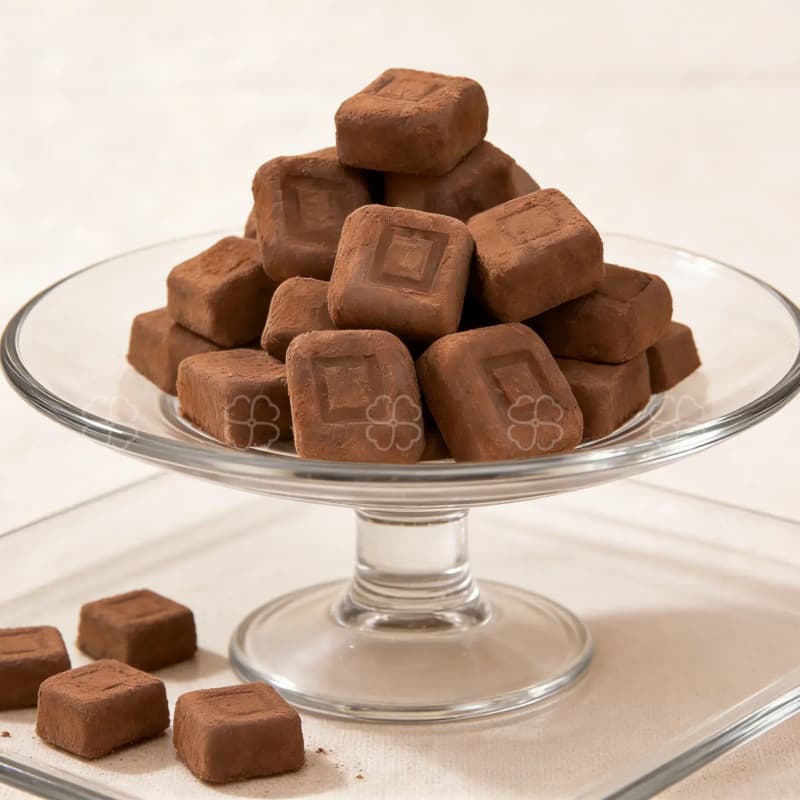
Freeze Dried Chocolate Supplier
How to Develop a Custom Freeze Dried Chocolate Product
A structured product-development process can reduce uncertainty and help brands move from an initial idea to a commercially viable product. The process should begin with a detailed brief and continue through sample approval, testing, packaging validation, and production planning.
- Define the product concept. Identify the target consumer, flavor profile, preferred texture, product shape, and intended sales channel.
- Set the technical requirements. Discuss ingredients, allergen considerations, dimensions, net weight, texture expectations, and any market-specific requirements.
- Develop and review samples. Evaluate flavor, aroma, appearance, crispness, and handling performance. Record feedback against the original brief.
- Validate packaging. Review moisture protection, physical protection, seal integrity, labeling, and suitability for the planned distribution route.
- Confirm commercial terms. Agree on minimum order quantities, production lead time, packaging costs, quality standards, and delivery arrangements.
- Approve the final specification. Document the formula or product specification, packaging artwork, testing requirements, and quality acceptance criteria before mass production.
For an existing confectionery brand, it may be useful to compare a freeze-dried concept with conventional products before deciding how to position it. A manufacturer that understands both the product’s technical requirements and the buyer’s market goals can help assess feasible options without promising that every flavor or format will perform identically.
Frequently Asked Questions About Freeze Dried Chocolate
1. What is Freeze Dried Chocolate, and how is it different from regular chocolate?
Freeze Dried Chocolate is a chocolate-based product made by freezing a formulated mixture and removing ice through sublimation under controlled vacuum conditions. This process can create a porous structure that feels lighter and crunchier than conventional chocolate. Regular chocolate generally has a denser structure and a smooth texture influenced by its cocoa butter and other ingredients. The exact differences depend on the formulation, manufacturing process, and finished product specifications.
2. Does Freeze Dried Chocolate melt in hot weather?
Freeze Dried Chocolate may offer different handling characteristics from conventional chocolate, but it should not automatically be described as heatproof or non-melting. Its performance depends on the formulation, particularly the behavior of cocoa butter and other fats, as well as the product structure and protective packaging. Some published formulations have demonstrated thermal stability under specific test conditions, but those findings cannot be generalized to every product. Buyers should request relevant temperature-test results and storage recommendations for the exact product they intend to purchase.
3. How should Freeze Dried Chocolate be packaged and stored?
Freeze Dried Chocolate should be packed in materials that provide appropriate protection against moisture and physical damage. Moisture-resistant, well-sealed packaging helps preserve the intended texture, while suitable pack strength can reduce breakage during shipping and handling. Storage conditions should follow the manufacturer’s validated recommendations for the specific formula and package. Before importing in bulk, buyers should review shelf-life evidence, packaging specifications, seal integrity, and the recommended storage environment.
4. Can manufacturers customize Freeze Dried Chocolate for private-label brands?
Customization may include flavor development, product shape, piece size, layered structures, packaging format, and private-label artwork, depending on the manufacturer’s equipment and formulation capabilities. Buyers should provide a clear brief covering the target market, desired eating experience, ingredient requirements, expected order volume, and packaging preferences. Samples should be reviewed before commercial production, and the approved specification should document the agreed quality criteria. Not every proposed formula or shape will be technically or commercially feasible, so development and validation are important.
5. What should importers check before buying Freeze Dried Chocolate wholesale?
Importers should evaluate ingredient and allergen declarations, product specifications, flavor consistency, moisture-related quality parameters, packaging performance, shelf-life evidence, minimum order quantities, production capacity, and lead times. They should also confirm the labeling and import requirements applicable to the destination market. Requesting samples and reviewing supporting quality documents can help buyers compare suppliers on more than price alone. A clear written specification and agreed acceptance criteria are valuable for maintaining consistency across repeat orders.
Turning Freeze Dried Chocolate into a Market Opportunity
Define your target product, request samples, compare technical specifications, and discuss packaging and order requirements with a qualified confectionery supplier. To discuss product availability or a potential project, visit the Freeze Dried Chocolate product page or contact the Candy-Food team.
Feature Product
-
 Gummy Candy
What Is Gummy Candy? Gummy Candy is one of the ...
-
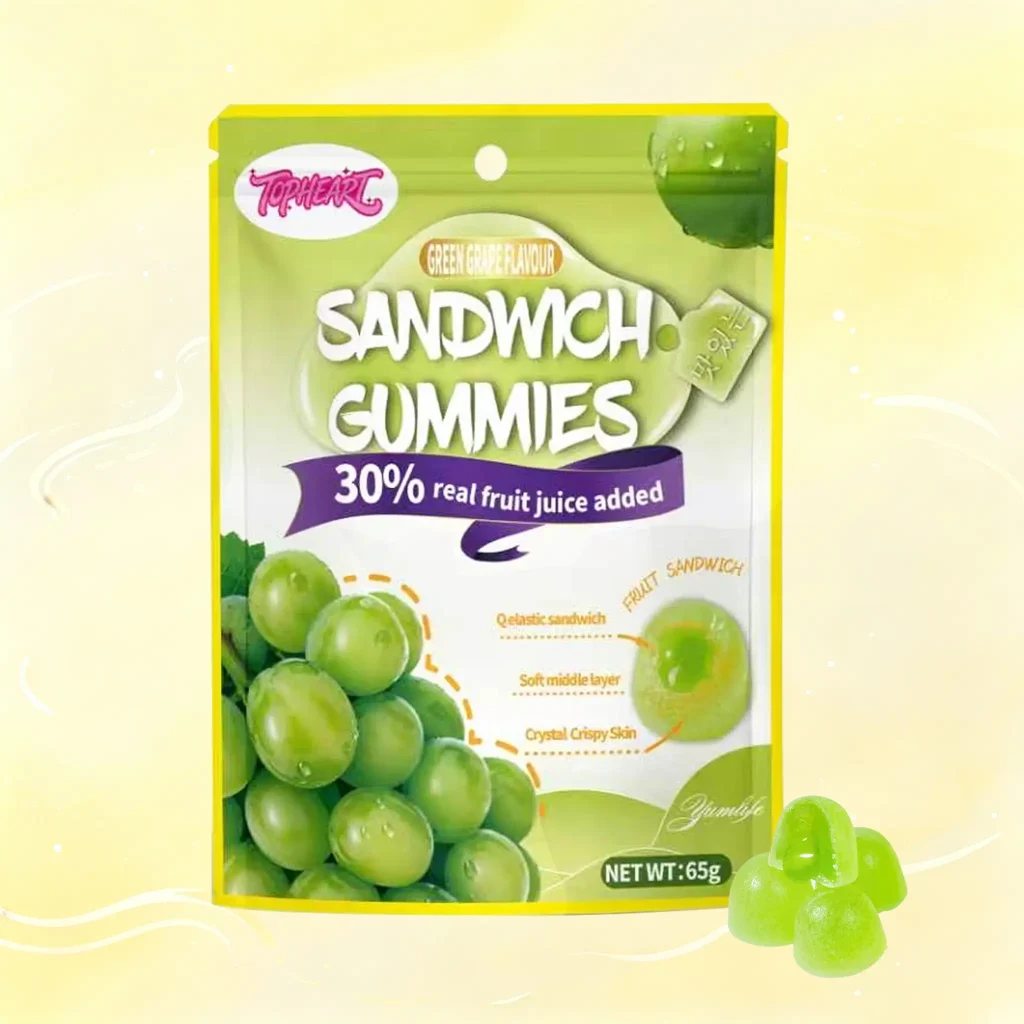 Crispy Gummy Candy
What Is Crispy Gummy Candy Crispy Gummy Candy i...
-
 Peelable Gummy Candy
What Is Peelable Gummy Candy? Peelable Gummy Ca...