

A New Era of Dessert Snacks Is Transforming Global Retail
The global snack industry is entering a new stage where convenience, texture innovation, and healthier ingredients are driving purchasing decisions faster than traditional candy categories. In 2026, Jelly&Pudding products are no longer viewed as simple children’s snacks. They have evolved into a modern dessert solution widely sold in supermarkets, convenience stores, vending channels, online marketplaces, and even premium gifting markets.
Consumers today expect more from dessert snacks. They want attractive packaging, reduced sugar formulas, fruit-based flavors, plant-derived ingredients, and longer shelf life without sacrificing taste. This shift has created major opportunities for private label Jelly&Pudding, OEM dessert manufacturing, and export-focused confectionery factories.
Many importers and distributors are now sourcing from experienced Jelly&Pudding manufacturer partners that can offer flavor customization, packaging flexibility, and international food safety compliance.
According to recent confectionery industry estimates, the global jelly and pudding dessert segment is expected to exceed USD 18 billion by 2028, with Asia-Pacific remaining the fastest-growing market due to rising urbanization and convenience snack consumption.
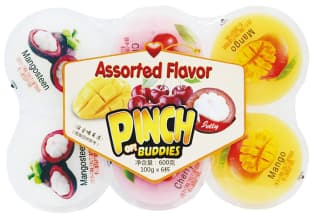
600G Jelly (Mixed Flavor)
Why Jelly&Pudding Is Growing Faster Than Traditional Candy
Several consumer behavior trends are accelerating the popularity of Jelly&Pudding products across international markets.
Portable and Ready-to-Eat Convenience
Modern lifestyles favor products that require no preparation. Cup jelly, squeeze jelly pouches, and spoonable pudding desserts can be consumed during travel, school breaks, office hours, or outdoor activities.
Texture Innovation Attracts Younger Consumers
Texture has become a key purchase factor in the snack industry. Smooth pudding, elastic jelly, popping pearls, and layered fruit textures create a more interactive eating experience compared to standard hard candy.
Social Media Influences Product Demand
Bright fruit colors, transparent cups, layered dessert visuals, and animated packaging designs perform exceptionally well on TikTok, Instagram, and short-form video platforms. This visibility directly influences retail sales.
Growing Demand for Healthier Dessert Alternatives
Consumers increasingly prefer desserts with:
- Lower sugar content
- Fruit juice concentrates
- Added collagen or vitamins
- Plant-based ingredients
- Reduced artificial coloring
This has pushed manufacturers toward cleaner ingredient labels and functional dessert positioning.
Key Ingredients Used in Modern Jelly&Pudding Production
Ingredient selection directly impacts texture, shelf life, export suitability, and consumer acceptance.
Common Jelly Ingredients
| Ingredient | Function | Industry Trend |
|---|---|---|
| Agar | Vegan gelling agent | Strong growth |
| Gelatin | Elastic texture | Stable demand |
| Carrageenan | Texture stabilization | Widely used |
| Konjac Powder | Low-calorie texture | Fast-growing |
| Fruit Concentrate | Flavor enhancement | Premium trend |
Agar and konjac are becoming increasingly important in Asian and European export markets because consumers are looking for vegan and reduced-calorie alternatives.
Popular Pudding Ingredients
Pudding products generally rely on:
- Milk powder
- Cocoa powder
- Creamers
- Modified starch systems
- Flavor emulsions
Premium pudding manufacturers are also introducing yogurt-inspired textures and protein-enhanced formulations.
At the same time, buyers sourcing from professional about us pages often evaluate factory R&D capability, automated filling systems, and international certifications before placing OEM orders.
The Most Popular Jelly&Pudding Flavors in 2026
Flavor innovation is one of the strongest growth drivers in the dessert snack category.
Best-Selling Fruit Flavors
The following flavors continue to dominate supermarket and export channels:
| Flavor | Consumer Popularity | Main Market |
|---|---|---|
| Mango | Extremely High | Southeast Asia |
| Strawberry | High | North America |
| Lychee | Fast Growing | Middle East |
| Peach | High | Europe |
| Grape | Stable | Global |
| Watermelon | Seasonal Growth | Summer Retail |
Mango-based desserts remain particularly successful because tropical flavor profiles are strongly associated with freshness and premium fruit positioning.
For example, products inspired by mango flavor jelly snacks are increasingly used in convenience stores, school snack channels, and mixed dessert gift packs.
Emerging Dessert Trends
The market is also seeing rapid growth in:
- Brown sugar milk tea pudding
- Coconut jelly desserts
- Matcha pudding cups
- Yogurt peach jelly
- Mixed tropical fruit cups
Limited seasonal releases are becoming an effective strategy for retailers looking to increase repeat purchases.
Packaging Trends Reshaping the Jelly&Pudding Industry
Packaging now influences both purchasing decisions and export efficiency.
Popular Packaging Formats
The most successful formats in 2026 include:
- Mini jelly cups
- Squeeze pouches
- Family multi-packs
- Layered transparent containers
- Portable pudding bottles
Sustainable Packaging Demand
Global buyers increasingly request:
- Recyclable materials
- Lightweight packaging
- Reduced plastic thickness
- Eco-friendly carton solutions
This is especially important for European importers facing stricter sustainability regulations.
Packaging and Shelf Visibility
Research from retail merchandising studies shows that transparent dessert packaging improves consumer trust and increases shelf conversion rates by approximately 18% compared to opaque packaging.
Bright fruit imagery and visible fruit particles also improve perceived freshness.
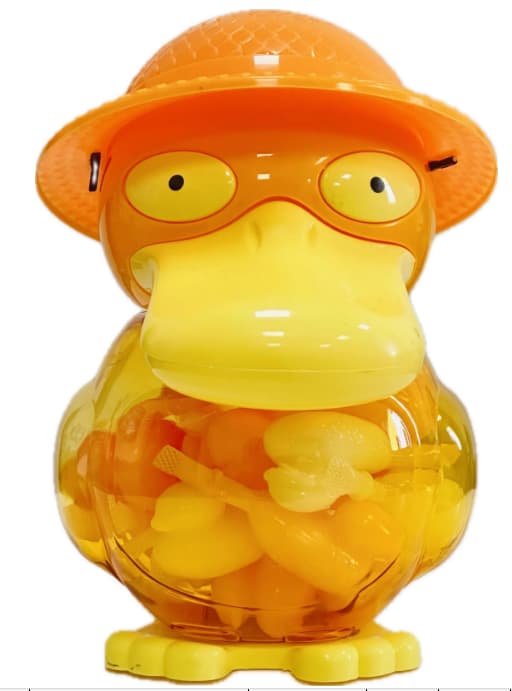
550g Suction Jelly / Straw-Hat Duck Bucket Packing(Mixed Flavor)
Manufacturing Standards Buyers Should Evaluate
Choosing the right Jelly&Pudding factory is critical for long-term product stability and market compliance.
Important Certifications
Reliable suppliers should maintain:
- HACCP systems
- FDA registration
- ISO22000 certification
- Halal certification
- BRC food safety standards
Production Parameters That Affect Product Quality
| Production Factor | Recommended Standard |
|---|---|
| Filling Temperature | 75–90°C |
| Shelf Life | 9–18 Months |
| pH Level | 3.5–4.5 |
| Brix Level | 12–18 |
| Cooling Time | 15–40 Minutes |
Common Buyer Mistakes
Many importers focus only on pricing and ignore:
- Packaging durability
- Ingredient traceability
- Export documentation
- Lead time stability
- Formula consistency
This often creates long-term supply risks.
Global Market Insights and Regional Buying Trends
The international dessert snack market continues expanding rapidly due to urbanization and convenience-based consumption habits.
Asia-Pacific Leads Global Consumption
China, Thailand, Indonesia, and Vietnam remain dominant in jelly dessert consumption because portable sweet snacks are deeply integrated into convenience retail culture.
Middle East Market Expansion
Halal-certified dessert snacks are experiencing rapid growth in:
- UAE
- Saudi Arabia
- Kuwait
- Qatar
Fruit-based jelly cups with premium packaging perform especially well in these regions.
European Demand Is Becoming More Health-Focused
European buyers increasingly prefer:
- Low-sugar formulas
- Natural fruit ingredients
- Vegan jelly systems
- Reduced artificial additives
North American Retail Trends
North American supermarkets are introducing more:
- Lunchbox dessert packs
- Portion-controlled pudding cups
- Functional collagen jelly products
- Seasonal fruit dessert launches
Many global distributors looking for export-ready dessert products eventually reach out through professional contact us channels to discuss OEM packaging, private label development, and market-specific customization requirements.
Jelly&Pudding vs Traditional Candy Snacks
Modern consumers increasingly view Jelly&Pudding as a more balanced dessert category compared to hard candy and chewy sweets.
| Product Type | Texture | Portion Control | Health Perception |
|---|---|---|---|
| Jelly | Elastic | Excellent | Moderate |
| Pudding | Creamy | Good | Better |
| Hard Candy | Solid | Poor | Low |
| Gummies | Chewy | Moderate | Moderate |
The softer texture and fruit-oriented positioning of jelly desserts create a stronger connection with healthier snacking trends.
In addition, portion-controlled packaging helps parents monitor sugar intake more effectively compared to bulk candy products.
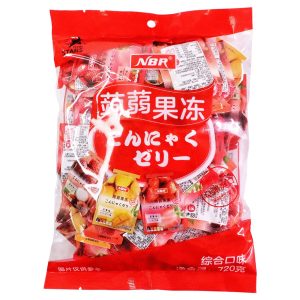
720G Konjac Jelly (Mixed Flavor)
The Future of Jelly&Pudding in 2026 and Beyond
The next phase of industry growth will focus heavily on personalization, nutrition, and AI-driven consumer analysis.
Functional Dessert Innovation
Manufacturers are developing:
- Fiber-enhanced jelly
- Probiotic pudding
- Vitamin-fortified desserts
- Beauty collagen jelly snacks
Smart Packaging Technology
QR-enabled packaging and interactive digital campaigns are becoming common for younger consumers seeking immersive retail experiences.
A Strategic Opportunity for Global Buyers and Retailers
The international dessert market is shifting rapidly toward premium convenience products with stronger visual appeal, healthier positioning, and customized branding opportunities.
For importers, supermarkets, wholesalers, and private label distributors, selecting the right Jelly&Pudding manufacturer is no longer only about pricing. Long-term success depends on:
- Regulatory compliance
- Product innovation
- Stable supply chains
- Flexible packaging solutions
- Flavor development capability
As demand continues growing across Asia, Europe, North America, and the Middle East, businesses that invest early in modern wholesale Jelly&Pudding solutions will be better positioned to capture future retail growth opportunities.
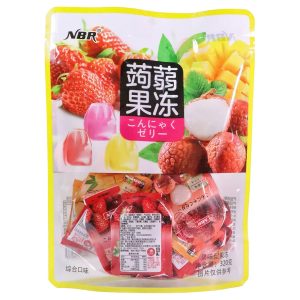
320G Konjac Jelly (Mixed Flavor)
Frequently Asked Questions
1. What is the difference between jelly and pudding products?
Jelly products typically use gelling agents such as agar, gelatin, or carrageenan to create an elastic texture, while pudding products rely on dairy ingredients, starch systems, and cream-based formulations to create a smooth and creamy consistency. Jelly is usually fruit-oriented and refreshing, while pudding is often positioned as a richer dessert snack.
2. Why is low-sugar Jelly&Pudding becoming more popular?
Consumers worldwide are increasingly focused on healthier eating habits and calorie reduction. Low-sugar Jelly&Pudding products provide portion-controlled desserts with reduced sweetness while maintaining enjoyable texture and flavor. Many manufacturers now use stevia, erythritol, or fruit concentrates as alternative sweetening systems.
3. What certifications should a Jelly&Pudding manufacturer have?
Professional manufacturers should ideally maintain HACCP, FDA, ISO22000, Halal, and BRC certifications. These certifications demonstrate food safety management, international export compliance, and manufacturing consistency for global buyers and retailers.
4. Which Jelly&Pudding flavors are expected to grow fastest in 2026?
Mango, lychee, peach yogurt, coconut jelly, and brown sugar milk tea flavors are projected to grow rapidly due to strong demand from younger consumers and Asian-inspired dessert trends. Tropical fruit combinations are also gaining popularity in Europe and North America.
5. How can importers choose a reliable wholesale Jelly&Pudding supplier?
Importers should evaluate production capacity, quality certifications, packaging capability, R&D support, export experience, and formula customization options. Long-term supplier stability and consistent product quality are often more important than choosing the lowest price supplier.
Feature Product
-
 Gummy Candy
What Is Gummy Candy? Gummy Candy is one of the ...
-
 Crispy Gummy Candy
What Is Crispy Gummy Candy Crispy Gummy Candy i...
-
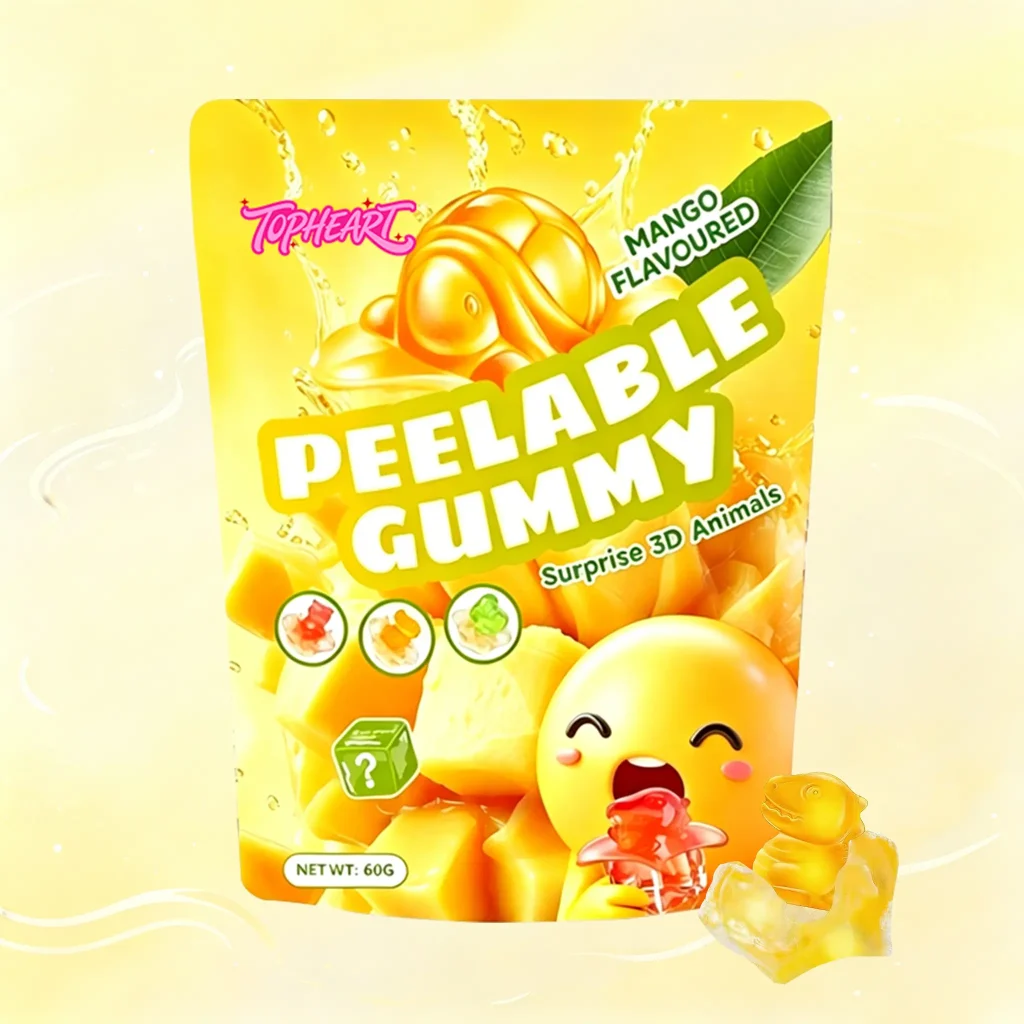 Peelable Gummy Candy
What Is Peelable Gummy Candy? Peelable Gummy Ca...