


Why Spicy Candy Is Becoming a Global Confectionery Trend
The confectionery industry has always evolved alongside changing consumer preferences. In 2026, one of the strongest emerging trends is the increasing demand for bold flavor experiences. Consumers no longer seek simple sweetness alone. Instead, they are looking for products that combine sweetness, sourness, fruitiness, and heat in a single bite.
This shift has contributed to the rapid growth of Spicy Candy, particularly among younger consumers. Social media platforms have played a major role in driving this trend. Videos featuring spicy candy challenges, flavor reactions, and unique product formats often receive millions of views, helping brands attract new customers.
According to industry estimates, products featuring sweet-and-spicy flavor combinations have experienced annual growth rates exceeding 8% in several major confectionery markets. This demand is especially strong in North America, Latin America, and Asia-Pacific regions.
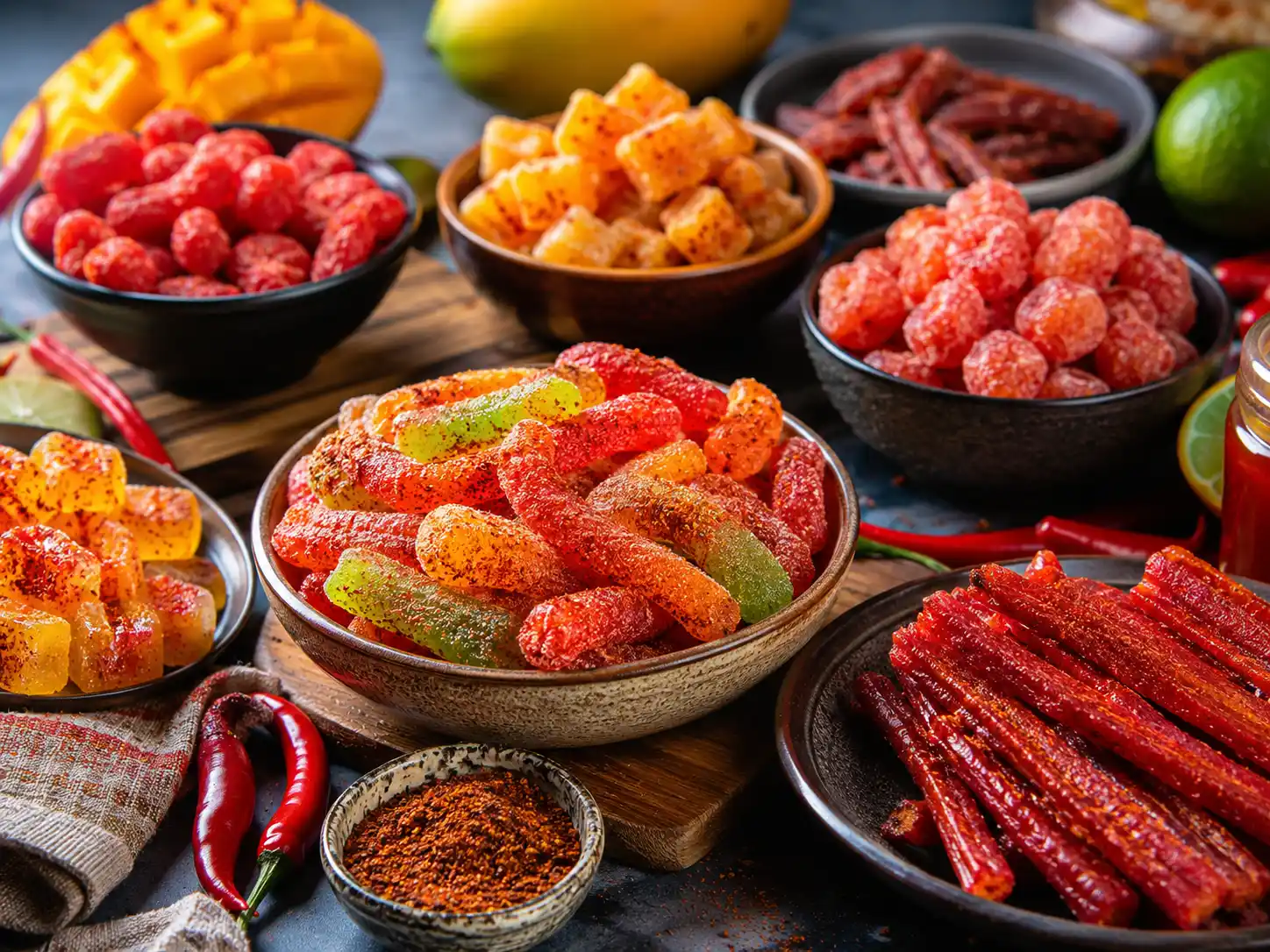
Best Spicy Candy
Global Consumer Interest in Spicy Candy
| Region | Consumer Interest Level |
|---|---|
| North America | High |
| Latin America | Very High |
| Asia-Pacific | High |
| Europe | Growing |
| Middle East | Growing |
The increasing popularity of spicy foods in general has helped create favorable conditions for the expansion of Hot and Spicy Candy categories. As consumers become more adventurous with their food choices, candy manufacturers continue introducing innovative flavor combinations that appeal to both traditional candy lovers and spice enthusiasts.
What Is Spicy Candy?
Spicy candy refers to confectionery products that incorporate chili peppers, capsaicin extracts, spicy seasonings, or heat-generating ingredients alongside traditional sweet flavor profiles.
Unlike conventional candy, spicy candy delivers a layered flavor experience. Consumers often taste sweetness first, followed by fruit notes, acidity, and finally a pleasant spicy sensation.
Popular formats include:
- Hard candy
- Gummies
- Soft candy
- Filled candy
- Lollipops
- Chewy candy
Among these formats, Spicy Gummy Candy has emerged as one of the fastest-growing categories due to its texture, flavor retention, and versatility.
Why Consumers Love Sweet and Spicy Flavor Combinations
The popularity of spicy candy is supported by both food science and consumer psychology.
When capsaicin activates heat receptors in the mouth, it creates a sensory response that many consumers find exciting. Sugar and fruit flavors help balance the heat, creating a more enjoyable overall experience.
Scientific Ingredients Commonly Used in Spicy Candy
| Ingredient | Function | Typical Usage |
| Chili Powder | Heat Source | 0.1%–1.5% |
| Capsaicin Extract | Controlled Heat | 0.01%–0.1% |
| Citric Acid | Sourness | 0.3%–1.2% |
| Fruit Juice Concentrate | Sweetness | 5%–20% |
| Sugar Syrup | Base Sweetener | 30%–60% |
| Natural Flavors | Aroma Enhancement | 0.1%–1.0% |
The most successful Sweet and Spicy Candy products achieve balance rather than extreme heat. This is why fruit-based spicy candies continue to outperform purely spicy products in many retail environments.
Today, many manufacturers are incorporating spicy flavor profiles into products because gummies provide longer flavor release, improved texture, and stronger consumer engagement.
The Best Spicy Candy Flavors You Need to Try in 2026
Mango Chili Candy
Mango Chili Candy remains one of the most popular spicy candy flavors worldwide.
The natural sweetness of mango balances chili heat perfectly, making it approachable for first-time consumers while still satisfying experienced spicy candy fans.
Key Features:
- Tropical aroma
- Balanced sweetness
- Mild-to-medium heat
- Strong appeal in Latin America and Asia
Tamarind Chili Candy
Tamarind has long been associated with traditional spicy candy products, especially in Mexico.
Its tart flavor profile creates a strong contrast with chili seasoning, resulting in a unique taste experience that consumers often find highly addictive.
Advantages:
- Distinctive sourness
- Excellent chili compatibility
- Strong cultural recognition
- High repeat purchase rates
Chamoy Candy
Chamoy Candy combines sweet, salty, sour, and spicy flavors simultaneously.
This complexity makes it one of the most interesting flavor categories in modern confectionery.
Many experts consider chamoy-based products to be among the most innovative examples of contemporary Mexican Spicy Candy.
Watermelon Chili Candy
Watermelon provides refreshing sweetness that complements spicy coatings exceptionally well.
This flavor is particularly popular during summer promotions and seasonal product launches.
Pineapple Chili Candy
Pineapple’s natural acidity works perfectly with chili seasoning.
The combination creates a bright and vibrant flavor profile that appeals to younger consumers.
Strawberry Jalapeño Candy
Strawberry softens the sharpness of jalapeño peppers while maintaining a unique flavor identity.
This combination is increasingly popular among premium candy brands seeking product differentiation.
Peach Habanero Candy
Peach Habanero Candy targets consumers looking for more intense heat experiences.
The floral sweetness of peach balances habanero heat while maintaining excellent flavor complexity.
Mexican Spicy Candy: The Global Flavor Inspiration
Modern spicy candy owes much of its popularity to Mexican confectionery traditions.
For decades, Mexican candy makers have successfully combined tamarind, fruit flavors, chili powder, and unique seasonings to create products unlike anything found elsewhere in the world.
Why Mexican Spicy Candy Is So Popular
Several factors contribute to its success:
- Strong cultural heritage
- Balanced sweet-spicy profiles
- Unique ingredient combinations
- Broad flavor diversity
Common Mexican spicy candy formats include:
- Tamarind Candy
- Chamoy Candy
- Chili Lollipops
- Chili Gummies
- Fruit Chili Candy
Global brands increasingly study Mexican flavor trends when developing new spicy candy products because these combinations have already demonstrated strong consumer acceptance.
Spicy Gummy Candy: The Fastest-Growing Segment
Among all spicy candy formats, gummies continue to dominate new product launches.
Why Gummies Perform So Well
Better Flavor Retention
Unlike hard candy, gummies allow flavors to release gradually during chewing, creating a longer-lasting sensory experience.
Greater Product Innovation
Manufacturers can easily create:
- Filled gummies
- Layered gummies
- Fruit-shaped gummies
- Chili-shaped gummies
- Novelty gummies
Popular Spicy Gummy Shapes in 2026
| Shape | Consumer Appeal |
| Mango Slice | High |
| Chili Pepper | High |
| Heart Shape | High |
| Filled Gummies | Very High |
| Peelable Gummies | Emerging Trend |
Comparing Different Types of Hot and Spicy Candy
Not all spicy candy products perform equally in the marketplace.
Hard Candy
Advantages:
- Long shelf life
- Excellent transportation stability
- Suitable for warmer climates
Disadvantages:
- Slower flavor release
- Less texture variety
Soft Candy
Advantages:
- Rich flavor absorption
- Pleasant texture
Disadvantages:
- More sensitive to temperature changes
Gummies
Advantages:
- High consumer preference
- Premium appearance
- Exceptional flavor layering
Disadvantages:
- More complex production requirements
| Candy Type | Flavor Intensity | Shelf Life | Consumer Preference |
| Hard Candy | Medium | Excellent | Medium |
| Soft Candy | High | Good | High |
| Gummies | Very High | Good | Very High |
How Spicy Candy Is Manufactured
Behind every successful Spicy Candy product is a carefully controlled manufacturing process. While consumers focus on flavor and appearance, professional manufacturers must balance ingredient consistency, food safety, production efficiency, and shelf-life stability.
Ingredient Selection and Flavor Development
The first step in producing spicy candy is selecting the right combination of sweeteners, fruit concentrates, acids, and spicy ingredients.
Professional product developers typically evaluate:
- Heat intensity
- Flavor compatibility
- Color stability
- Shelf-life performance
- Consumer acceptance
For example, mango pairs exceptionally well with chili because both flavors share complementary aromatic compounds. Similarly, tamarind naturally enhances spicy notes due to its tartness.
Balancing Sweetness and Heat
One of the most common misconceptions is that hotter products sell better.
In reality, consumer testing consistently shows that balanced products achieve stronger repeat purchases than excessively spicy products.
A successful formulation generally follows this progression:
- Initial sweetness
- Fruit flavor release
- Mild acidity
- Controlled heat sensation
- Lingering aftertaste
This flavor journey creates a memorable experience that encourages consumers to purchase again.
Typical Production Process
| Production Stage | Purpose |
|---|---|
| Ingredient Preparation | Ensure consistency |
| Mixing | Create uniform formulation |
| Cooking | Develop texture |
| Flavor Addition | Add fruit and spice profiles |
| Forming | Create desired shape |
| Cooling | Stabilize product |
| Packaging | Protect freshness |
Quality Control Standards
Professional Spicy Candy Manufacturers typically implement multiple quality-control checkpoints throughout production.
These may include:
- Raw material testing
- Flavor verification
- Moisture analysis
- Texture evaluation
- Microbiological testing
- Packaging inspection
Consistent quality is especially important for spicy candy because even small variations in chili concentration can significantly affect consumer perception.
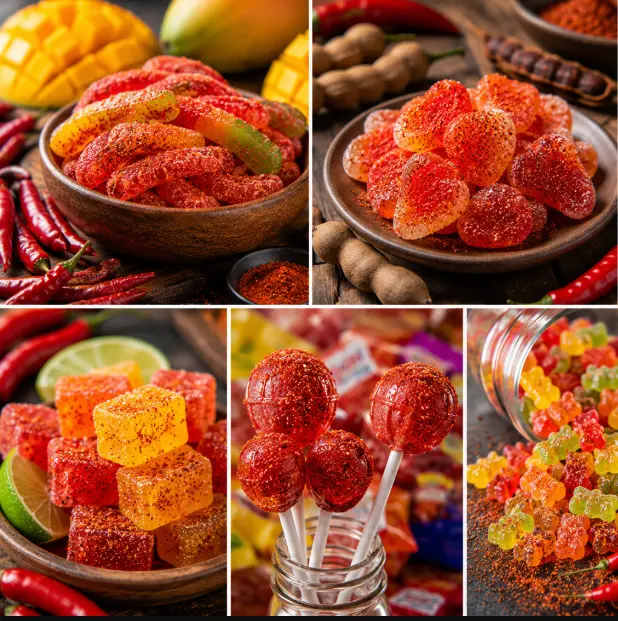
Spicy Candy
Understanding Heat Levels in Spicy Candy
One challenge faced by manufacturers is controlling spice intensity across different markets.
Consumers in Mexico may prefer higher heat levels than consumers in Europe, while Asian markets often favor balanced sweet-spicy-sour profiles.
What Are Scoville Heat Units?
The Scoville Heat Unit (SHU) scale measures the pungency of chili peppers and spicy ingredients.
Common Heat Categories Used in Candy
| Heat Category | SHU Range | Typical Consumer |
|---|---|---|
| Mild | 500–2,000 | General Consumers |
| Medium | 2,000–10,000 | Mainstream Buyers |
| Hot | 10,000–30,000 | Spice Enthusiasts |
| Extreme | 30,000+ | Niche Consumers |
Most commercially successful Fruit Chili Candy products fall within the mild-to-medium range because they appeal to the broadest consumer audience.
Market-Specific Heat Preferences
| Region | Preferred Heat Level |
|---|---|
| North America | Mild to Medium |
| Latin America | Medium to Hot |
| Europe | Mild |
| Southeast Asia | Medium |
| Middle East | Mild to Medium |
Understanding regional preferences is essential when developing products for export markets.
Food Safety and Regulatory Requirements
For importers and distributors, compliance is often just as important as flavor.
Failure to meet regulatory requirements can result in delayed shipments, rejected products, and unnecessary costs.
United States Requirements
Products sold in the United States typically require:
- FDA-compliant labeling
- Nutrition facts panels
- Ingredient declarations
- Allergen statements
- Packaging compliance
European Union Requirements
The European market places strong emphasis on transparency and traceability.
Requirements often include:
- Approved food additives
- Ingredient traceability
- Food contact packaging compliance
- Accurate nutritional information
Middle East Requirements
Many Middle Eastern buyers prioritize:
- Halal certification
- Country-specific registration
- Arabic labeling requirements
Southeast Asia Requirements
Import requirements vary significantly by country but often include:
- Product registration
- Ingredient documentation
- Local-language labels
Experienced exporters understand these requirements and help buyers reduce compliance risks.
As a result, many distributors prefer working with an established Spicy Candy Factory that already has experience serving international markets and managing export documentation.
Common Buyer Pain Points When Sourcing Spicy Candy
Many importers encounter challenges when launching new spicy candy products.
Understanding these issues can help avoid costly mistakes.
Inconsistent Flavor Profiles
Consumers expect consistency.
If one batch is significantly hotter than another, customer satisfaction can decline quickly.
Poor Shelf-Life Stability
Transportation conditions can affect product quality.
Common issues include:
- Sticky gummies
- Moisture absorption
- Color fading
- Flavor degradation
Limited Product Innovation
Many suppliers simply replicate existing products rather than creating unique offerings.
This makes it difficult for buyers to differentiate themselves in competitive markets.
Packaging Problems
Weak packaging can reduce shelf appeal and increase transportation damage.
For retail success, packaging should balance:
- Product protection
- Visual impact
- Brand recognition
- Regulatory compliance
Common Mistakes Buyers Make
Choosing Based Solely on Price
The lowest price does not always create the best value.
Poor quality products may generate:
- Customer complaints
- Product returns
- Brand reputation damage
Ignoring Consumer Preferences
A flavor that performs well in one country may not perform well in another.
Market research should always be conducted before large-scale purchasing.
Underestimating Packaging Design
Many consumers make purchasing decisions within seconds.
Packaging often determines whether a product is picked up or ignored.
Selecting Excessive Heat Levels
Extreme heat products generate attention but often appeal to a smaller audience.
Balanced flavor profiles generally create stronger long-term sales.
How to Choose the Right Spicy Candy Manufacturer
Selecting the right supplier is one of the most important decisions for retailers, importers, and private-label brands.
Production Capacity
Evaluate:
- Monthly production volume
- Lead times
- Seasonal scalability
- Supply chain reliability
Quality Certifications
Common certifications include:
- HACCP
- ISO 22000
- BRC
- Halal
- FDA Registration
Product Development Capability
The best manufacturers provide:
- Custom flavors
- Packaging design support
- Private-label services
- OEM manufacturing
- Trend analysis
Export Experience
Experienced exporters understand:
- Customs documentation
- Regulatory requirements
- International logistics
- Market-specific compliance
Buyer Evaluation Checklist
| Evaluation Area | Importance |
|---|---|
| Quality Control | High |
| Certifications | High |
| Innovation Capability | High |
| Export Experience | High |
| Packaging Support | Medium |
| Production Capacity | High |
Frequently Asked Questions About Spicy Candy
1. What Is Spicy Candy and Why Is It Becoming So Popular in 2026?
Spicy Candy is a type of confectionery that combines traditional sweet flavors with chili peppers, capsaicin extracts, or spicy seasonings to create a unique sweet-and-heat experience. Unlike conventional candy, spicy candy delivers multiple flavor layers, including sweetness, fruitiness, sourness, and controlled heat.
The category has gained significant popularity in 2026 because consumers are increasingly looking for exciting flavor experiences rather than simple sugary treats. Social media platforms have also contributed to its growth by showcasing spicy candy challenges, product reviews, and unique flavor combinations. Younger consumers, especially Gen Z and Millennials, are driving demand for products that provide novelty, sensory excitement, and shareable experiences.
Popular formats include spicy gummies, tamarind candy, chamoy candy, chili lollipops, and fruit chili candy. As a result, spicy candy has become one of the fastest-growing segments in the global confectionery industry.
2. What Are the Most Popular Spicy Candy Flavors Available Today?
Several spicy candy flavors have become global best-sellers due to their balanced combination of sweetness and heat. Mango Chili Candy remains one of the most popular options because the natural sweetness of mango complements chili spice exceptionally well. Tamarind Chili Candy is another favorite, particularly in Mexican-inspired confectionery, thanks to its tart and spicy flavor profile.
Other fast-growing flavors include Chamoy Candy, Watermelon Chili Candy, Pineapple Chili Candy, Strawberry Jalapeño Candy, Peach Habanero Candy, Lychee Chili Candy, and Dragon Fruit Chili Candy. These flavors appeal to consumers seeking unique taste experiences that go beyond traditional candy offerings.
The most successful spicy candy flavors are not necessarily the hottest. Instead, they achieve a balance between fruit flavor, acidity, sweetness, aroma, and spice intensity, making them enjoyable for a wider audience.
3. Is Spicy Candy Actually Hot, and How Is the Heat Controlled?
Most commercial spicy candy products are designed to provide a mild-to-medium heat experience rather than extreme spiciness. Manufacturers carefully control spice levels using chili powder, cayenne pepper, jalapeño, habanero extracts, or purified capsaicin ingredients.
The heat intensity of spicy candy is often measured using the Scoville Heat Unit (SHU) scale. Mild products typically range from 500 to 2,000 SHU, while mainstream spicy candies usually remain within the 2,000 to 10,000 SHU range. This level allows consumers to enjoy the flavor without overwhelming heat.
Professional candy manufacturers conduct extensive testing to ensure flavor consistency across production batches. Their goal is to create a balanced flavor journey where sweetness is experienced first, followed by fruit flavors and a controlled spicy finish. This approach helps maximize consumer acceptance and repeat purchases.
4. What Should Importers and Distributors Consider When Buying Spicy Candy Wholesale?
Importers, distributors, and private-label brands should evaluate much more than price when sourcing spicy candy products. Product consistency, food safety standards, packaging quality, manufacturing capabilities, and export experience all play important roles in long-term success.
Buyers should look for suppliers that maintain internationally recognized certifications such as HACCP, ISO 22000, BRC, Halal certification, or FDA registration where applicable. They should also assess the supplier’s ability to develop customized flavors, support private-label programs, and comply with destination-country regulations.
Understanding local consumer preferences is equally important. Some markets prefer mild heat levels, while others favor stronger spicy profiles. Selecting the correct flavor intensity and packaging design can significantly improve retail performance and customer satisfaction.
5. What Are the Future Trends for Spicy Candy and Spicy Gummy Candy?
The future of spicy candy is expected to be driven by innovation, premiumization, and consumer demand for unique flavor experiences. Fruit-and-chili combinations such as Passion Fruit Habanero, Dragon Fruit Chili, Guava Chili, and Lychee Chili are expected to gain popularity over the next several years.
Spicy Gummy Candy is forecast to remain one of the fastest-growing categories because gummies allow for enhanced flavor retention, creative shapes, layered textures, and interactive eating experiences. Manufacturers are also exploring functional spicy candies containing vitamins, botanical ingredients, and reduced-sugar formulations.
In addition, consumers are increasingly seeking products made with natural colors, natural flavors, and clean-label ingredients. Brands that combine innovative flavor development, food safety compliance, attractive packaging, and strong product differentiation will likely benefit the most from the continued expansion of the global spicy candy market.
Why Spicy Candy Will Continue Growing Worldwide
The global confectionery industry continues to shift toward more exciting and memorable flavor experiences.
Spicy Candy successfully combines several powerful consumer trends:
- Flavor exploration
- Premium positioning
- Social media engagement
- Product differentiation
- International appeal
From Mexican Spicy Candy and Spicy Gummy Candy to innovative fruit-and-chili combinations, the category offers substantial opportunities for retailers, distributors, and brand owners.
Companies that invest in quality manufacturing, market-specific flavor development, regulatory compliance, and consumer-focused packaging will be best positioned for long-term growth.
Whether you are launching a new candy brand, expanding a product portfolio, or developing customized confectionery solutions, choosing the right manufacturing partner can significantly improve your chances of success.
Businesses interested in OEM Spicy Candy, Spicy Candy Wholesale, Bulk Spicy Candy, and Private Label Spicy Candy solutions should work with suppliers that combine product innovation, quality assurance, and export expertise.
Feature Product
-
 Gummy Candy
What Is Gummy Candy? Gummy Candy is one of the ...
-
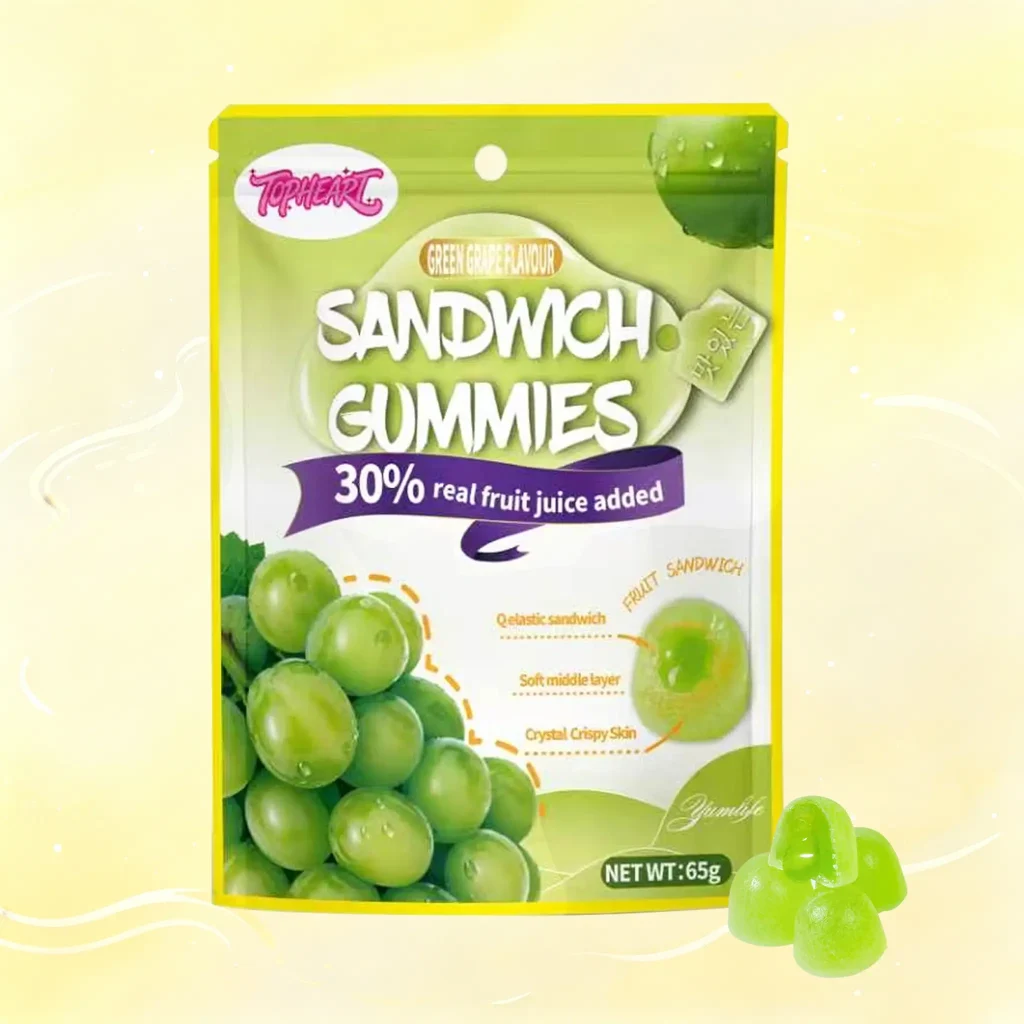 Crispy Gummy Candy
What Is Crispy Gummy Candy Crispy Gummy Candy i...
-
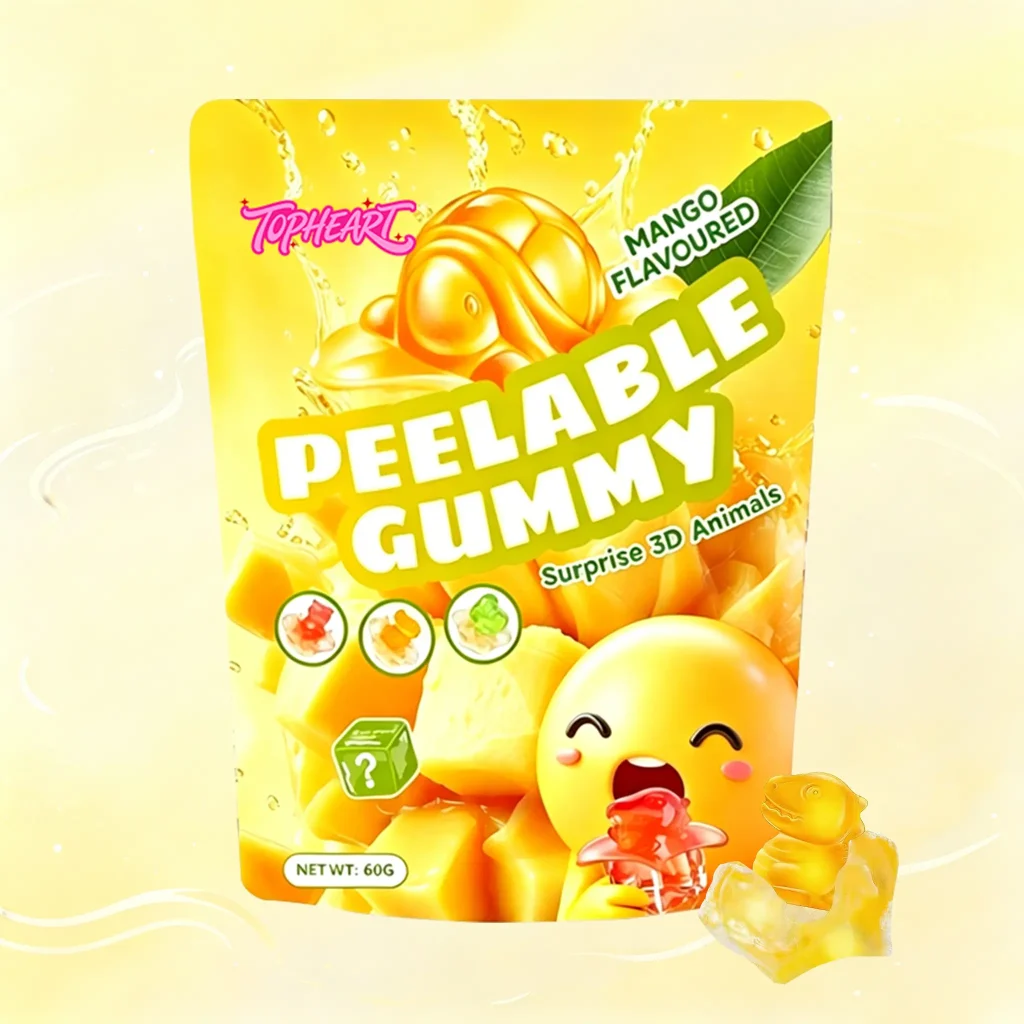 Peelable Gummy Candy
What Is Peelable Gummy Candy? Peelable Gummy Ca...