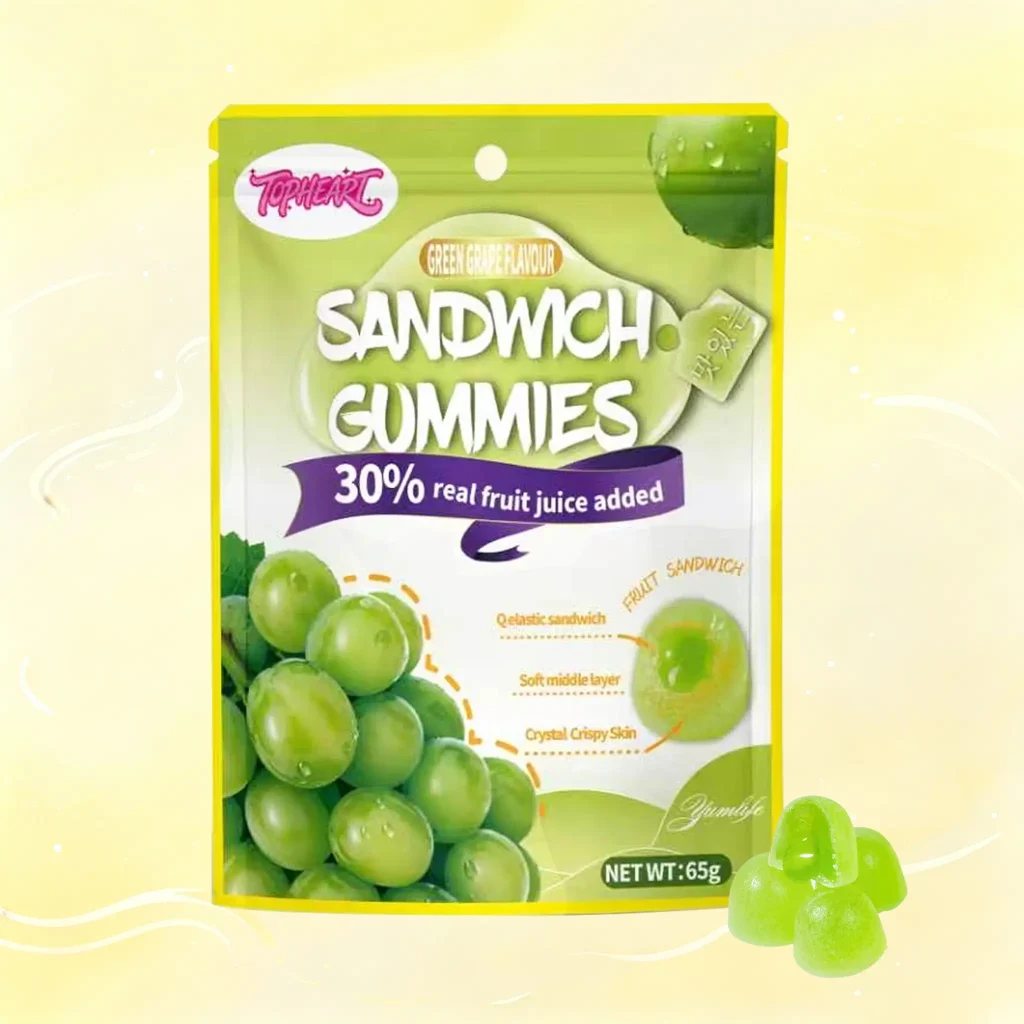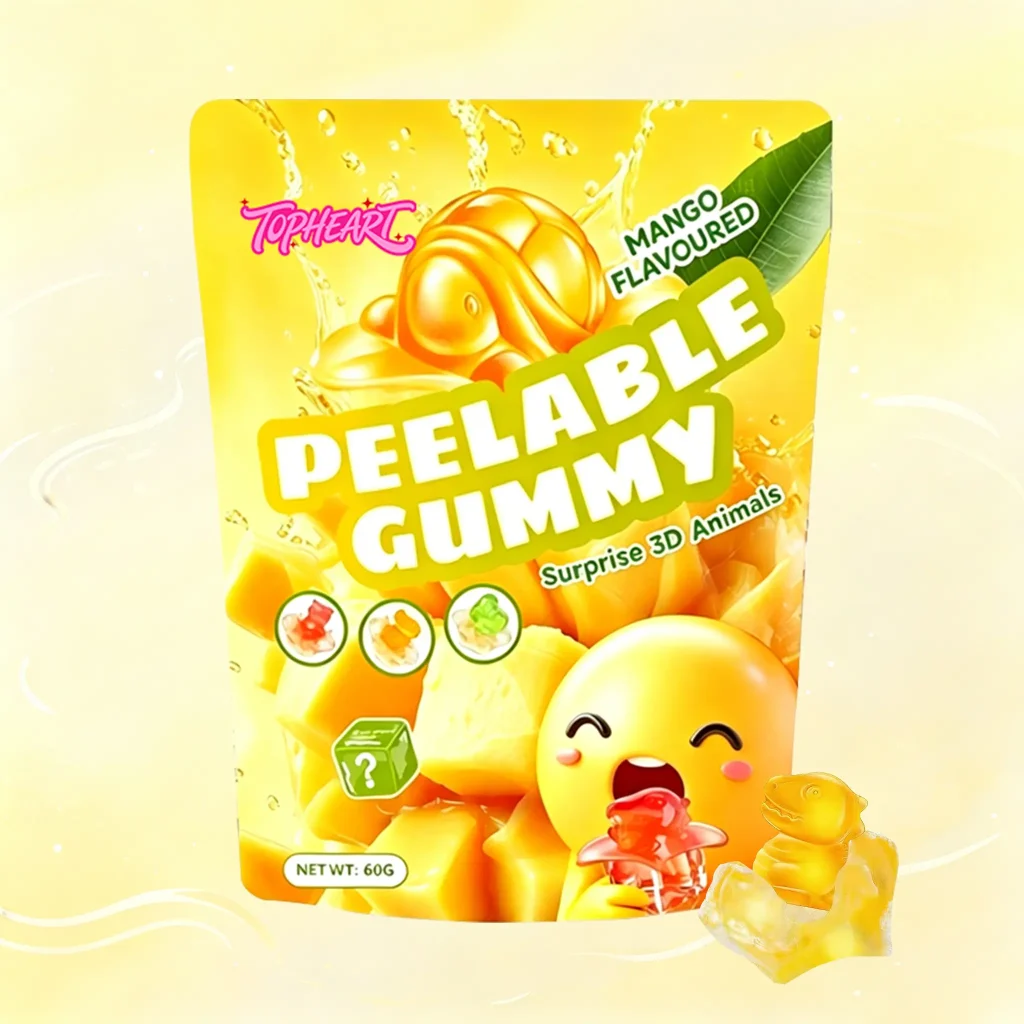


The appeal of Chocolate Beans goes beyond their small size. Their individual-piece format creates opportunities for convenient snacking, colorful retail displays, sharing occasions, gift assortments, and customized packaging. They can also complement other chocolate products by offering a different visual identity and consumption experience.
For brands looking to refresh an existing product portfolio, this format provides a practical starting point. With the right product positioning, packaging design, and market strategy, it can become a useful addition to a broader chocolate selection.
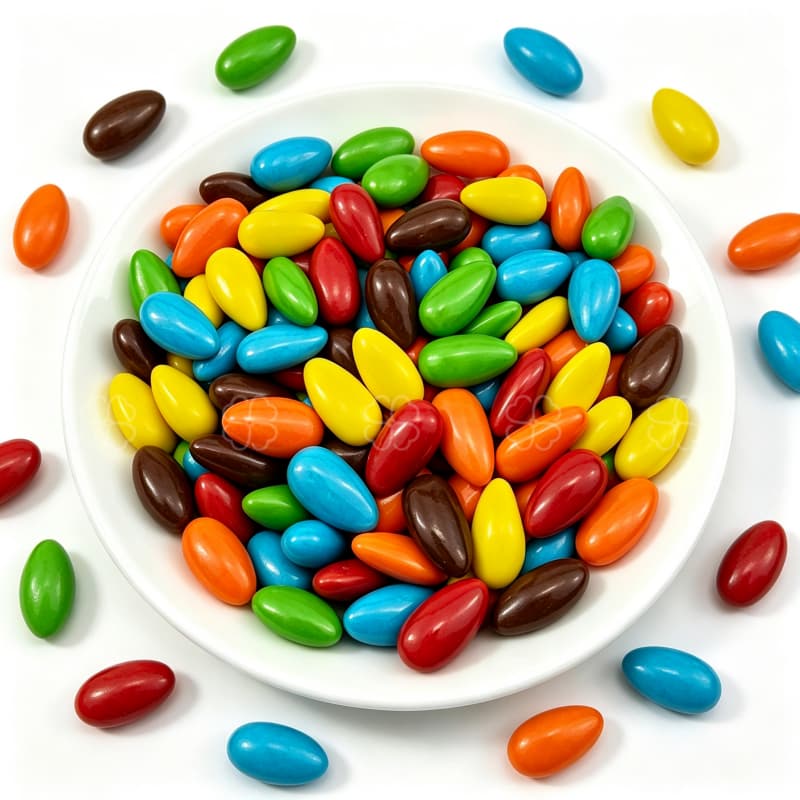
Chocolate beans
Why Product Variety Matters in a Chocolate Selection
A chocolate collection needs more than different flavors to attract a wide range of buyers. Product format is another important factor. A selection that includes bars, individually wrapped pieces, bite-sized products, and assorted confectionery can offer more choices for different shopping occasions.
For example, a consumer purchasing a chocolate bar for personal enjoyment may have a different preference from someone buying small treats for a party or a shared snack bowl. Retailers can serve both types of customers by offering products with different portion formats.
Chocolate Beans contribute to this variety through their compact individual pieces. They provide a different way to enjoy chocolate without requiring consumers to purchase or divide a larger product.
A diversified chocolate portfolio can create several commercial advantages:
- More product choices: Different shapes and formats give customers additional options.
- Broader consumption occasions: Small pieces can suit snacking, sharing, gifting, and serving.
- More visual variety: Different product appearances help create a more interesting retail display.
- Flexible packaging strategies: Individual pieces can be presented in different bag, pouch, or box formats.
- Portfolio expansion: Retailers can introduce another product format without moving away from the familiar chocolate category.
Businesses developing a broader chocolate product selection can use different formats to create a more balanced assortment. Instead of competing only through flavor variations, brands can also differentiate products through appearance, portion size, packaging, and intended use.
What Makes Chocolate Beans a Useful Addition to Your Product Range?
The commercial appeal of Chocolate Beans comes from the combination of a familiar chocolate identity and a compact product format. Consumers can recognize the chocolate category immediately, while the individual pieces offer a different presentation from conventional bars and larger confectionery products.
1. A Familiar Flavor with Broad Consumer Recognition
Chocolate is a well-established confectionery flavor. It is familiar across many markets and can be positioned for different age groups and consumption occasions, subject to the product’s formulation and applicable labeling requirements.
For retailers, familiar flavors can make product introductions easier to communicate. Consumers do not need to understand an unfamiliar flavor concept before deciding whether the product interests them.
This familiarity is useful when introducing a new format into an existing assortment. The product can offer something visually different while remaining within a category that shoppers already understand.
2. A Compact Format for Flexible Consumption
The individual-piece format creates a convenient way to enjoy chocolate. Consumers can take one piece, several pieces, or share a portion with others.
This flexibility can make the product suitable for different situations, including home snacking, office breaks, travel, casual gatherings, and shared snack selections.
For retailers and distributors, a compact format also provides another option for customers who are not necessarily looking for a traditional chocolate bar.
3. An Appearance That Supports Creative Presentation
Product appearance influences how consumers recognize and evaluate confectionery products.
The bean-like shape gives Chocolate Beans a recognizable visual identity. Depending on the actual product design, colors, surface finish, and packaging artwork can be used to create different brand presentations.
A playful design may suit an energetic retail concept, while a more restrained design can support a simple and classic chocolate positioning.
The product can also be photographed in different ways: displayed as individual pieces, arranged in a bowl, presented in a close-up product image, or combined with suitable dessert and snack settings.
4. A Natural Fit for Sharing and Assortments
Individual pieces are easy to distribute among several people. This makes the format suitable for shared snack bowls, party tables, and assorted confectionery selections.
For businesses selling gift boxes or mixed sweet assortments, small chocolate pieces can also help create variety in the overall presentation.
The product does not need to replace existing chocolate items. It can complement them by providing another size and serving format.
5. Packaging Flexibility for Different Markets
Packaging has an important influence on how a confectionery product is positioned.
Retail bags may suit everyday purchases, while stand-up pouches can provide a structured shelf presentation. Customized boxes may be considered for gift-oriented or premium-looking assortments.
For brand owners, the packaging can be developed around the intended market, brand identity, and distribution channel. This allows the same general product concept to be presented in different ways without changing the central chocolate positioning.
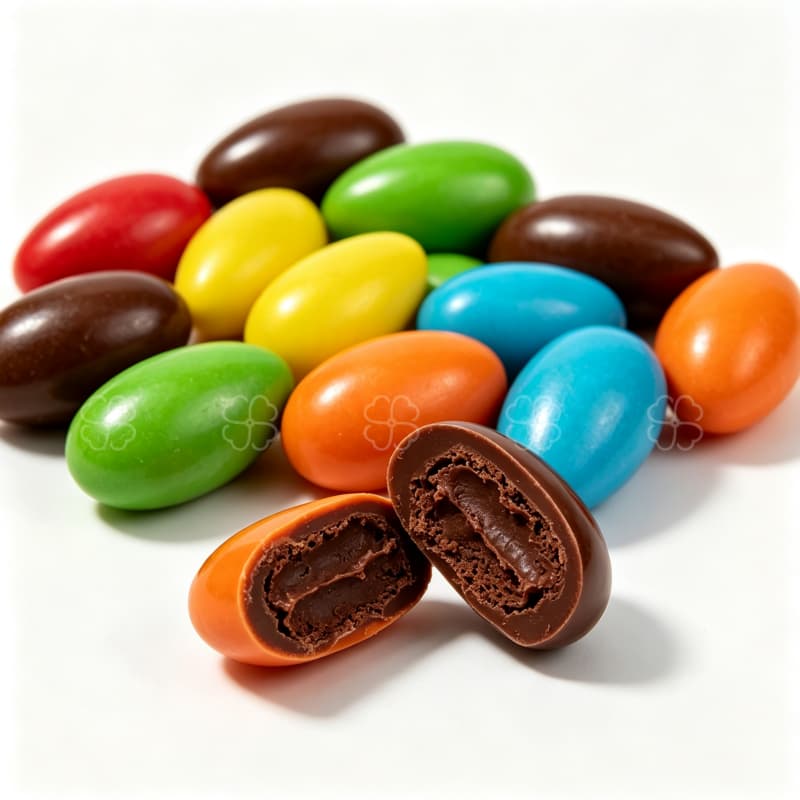
premium chocolate beans
How Chocolate Beans Can Create More Product Variety
Adding a new product format is most effective when it serves a clear purpose within the existing portfolio. Chocolate Beans can contribute to variety in several ways.
Complementing Traditional Chocolate Products
A chocolate bar is generally presented as one larger piece, while small individual chocolate pieces provide a different consumption experience.
A retailer carrying both formats can serve consumers looking for different portion sizes and shopping occasions. The products can sit within the same chocolate category while offering different choices.
Creating a More Interesting Assortment
A varied assortment can include products with different shapes, sizes, and packaging styles. The addition of compact chocolate pieces can help break up a shelf or product catalog dominated by larger formats.
For wholesalers and distributors, this also provides another item to introduce to customers who already purchase chocolate products.
Supporting Mixed Product Collections
Depending on product compatibility and packaging requirements, small chocolate pieces may be included in selected mixed confectionery collections.
A coordinated collection can combine different chocolate formats or place the product alongside other suitable sweet treats. The aim is to give customers more options while maintaining a clear overall product theme.
Offering Another Choice for Different Occasions
Not every chocolate purchase is made for the same reason. Some consumers want an individual snack, while others need something to serve to guests or include in a gift selection.
A compact product format can help address these occasions. It gives retailers another option to recommend when customers want a smaller, shareable, or easy-to-serve chocolate product.
The Science Behind Chocolate Quality, Texture, and Storage
Chocolate is a technically complex food product. Its texture, appearance, and stability are influenced by fat composition, crystal formation, processing conditions, and storage temperature.
For businesses sourcing chocolate products, understanding these factors helps explain why manufacturing control and suitable storage conditions matter.
One important component in many chocolate formulations is cocoa butter. It contains different triglycerides that can crystallize into several forms. These crystal structures do not behave identically: they have different melting characteristics and can influence the finished product’s gloss, firmness, snap, and stability.
The following table presents general scientific reference values for cocoa butter crystallization. They are not laboratory test results or confirmed specifications for a particular batch of Chocolate Beans.
Scientific Reference Table: Cocoa Butter Crystal Forms
| Crystal Form | Approximate Melting Range | General Characteristics | Relevance to Chocolate Quality |
|---|---|---|---|
| Form I | 16–18°C | Soft and unstable | Can contribute to a soft, crumbly structure |
| Form II | 22–24°C | Unstable crystal structure | Does not provide the desired long-term chocolate structure |
| Form III | 24–26°C | Relatively unstable | Can provide a firmer structure than earlier forms |
| Form IV | 26–28°C | Metastable structure | Can produce a firm structure but is not the preferred final crystal form |
| Form V | 32–34°C | Desirable tempered structure | Associated with gloss, good snap, and desirable texture |
| Form VI | 34–36°C | More stable crystal structure | May develop during storage and is associated with changes in chocolate texture and fat bloom |
Important interpretation: These are approximate literature reference ranges for cocoa butter crystal forms. Actual melting behavior varies with fat composition and processing conditions. They should not be treated as the melting specifications of the finished product.
Why Tempering Matters
Tempering is a controlled heating, cooling, and agitation process used to encourage desirable cocoa butter crystal formation.
When the appropriate crystal structure develops, chocolate can achieve a more attractive surface, a firmer structure, and a characteristic snap. Inadequate crystallization control can contribute to an uneven appearance, poor texture, or fat bloom during storage.
For small chocolate pieces, appearance is particularly important because consumers may see many individual pieces together in one package. Consistency across the batch can therefore contribute to the overall product presentation.
Why Temperature Control Matters During Distribution
Chocolate can soften as temperatures approach its melting range. Heat exposure during storage or transportation may affect product shape, surface appearance, and packaging condition.
This is especially relevant for international wholesale shipments, where products may pass through different climates, warehouses, and distribution environments.
Buyers should evaluate the recommended storage conditions, packaging protection, and transportation arrangements for the actual product. Storage instructions should always follow the manufacturer’s validated product specifications and final label.
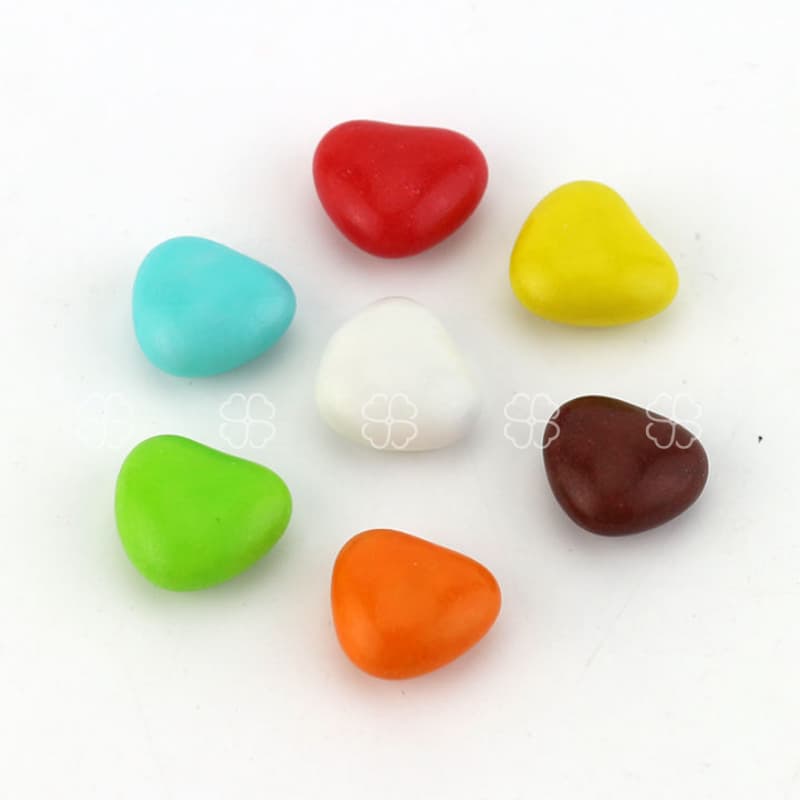
Premium Heart-shaped Chocolate Beans
Packaging Strategies That Help Chocolate Beans Stand Out
A product’s packaging should do more than display its name. It should help consumers understand what they are buying and communicate why the product deserves attention.
For Chocolate Beans, packaging can emphasize the chocolate identity, individual-piece format, and visual characteristics.
Retail Bags for Everyday Purchases
Retail bags can be suitable for products intended for regular snacking and convenient purchases. The front design can use product photography, clear product naming, and a recognizable brand identity.
The package should communicate the product clearly without overcrowding the available space with unnecessary graphics.
Stand-Up Pouches for Shelf Presentation
Stand-up pouches can provide a structured presentation for retail shelves and online product photography.
Their printable surface offers room for brand artwork, product information, storage instructions, and other required labeling details. The actual pouch material and barrier properties should be selected according to the product’s needs and packaging tests.
Customized Boxes for Gift Collections
Boxes may be considered when developing gift-oriented products, promotional assortments, or coordinated confectionery collections.
A well-designed box can create a more organized presentation and provide space for brand storytelling. It may also be combined with inner packaging where required for product protection and portioning.
Private-Label Packaging for Brand Owners
For private-label buyers, packaging is an important part of creating a distinct market identity.
A customized project may involve logo placement, artwork, color selection, pack size, product information, and language requirements. The final design should also comply with the labeling regulations of the destination market.
Where Chocolate Beans Can Fit into the Market
A versatile product format can support different sales channels when its packaging and positioning match the intended customer.
Supermarkets and Convenience Stores
Retailers can position the product alongside other chocolate and confectionery items. Its compact format provides another option for customers looking for individual pieces rather than a larger chocolate bar.
Candy Shops and Specialty Retailers
Specialty stores may use the product to expand their selection of chocolate treats. It can be presented in suitable packaged formats or incorporated into selected confectionery assortments.
Online Candy Stores
For e-commerce businesses, clear product photography is essential. Images should show the individual pieces, packaging, and product appearance so customers can understand the format before purchasing.
A concise description of flavor, pack size, ingredients, allergens, and storage conditions can also help customers make informed decisions. These details must match the actual product label and approved specifications.
Wholesale and Distribution Channels
Distributors can consider the product as an additional item within an existing chocolate portfolio. Before placing an order, buyers should review the product specification, packaging configuration, minimum order requirements, carton details, and export documentation.
What Wholesale Buyers Should Evaluate Before Ordering
Selecting a suitable product requires more than reviewing its appearance. Buyers should consider several practical points before confirming a wholesale order.
- Product specifications: Confirm the product form, ingredients, flavor profile, dimensions, and available variants.
- Appearance consistency: Review samples to understand the actual shape, color, and surface finish.
- Packaging options: Confirm available bag, pouch, box, and customized packaging formats.
- Labeling requirements: Check ingredient declarations, allergen information, nutrition details, language, and destination-market requirements.
- Storage and shelf life: Request validated storage instructions and shelf-life information for the actual product.
- Order and logistics: Confirm minimum order quantities, carton packing, lead times, and shipping arrangements.
A supplier’s product information and sample evaluation can help buyers determine whether the product is appropriate for their intended market.
Working with a Manufacturer on Customized Chocolate Projects
A reliable manufacturing partner can help buyers move from product selection to packaging and order planning.
For confectionery brands, this process may involve confirming the product concept, reviewing samples, selecting a suitable packaging format, preparing artwork, and checking market-specific labeling requirements.
When evaluating a supplier, buyers should consider manufacturing experience, communication, quality-control procedures, documentation capabilities, and the ability to support the intended order requirements.
TOPHEART focuses on confectionery manufacturing and export-oriented product solutions. Buyers interested in the company’s background and product capabilities can learn more through the TOPHEART company profile.
For OEM and ODM projects, the initial discussion should identify the target market, preferred packaging format, expected order quantity, product requirements, and any special branding needs. These details help establish whether a proposed project is practical and what information is needed before sampling or quotation.
A structured sourcing process can reduce misunderstandings and make it easier for both sides to confirm product expectations before production.
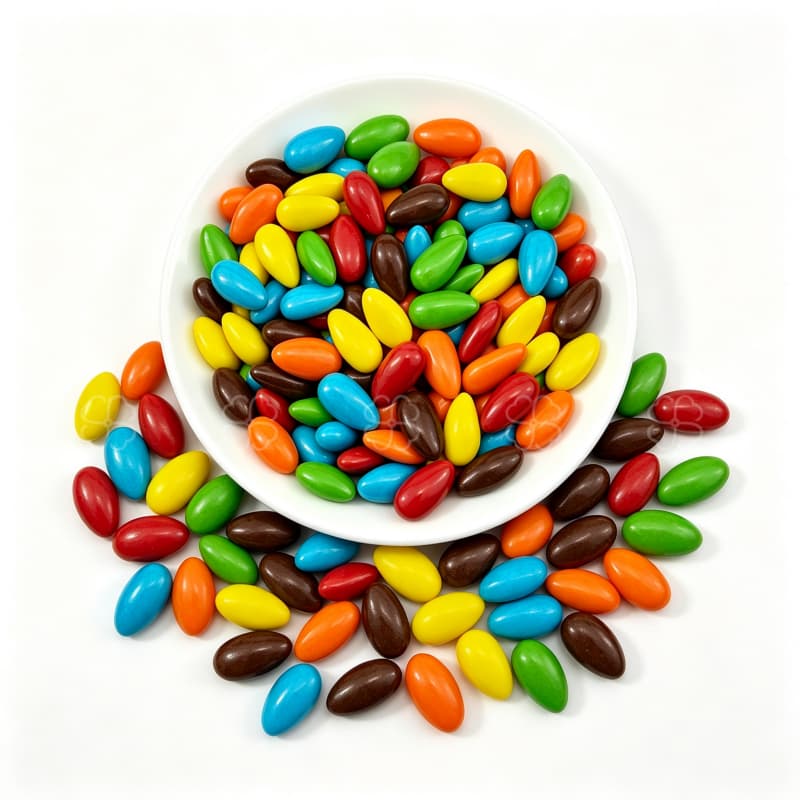
Chocolate bean supplier
Building a More Complete Chocolate Portfolio
A strong product portfolio is created by combining products that serve different purposes.
Larger chocolate products may appeal to consumers looking for a more substantial treat. Smaller individual pieces can provide a convenient alternative for sharing, serving, and everyday snacking. Different packaging formats can then help retailers reach customers through different sales channels.
Chocolate Beans can contribute to this strategy by adding another format to an established chocolate selection. Their familiar category, compact presentation, and packaging flexibility make them worth considering when developing a broader confectionery assortment.
For distributors, the product may provide another option to present to existing retail customers. For brand owners, customized packaging can help align the product with a particular market identity. For retailers, it can add variety to a chocolate shelf or online collection.
If you are evaluating this product for your business, the next step is to review the actual product details, sample quality, packaging possibilities, and commercial requirements. You can discuss your intended market and sourcing needs directly through the TOPHEART contact page.
Frequently Asked Questions
1. What are Chocolate Beans?
Chocolate Beans are small, individual chocolate confectionery pieces with a bean-like appearance. They offer an alternative to larger chocolate formats and can be enjoyed as individual treats, shared with others, or included in suitable confectionery assortments. Their exact ingredients, coating, color, and texture depend on the specific product formulation.
2. How can Chocolate Beans add variety to a chocolate selection?
They introduce a compact individual-piece format that differs from traditional chocolate bars and larger treats. Retailers and distributors can use this format to provide more portion choices and support different occasions, including everyday snacking, sharing, parties, and gift assortments. They can also complement other chocolate products within a broader confectionery collection.
3. How should Chocolate Beans be stored?
They should be stored according to the manufacturer’s validated storage instructions and the conditions stated on the final product label. Temperature stability is important because chocolate can soften when exposed to excessive heat, while temperature fluctuations may affect its appearance and texture. Buyers should confirm suitable storage and transportation conditions with their supplier before distribution.
4. What should wholesale buyers check before purchasing Chocolate Beans?
Wholesale buyers should review product specifications, ingredients, allergen information, sample appearance, packaging formats, shelf-life details, storage instructions, minimum order quantities, and carton configurations. They should also confirm destination-market labeling requirements and export documentation. Evaluating these details before ordering helps ensure that the product and packaging match the intended sales channel.
5. Can Chocolate Beans be customized for private-label brands?
Private-label options may include customized logos, packaging artwork, bag or pouch formats, box designs, and market-specific labeling. The available choices depend on the manufacturer’s capabilities, product specifications, packaging materials, and order requirements. Buyers should provide their target market, preferred pack format, and branding requirements when discussing a customized project.
Make Room for More Chocolate Possibilities
A well-developed chocolate selection should offer consumers more than one way to enjoy a familiar flavor. Different product shapes, portion sizes, packaging formats, and consumption occasions can all contribute to a more attractive confectionery portfolio.
Chocolate Beans bring a compact and flexible format into that mix. They can complement larger chocolate products, support sharing and everyday snacking, and provide additional opportunities for retail presentation and private-label development.
For wholesalers, distributors, and confectionery brands, the value lies in how the product fits into the wider assortment. With suitable specifications, packaging, and market positioning, it can become another useful option for customers seeking variety.
More formats. More occasions. More ways to enjoy chocolate.
Consider adding Chocolate Beans to your next chocolate product selection and explore how a small individual-piece format can create new possibilities for your confectionery business.