

Understanding how these components work together is essential when evaluating product quality or developing a new chocolate snack. This article explores the structure of Cereal Chocolate, the science behind crispness and cocoa flavor, ingredient selection, production considerations, packaging performance, and commercial applications. It also explains what businesses should consider when selecting a product that can deliver a consistent and enjoyable experience.
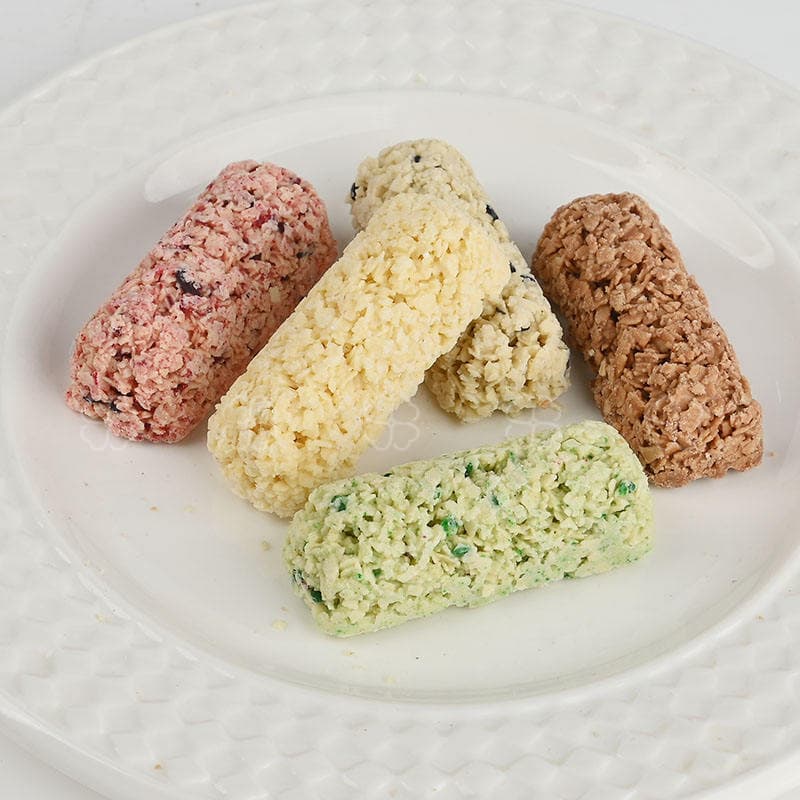
Cereal Chocolate
1. What Makes Cereal Chocolate a Distinctive Snack?
Cereal Chocolate generally refers to confectionery products that combine cereal-based components with chocolate or a chocolate-style coating. Depending on the formulation, the cereal portion may include crisped rice, corn, wheat, oats, or other grain-based ingredients. These components can be formed into small pieces, clusters, flakes, or other snack shapes before being combined with a chocolate coating.
The defining characteristic is the contrast between the two main components. Cereal ingredients contribute a light and brittle structure, while the chocolate layer provides a richer flavor and a smoother mouthfeel. This contrast makes the product different from conventional solid chocolate, which usually has a more uniform texture throughout.
Several factors contribute to its appeal:
- Crunchy texture: Crisp cereal components create a noticeable bite and help make the eating experience more varied.
- Rich chocolate flavor: Cocoa ingredients contribute recognizable chocolate notes that complement the cereal base.
- Flexible product formats: The combination can be developed into clusters, coated cereal pieces, bars, bites, or other confectionery formats.
- Flavor versatility: Different cereal ingredients and chocolate coatings provide opportunities for product variation.
- Multiple consumption occasions: The products can be positioned as everyday snacks, sharing treats, or additions to chocolate assortments.
For manufacturers and brand owners, the important point is that Cereal Chocolate is not a single fixed recipe. The cereal-to-chocolate ratio, ingredient selection, particle size, coating thickness, and manufacturing method can all influence the final result. Buyers should therefore evaluate the actual product structure rather than relying only on its category name.
2. The Relationship Between Crunchy Cereal and Chocolate
The appeal of Cereal Chocolate comes from the interaction between two different food structures. Cereal ingredients are often processed to create a porous, low-density structure. Chocolate, by comparison, forms a more continuous fat-and-sugar-based phase that delivers characteristic cocoa flavor and a smooth melting sensation.
When these components are combined, consumers experience several sensory stages. The first bite may produce a crisp fracture from the cereal. The chocolate coating then softens as it warms in the mouth, releasing cocoa aroma and sweetness. As the cereal is chewed, its toasted or grain-like notes can combine with the chocolate flavor.
For companies evaluating confectionery suppliers, understanding this interaction helps identify the product qualities that matter most. A manufacturer should be able to explain the ingredients used, the intended texture, and how the product is designed to maintain its characteristics during storage and distribution. Businesses interested in understanding the manufacturer behind a confectionery range can review the TOPHEART manufacturer background and confectionery capabilities as part of their supplier evaluation.
2.1 Why Texture Contrast Matters
Texture contrast makes a snack more interesting because different structures stimulate different sensations during chewing. A crisp cereal center breaks into smaller fragments, while the chocolate coating gradually softens. This creates a combination of brittle and smooth sensations within the same bite.
The size and structure of the cereal particles are important. Large pieces may produce a stronger, more obvious crunch, while smaller particles can create a finer and more uniform texture. A product with too many fine particles may feel dense rather than crisp. Conversely, very large pieces may make coating coverage more difficult or increase breakage during handling.
The ideal structure depends on the intended product format and consumer preference. A cluster designed for sharing may benefit from a more irregular appearance, while small individual pieces may require a more consistent size and coating distribution.
2.2 The Role of Chocolate Coating
The coating does more than add sweetness. It contributes aroma, color, mouthfeel, and the first impression of the product. It can also help bind cereal pieces together or form a protective outer layer, depending on the manufacturing process and product design.
Milk chocolate-style coatings generally offer a familiar creamy and sweet profile. Dark chocolate can provide more pronounced cocoa notes and a less sweet impression, while white chocolate-style coatings offer a different flavor and color direction. Compound coatings may also be used in certain confectionery applications, depending on the desired formulation and production requirements.
Buyers should confirm the actual coating composition. The term chocolate-style coating does not necessarily mean that every product uses the same type or proportion of cocoa ingredients. Ingredient declarations and product specifications are essential when comparing products from different manufacturers.
3. The Science Behind Cereal Crispness
Crunchiness is a structural property as well as a sensory experience. Many crisp cereal ingredients contain a porous matrix formed during processes such as extrusion, expansion, baking, or toasting. The structure contains small air spaces and solid walls that fracture when pressure is applied during biting.
Moisture is one of the most important factors affecting this structure. When dry cereal ingredients absorb water, their starch- and protein-based matrix can become less brittle. The product may gradually lose its crispness and develop a softer or tougher texture.
3.1 Understanding Water Activity
Water activity, commonly written as aw, measures the availability of water in a food system. It is different from total moisture content. Two ingredients may contain similar amounts of water but have different water activity values because water interacts differently with their structures and components.
For Cereal Chocolate, water activity is relevant because the cereal portion generally needs to retain a crisp structure. If moisture moves into a dry cereal component, its mechanical properties may change. This is why ingredient compatibility, coating design, packaging materials, and storage conditions need to be considered together.
3.2 Scientific Reference Data for Cereal and Chocolate Products
The following table summarizes published reference values for selected food categories. It illustrates differences in water activity and moisture content between chocolate and common cereal ingredients. These values are useful for understanding the food science behind product structure, but they are not specifications or laboratory test results for a particular Cereal Chocolate product.
| Food Category | Water Activity (aw) | Moisture Content (%) | Relevance to Cereal Chocolate |
|---|---|---|---|
| Chocolate | 0.42–0.60 | Approximately 1.2 | Provides a reference for the moisture characteristics of chocolate products. |
| Cornflakes | 0.25–0.38 | 1.7–3.5 | Illustrates the relatively low water activity of a common crispy cereal ingredient. |
| Puffed cereals | 0.17–0.20 | 0.48–1.70 | Shows the low-moisture characteristics often associated with expanded cereal structures. |
| Oats and other grains | 0.34–0.70 | 8.8–9.2 | Demonstrates that whole or flaked grains can have different moisture characteristics from crisped cereal ingredients. |
| Wafers | 0.13–0.15 | Approximately 2.1 | Provides an additional example of a low-water-activity crisp food structure. |
Source: Cereal and Confectionary Packaging: Background, Application and Shelf-Life Extension, Foods, 2022. Values are literature-based category references and may vary with formulation, processing, and measurement conditions.
The data highlights an important development consideration: cereal ingredients with different structures and moisture characteristics may behave differently when combined with chocolate. A formulation should be evaluated as a complete product rather than by examining the cereal and coating independently.
3.3 How Moisture Can Reduce Crunchiness
Research on breakfast cereals and extruded rice crisps has shown that increasing water activity can reduce sensory crispness. As moisture is absorbed, the cereal structure becomes less brittle and may require more force to fracture. The texture can change from a sharp, crisp bite to a softer or tougher sensation.
One study of breakfast cereals reported a slight decrease in sensory crispness as water activity increased toward approximately 0.50, followed by a more rapid decline beyond that region. The exact response depends on the cereal formulation and structure, so this value should not be treated as a universal limit for every product.
For manufacturers, this research reinforces the importance of moisture control during processing, cooling, storage, and packaging. For buyers, it provides a practical reason to evaluate product crunch after storage rather than judging only a freshly produced sample.
4. How Cocoa Flavor Complements Cereal Ingredients
Texture creates the first contrast, but flavor determines whether the combination feels balanced. Cocoa contributes a complex flavor profile that can include roasted, bitter, fruity, nutty, earthy, and caramel-like notes. The exact profile depends on cocoa origin, fermentation, roasting, processing, and the ingredients used in the chocolate formulation.
4.1 Cocoa Aroma and Roasted Cereal Notes
Many cereal ingredients develop toasted or roasted notes during processing. These flavors can complement the roasted characteristics associated with cocoa. When balanced correctly, the cereal base can support the chocolate flavor instead of competing with it.
For example, a lightly toasted cereal component may provide a mild grain flavor that allows the chocolate coating to remain the dominant taste. A stronger roasted cereal profile may create a more pronounced toasted impression. The appropriate balance depends on the intended consumer experience.
4.2 Balancing Sweetness and Cocoa Intensity
Sweetness is an important part of chocolate confectionery, but excessive sweetness can make a product feel unbalanced. The cereal portion can contribute its own flavor and, depending on the formulation, may also contain sugar or other sweetening ingredients.
When developing a product, manufacturers should consider the combined sweetness of the cereal and coating. A sweeter cereal base may work better with a more cocoa-forward coating, while a relatively neutral cereal component may allow a sweeter milk chocolate profile.
Product testing should consider the complete bite. Evaluating the chocolate coating separately from the cereal center may not accurately represent how consumers experience the finished product.
4.3 Choosing Between Milk, Dark, and White Chocolate Profiles
Different chocolate styles create different sensory directions:
- Milk chocolate: A creamy and familiar profile that can complement lightly toasted cereal ingredients.
- Dark chocolate: A more pronounced cocoa character that may suit consumers who prefer stronger chocolate notes.
- White chocolate: A sweeter, creamier profile that provides a different flavor contrast with cereal components.
- Compound coating: An alternative coating formulation that may be selected for particular processing, handling, or product requirements.
The best option should be determined through sample evaluation and market research. Businesses can explore the wider chocolate confectionery product range to understand how different chocolate formats can support a broader product portfolio.
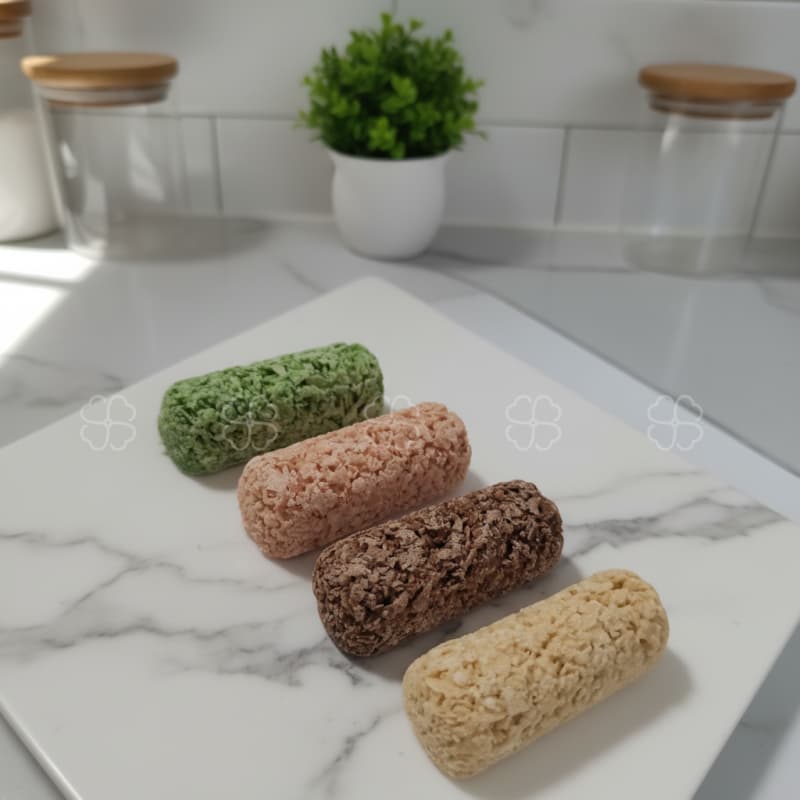
Chocolate Malt-2
5. Ingredient Selection and Product Formulation
Ingredient selection affects the finished product’s flavor, texture, appearance, and stability. A well-designed Cereal Chocolate product requires compatibility between the cereal component and the coating. Manufacturers should consider the physical properties of each ingredient before deciding on a formulation.
5.1 Selecting the Cereal Base
Different cereal ingredients provide different sensory characteristics and visual appearances.
- Rice crisps: Often selected for their light texture and delicate crunch.
- Corn-based cereal: Can provide a familiar toasted grain flavor and a distinct crisp structure.
- Wheat-based ingredients: May create a different density and bite depending on their processing method.
- Oat ingredients: Can contribute a recognizable grain flavor and a more substantial texture.
- Mixed grains: May offer a more complex appearance and combination of cereal characteristics.
Not every cereal ingredient is suitable for every chocolate application. Some components may absorb moisture more readily, while others may be more fragile during mixing and coating. The manufacturer should assess particle size, structural strength, flavor compatibility, and packaging requirements.
5.2 Coating Thickness and Cereal-to-Chocolate Ratio
The amount of chocolate coating influences both flavor intensity and texture perception. A thicker coating can provide a stronger chocolate impression, but it may reduce the relative contribution of the cereal crunch. A thinner coating may highlight the cereal component but could create challenges in achieving uniform coverage or the desired flavor profile.
The cereal-to-chocolate ratio should therefore be selected according to the product’s intended positioning. A chocolate-focused snack may require a more prominent coating, while a lighter cereal-led product may emphasize the crunchy center.
Consistency is especially important for products sold in multipacks or large retail bags. If individual pieces vary significantly in coating thickness or cereal content, consumers may experience inconsistent flavor and texture from one piece to another.
6. Production and Quality Control Considerations
Manufacturing Cereal Chocolate requires attention to the preparation of the cereal component and the application of the chocolate coating. The exact production process depends on the product format, ingredients, equipment, and desired appearance.
6.1 Cereal Preparation
Cereal ingredients may undergo processes such as extrusion, expansion, baking, or toasting. These operations influence the internal structure, moisture content, color, and crispness of the finished cereal component.
Manufacturers should monitor ingredient consistency and ensure that the cereal pieces are suitable for the next processing stage. Excessive breakage can create loose particles, while inconsistent sizes may affect coating coverage and finished-product appearance.
6.2 Chocolate Coating and Cooling
After cereal preparation, the coating process must distribute chocolate or chocolate-style material evenly across the product. Depending on the design, this may involve enrobing, panning, mixing, or another coating technique.
For coatings containing cocoa butter, temperature management and crystallization control are important. Appropriate tempering encourages a stable cocoa butter crystal structure, which contributes to a desirable surface appearance, texture, and melting behavior. Compound coatings have different fat systems and may require different processing conditions.
Cooling should be controlled to help the coating set properly without creating unnecessary surface defects. Poor process control can lead to uneven coating, cracks, dull appearance, or other quality issues.
6.3 Quality Inspection
Finished-product inspection should cover more than visual appearance. A practical quality evaluation may include:
- Chocolate coating coverage and surface consistency.
- Cereal crispness and bite characteristics.
- Flavor balance between the cereal and chocolate.
- Piece size, shape, and weight consistency.
- Breakage, loose particles, and packaging damage.
- Ingredient and allergen information.
- Packaging seal integrity and batch traceability.
Buyers should agree on product specifications and sample approval procedures before mass production. This helps establish a clear reference for evaluating subsequent batches.
7. Packaging and Storage: Protecting Texture and Flavor
Even a well-formulated product can lose quality if packaging and storage conditions are unsuitable. Cereal Chocolate combines ingredients with different physical characteristics, so packaging should protect both the chocolate coating and the crisp cereal structure.
7.1 Moisture Barrier Protection
Moisture absorption is a major concern for many low-moisture cereal products. If water enters the package, the cereal component may gradually lose its crispness. Packaging materials should therefore be selected according to the product’s moisture sensitivity, expected shelf life, and distribution environment.
Manufacturers and buyers can discuss packaging barrier properties, sealing performance, and the suitability of different film structures. The final choice should be supported by product testing rather than relying only on general material descriptions.
7.2 Protecting Chocolate from Heat and Temperature Changes
Chocolate can be affected by high temperatures and repeated temperature fluctuations. Depending on the formulation and storage conditions, fat bloom or sugar bloom may develop on the surface. These changes can affect appearance and consumer acceptance.
A stable, cool, dry storage environment is generally preferable. However, the exact storage range should follow the manufacturer’s validated product recommendations. Buyers should also consider the climate of the destination market and the conditions expected during shipping, warehousing, and retail display.
7.3 Packaging Formats for Different Markets
Packaging format should reflect the intended sales channel and consumption occasion. Common options may include:
- Small pouches: Suitable for individual purchases and convenient snacking.
- Resealable bags: Useful for products intended for repeated consumption.
- Retail boxes: Can support organized presentation and gift-oriented positioning.
- Jars or containers: May be suitable for countertop displays and larger sharing formats.
- Multipacks: Can provide portioned units for supermarkets and convenience stores.
Private-label buyers should also confirm artwork requirements, ingredient declarations, allergen statements, net weight, date marking, storage instructions, barcode information, and destination-market labeling rules before printing.
8. Product Applications and Market Opportunities
Cereal Chocolate can be developed for several confectionery and snack applications. Its combination of grain-based crunch and chocolate flavor allows brands to position it in different ways depending on product size, coating style, packaging, and target audience.
8.1 Everyday Chocolate Snacks
Small coated cereal pieces can be positioned as convenient everyday snacks. Bite-sized formats are easy to portion and can be suitable for retail pouches, sharing bags, or mixed confectionery selections.
8.2 Chocolate Assortments and Gift Collections
Cereal-based chocolate pieces can add textural variety to mixed chocolate assortments. Combining smooth chocolate products with crunchy cereal-based pieces creates a more varied selection for consumers who enjoy different eating experiences.
8.3 Private-Label Product Development
Retailers, distributors, and brand owners may consider customized product formats to match their market positioning. Development discussions can cover cereal ingredients, chocolate profiles, piece shapes, pack sizes, and printed packaging.
Customization should be based on realistic production capabilities and agreed order quantities. Buyers should request samples, review the ingredient declaration, and confirm packaging requirements before approving a final design.
9. How to Evaluate Cereal Chocolate as a Business Buyer
For importers and distributors, product evaluation should combine sensory testing with practical commercial considerations. A product may taste good but still be unsuitable for a particular market if the packaging, shelf life, labeling, or supply arrangements do not meet business requirements.
A structured evaluation can include the following questions:
| Evaluation Area | What Buyers Should Check |
|---|---|
| Texture | Does the cereal deliver a clear and consistent crunch? |
| Chocolate flavor | Is the cocoa profile balanced with the cereal ingredient? |
| Appearance | Are the pieces evenly coated and visually consistent? |
| Ingredients | Are the cereal and coating ingredients clearly identified? |
| Allergens | Are relevant allergens and cross-contact information declared? |
| Packaging | Does the packaging protect against moisture and physical damage? |
| Shelf life | Is the stated shelf life supported by appropriate product evaluation? |
| Customization | Can the supplier support the required flavor, pack size, and artwork? |
| Supply capability | Can the manufacturer meet the required order quantity and delivery schedule? |
Sample testing should be conducted under conditions that reflect the expected distribution and storage environment whenever possible. For example, a buyer importing products into a warm region should discuss temperature exposure and shipping precautions before confirming an order.
10. Building a More Competitive Cereal Chocolate Product Range
Product differentiation does not always require an entirely new category. Sometimes, adjusting the cereal structure, chocolate profile, piece size, or packaging format can create a noticeably different consumer experience.
Brands can explore several development directions:
- Texture-led products: Emphasize a lighter, crispier, or more substantial cereal bite.
- Chocolate-led products: Highlight a stronger cocoa flavor or a particular chocolate style.
- Flavor combinations: Explore complementary ingredients and flavor profiles that suit the target market.
- Format innovation: Develop clusters, small bites, coated flakes, or other suitable product shapes.
- Packaging differentiation: Use pack sizes and visual designs that fit retail, gifting, or sharing occasions.
Before launching multiple variations, businesses should identify the product characteristics most valued by their customers. Sample feedback, retailer discussions, and small-scale market tests can help determine which directions deserve further investment.
Manufacturers and brand owners should also avoid making unsupported claims about nutrition, health benefits, or ingredient quality. Any statements used on packaging or promotional materials should be supported by the actual formulation, relevant test results, and applicable regulations.
Bringing Crunch and Cocoa Together in Every Bite
Cereal Chocolate combines two complementary elements: the crisp structure of cereal ingredients and the rich flavor of chocolate. Its appeal comes from more than the presence of two familiar ingredients. The way the cereal fractures, the way the chocolate coating melts, and the balance between roasted grain notes and cocoa flavor all contribute to the finished eating experience.
Developing a successful product requires careful attention to ingredient selection, moisture control, coating performance, processing consistency, packaging, and storage. Scientific research on cereal crispness demonstrates why moisture management matters, while chocolate processing principles explain the importance of suitable coating and cooling conditions.
For confectionery manufacturers, importers, wholesalers, and private-label brands, the opportunity lies in creating a product that combines reliable quality with a clear market position. By evaluating samples carefully, confirming product specifications, and selecting packaging that protects both texture and flavor, businesses can build a Cereal Chocolate offering that meets consumer expectations and supports long-term product development.
Chocolate Malt-3
Frequently Asked Questions About Cereal Chocolate
1. What is Cereal Chocolate made of?
Cereal Chocolate generally combines cereal-based ingredients with a chocolate or chocolate-style coating. Depending on the product formulation, the cereal portion may contain crisped rice, corn, wheat, oats, or other grain-based ingredients. The coating may use milk chocolate, dark chocolate, white chocolate, or compound coating. The exact ingredients, proportions, and allergen profile vary by manufacturer, so buyers should review the product specification and ingredient declaration before purchasing.
2. Why does Cereal Chocolate have a crunchy texture?
The crunchy texture usually comes from cereal ingredients that have been processed through methods such as extrusion, expansion, baking, or toasting. These processes can create a porous structure that fractures when bitten. The chocolate coating adds a contrasting smooth texture and rich flavor. The final crunch depends on cereal type, particle size, processing conditions, moisture content, and storage. If the cereal absorbs moisture, its structure may soften and lose some of its crispness.
3. How can manufacturers keep Cereal Chocolate crispy during storage?
Maintaining crispness requires attention to ingredient moisture, water activity, coating design, packaging barrier properties, and storage conditions. Moisture absorption can soften cereal structures, so suitable packaging should help limit unwanted moisture transfer. Products should generally be stored in a cool, dry environment according to the manufacturer’s instructions. Buyers should also evaluate samples after storage and confirm that the packaging and shelf-life recommendations are appropriate for the intended distribution conditions.
4. What types of chocolate can be used in Cereal Chocolate products?
Cereal Chocolate can be developed with different chocolate profiles, including milk chocolate, dark chocolate, white chocolate, and suitable compound coatings. Milk chocolate typically offers a creamy and sweet profile, while dark chocolate provides more pronounced cocoa notes. White chocolate creates a sweeter flavor direction and a lighter appearance. The most suitable coating depends on the cereal ingredient, target consumer, product positioning, manufacturing process, and local labeling requirements. Buyers should confirm the actual coating composition with the supplier.
5. What should buyers consider when sourcing Cereal Chocolate for retail or wholesale?
Buyers should evaluate the cereal texture, chocolate flavor, coating consistency, ingredient declaration, allergen information, packaging, shelf life, and product appearance. Commercial factors are also important, including minimum order quantity, available pack formats, customization options, production lead time, documentation, and shipping arrangements. Requesting samples and confirming a written product specification before mass production can help reduce misunderstandings and ensure that the delivered product matches the approved quality expectations.