


The New Era of Holiday Confectionery Procurement
The global retail landscape operates on an unforgiving calendar, where Q3 and Q4 sales often dictate the entire fiscal year’s profitability. For large-scale wholesalers, distributors, and corporate procurement directors, securing reliable supply chains for seasonal sweets is a high-stakes endeavor. Sourcing requires more than merely finding a factory; it demands a deep technical understanding of hydrocolloid stability, international compliance, and shifting consumer demographics. Modern shoppers demand superior textures, clean-label ingredients, and innovative packaging that transforms a simple treat into a memorable gifting experience. To meet these high expectations, B2B buyers must partner with advanced production facilities capable of delivering premium festive candy at commercial scale. By initiating contract negotiations and formulation approvals six to nine months in advance, global importers can secure optimal raw material pricing, guarantee production slots, and prevent the severe margin erosion caused by last-minute air freight logistics.
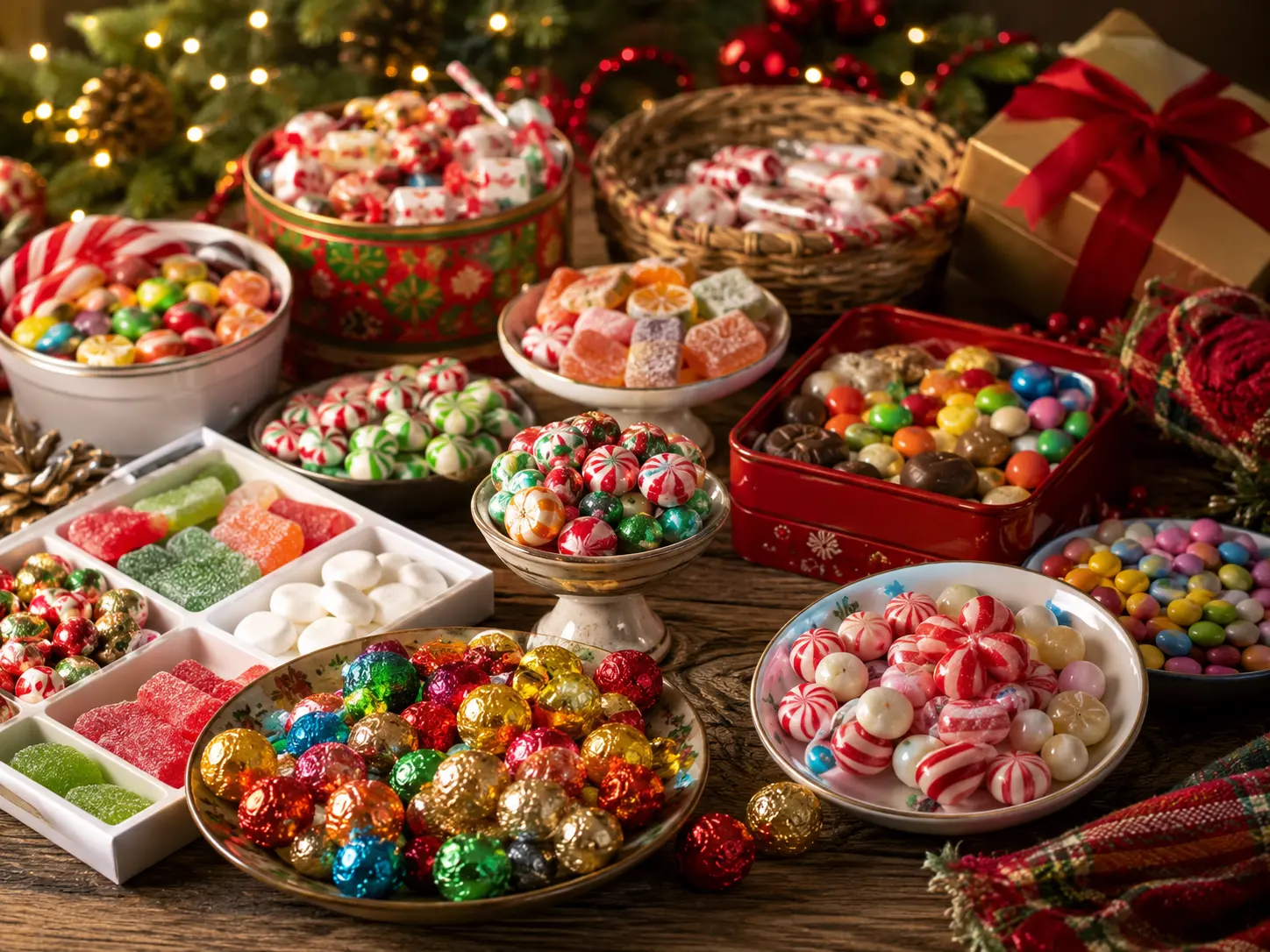
Festive candy supplier
Strategic Logistics for Q3 and Q4 Assortments
Mastering the critical path of international procurement is the primary defense against supply chain disruptions. The journey from initial flavor profiling and mold design to final regional distribution involves multiple rigid phases that cannot be accelerated without compromising quality. Custom packaging design, specifically for multi-layer barrier films, typically requires 30 to 45 days. Once master samples are approved, mass production of high-volume orders generally spans 45 to 60 days, heavily dependent on the complexity of the depositing technology used. Navigating these timelines is absolutely crucial when managing large volumes of seasonal candy for the international market. Because ocean freight adds an additional 30 to 40 days of transit time, purchase orders for late-year holidays must be finalized by early Q2. Failure to respect this strict Service Level Agreement (SLA) timeline exposes buyers to the severe risks of factory bottlenecks and delayed port customs, which can result in missed retail placement windows.
Formulating for the October Rush
The October market has evolved significantly beyond traditional hard sweets and generic chocolates. Today’s consumer demands interactive, highly engaging confectionery that translates well to social media sharing. Innovations such as 3D-extruded marshmallow figures and cutting-edge peelable gummies—which feature a resilient outer shell and a soft, flavorful core—are currently dominating the sector. These advanced formats require exceptional manufacturing precision, specifically co-depositing technology, to maintain structural integrity. When preparing your bulk orders for Halloween candy, prioritizing individually wrapped, dual-texture items ensures both food safety and high consumer satisfaction. Furthermore, managing the water activity (aw) within these complex matrices is vital. The optimal aw level must be strictly controlled between 0.55 and 0.60 to prevent the sweets from sweating or sticking together during the extreme temperature fluctuations often experienced in late-summer maritime shipping containers.
Premium Offerings for the Winter Holidays
As the market transitions into the winter months, consumer intent shifts heavily from novelty items toward premium gifting and sophisticated flavor profiles. This season demands higher aesthetic standards, often utilizing intricate custom packaging, metallic foils, and highly detailed 3D mold designs. Confectionery factories must leverage high-bloom gelatin or refined pectin to ensure the structural details of snowmen, trees, and ornaments remain perfectly defined throughout their shelf life. When curating a portfolio of high-margin Christmas candy, wholesalers should focus on products that offer both visual elegance and superior mouthfeel. Industry-leading brands, adhering to the stringent TOPHEART quality standards, utilize prolonged dehumidified curing phases—often exceeding 48 hours—to lock in moisture stability. This meticulous curing process guarantees that the products arrive at international distribution centers in pristine condition, ready for high-end retail display without the risk of surface crystallization.
Early Year Sprints and Romantic Confectionery
The first quarter of the year introduces a rapid, high-pressure production sprint. February requires specialized formulations that rely heavily on vibrant red and pink colorants, which introduce complex regulatory challenges for global distributors. The United States FDA permits specific synthetic dyes, whereas the European Union (EFSA) enforces strict mandates for natural, plant-derived colorants such as beetroot extract and radish. Sourcing compliant Valentine candy requires a manufacturing partner with the advanced R&D capabilities necessary to reformulate standard recipes on demand. In addition to color compliance, premium flavor profiles such as strawberry, raspberry, and rose water require specialized taste-masking and blending techniques to prevent thermal degradation during the high-heat cooking phase. By ensuring accurate inline dosing of these delicate flavors, factories can deliver an uncompromised sensory experience that commands premium retail pricing.
Spring Renewals and Pastel Confections
Following the first quarter, the market demands a distinct shift toward pastel aesthetics and lighter flavor profiles. This season is dominated by soft gummies, vibrant jelly beans, and intricately shaped marshmallows that appeal to families and younger demographics. The formulation science for these products often shifts towards high-methoxyl (HM) pectin to achieve a tender, clean bite that performs exceptionally well in warmer spring climates. When securing high-volume contracts for Easter candy, procurement managers must evaluate the factory’s cross-contamination protocols. High-speed automated depositing lines must undergo validated Clean-in-Place (CIP) sanitation procedures between color and flavor switchovers. This guarantees that delicate pastel yellows, pinks, and blues remain vibrant and uncontaminated by previous production runs, ensuring absolute batch consistency and compliance with strict international food safety regulations.
Data-Driven Selection of Top Performers
To maximize retail ROI, wholesale buyers must abandon guesswork and rely on data-driven procurement strategies. Analyzing historical sales data, shelf-life stability metrics, and demographic trends allows distributors to optimize their master cartons for maximum throughput. Below is a scientific performance matrix comparing traditional items with modern innovations.
| Product Category | Base Matrix | Water Activity (aw) | Retail Margin Potential | Market Growth Trend (2026) |
|---|---|---|---|---|
| Standard Hard Sweets | Sucrose / Glucose | 0.20 – 0.30 | 25% – 35% | Stagnant |
| 3D Marshmallow Figures | Aerated Gelatin | 0.60 – 0.65 | 50% – 60% | High Growth |
| Peelable Gummy Novelties | Pectin / Gelatin Blend | 0.55 – 0.60 | 65% – 75% | Explosive |
By shifting budget allocations toward items with higher margin potential and explosive growth trends, importers ensure their inventory remains highly competitive. Consolidating orders around bestselling festive candy lines not only streamlines factory production but also significantly reduces the risk of dead stock at the end of the promotional season.
Evaluating Your Manufacturing Partner
The ultimate success of your global distribution strategy rests entirely on the technical competence of your chosen manufacturing facility. Discount suppliers frequently cut corners by utilizing low-bloom gelatin or bypassing critical curing times, which inevitably leads to catastrophic product failures during transit. A world-class facility operates under pharmaceutical-grade cleanroom conditions, utilizing positive air pressure and HEPA filtration to eliminate airborne contaminants. To understand the rigorous quality control systems, automated dosing technology, and cGMP certifications required to produce commercial-grade confectionery reliably, we encourage you to read more about us. Verifying third-party audits (such as BRC, IFS, or SGS) and requesting documented High-Performance Liquid Chromatography (HPLC) accelerated stability data are non-negotiable steps before wiring a factory deposit.
Initiating Your Next High-Volume Order
As the 2026 commercial cycle accelerates, securing reliable supply chain partnerships is more critical than ever. B2B buyers must prioritize manufacturers that offer transparent raw material sourcing, advanced multi-layer packaging solutions (such as PET/VMPET/PE to control moisture vapor transmission), and robust logistics support. Establishing these partnerships early protects your working capital and guarantees on-time delivery for peak retail windows. Whether you require custom formulation for peelable soft sweets, high-capacity marshmallow extrusion, or compliant natural color matching for the European market, our engineering team is ready to assist. To discuss minimum order quantities (MOQs), request technical specification sheets, or schedule a comprehensive factory audit for your upcoming seasonal projects, please contact our global sales and logistics department today to secure your production slot.
FAQ
1. What technical parameters prevent gummy candies from melting or sticking during sea transit?
Preventing deformation and stickiness requires strict moisture and thermal management at the factory level. The manufacturer must cure the candies in specialized dehumidified cleanrooms for 48 to 72 hours, reducing the internal water activity (aw) below 0.60. Additionally, optimizing the gelatin Bloom index or utilizing high-methoxyl (HM) pectin ensures the candy matrix has a high enough melting point to withstand the temperature fluctuations inside a maritime shipping container.
2. Why is early procurement scheduling so critical for Q3 and Q4 confectionery distribution?
Early scheduling is essential because high-volume seasonal production operates on a rigid 6-to-9-month timeline. Formulation approval, custom mold creation, and packaging printing require up to 45 days. Mass production of complex shapes takes an additional 45 to 60 days. Factoring in 30 to 40 days for international ocean freight, purchase orders must be finalized in early Q2 to ensure inventory arrives at regional distribution centers before the holiday rush, avoiding catastrophic air-freight costs.
3. How do international regulations impact the coloring ingredients used in holiday sweets?
Different regulatory bodies have vastly different laws regarding food colorants. The US FDA allows specific certified synthetic dyes (like Red 40) which provide vibrant, stable colors at a low cost. However, the European Union (EFSA) restricts these artificial dyes, requiring the use of natural, plant-based colorants (such as beetroot for red and spirulina for green). B2B buyers must partner with manufacturers capable of adjusting their raw material sourcing to ensure the final product is legally compliant in the destination market.
4. What are the advantages of sourcing multi-layer barrier packaging for bulk seasonal items?
Multi-layer barrier packaging, such as PET/VMPET/PE custom printed bags, provides an impenetrable shield against oxygen and ambient humidity. By drastically lowering the Moisture Vapor Transmission Rate (MVTR), these films prevent the candy from absorbing external moisture (which causes stickiness) or losing internal moisture (which causes hardening and crystallization). This technical packaging guarantees that the product retains its intended texture, flavor, and visual appeal throughout its entire shelf-life.
5. Why are peelable gummies and 3D marshmallows dominating the 2026 market?
Modern consumers prioritize sensory experiences, interactivity, and visual novelty for social media sharing over traditional hard candies. Peelable gummies offer a unique dual-texture experience, combining a resilient outer shell with a soft, fruit-flavored core. 3D extruded marshmallows allow for highly detailed shapes with a premium, soft mouthfeel. These innovative formats command significantly higher retail price points, offering greater profit margins for wholesale importers.
Procurement managers are encouraged to contact the global sales team immediately to discuss Minimum Order Quantities (MOQs), request technical specification sheets, or schedule a comprehensive factory audit to lock in their seasonal production slots.
Feature Product
-
 Gummy Candy
What Is Gummy Candy? Gummy Candy is one of the ...
-
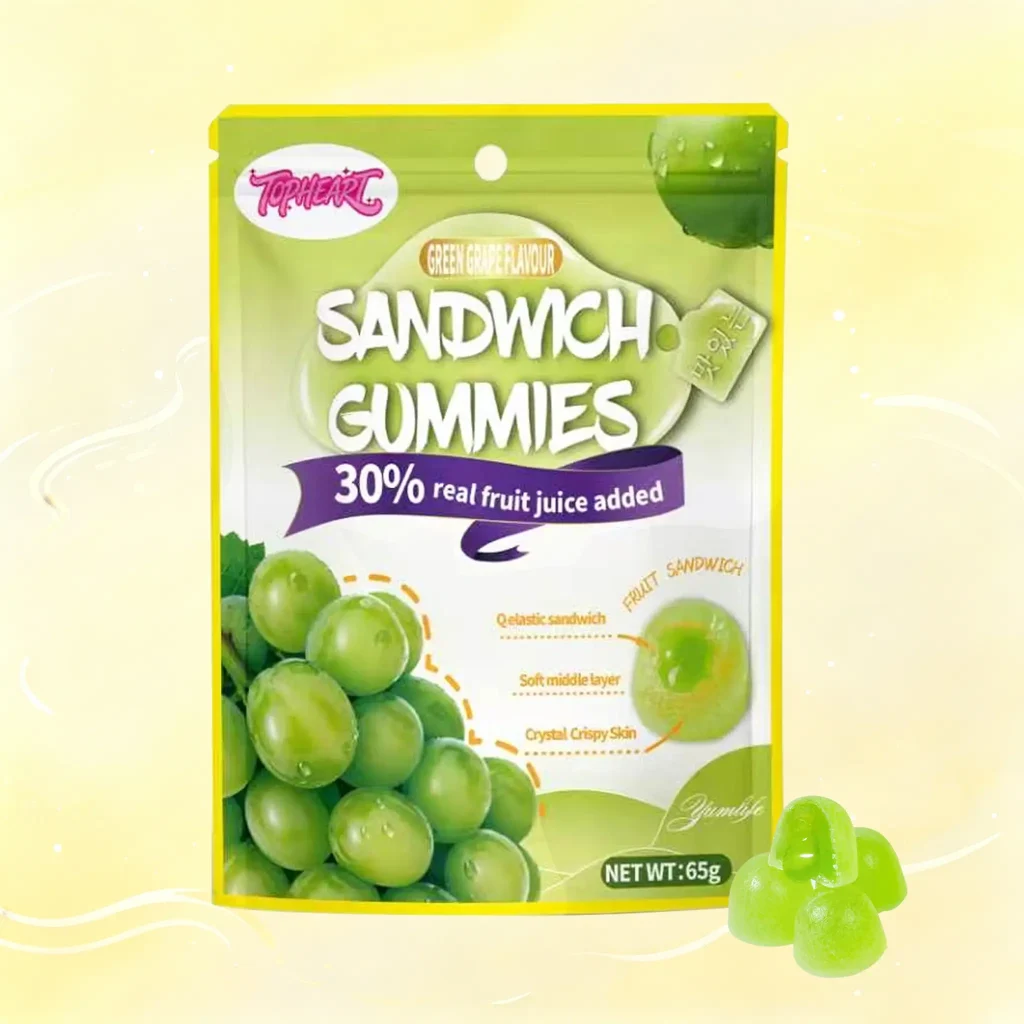 Crispy Gummy Candy
What Is Crispy Gummy Candy Crispy Gummy Candy i...
-
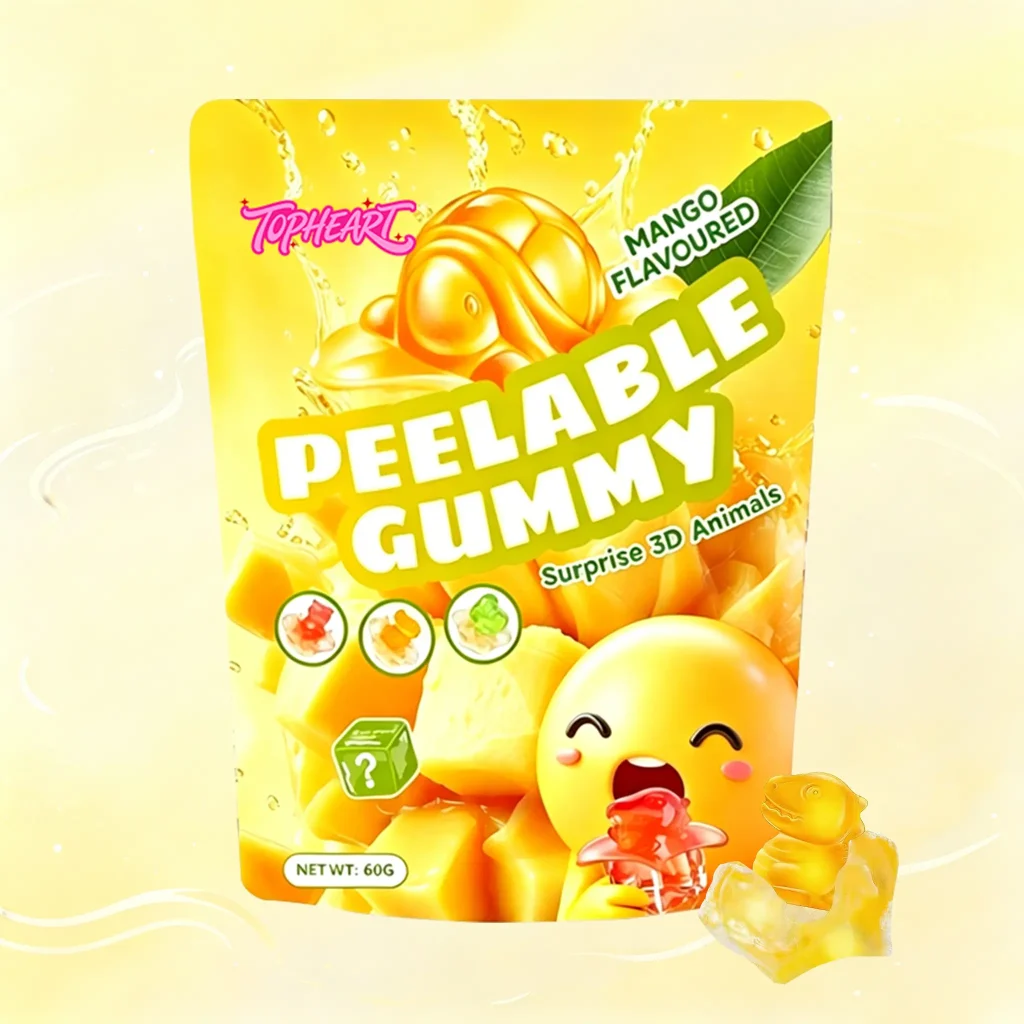 Peelable Gummy Candy
What Is Peelable Gummy Candy? Peelable Gummy Ca...